

NCT Practice Test
Updated October 2026Facts verified Oct 23, 2026 against Nuclear Medicine Technology Certification Board
The NCT (Nuclear Cardiology Technologist) Test Guide is a comprehensive overview for those pursuing certification as Nuclear Cardiology Technologists. This guide covers essential information about the NCT test, including eligibility requirements, core skills, and training pathways. It details the specific knowledge and competencies needed, such as imaging equipment operation, patient care, and radiopharmaceutical handling, which are all critical in diagnosing and treating cardiovascular conditions. Additionally, the guide explores available training programs, career prospects, and job settings for certified NCTs, offering a roadmap to entering this specialized, high-demand field.
- Candidates have three hours to complete the NMTCB NCT exam. (Nuclear Medicine Technology Certification Board)
- NMTCB does not publish a fixed passing score for the NCT exam; its Examination Committee sets the passing score for each exam form so that the standard stays consistent across forms. (Nuclear Medicine Technology Certification Board)
- The NMTCB Nuclear Cardiology Technologist (NCT) exam has a nonrefundable application fee of $225. (Nuclear Medicine Technology Certification Board)
- A candidate may take the NMTCB NCT exam no more than twice within a 12-calendar-month period. (Nuclear Medicine Technology Certification Board)
- The NMTCB NCT credential is time-limited and expires after seven years. (Nuclear Medicine Technology Certification Board)
- NCT certificants renew with NMTCB every year, and every seven years they recertify either by retaking the exam or by documenting 42 hours of nuclear cardiology continuing education. (Nuclear Medicine Technology Certification Board)
- The NMTCB NCT exam is a computer-based test taken at test centers run by IQT, Inc. (Nuclear Medicine Technology Certification Board)
- To sit for the NMTCB NCT exam, candidates need an active NMTCB, ARRT(N) or CAMRT nuclear medicine certification and at least 700 hours of documented nuclear cardiology clinical experience as a certified nuclear medicine technologist. (Nuclear Medicine Technology Certification Board)
- NMTCB mails NCT exam scores approximately three weeks after the examination and does not give results by phone. (Nuclear Medicine Technology Certification Board)
Facts verified Oct 23, 2026 against Nuclear Medicine Technology Certification Board. Dates that have passed are removed automatically.
NCT Exam at a Glance
| Item | Detail | Official source |
|---|---|---|
| Time limit | 3 hours | Nuclear Medicine Technology Certification Board |
| Passing score | Set for each exam form by the Examination Committee | Nuclear Medicine Technology Certification Board |
| Exam fee | $225 application fee (nonrefundable) | Nuclear Medicine Technology Certification Board |
| Retake policy | Max 2 attempts in any 12 calendar months | Nuclear Medicine Technology Certification Board |
| Validity | 7 years | Nuclear Medicine Technology Certification Board |
| Renewal | Annual renewal; recertify every 7 years by exam or 42 NCT CE hours | Nuclear Medicine Technology Certification Board |
| Delivery | Computer-based at IQT test centers | Nuclear Medicine Technology Certification Board |
| Eligibility | Active NMTCB/ARRT(N)/CAMRT NM credential + 700 hours of nuclear cardiology clinical experience | Nuclear Medicine Technology Certification Board |
| Score release | Mailed about 3 weeks after the exam | Nuclear Medicine Technology Certification Board |
| Testing window | On demand, within 6 months of eligibility approval | Nuclear Medicine Technology Certification Board |
Facts verified Oct 23, 2026 against Nuclear Medicine Technology Certification Board. Dates that have passed are removed automatically.
NCT Practice Test Questions
Prepare for the NCT - Nuclear Cardiology Technologist exam with our free practice test modules. Each quiz covers key topics to help you pass on your first try.
NCT Cardiac Imaging & Stress Testing
NCT Exam Questions covering Cardiac Imaging & Stress Testing. Master NCT Test concepts for certification prep.
NCT Nuclear Medicine Procedures & Techniques
Free NCT Practice Test featuring Nuclear Medicine Procedures & Techniques. Improve your NCT Exam score with mock test prep.
NCT Patient Preparation & Monitoring
NCT Mock Exam on Patient Preparation & Monitoring. NCT Study Guide questions to pass on your first try.
NCT Radiation Safety & Protection
NCT Test Prep for Radiation Safety & Protection. Practice NCT Quiz questions and boost your score.
NCT Clinical Assessment & Patient Care
NCT Questions and Answers on Clinical Assessment & Patient Care. Free NCT practice for exam readiness.
NCT Diagnostic Procedures & Interpretation
NCT Mock Test covering Diagnostic Procedures & Interpretation. Online NCT Test practice with instant feedback.
NCT Documentation & Health Records
Free NCT Quiz on Documentation & Health Records. NCT Exam prep questions with detailed explanations.
NCT Emergency Response & Critical Care
NCT Practice Questions for Emergency Response & Critical Care. Build confidence for your NCT certification exam.
NCT Infection Control & Prevention
NCT Test Online for Infection Control & Prevention. Free practice with instant results and feedback.
NCT Patient Education & Health Promotion
NCT Study Material on Patient Education & Health Promotion. Prepare effectively with real exam-style questions.
NCT Pharmacology & Treatment Protocols
Free NCT Test covering Pharmacology & Treatment Protocols. Practice and track your NCT exam readiness.
Key Takeaways
Free NCT Practice Test Online
- The NCT (Nuclear Cardiology Technologist) test is a specialized certification that validates the skills of technologists working in nuclear cardiology.
- Aspiring NCTs need specific training, courses, and certifications to enter this high-demand field.
- Job prospects for certified NCT professionals are favorable, with opportunities for advancement in hospitals, outpatient centers, and research facilities.
Understanding NCT: Meaning and Overview
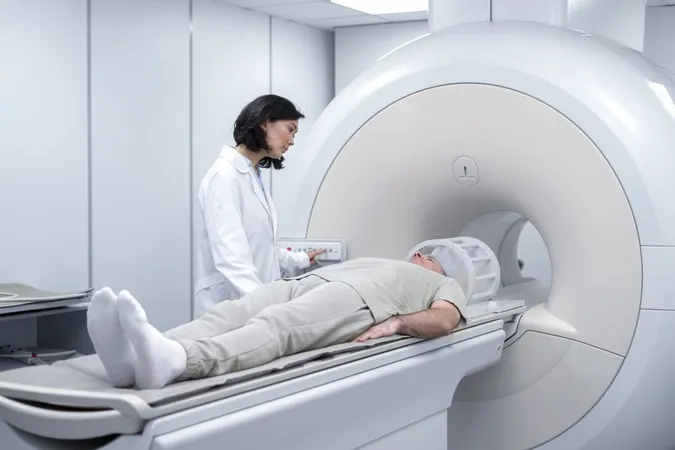
The term NCT stands for Nuclear Cardiology Technologist. These healthcare professionals are trained to use advanced imaging technology to diagnose heart conditions and monitor heart function. Their role is crucial in detecting and assessing cardiovascular diseases, helping to guide treatment plans for patients. NCTs work closely with physicians, using specialized cameras and radioactive materials to create images of the heart and assess blood flow, making their work highly valuable in modern cardiology.
- ✓Confirm your exam appointment and location
- ✓Bring required identification documents
- ✓Arrive 30 minutes early to check in
- ✓Read each question carefully before answering
- ✓Flag difficult questions and return to them later
- ✓Manage your time — don't spend too long on one question
- ✓Review flagged questions before submitting

NCT Test: Certification and Eligibility
The NCT (Nuclear Cardiology Technologist) test is designed to certify professionals in this specialized area. Administered by the Cardiovascular Credentialing International (CCI), the NCT test validates the skills and knowledge required to perform nuclear cardiology imaging procedures.
To sit for the NCT test, candidates typically need:
- A high school diploma or GED equivalent.
- Formal education or training in nuclear cardiology, either through an accredited program or extensive on-the-job training.
- Documented clinical experience in nuclear cardiology, which includes hands-on work with imaging equipment, administering radiopharmaceuticals, and patient care.
The NCT test covers various critical aspects of nuclear cardiology:
- Patient preparation and care
- Radiopharmaceutical handling and administration
- Operation of nuclear cardiology imaging equipment
- Image analysis and quality control
- Radiation safety protocols and procedures
Candidates who pass the exam are awarded the Certified Nuclear Cardiology Technologist (CNCT) credential, which is valid for a specified period, requiring periodic recertification to stay current.
NCT (Nuclear Cardiology Technologist) Training: Essential Education and Skills
Training for Nuclear Cardiology Technologists typically involves a combination of coursework, clinical practice, and hands-on experience. Accredited programs are available at vocational schools, community colleges, and some universities, providing a structured path to becoming a certified NCT.
Core Skills and Knowledge Areas
Key skills covered in NCT training programs include:
- Proficiency in operating gamma cameras and PET scanners
- Understanding of cardiac anatomy and physiology
- Knowledge of radiation safety and radiopharmaceuticals
- Patient care, including effective communication and emergency procedures
Specialized NCT Courses
For those interested in pursuing a career as an NCT, there are several courses available. These specialized courses are part of comprehensive programs that blend classroom instruction with clinical practice. Some courses focus on:
- Basic nuclear medicine principles: covering radiopharmaceuticals and patient positioning
- Advanced cardiac imaging techniques: including myocardial perfusion imaging and PET scans
- Radiation safety and regulatory standards: necessary to protect patients and healthcare providers
Many NCTs pursue continuing education after initial certification to stay informed about new technologies and techniques in nuclear cardiology.
NCT Career Opportunities and Job Market
With a CNCT certification, professionals can explore a variety of job options in healthcare. Certified Nuclear Cardiology Technologists are typically employed in:
- Hospitals and medical centers: Working in diagnostic imaging departments
- Outpatient cardiology clinics: Assisting cardiologists in diagnosing and managing heart disease
- Research facilities: Contributing to studies on cardiovascular health and imaging technologies
According to the Bureau of Labor Statistics (BLS), the demand for healthcare technologists, including NCTs, is expected to grow, driven by an aging population and advancements in medical imaging technology. Additionally, CNCT-certified technologists often earn competitive salaries and have opportunities for advancement in their field.

Conclusion
The NCT (Nuclear Cardiology Technologist) test is a valuable certification for professionals aiming to specialize in nuclear cardiology. With a combination of formal education, hands-on training, and passing the NCT test, individuals can build a rewarding career in a field with strong demand and growth potential. Pursuing the CNCT credential not only affirms expertise but also enhances job prospects in diverse healthcare settings.
NCT: Pros and Cons
- +NCT exam preparation strengthens your knowledge across all domains
- +Passing the exam proves competency to employers and clients
- +Study materials and practice tests are widely available
- +Exam-based credentials are portable across states and employers
- +Clear exam objectives help focus your study plan effectively
- −Exam anxiety can affect performance — practice tests help reduce it
- −Registration fees are non-refundable if you miss your test date
- −Limited retake opportunities may apply with waiting periods
- −Exam content updates periodically — use current study materials
- −Testing center availability may require advance scheduling
(NCT) Nuclear Cardiology Technologist Questions and Answers
How this page was made: written with AI tools. Exam facts are checked against the official sources listed below. Not reviewed by a subject-matter expert. Editorial policy
Sources & references
Exam facts on this page (fees, format, dates, passing scores) are checked against these official sources; the date is our last check. Editorial policy
- nmtcb.org — Fees, test delivery, eligibility, passing score, renewal, retake policy, score release, test dates, time limit, score validity · verified Oct 2026