
Archer NCLEX, NCLEX Bootcamp & Nursing Career Guide: Everything You Need to Know
Master the NCLEX with Archer NCLEX, bootcamp strategies & practice questions. Explore nursing school requirements, FNP meaning & RN jobs. 🎓
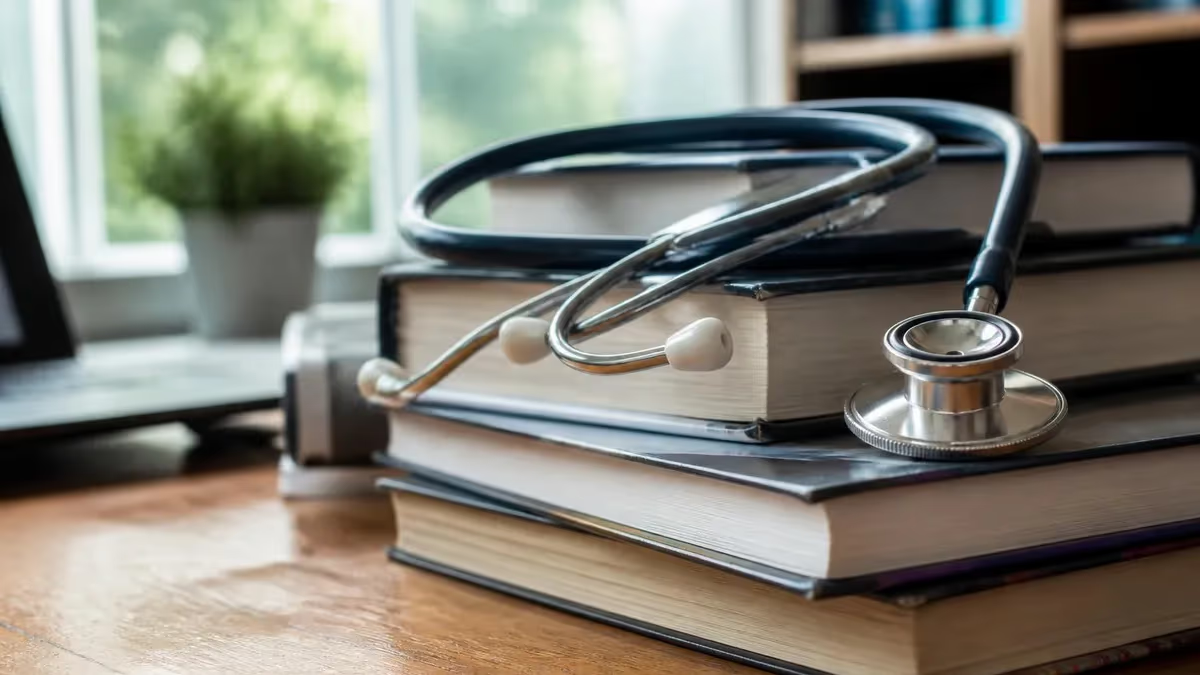
If you have come across the name chloe holladay nclex in nursing forums or social media groups, you are already tapping into one of the most active and supportive communities surrounding NCLEX preparation in the United States. Chloe Holladay is a well-known nursing influencer who has helped thousands of student nurses navigate the overwhelming process of studying for, registering for, and ultimately passing the NCLEX-RN and NCLEX-PN.
Her content, alongside powerhouse platforms like Archer NCLEX, has transformed how new nurses approach this career-defining exam. Understanding which resources are worth your time — and which are not — can be the difference between passing on your first attempt and spending months retaking a grueling test.
The NCLEX, or National Council Licensure Examination, is the standardized test every aspiring registered nurse (RN) and practical nurse (LPN/LVN) must pass before legally practicing in the United States. Administered by the NCSBN and delivered through Pearson VUE testing centers, the exam uses a sophisticated adaptive algorithm called Next Generation NCLEX (NGN) to determine competency. Unlike a traditional exam with a fixed number of questions, the NCLEX adapts based on your performance — stopping when it can determine with 95% statistical certainty whether you have met the minimum competency standard. This design makes proper preparation critically important.
One of the most effective ways to prepare for the NCLEX is through a structured nclex bootcamp program. Bootcamps compress weeks of review into intensive, focused sessions that target the highest-yield content areas. Programs range from weekend intensives to multi-week online courses, and many integrate nclex practice questions into every session so students reinforce concepts immediately after learning them. The combination of content review and timed question practice simulates real exam conditions and builds the test-taking stamina you will need on exam day.
Beyond the exam itself, nursing is a profession rich with opportunity. Whether your goal is to become a pediatric nurse, pursue an FNP (Family Nurse Practitioner) credential, or explore the full range of employment opportunities for RN graduates, understanding the landscape before you even sit for the NCLEX helps you study with purpose. When you know where you want to work after passing, you can tailor your clinical focus and continuing education from day one of your nursing career.
Preparation resources have expanded dramatically in recent years. From free YouTube content like mark k lectures to comprehensive subscription platforms, student nurses today have more support than any previous generation. The challenge is not finding resources — it is selecting the right ones and using them consistently. Many candidates who fail their first attempt report not a lack of resources, but a lack of structure and strategy. A coherent study plan, combined with quality question banks and content review tools, remains the most reliable path to passing.
This guide covers everything an aspiring nurse needs to know: from choosing the best NCLEX prep resources and understanding nursing school requirements, to exploring career pathways, salary data, and how to verify your license through tools like the idfpr license lookup once you are licensed. Whether you are just starting nursing school or counting down the days to your NCLEX appointment, the information below will help you build a clear, confident path forward in your nursing career.
NCLEX & Nursing Career by the Numbers

Top NCLEX Study Resources Every Candidate Should Know
A high-yield adaptive question bank and review platform widely praised for its concise rationales and NGN-style questions. Archer NCLEX is especially popular for last-minute review, offering focused 10-question quizzes called "Rapid Reviews" alongside full-length simulated exams.
Intensive multi-day or multi-week programs that compress content review and thousands of practice questions into a structured schedule. Ideal for candidates who need accountability and a guided roadmap rather than self-directed study.
Free YouTube video series from nurse educator Mark Klimek covering pharmacology mnemonics, priority and delegation, acid-base balance, and other high-yield NCLEX topics in a memorable, humor-driven format loved by hundreds of thousands of students.
The official portal for scheduling your NCLEX exam, accessing your Authorization to Test (ATT), and checking results. Familiarity with the Pearson VUE interface before exam day reduces stress and ensures you do not miss critical scheduling deadlines.
Two of the highest-regarded question banks available. UWorld is known for detailed clinical vignettes and visual rationales. NCSBN's own learning extension uses the same item-writing methodology as the real exam, making it one of the most authentic prep tools available.
Understanding nursing school requirements is the critical first step before any NCLEX preparation even begins. Entry requirements vary significantly depending on whether you are pursuing an Associate Degree in Nursing (ADN), a Bachelor of Science in Nursing (BSN), or an accelerated second-degree BSN program.
At minimum, most accredited nursing programs require a high school diploma or GED, prerequisite science coursework (anatomy, physiology, microbiology, and chemistry), a minimum GPA often between 2.5 and 3.5, and passing scores on entrance exams like the HESI A2 or TEAS. Competitive programs at research universities may require a much higher GPA and extensive volunteer or clinical experience.
The ADN pathway, typically completed at community colleges in two to three years, is the fastest route to NCLEX eligibility. ADN-prepared nurses are fully qualified to sit for the NCLEX-RN and work as registered nurses across all clinical settings. Many ADN graduates later complete RN-to-BSN bridge programs online while working full time, a popular route that satisfies hospital Magnet status requirements and opens doors to leadership and advanced practice roles. For students who already hold a non-nursing bachelor's degree, accelerated BSN programs complete the full nursing curriculum in 12 to 18 months of intensive coursework.
BSN programs at four-year universities offer broader preparation in leadership, research, public health, and evidence-based practice — areas that matter increasingly as healthcare systems grow more complex. The American Association of Colleges of Nursing reports that over 80% of hospital systems now prefer or require BSN-prepared nurses for new hires, and that number continues to climb. Students choosing between ADN and BSN pathways should weigh cost, time, and long-term career goals carefully, particularly if they plan to eventually pursue an FNP (Family Nurse Practitioner) or other advanced practice specialty, where a BSN is typically the minimum educational foundation.
The fnp meaning — Family Nurse Practitioner — refers to an advanced practice registered nurse (APRN) who provides primary and specialty care across the lifespan, from pediatrics to geriatrics. FNPs complete a master's or doctoral-level program after earning their RN license, and they are among the fastest-growing healthcare providers in the United States. With prescriptive authority in all 50 states and the ability to practice independently in over 26 states, FNPs enjoy significant autonomy and a median salary exceeding $120,000 annually. For many nurses, the FNP credential represents the ultimate career destination.
Before you can advance to any specialty, however, you must first navigate the NCLEX. A critical but often overlooked aspect of NCLEX preparation is becoming familiar with the awareness of what the exam actually tests — not just clinical content, but critical thinking, priority setting, and safe patient care decision-making. The NGN format introduced in 2023 added new item types including extended drag-and-drop, matrix grids, bow-tie questions, and trend interpretation, all designed to assess clinical judgment more authentically than traditional multiple-choice questions ever could.
Students who underestimate the shift to NGN-style questions often find themselves underprepared even if they have strong clinical knowledge. Legacy question banks that have not updated to NGN format provide incomplete preparation. When evaluating any review resource — whether a bootcamp, question bank, or video series — always confirm that NGN item types are included and that the content aligns with the most recent NCSBN test plan. The 2023 test plan distributes clinical judgment across all client need categories rather than treating it as a separate domain, a structural change that affects how every question should be approached.
For students navigating the intersection of prerequisites, clinical rotations, and NCLEX prep, time management is everything. Creating a weekly study schedule that integrates active recall, spaced repetition, and timed practice under realistic exam conditions has been shown in nursing education research to produce significantly better outcomes than passive review methods like re-reading textbooks or re-watching lectures. The most successful NCLEX candidates treat their preparation like a part-time job — consistent, scheduled, and goal-oriented from the first week of their dedicated review period.
NCLEX Bootcamp Strategies by Learning Style
Visual learners thrive with mind maps, concept diagrams, and color-coded notes that organize complex nursing content into memorable patterns. For NCLEX preparation, platforms like Archer NCLEX offer visual rationales and algorithm-based clinical decision trees that map the reasoning process step by step. Mnemonics paired with visual cues — such as drawing the cardiac cycle while memorizing medication effects on heart rate — reinforce retention far more effectively than reading alone. Many visual learners also benefit from watching mark k lectures on YouTube, where whiteboard diagrams simplify acid-base balance, priority delegation, and pharmacology mnemonics into clear, memorable visuals.
During your nclex bootcamp sessions, supplement video content with hand-drawn concept maps you create yourself. The act of drawing pathophysiology diagrams, drug mechanism charts, or care-planning frameworks forces active processing of the material and strengthens long-term memory consolidation. Digital tools like Anki with image-based flashcards or Notion pages with embedded diagrams can serve as your visual study hub. Aim to create at least five new visual study aids per day during your peak review period, and review them using a spaced repetition schedule so you see high-yield content at precisely the interval that maximizes retention.

NCLEX Bootcamp vs. Self-Study: Which Is Right for You?
- +Structured daily schedule eliminates decision fatigue about what to study
- +Expert instructors clarify complex content and answer questions in real time
- +Peer accountability motivates consistent daily effort throughout prep period
- +Concentrated review of high-yield content in a short, intense timeframe
- +Many bootcamps include built-in question banks with thousands of NGN-style items
- +Live or recorded sessions can be revisited multiple times for reinforcement
- −Bootcamp programs can cost between $200 and $1,500 depending on platform and format
- −Fixed schedules may conflict with work, family, or clinical rotation commitments
- −Passive lecture attendance without active practice can create false confidence
- −Not all bootcamps have updated content to reflect the 2023 NGN test plan changes
- −One-size-fits-all pacing may move too fast for some learners and too slow for others
- −Self-study allows more personalized focus on weak areas than group bootcamp format
NCLEX Prep Checklist: 10 Steps Before Exam Day
- ✓Apply for NCLEX through your state board of nursing and pay the $200 NCSBN registration fee.
- ✓Receive your Authorization to Test (ATT) email and schedule your exam through the Pearson VUE NCLEX login portal.
- ✓Choose a primary review resource — Archer NCLEX, UWorld, or NCSBN Learning Extension — and commit to it for the full prep period.
- ✓Complete at least 2,000 practice questions with full rationale review before your exam date.
- ✓Watch mark k lectures to master pharmacology mnemonics, priority-setting, and acid-base balance.
- ✓Take at least two full-length simulated NCLEX exams under timed, real-exam conditions.
- ✓Review all NGN item types — bow-tie, matrix grid, extended drag-and-drop, and trend — using a 2023-updated question bank.
- ✓Create a targeted study schedule covering all NCLEX test plan categories proportionally to their weight.
- ✓Prepare exam day logistics: confirm your testing center location, acceptable ID forms, and parking or transit plan.
- ✓Perform a mock test-day routine the night before — review your ID, set two alarms, and avoid studying after 9 PM.
The Pearson VUE Trick Is Not Officially Endorsed
Many candidates attempt the unofficial "PVT" (Pearson VUE Trick) — trying to re-register immediately after the exam to see if they are charged a fee — as an early indicator of passing. While anecdotally reported as reliable by many test-takers, the NCSBN does not endorse this method and it is not 100% accurate. Use official Quick Results (available 48 hours post-exam in most states) for a confirmed outcome rather than relying on this unofficial workaround.
The range of employment opportunities for RN graduates in the United States is broader than most nursing students realize during their academic years. Registered nurses work in acute care hospitals, outpatient clinics, long-term care facilities, home health agencies, public health departments, schools, correctional facilities, military installations, cruise ships, and even technology companies as clinical informaticists. The sheer variety of work settings means that virtually any lifestyle preference — from high-intensity trauma nursing to remote telehealth consulting — can be accommodated within a nursing career.
Hospital-based nursing remains the largest employer of RNs, accounting for approximately 60% of all registered nurse positions according to Bureau of Labor Statistics data. Within hospitals, specialty units offer dramatically different day-to-day experiences. The emergency department attracts nurses who thrive in fast-paced, unpredictable environments with high acuity and diverse patient presentations. Intensive care units require mastery of hemodynamic monitoring, ventilator management, and complex pharmacology. Labor and delivery units blend obstetrics, neonatology, and surgical nursing into a uniquely rewarding specialty with 24-hour patient contact from admission through postpartum discharge.
For nurses drawn to younger patients, a career as a pediatric nurse offers a profoundly meaningful clinical focus. Pediatric nurses work in dedicated children's hospitals, pediatric units within general hospitals, outpatient pediatric clinics, and pediatric subspecialty practices ranging from oncology to cardiology. The role requires not only clinical expertise in the unique physiology and pharmacology of children across developmental stages, but also advanced communication skills to support anxious parents, engage frightened children, and collaborate with multidisciplinary teams on complex family-centered care plans.
Community health and public health nursing is one of the fastest-growing sectors within the profession, accelerated significantly by lessons learned during the COVID-19 pandemic. Public health nurses design and implement population-level interventions, conduct disease surveillance, manage immunization programs, and address social determinants of health in underserved communities. The work is deeply rewarding for nurses who want systemic impact rather than one-on-one patient care, and salaries in government-funded public health agencies are increasingly competitive with hospital positions as healthcare systems invest in preventive care infrastructure.
Travel nursing continues to offer some of the highest compensation packages in the nursing profession, with total weekly pay packages — including housing stipends, travel reimbursements, and base hourly rates — often reaching $3,000 to $5,000 per week for experienced ICU and emergency department nurses. Travel nurses fill temporary staffing gaps at hospitals nationwide on 13-week contracts, experiencing new cities, clinical environments, and patient populations while earning premium compensation. The trade-off is relocation every few months and the need to quickly adapt to new electronic health record systems, unit protocols, and team cultures.
For nurses interested in nursing open positions in leadership, informatics, education, or policy, advanced degrees open significant doors. Clinical nurse specialists (CNS), certified registered nurse anesthetists (CRNA), nurse midwives, and nurse practitioners — including the widely pursued FNP track — all require graduate-level education and national certification beyond the RN license. These advanced practice roles command median salaries ranging from $115,000 for CRNAs in some states to over $200,000 in high-demand markets, making nursing one of the most financially rewarding healthcare professions for those willing to invest in advanced education.
Understanding the salary and career trajectory landscape before you sit for the NCLEX gives your preparation meaningful context and long-term motivation. When you know that passing this exam unlocks a career with strong job security, competitive pay, professional autonomy, and the ability to specialize in areas you are passionate about, every difficult question in your study sessions takes on greater purpose. The NCLEX is not just a test to pass — it is the gateway to a professional life that can be shaped to match your values, interests, and lifestyle goals.
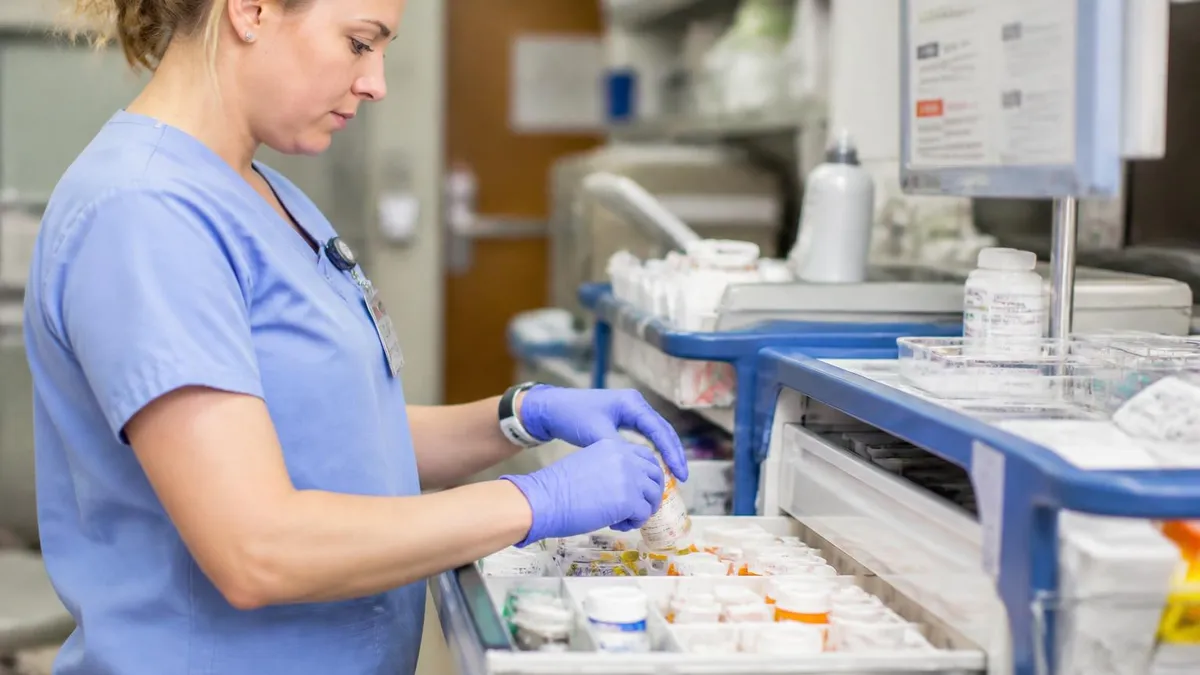
Your Authorization to Test (ATT) expires within 60 to 90 days of issuance depending on your state board. If your ATT expires before you schedule or sit for the exam, you must reapply and pay fees again. Check your ATT expiration date immediately upon receipt and schedule your exam through the Pearson VUE portal as soon as possible to secure your preferred testing date and location.
Once you have passed the NCLEX, the licensing process moves quickly but requires careful attention to administrative details. Each state board of nursing issues the actual RN or LPN license after verifying your NCLEX pass result, confirming your nursing school graduation, and completing any required background checks. Processing times vary from two business days in states with expedited digital licensing to three to four weeks in states with heavier administrative backlogs. Many new nurses make the mistake of assuming NCLEX passage equals automatic licensure — in reality, the license itself is issued separately by your state board.
License verification is a routine requirement throughout a nursing career. Employers conduct initial verification before your first day of work, and ongoing verification may be required for credentialing renewals, travel nursing contracts, and multi-state compact applications. In Illinois, the standard tool for license verification is the idfpr license lookup — the Illinois Department of Financial and Professional Regulation's online portal where any member of the public can confirm whether a nurse's license is active, current, and free of disciplinary actions. Similar portals exist in every state, typically accessible through the state board of nursing's website.
The Nurse Licensure Compact (NLC) is a critical concept for nurses who plan to work in multiple states or pursue travel nursing. As of 2024, 41 states participate in the NLC, allowing nurses who hold a multistate license in their home compact state to practice in any other compact state without obtaining separate licenses.
This streamlines the process enormously for travel nurses and nurses in border regions who work across state lines. If your state is a compact member and you meet residency requirements, your initial NCLEX application should be filed in your home state to take full advantage of multistate licensure privileges from day one.
License renewal requirements vary significantly by state, but most RN licenses renew on a two-year cycle and require between 20 and 30 continuing education hours per renewal period. Many states now require specific CE topics including implicit bias training, end-of-life care, pain management, and opioid prescribing awareness. Advanced practice nurses face additional renewal requirements including national certification maintenance through their respective certifying bodies — ANCC, AANP, or AANA — which typically require 75 to 100 continuing education hours and clinical practice hours every five years.
For new graduates navigating their first job search, the pearson vue nclex login portal also provides access to your official score reports and testing history, which some employers request during the credentialing process. Beyond score documentation, new RN job seekers should focus on building a strong clinical resume that highlights any preceptorship experiences, specialty rotations, simulation training, or clinical research involvement from nursing school. Residency programs at major health systems — typically 12 to 24 month structured transition programs for new graduates — provide mentorship, gradual patient load increases, and specialty-specific training that dramatically accelerates competency development.
Networking within nursing begins long before graduation. Clinical rotations are your first professional auditions — unit managers observe student nurses throughout their rotations and frequently hire high-performers directly after NCLEX passage. Professional nursing organizations including the American Nurses Association (ANA), Sigma Theta Tau International (the nursing honor society), and specialty organizations like the Emergency Nurses Association (ENA) or the Association of periOperative Registered Nurses (AORN) offer networking events, job boards, mentorship programs, and continuing education resources that support career development at every stage.
Finally, maintaining your mental health and preventing burnout begins during NCLEX preparation, not after. The nursing profession has among the highest rates of burnout of any healthcare occupation, driven by short staffing, emotional labor, and the moral distress of witnessing patient suffering. Building sustainable self-care habits — regular exercise, adequate sleep, social connection, and professional boundaries — during nursing school creates a foundation that will serve you throughout what can be a decades-long career. Passing the NCLEX is the beginning of your professional journey, not the end of your preparation for it.
Practical preparation for the NCLEX extends well beyond question banks and content review. Understanding the adaptive nature of the CAT (Computerized Adaptive Testing) engine helps you develop the right mindset for exam day. Unlike traditional exams where every test-taker sees the same questions, the NCLEX serves each candidate a personalized sequence based on their running performance.
If you answer a question correctly, the next question will be slightly harder. If you answer incorrectly, a slightly easier question follows. This means you should never try to judge your performance mid-exam based on perceived difficulty — a hard question is actually a positive sign that the algorithm is working in your favor.
One of the most common errors NCLEX candidates make is changing their answers after initial selection. Research on test-taking behavior in nursing licensure exams consistently shows that first instincts correlate more strongly with correct answers than second-guessed revisions. Your nursing school training, clinical experience, and weeks of NCLEX preparation have built a strong subconscious clinical judgment that surfaces in your initial response. Unless you read the question incorrectly the first time or find a specific factual reason to change your answer, trust your first impression and move forward confidently.
Time management on the NCLEX deserves specific attention, especially with the addition of NGN item types that require more cognitive processing than standard four-option multiple-choice questions. The maximum time allotted for the NCLEX-RN is five hours including two optional breaks and a brief tutorial. With up to 265 questions possible, this gives you roughly 60 to 90 seconds per question on average. Extended drag-and-drop and matrix grid questions may require two to three minutes each. Practice under timed conditions — using a stopwatch during your question sessions — so pacing feels automatic rather than stressful on exam day.
Nutrition and sleep optimization in the two weeks before your exam date can meaningfully impact cognitive performance. Sleep deprivation impairs working memory, slows processing speed, and increases anxiety — all of which directly hurt exam performance. Aim for seven to nine hours of sleep per night during your final review period, even if anxiety makes this difficult.
Establish a consistent sleep schedule, avoid caffeine after 2 PM, and limit screen exposure in the hour before bedtime. On the night before your exam, avoid the temptation to cram — your brain needs consolidation time, not additional input, in the final 24 hours before a high-stakes assessment.
On exam day, arrive at the Pearson VUE testing center at least 30 minutes early to complete check-in procedures, which include biometric palm vein scanning, photo ID verification, and a brief orientation from testing center staff. You will be provided with a dry-erase board or note-taking materials for calculations and scratch work. Dress in layers since testing center temperatures vary. Most importantly, enter the exam room with the intention of simply demonstrating the clinical knowledge and judgment you have already developed — the preparation is complete, and exam day is your opportunity to show it.
After the exam, resist the urge to obsessively discuss every question with classmates or in online nursing forums. Post-exam discussion typically increases anxiety without providing useful information, since every candidate's adaptive exam sequence is different. Instead, give yourself permission to rest, recover, and wait for official results.
In most states, Quick Results are available through Pearson VUE 48 hours after your exam for a $8 fee, providing a preliminary pass or fail result before your official state board notification arrives. Use this waiting period for genuine self-care — you have worked extremely hard, and your effort deserves recognition regardless of the initial outcome.
For candidates who do not pass on their first attempt, the NCLEX allows retesting after a 45-day waiting period. Many repeat test-takers pass on their second attempt with a focused gap analysis — identifying which test plan categories showed the most incorrect responses and building a targeted re-study plan around those specific areas.
Resources like the bootcamp nclex pathway can be particularly effective for repeat candidates who need a fresh, structured approach rather than more of the same self-directed review that did not produce a passing result the first time. Retaking the NCLEX is not a failure — it is a recalibration, and thousands of exceptional nurses pass on their second or third attempt every year.
NCLEX Questions and Answers



About the Author

Registered Nurse & Healthcare Educator
Johns Hopkins University School of NursingDr. Sarah Mitchell is a board-certified registered nurse with over 15 years of clinical and academic experience. She completed her PhD in Nursing Science at Johns Hopkins University and has taught NCLEX preparation and clinical skills courses for nursing students across the United States. Her research focuses on evidence-based exam preparation strategies for healthcare certification candidates.
Join the Discussion
Connect with other students preparing for this exam. Share tips, ask questions, and get advice from people who have been there.
View discussion (8 replies)