
MTA Commuter Bus: Routes, Fares, Service Areas, and What You Need to Know
Learn everything about MTA commuter bus service — 📗 routes, fares, schedules, service areas, and how it connects to MTA Police careers.

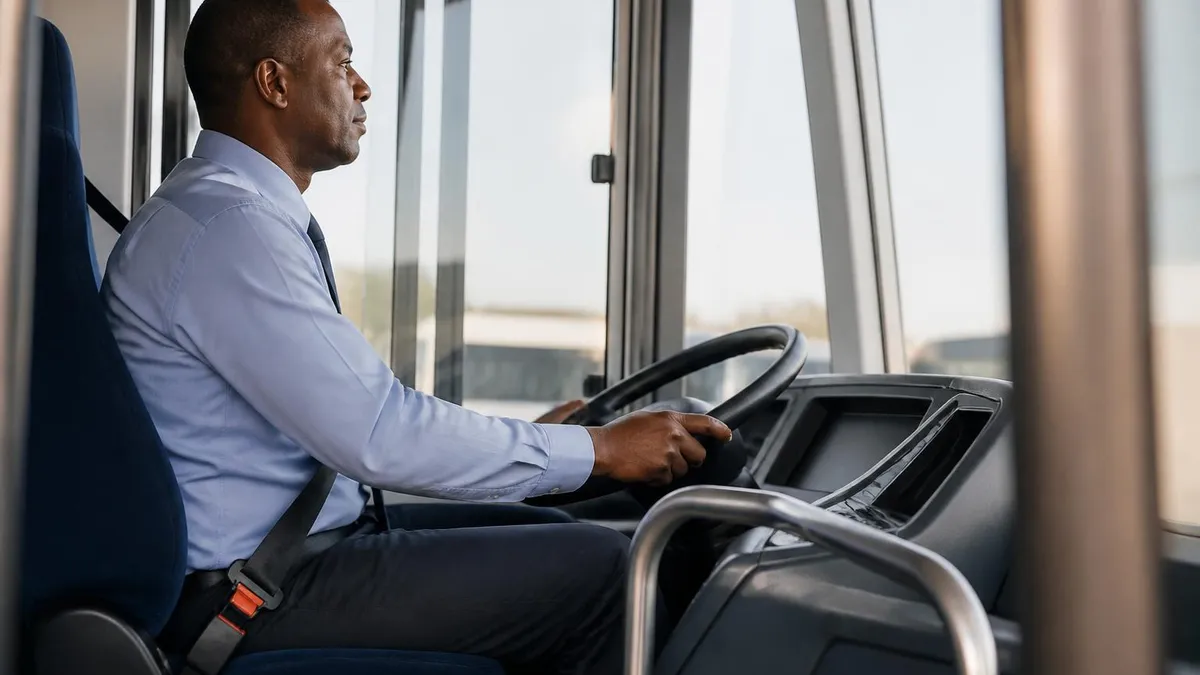
The MTA commuter bus network is one of the most expansive public transit systems in the United States, serving hundreds of thousands of riders across New York City's five boroughs and surrounding suburban communities every single day. Unlike local city buses, commuter bus routes are specifically designed to move passengers efficiently over longer distances — typically connecting outer residential neighborhoods in Queens, Brooklyn, Staten Island, and the Bronx directly to Manhattan's central business districts. Understanding how this system works can help you plan faster, more reliable trips and make the most of the transit options available to you.
MTA Bus Company operates the majority of these longer-haul routes, which were formerly run by private carriers before being absorbed into the public system in 2005. This consolidation brought thousands of additional riders under the MTA umbrella and standardized fares, schedules, and service quality across previously fragmented routes. Today, the commuter bus network complements subway and local bus service by reaching neighborhoods that rail transit cannot efficiently serve, giving riders a practical alternative when underground or elevated options are unavailable or inconvenient.
Fares on MTA commuter buses are higher than standard local bus fares because of the express and long-distance nature of the service. A typical one-way trip costs around $7.00, though the exact price varies by route and whether you are traveling within the city or crossing into suburban service zones. MetroCard and OMNY tap-to-pay options are accepted on most routes, and monthly passes offer substantial savings for daily commuters. Weekly unlimited options are not universally available on commuter routes, so understanding the specific pass options for your line is important before purchasing.
Schedules on commuter bus routes are built around peak commuting hours — typically running most frequently during morning inbound and evening outbound windows — with reduced service during midday, late night, and weekends. This peak-heavy model reflects the primary use case of these routes: getting office workers, students, and service employees to and from Manhattan during standard business hours. Riders who need off-peak service should check individual route timetables carefully, as some routes operate only during rush hour and offer no midday or weekend coverage whatsoever.
The geographic footprint of MTA commuter bus service extends beyond the city limits in some cases, with certain routes reaching Nassau County and Westchester County communities. These cross-boundary routes operate under coordination agreements between MTA and regional planning bodies, ensuring that outer suburban residents have a viable transit option without needing to drive to a subway or train station. For riders considering mta commuter bus career opportunities — including roles in operations, safety, and law enforcement — this broad service area is a key factor in understanding the scope and importance of the network.
Safety and security on MTA commuter buses fall under the jurisdiction of the MTA Police Department, a full-service law enforcement agency with authority across all MTA properties. Officers patrol bus terminals, respond to incidents on routes, and coordinate with local police departments when situations require additional resources. Understanding the relationship between bus operations and law enforcement helps both riders and prospective MTA employees appreciate the integrated nature of the transit ecosystem.
Whether you are a daily commuter, an occasional rider, or someone exploring career opportunities within the MTA system, having a thorough understanding of how commuter bus service is structured — including its routes, fares, coverage areas, and operational policies — gives you a significant advantage in navigating one of the world's most complex urban transit networks. This guide walks through every major aspect of MTA commuter bus service in clear, practical detail.
MTA Commuter Bus by the Numbers
Major MTA Commuter Bus Route Categories
These routes connect eastern and southeastern Queens neighborhoods — including Flushing, Jamaica, and the Rockaway Peninsula — directly to Midtown Manhattan. The QM lines are among the most heavily used commuter routes, carrying tens of thousands of riders daily.
BM routes serve southern and eastern Brooklyn communities such as Flatbush, Marine Park, and Sheepshead Bay, offering direct express service to Manhattan. These routes fill a critical gap where subway access requires multiple transfers or lengthy travel times.
Serving neighborhoods throughout the Bronx — from Riverdale and Pelham Bay to Co-op City — BxM routes provide efficient service to Midtown and Lower Manhattan. Many of these routes operate along major corridors where highway access makes bus service faster than the subway.
SIM routes are unique in that they cross the Verrazzano-Narrows Bridge to connect Staten Island to Brooklyn and Manhattan. With no subway connection to Staten Island, these commuter buses serve as the primary mass transit link for thousands of island residents commuting to the city.
Certain express routes operate within Manhattan itself, connecting northern neighborhoods like Inwood and Washington Heights to Midtown and Lower Manhattan. These urban express routes make limited stops and move faster than standard local service along the same corridors.
Understanding MTA commuter bus fares requires knowing the difference between local bus fares and the premium pricing that applies to express and commuter routes. As of the most recent fare structure, a single-ride commuter bus trip costs approximately $7.00, though some routes — particularly those crossing borough boundaries or serving longer distances — may charge slightly different amounts. This is roughly double the base local bus fare, reflecting the faster, more direct nature of commuter service and the operational costs associated with running larger buses over longer distances on highways and major arterials.
The OMNY contactless payment system has been gradually rolled out across MTA commuter buses, allowing riders to tap a credit card, debit card, or smartphone at the farebox reader to pay without loading a MetroCard. This modern payment option is particularly convenient for occasional riders who do not want to maintain a MetroCard balance specifically for infrequent commuter bus trips. However, MetroCard remains fully accepted on all routes, and riders who already use MetroCard for subway or local bus travel can generally use the same card for commuter bus fare payment as well.
Monthly unlimited MetroCards do not cover commuter bus fares — this is one of the most common points of confusion for new MTA riders. Local bus and subway riders accustomed to unlimited monthly passes are sometimes surprised to discover that commuter bus routes require separate fare payment even when they hold an active unlimited card. MTA does offer commuter-specific monthly passes for many routes, but these are route-specific and must be purchased separately from standard MetroCard products. Riders who use both subway and commuter bus service regularly may need two separate payment instruments.
Reduced fare programs are available for eligible riders, including seniors aged 65 and older, riders with qualifying disabilities, and Medicare cardholders. These programs typically provide half-price fares on commuter bus routes, though the application process requires registration with MTA's reduced fare program in advance. Eligible riders should apply before their first trip rather than attempting to claim the discount at the farebox, as drivers are not authorized to verify eligibility documentation on the spot and may not be able to accept reduced fare payment without a registered reduced fare MetroCard.
For frequent commuter bus riders, the most economical option is typically a route-specific monthly pass, which provides unlimited rides on a designated route for a flat monthly fee. These passes are sold through MTA's website, select retailers, and transit centers, and they represent significant savings over paying individual fares — particularly for riders who commute five days a week. The exact monthly pass price varies by route based on distance and service type, so checking the MTA website for your specific route's pass pricing is the most reliable way to calculate potential savings.
Transfers between commuter bus routes and local MTA services are handled differently than within the standard local bus and subway network. When transferring from a commuter bus to the subway or a local bus, riders may need to pay an additional fare rather than receiving a free transfer. This is a deliberate aspect of the fare structure that reflects the premium pricing model of commuter service. Some routes and payment methods do offer partial transfer credits, so reviewing the specific transfer rules for your route on MTA's official website is strongly recommended before planning a multi-leg commute.
Cash payment is accepted on MTA commuter buses, though exact change may be required on some routes. Drivers typically cannot make change, and carrying the correct fare in cash can be a challenge given that commuter bus fares do not align with standard coin and bill denominations. For this reason, MTA consistently encourages riders to use OMNY or MetroCard rather than cash, both for rider convenience and to speed up boarding times at busy stops during peak hours when every second of dwell time affects on-time performance across the entire route.
MTA Practice Test Questions
Prepare for the MTA - Police Exam exam with our free practice test modules. Each quiz covers key topics to help you pass on your first try.
MTA Police MCQ
MTA Exam Questions covering Police MCQ. Master MTA Test concepts for certification prep.
MTA Police Reading Comprehension Test
Free MTA Practice Test featuring Police Reading Comprehension Test. Improve your MTA Exam score with mock test prep.
MTA Police Written Test
MTA Mock Exam on Police Written Test. MTA Study Guide questions to pass on your first try.
MTA Community Policing
MTA Test Prep for Community Policing. Practice MTA Quiz questions and boost your score.
MTA Constitutional Rights
MTA Questions and Answers on Constitutional Rights. Free MTA practice for exam readiness.
MTA Criminal Law
MTA Mock Test covering Criminal Law. Online MTA Test practice with instant feedback.
MTA Emergency Response
Free MTA Quiz on Emergency Response. MTA Exam prep questions with detailed explanations.
MTA Investigation Techniques
MTA Test Online for Investigation Techniques. Free practice with instant results and feedback.
MTA Law Enforcement Procedures
MTA Study Material on Law Enforcement Procedures. Prepare effectively with real exam-style questions.
MTA Traffic and Patrol Procedures
Free MTA Test covering MTA Traffic and Patrol Procedures. Practice and track your MTA exam readiness.
MTA Transit System Knowledge
MTA Exam Questions covering MTA Transit System Knowledge. Master MTA Test concepts for certification prep.
MTA Commuter Bus Service: Schedules, Terminals, and Real-Time Tools
MTA commuter bus schedules are built around peak commuting windows — typically 6:00 AM to 9:30 AM inbound and 4:00 PM to 7:30 PM outbound. During these periods, buses run frequently, often every 10 to 20 minutes on high-demand routes. Off-peak service is considerably thinner, with some routes running only once per hour or less during midday, and several routes suspending service entirely after evening hours or on weekends. Riders planning non-peak trips should always verify the timetable for their specific route before heading to the bus stop.
Weekend schedules on commuter bus routes deserve special attention because they often differ dramatically from weekday service. Some routes that run dozens of trips on a weekday may operate only a handful of Saturday or Sunday departures, and a few routes are entirely weekday-only with no weekend service whatsoever. MTA publishes complete timetables on its website and through the MYmta mobile app, which allows riders to look up stop-by-stop schedules, check real-time arrival estimates, and receive service alerts for disruptions affecting their route.
MTA Commuter Bus: Advantages and Limitations for Riders
- +Direct express service to Midtown Manhattan without transfers, saving significant time compared to local subway routes
- +Serves neighborhoods that lack convenient subway access, providing a viable transit option for outer borough residents
- +Park-and-ride options on Staten Island and some outer borough routes allow hybrid car-plus-bus commutes
- +OMNY contactless payment accepted on most routes, enabling tap-and-go boarding with any credit or debit card
- +Reduced fare programs available for seniors, people with disabilities, and Medicare cardholders at approximately half price
- +Real-time GPS tracking through MYmta app reduces uncertainty about wait times and helps riders plan departures more precisely
- −Fares are significantly higher than local bus or subway — typically around $7.00 per one-way trip, which adds up quickly
- −Unlimited MetroCard does not cover commuter bus fare, requiring separate payment even for riders with active unlimited passes
- −Off-peak and weekend service is thin or nonexistent on many routes, limiting flexibility for non-standard commuters
- −Peak-hour crowding can make standing-room-only conditions common, particularly on popular Queens and Staten Island routes
- −Traffic delays on highways and bridges can make travel times unpredictable, especially during incidents or severe weather
- −Route-specific monthly passes must be purchased separately for each route, which complicates payment for riders who use multiple commuter lines
MTA Commuter Bus Rider Checklist: Before You Board
- ✓Check the official MTA timetable for your specific route before leaving home, especially for off-peak or weekend travel.
- ✓Download the MYmta app and enable route alerts so you receive real-time service disruption notifications.
- ✓Load sufficient fare on your MetroCard or confirm your OMNY-compatible payment method is ready to tap.
- ✓Verify whether your unlimited MetroCard covers your route — commuter buses require separate fare payment.
- ✓Identify the correct boarding location, as some routes use specific street stops or terminal bays rather than standard curbside stops.
- ✓Plan for potential traffic delays by building buffer time into your commute, especially during peak hours on highway-dependent routes.
- ✓Review the transfer rules for your destination if you need to connect to the subway or local bus after your commuter bus trip.
- ✓If you qualify for reduced fare, register with MTA in advance and carry your reduced fare MetroCard whenever you travel.
- ✓Confirm your route's terminus and any midroute split points — some commuter buses split into two branches partway through the route.
- ✓Check for planned service changes or construction diversions on MTA's service alert page before major trips or holiday travel.
Your Unlimited MetroCard Does Not Work on Commuter Buses
One of the most frequently misunderstood aspects of MTA fare policy is that standard unlimited MetroCards — including 7-day and 30-day unlimited passes — do not cover commuter bus fares. Riders must pay the full commuter fare separately, even when boarding directly from a subway station. Planning your payment method in advance avoids unexpected delays and ensures you can board without fumbling for cash at the farebox.
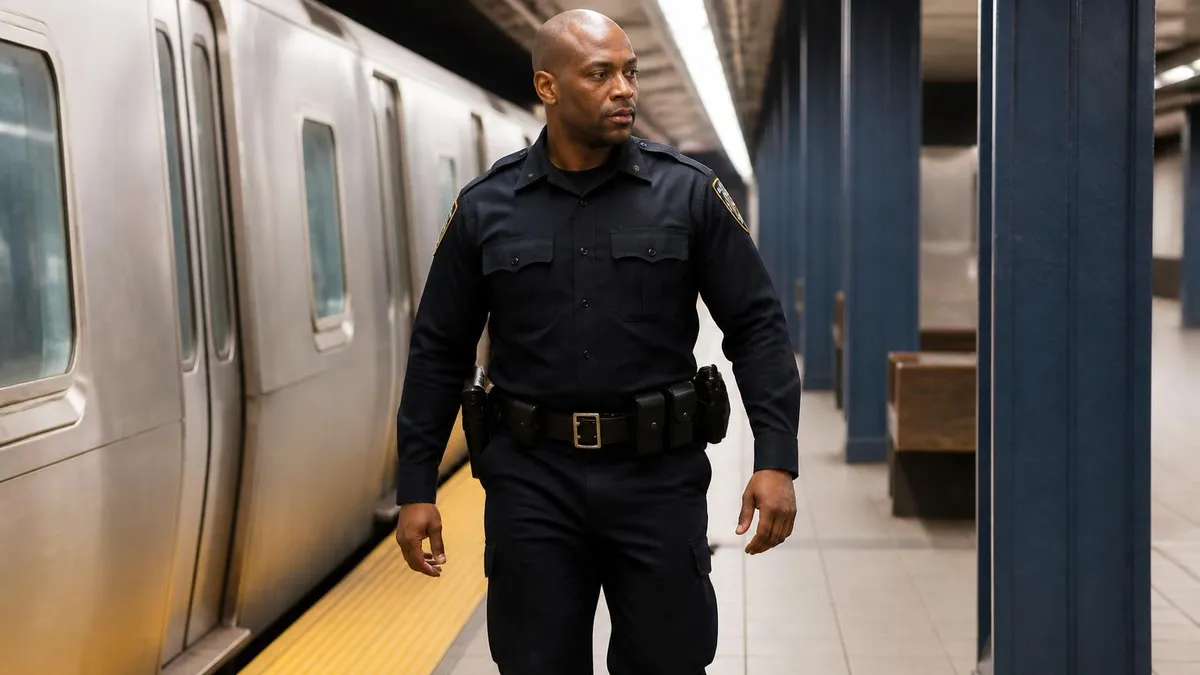
The MTA Police Department is responsible for safety and security across the entire MTA transit network, and commuter bus operations fall squarely within that jurisdiction. MTA Police officers — who carry full law enforcement authority under New York State law — patrol bus terminals, respond to incidents on routes, and work proactively to deter crime and disorderly behavior throughout the system. Their presence on commuter bus routes is especially important at major terminals like Port Authority and the George Washington Bridge Bus Station, where high passenger volumes create complex security environments that require a dedicated professional response.
Unlike city buses patrolled primarily by the New York City Police Department, MTA commuter buses and terminals fall under a dual-jurisdiction arrangement where both NYPD and MTA Police may have overlapping authority depending on location. In practice, MTA Police take the lead on incidents occurring within MTA-controlled facilities, while NYPD handles matters on the public streets around those facilities. This boundary can sometimes create coordination challenges, which is why MTA Police officers receive extensive cross-agency training and maintain regular communication with NYPD counterparts assigned to transit-adjacent precincts.
Security cameras are installed throughout the commuter bus fleet and at major terminals, providing continuous video monitoring that supports both real-time situational awareness and post-incident investigations. MTA has made substantial investments in transit security technology over the past decade, and the commuter bus segment of the network has benefited from these upgrades alongside subway and rail systems. Video footage from bus cameras has been instrumental in prosecuting assault, theft, and vandalism cases, and the visibility of cameras serves as a meaningful deterrent against opportunistic criminal behavior.
Emergency call buttons are available on many commuter buses, allowing riders to contact the driver or MTA operations center quickly if they witness or experience a safety emergency. Riders are encouraged to report suspicious packages, threatening behavior, or other security concerns immediately rather than waiting to see if a situation resolves on its own. The MTA's security awareness campaigns remind riders that reporting is not the same as accusing — providing information to trained professionals allows them to assess the situation with proper context and resources.
Bus operators themselves play a front-line security role, having received training in conflict de-escalation, emergency response procedures, and communication with dispatch when incidents arise. While drivers are not law enforcement officers and are not expected to physically intervene in confrontations, their ability to quickly alert MTA Police or NYPD dispatch ensures that professional help arrives as rapidly as possible. In high-stress situations, a calm and communicative operator can make a significant difference in how quickly an incident is contained and resolved without harm to riders or staff.
The MTA Police Department maintains a dedicated transit crime unit that analyzes patterns of criminal activity across the network, including commuter bus routes, to allocate patrol resources strategically. If a particular route or terminal experiences a spike in incidents, additional officers may be assigned temporarily while the underlying causes are investigated. This data-driven approach to transit policing has contributed to long-term improvements in safety metrics across the MTA system, even as ridership and operational complexity have continued to grow.
For individuals interested in joining the MTA Police Department, understanding the breadth of the agency's responsibilities — including commuter bus security — is essential context for the application process. MTA Police officers must be prepared to handle everything from minor fare evasion disputes to major emergencies involving multiple agencies, making the role both challenging and deeply consequential for the millions of riders who depend on the system every day.
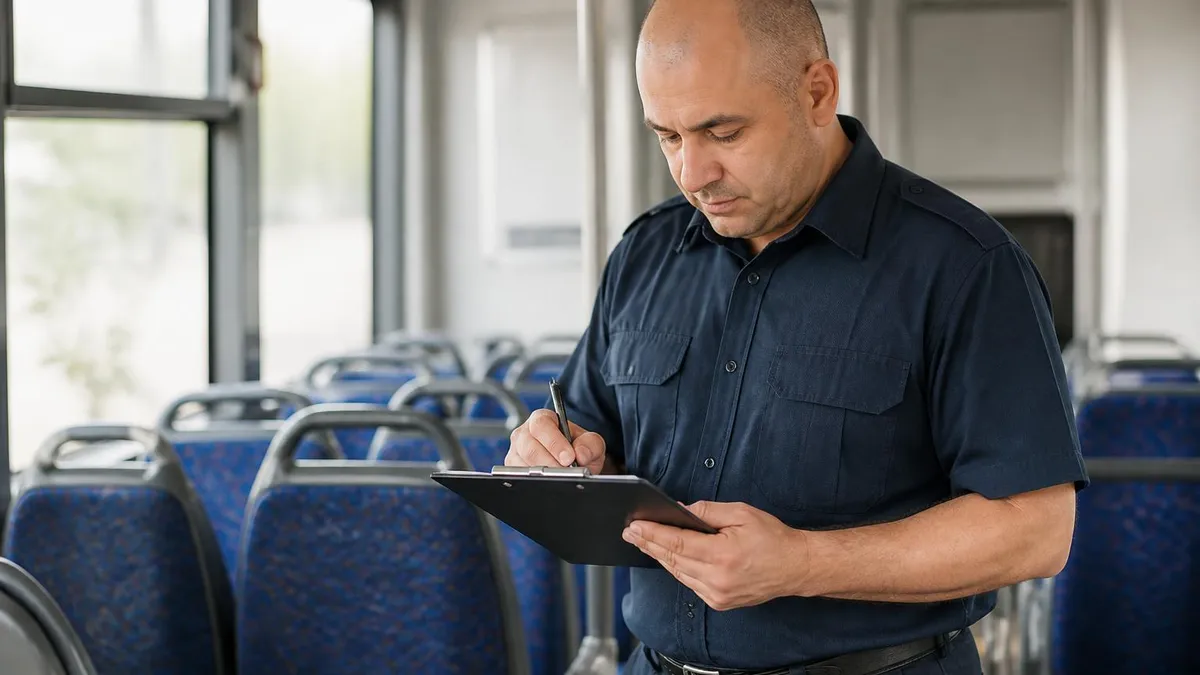
MTA regularly issues planned and unplanned service changes affecting commuter bus routes due to construction, special events, weather, or operational needs. Riders should sign up for email or text alerts through the MTA website and check service notices before traveling, especially during major holidays or when large events are scheduled in Manhattan. Unplanned disruptions — such as bridge closures or traffic incidents — may cause significant delays with little advance notice, so building extra time into your commute is always advisable.
For anyone considering a career within the MTA ecosystem, commuter bus operations represent just one component of a vast and interconnected transit organization that employs tens of thousands of people across dozens of professional disciplines. From bus operators and mechanics to dispatchers, safety inspectors, and law enforcement officers, the MTA offers one of the most diverse employment portfolios of any public agency in the United States.
Understanding how different parts of the organization work together — including the commuter bus network's relationship to rail, subway, and bridge and tunnel operations — provides valuable context for applicants who want to demonstrate genuine institutional knowledge during the hiring process.
MTA Police Department positions are among the most competitive within the broader MTA employment structure, attracting large candidate pools for each exam cycle. The department has specific eligibility requirements including age limits, educational minimums, and physical fitness standards that must be met at the time of application. Candidates who have demonstrated familiarity with MTA operations — including how commuter bus service fits into the broader network — are often better prepared for oral board interviews and background investigations that probe knowledge of the agency and its mission.
The written exam for MTA Police candidates tests a range of cognitive skills including reading comprehension, deductive reasoning, memory and observation, and basic mathematics. Preparation resources such as practice tests are widely recommended by successful candidates who note that familiarity with the exam format significantly reduces test-day anxiety and improves performance. The questions are designed to assess whether candidates can process information quickly and accurately under pressure — skills that translate directly to the fast-paced decision-making environment of transit policing.
Physical fitness requirements for MTA Police candidates include a standardized physical agility test that assesses cardiovascular endurance, strength, and flexibility. Candidates who begin a targeted fitness regimen several months before their scheduled test date consistently report better outcomes than those who attempt last-minute preparation. MTA provides detailed information about the physical test components on its recruitment website, and many candidates use this information to structure a progressive training program that peaks at the right time in the hiring cycle.
Background investigations for MTA Police are comprehensive and thorough, examining employment history, financial records, prior law enforcement contacts, and character references. Candidates with any blemishes on their record should be fully transparent during the background process rather than attempting to minimize or conceal information — investigators are experienced at identifying inconsistencies, and deliberate omissions are typically treated more seriously than the underlying facts they were meant to hide. Honesty and integrity are foundational values for any law enforcement agency, and demonstrating these qualities throughout the hiring process sets the right tone for a long career.
Salary and benefits for MTA Police officers are competitive within the regional law enforcement market. Starting salaries are supplemented by overtime opportunities, longevity pay increases, and a defined-benefit pension plan that provides long-term financial security. Healthcare coverage, dental, vision, and disability insurance round out a compensation package that compares favorably with many municipal police departments in the metropolitan area. Officers who advance to supervisory ranks or specialized units can earn substantially more than base salary figures suggest, making the career trajectory financially rewarding over time.
If you are exploring mta commuter bus and broader MTA career opportunities, taking the time to understand the full scope of the organization — including how its various service lines interact and depend on each other — positions you as a more informed and compelling candidate at every stage of the hiring process. The MTA is not simply a bus company or a subway system; it is the arterial infrastructure of the entire New York metropolitan economy, and working within it carries genuine professional significance.
Preparing for any MTA-related exam or career opportunity requires a disciplined, structured approach that goes well beyond casual reading. Successful candidates consistently report that the most effective preparation strategy combines content review — learning about MTA operations, transit law, and law enforcement procedures — with active practice using exam-format questions that mirror what they will encounter on test day. This dual approach ensures that knowledge is not just accumulated but also retrievable under the time pressure and cognitive load of an actual testing environment.
Reading comprehension is one of the most consistently tested skills on MTA Police written exams, and it is also one of the skills that benefits most from deliberate practice. Unlike math or grammar, where discrete rules can be memorized, reading comprehension performance depends on habits of close attention and analytical thinking that develop gradually over time. Candidates who practice regularly with realistic passages — particularly those involving law enforcement procedures, public safety guidelines, and administrative rules — build the mental habits that allow them to extract key information quickly and accurately even when the text is dense or unfamiliar.
Memory and observation questions are another common component of transit police exams. These questions test a candidate's ability to study a scene, remember specific details, and answer questions accurately after the image or description has been removed. This skill mirrors real-world policing demands, where officers must quickly assess a scene, retain details about individuals and vehicles, and later produce accurate accounts for reports and testimony. Regular practice with memory exercises — even simple ones involving everyday observations — can meaningfully improve performance on this section of the exam.
Deductive reasoning questions require candidates to apply logical rules to novel situations and arrive at correct conclusions without ambiguity. These questions are designed to simulate the kind of decision-making that officers face when applying policies, regulations, and laws to specific circumstances. The best preparation involves working through practice problems systematically, identifying the underlying logic of each answer, and building a mental framework for approaching unfamiliar scenarios with confidence rather than guesswork.
Time management during the exam is a critical skill that many candidates underestimate. Written tests for transit police positions are typically timed, and the combination of reading-heavy questions, multi-step reasoning problems, and memory-based items can create bottlenecks for candidates who spend too long on difficult questions early in the exam. Developing a personal pacing strategy — including knowing when to skip a question and return to it later — can meaningfully improve final scores by ensuring that all questions receive at least some attention rather than being left blank due to poor time allocation.
Study groups and peer accountability arrangements have helped many MTA Police candidates stay on track during the months-long preparation period between application and exam. Studying with others who share the same goal creates a social accountability structure that makes it harder to skip practice sessions, and discussing difficult concepts with peers can illuminate blind spots that solo study misses. Online communities of MTA exam candidates have become increasingly active in recent years, offering forums for sharing study materials, comparing experiences with specific exam sections, and providing encouragement during the long hiring process.
The most important thing any candidate can do is start early. MTA hiring processes — from initial application through written exam, physical agility test, background investigation, and academy training — can span eighteen months or more. Candidates who begin comprehensive preparation well before their scheduled exam date have significantly more time to identify and address weaknesses, build physical fitness progressively, and approach each stage of the process with confidence rather than urgency. Treat preparation as a marathon, not a sprint, and the finish line becomes far more attainable.
MTA Questions and Answers
MTA Careers: How to Apply for Jobs at careers.mta.org and Build a Career with the Metropolitan Transportation Authority
MTA Police Exam: Requirements, Written Test, Physical Agility Test, Academy Training, and Career Path
Nassau County Police Exam: Requirements, Written Test, Physical Agility, and How to Pass the Civil Service Test
MTA Police Salary: Complete Pay Guide, Benefits, Overtime, Step Increases, and Career Earnings for MTAPD Officers
MTA Congestion Pricing: What It Is, How It Works, and What It Means for New York
About the Author

Educational Psychologist & Academic Test Preparation Expert
Columbia University Teachers CollegeDr. Lisa Patel holds a Doctorate in Education from Columbia University Teachers College and has spent 17 years researching standardized test design and academic assessment. She has developed preparation programs for SAT, ACT, GRE, LSAT, UCAT, and numerous professional licensing exams, helping students of all backgrounds achieve their target scores.