

MOT Practice Test
Updated for September 2026Work zones are essential for maintaining and improving infrastructure, but they also pose significant hazards to motorists, pedestrians, and workers. To reduce risks and promote safety, the Maintenance of Traffic (MOT) Certification is required for individuals involved in planning, setting up, and supervising temporary traffic control (TTC) operations.
MOT Certification, also known as Temporary Traffic Control (TTC) training in some states, ensures that professionals follow the standards and guidelines established by the Federal Highway Administration (FHWA) and local Departments of Transportation (DOTs). This certification is vital for engineers, contractors, flaggers, inspectors, and traffic control supervisors who are responsible for roadway safety during construction or maintenance activities.
MOT Practice Test Questions
Prepare for the MOT - Maintenance of Traffic Certification exam with our free practice test modules. Each quiz covers key topics to help you pass on your first try.
MOT Advanced Warning Sign Placement
MOT Exam Questions covering Advanced Warning Sign Placement. Master MOT Test concepts for certification prep.
MOT Flagging Operations & Procedures
Free MOT Practice Test featuring Flagging Operations & Procedures. Improve your MOT Exam score with mock test prep.
MOT Incident Management & Response
MOT Mock Exam on Incident Management & Response. MOT Study Guide questions to pass on your first try.
MOT Lane Closure & Detour Planning
MOT Test Prep for Lane Closure & Detour Planning. Practice MOT Quiz questions and boost your score.
MOT Nighttime Work Zone Operations
MOT Questions and Answers on Nighttime Work Zone Operations. Free MOT practice for exam readiness.
MOT Pedestrian & Cyclist Safety Measures
MOT Mock Test covering Pedestrian & Cyclist Safety Measures. Online MOT Test practice with instant feedback.
MOT Quality Assurance & Inspections
Free MOT Quiz on Quality Assurance & Inspections. MOT Exam prep questions with detailed explanations.
MOT Regulations Compliance & Documentation
MOT Practice Questions for Regulations Compliance & Documentation. Build confidence for your MOT certification exam.
MOT Safety Protocols & Incident Management
MOT Test Online for Safety Protocols & Incident Management. Free practice with instant results and feedback.
MOT Temporary Traffic Control Plans
MOT Study Material on Temporary Traffic Control Plans. Prepare effectively with real exam-style questions.
MOT Traffic Control Devices & Placement St...
Free MOT Test covering Traffic Control Devices & Placement Standards. Practice and track your MOT exam readiness.
Key Takeaways
Free MOT Practice Test Online
MOT Certification is legally required in many states for individuals working in or near public roads and highways.
Training covers safety practices, work zone setup, flagging techniques, signage placement, and compliance with MUTCD standards.
Certification types typically include Basic, Intermediate, and Advanced levels.
The certification enhances job safety, legal compliance, and employment opportunities in construction and infrastructure sectors.
Recertification is often required every four years, with refresher training mandated to stay compliant.
What is Maintenance of Traffic (MOT) Certification?
Maintenance of Traffic (MOT) refers to the methods and practices used to manage traffic safely and efficiently through or around construction zones. The MOT Certification program ensures workers understand the principles of work zone safety and are equipped to implement proper traffic control measures.
This certification is governed by the Manual on Uniform Traffic Control Devices (MUTCD) and may be enforced at the federal or state level. For example, the Florida Department of Transportation (FDOT) mandates MOT training for various personnel involved in highway projects.
The core objective is to protect workers, maintain smooth traffic flow, and reduce crashes and injuries associated with roadwork.
MOT Key Concepts
What is the passing score for the MOT exam?
Most MOT exams require 70-75% to pass. Check the official exam guide for exact requirements.
How long is the MOT exam?
The MOT exam typically allows 2-3 hours. Time management is critical for success.
How should I prepare for the MOT exam?
Start with a diagnostic test, create a 4-8 week study plan, and take at least 3 full practice exams.
What topics does the MOT exam cover?
The MOT exam covers multiple domains. Review the official content outline for the complete list.
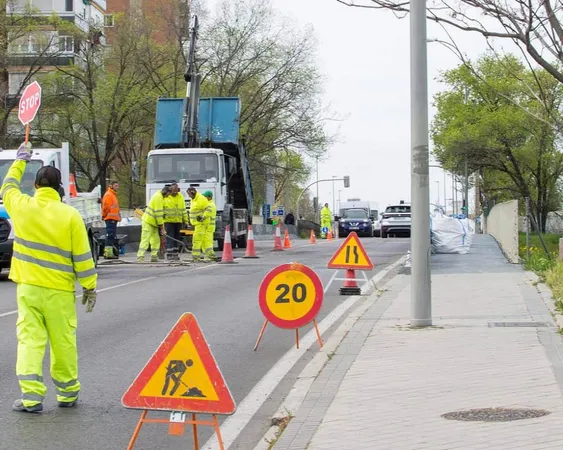
Who Needs MOT Certification?
MOT Certification is typically required for:
Road Construction Workers
Flaggers
Field Engineers and Inspectors
Traffic Control Supervisors
Project Managers
Utility Contractors
Maintenance Crews
Even law enforcement officers and municipal employees involved in traffic redirection may need MOT training, depending on jurisdictional policies.
Types of MOT Certification
Most training providers and DOTs offer tiered certification levels based on job responsibilities:
Designed for workers installing or removing temporary traffic control devices.
Topics include personal protective equipment (PPE), signage, cones, barricades, and flagging techniques.
For those involved in supervisory roles or who work near open travel lanes.
Covers advanced work zone setup, traffic flow principles, lane closures, and mobile operations.
Required for professionals designing traffic control plans or supervising entire work zones.
Involves interpretation of engineering drawings, complex detour planning, and legal accountability.
Some regions also offer Refresher Courses for individuals whose certifications are expiring, typically every four years.
Course Structure and Content
Courses for MOT Certification vary by provider but generally include:
Introduction to Work Zone Safety
Roles and Responsibilities of MOT Personnel
Standards from the MUTCD and State DOT
Flagging Operations and Communication
Signage and Device Placement
Roadway Configuration for Lane Closures
Night Work and High-Speed Road Considerations
Pedestrian and Bicycle Accommodation
Emergency Procedures and Incident Management
Training Formats:
In-person classes with hands-on demonstrations and classroom instruction.
Online courses with interactive modules, videos, and downloadable study materials.
Hybrid options that combine online theory with in-person practical assessments.
Most courses conclude with a written exam, and passing scores typically range from 70% to 80%.
Benefits of MOT Certification
Earning MOT Certification offers numerous professional and public safety advantages:
Legal Compliance: Meets OSHA and DOT safety requirements for working in or near roadways.
Reduced Risk: Promotes safer work environments by minimizing accidents and liability.
Employment Qualification: Required by many employers and government contracts.
Career Advancement: Certification can lead to supervisory roles or specialized traffic safety positions.
Public Trust: Enhances the professionalism of construction projects and improves public perception of work zones.
Employers also benefit by reducing insurance costs and improving compliance ratings on government projects.
Recertification and Continuing Education
To maintain an active MOT Certification, recertification is required every four years in most jurisdictions. Recertification typically involves:
Completing a refresher course approved by the state DOT.
Passing an updated exam reflecting changes to traffic laws and MUTCD guidelines.
Providing documentation of previous certification and current work experience.
Failing to renew on time can result in being removed from job sites or facing project penalties for non-compliance.
Conclusion
The Maintenance of Traffic (MOT) Certification is a cornerstone of road construction and safety compliance. It ensures that traffic control personnel are well-trained, compliant with regulatory standards, and equipped to safeguard lives in work zones.
Whether you’re a contractor, supervisor, engineer, or flagger, MOT Certification strengthens your credentials and contributes to the overall safety and efficiency of road operations. As infrastructure projects continue to grow in scope and complexity, certified professionals will remain essential to their success.
- +Industry-recognized credential boosts your resume
- +Higher earning potential (10-20% salary increase on average)
- +Demonstrates commitment to professional development
- +Opens doors to advanced career opportunities
- −Exam preparation requires significant time investment (4-8 weeks)
- −Certification fees can be $100-$400+
- −May require continuing education to maintain
- −Some employers may not require certification
(MOT) Maintenance of Traffic Certification Questions and Answers
About the Author

Certified Professional Development Expert & Niche Certification Advisor
University of Pennsylvania Graduate School of EducationDr. Alexandra Kim holds a PhD in Professional Studies from the University of Pennsylvania and is a Certified Professional in Learning and Performance (CPLP) and Certified Professional in Talent Development (CPTD). With 17 years of corporate training and professional certification advisory experience, she helps professionals navigate specialized, emerging, and cross-industry certification programs.
Join the Discussion
Connect with other students preparing for this exam. Share tips, ask questions, and get advice from people who have been there.
View discussion (8 replies)