

MN Practice Test
Updated October 2026Facts verified Oct 21, 2026 against Minnesota Department of Public Safety – Driver and Vehicle Services
Passing the Minnesota driver’s license test is key to getting your freedom and independence. This guide will give you all the info and tips you need. You’ll be ready to pass the MN driver’s license exam and drive with confidence. Practice with the free MN - Minnesota Driver's License practice test on PracticeTestGeeks (7 questions with answer explanations).
If you’re new to driving or need to renew your license, this guide is for you. It covers the test format, why passing is important, and tips to do well. By the end, you’ll be ready to pass the Minnesota driver’s license test and enjoy driving.
- The Minnesota Class D written knowledge test uses multiple-choice and true-or-false questions on Minnesota traffic laws and road signs.[1]
- To pass the Minnesota Class D written knowledge test, applicants must score at least 80 percent.[1]
- A Minnesota Class D driver's license costs $46, and a Class D renewal costs $41.[2]
- A Minnesota Class D instruction permit, which applicants get after passing the written knowledge test and vision screening, costs $29.50 and is valid for 2 years.[2]
- After two failed Minnesota road tests, DVS charges $20 for each later road test, plus a $40 fee for a no-show or a cancellation less than 24 hours before the appointment.[1]
- After two failed Minnesota Class D written knowledge tests in a row, DVS charges $10 for the third and every later attempt.[1]
- Applicants who fail the Minnesota road test must complete assigned practice time before retesting, and after four failures they must complete at least six hours of behind-the-wheel instruction with a licensed instructor.[1]
- A Minnesota provisional driver's license is valid for two years from the application date.[1]
- After age 21, a Minnesota driver's license must be renewed every four years on the holder's birthday, and renewal requires a vision test.[1]
Numbers in brackets link to the official sources listed under Sources & last verified. Dates that have passed are removed automatically.
MN Exam at a Glance
| Item | Detail | Source · Verified |
|---|---|---|
| Number of questions (Written knowledge test) | Multiple-choice and true/false questions on traffic laws and road signs[1] | Minnesota Department of Public Safety – Driver and Vehicle Services · Oct 21, 2026 |
| Passing score (Written knowledge test) | 80%[1] | Minnesota Department of Public Safety – Driver and Vehicle Services · Oct 21, 2026 |
| Exam fee (Class D driver's license) | $46 (renewal $41)[2] | Minnesota Department of Public Safety – Driver and Vehicle Services · Oct 21, 2026 |
| Exam fee (Class D instruction permit) | $29.50 (permit valid 2 years)[2] | Minnesota Department of Public Safety – Driver and Vehicle Services · Oct 21, 2026 |
| Exam fee (Provisional driver's license) | $32.50[2] | Minnesota Department of Public Safety – Driver and Vehicle Services · Oct 21, 2026 |
| Retake fee (Road test) | $20 for the 3rd and later attempts; $40 no-show fee[1] | Minnesota Department of Public Safety – Driver and Vehicle Services · Oct 21, 2026 |
| Retake fee (Written knowledge test) | $10 for the 3rd and later attempts[1] | Minnesota Department of Public Safety – Driver and Vehicle Services · Oct 21, 2026 |
| Retake policy (Road test) | Practice time is assigned after each failure; after 4 failures, 6 hours of behind-the-wheel instruction is required[1] | Minnesota Department of Public Safety – Driver and Vehicle Services · Oct 21, 2026 |
| Validity (Provisional license) | 2 years from application[1] | Minnesota Department of Public Safety – Driver and Vehicle Services · Oct 21, 2026 |
| Renewal | Every 4 years on your birthday after age 21; vision test required[1] | Minnesota Department of Public Safety – Driver and Vehicle Services · Oct 21, 2026 |
| Delivery (Written knowledge test) | DVS exam stations, by appointment; paper or computer[1] | Minnesota Department of Public Safety – Driver and Vehicle Services · Oct 21, 2026 |
| Registration opens | Book through MyDVS; complete the pre-application no more than 30 days before the visit[1] | Minnesota Department of Public Safety – Driver and Vehicle Services · Oct 21, 2026 |
Free MN - Minnesota Driver's License Study Tools
Interactive MN - Minnesota Driver's License resources on PracticeTestGeeks, free to start:
- Free MN Written Test Questions and Answers — 7 questions with answer explanations
- MN - Minnesota Driver's License flashcards — review key terms and concepts card by card
- MN - Minnesota Driver's License study guide — topic-by-topic overview of what the exam covers
- MN - Minnesota Driver's License cheat sheet — one-page printable summary for last-minute review
According to Minnesota Department of Public Safety – Driver and Vehicle Services, “The written test includes multiple choice and true-or-false questions that assess your knowledge of Minnesota traffic laws and road signs.”[1]
MN Practice Test Questions
Prepare for the MN - Minnesota Driver's License exam with our free practice test modules. Each quiz covers key topics to help you pass on your first try.
MN Alcohol and Drug Laws
MN Test Prep for MN Alcohol and Drug Laws. Practice MN Quiz questions and boost your score.
MN Parking and Stopping Rules
MN Questions and Answers on MN Parking and Stopping Rules. Free MN practice for exam readiness.
MN Right of Way Rules
MN Mock Test covering MN Right of Way Rules. Online MN Test practice with instant feedback.
MN Road Signs and Signals
Free MN Quiz on MN Road Signs and Signals. MN Exam prep questions with detailed explanations.
Worked examples: how to reason through MN questions
These are practice questions written for this site, not questions from the real exam. Each explanation shows why the right answer is right and why the others are wrong.
Example 1
Question: When must you use headlights in Minnesota?
- From sunset to sunrise and when visibility is less than 500 feet
- Only from 10 PM to 5 AM
- Whenever it rains regardless of visibility
- Only in fog or heavy snow
Answer: A. From sunset to sunrise and when visibility is less than 500 feet
Explanation:
Option A is right because Minnesota ties headlight use to two things: the time of day (sunset to sunrise) and the conditions (visibility less than 500 feet). Option B is wrong because it fixes the rule to clock hours, which would leave you without lights at dusk and dawn. Option C is wrong because rain by itself is not the trigger; what matters is how far you can see. Option D is wrong because it lists only fog and heavy snow, when any condition that cuts your visibility, such as heavy rain or smoke, can bring the rule into play. The rule to remember: lights on after dark and any time you cannot see, or be seen, from far enough away. If you are unsure whether conditions are bad enough, turn them on.
Example 2
Question: You are driving on a busy street and your vehicle’s accelerator sticks open. You should:
- Blow your horn.
- Slam on your brakes.
- Turn on your four-way flashers.
- Turn off your ignition, taking care not to engage the steering wheel locking mechanism.
Answer: D. Turn off your ignition, taking care not to engage the steering wheel locking mechanism.
Explanation:
Option D is right because switching off the ignition cuts engine power, so the vehicle can slow and you can steer it to a safe stop. The warning matters: turning the key too far can engage the steering wheel lock, and then you lose control of direction. Option A is wrong because the horn warns others but does nothing to slow the vehicle. Option B is wrong because braking alone may not overcome an engine that is still driving the car, and hard braking on a busy street risks a skid. Option C is wrong because flashers only signal other drivers; they do not stop the problem. The rule to remember: remove the power source first, and always keep steering control while you do it.
Example 3
Question: Who has the right of way at a four-way stop when two vehicles arrive at the same time facing each other?
- Neither — both must yield; the one going straight has priority over the one turning left
- The vehicle on the right
- The vehicle traveling faster
- The larger vehicle
Answer: A. Neither — both must yield; the one going straight has priority over the one turning left
Explanation:
Option A is right because vehicles facing each other are not on each other's right, so no simple first-come or right-hand rule settles it. Both must yield to the other's path where it matters, and the driver going straight has priority over the driver turning left, since the turning driver crosses the other's lane. Option B is wrong because the vehicle on the right rule applies to vehicles at adjacent roads, not opposite ones. Option C is wrong because speed never gives a right of way. Option D is wrong because size gives no priority either. The rule to remember: if your path crosses another driver's path, you wait. When in doubt, pause, make eye contact and let the other driver go first.
How to use these practice tests
Start by reading the official Minnesota Class D Driver's Manual from DVS, since the written test is based on it. Then use the practice sets to find where you are weak, rather than to memorise answers.
- Take MN Basic first to see which topics feel familiar and which do not.
- Work through the topic sets that match your weak spots: Road Signs and Signals, Right of Way Rules, Speed Limits and Traffic Laws, Parking and Stopping Rules, Alcohol and Drug Laws, and Safe Driving and Special Conditions.
- For every miss, find the matching section of the manual and read it again before retrying the set.
- Finish with MN DMV and MN Written Test as mixed practice, and aim to score comfortably above the passing mark.
Our questions are written by us with AI tools and are not real exam questions, so treat them as practice for the ideas, not a preview of the test. In the last days, review road signs and right-of-way situations, then book your appointment through MyDVS.
Key Takeaways
Free MN Practice Test Online
- The Minnesota driver’s license test is a crucial step towards gaining driving independence.
- This guide provides essential information and strategies to successfully navigate the MN driver’s license exam.
- The guide covers the test format, the importance of passing, and practical tips to help you ace the exam.
- By the end of this article, you’ll be well-prepared to confidently tackle the Minnesota driver’s license test.
- The guide is designed for first-time drivers and those seeking to renew their Minnesota license.
What is the Minnesota Driver’s License Test?
Understanding the Minnesota Driver’s License Test
The Minnesota driver’s license test is key to getting a driver’s license in the state. It checks if you know about minnesota traffic laws, minnesota driver’s handbook rules, road signs, safe driving, and how to handle a vehicle. You must pass this test to get your license, whether it’s your first time or you’re renewing.
This test makes sure drivers know the rules of the road and how to drive safely. It has multiple-choice questions on many topics, like:
- minnesota learner’s permit rules
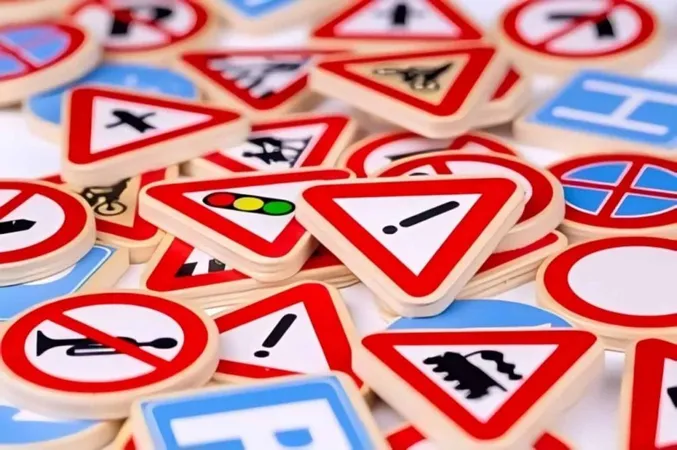
- Traffic signs and signals
- Right-of-way rules
- Safe driving habits
- How to keep your vehicle in good shape
Importance of Passing the Test
Passing the test is crucial for many reasons. It shows you know how to drive safely, lowering the chance of accidents. Also, you need a valid driver’s license for daily tasks like going to work, shopping, and using services.
If you don’t pass the minnesota road signs test, you can’t legally drive. This could lead to fines or other penalties. By understanding the test’s importance and studying well, you can pass on your first try and get your minnesota driver’s license.

Review the Minnesota Driver’s Manual
MN (Minnesota Driver’s License) Test Preparation Tips
Passing the Minnesota driver’s license test needs good preparation and practice. We’ve put together a set of tips to help you prepare.
The Minnesota Driver’s Manual is key for learning the road rules and getting ready for the written test. Make sure to review it well, focusing on traffic signs, right-of-way rules, safe driving, and how to operate a vehicle.
Take Practice Tests
Practice is key for the mn (minnesota driver’s license) test. Use many minnesota license practice test options online or on the Minnesota Department of Public Safety (DPS) website. These tests will get you used to the exam’s format and content. They’ll also show you where you need to study more.
Familiarize Yourself with Road Signs and Traffic Laws
The minnesota dmv test and minnesota driving test will check your knowledge of road signs and traffic laws. Learn the different road signs, what they mean, and what to do when you see them. Also, study Minnesota’s traffic laws, like speed limits, lane rules, and who goes first at crossroads.
Practice Safe Driving Habits
The minnesota permit test and minnesota road rules test test your written knowledge. But the minnesota license renewal test also looks at your driving skills. Work on safe driving habits, like keeping a safe speed, signaling turns, and staying alert. Think about taking a defensive driving course or practicing with a licensed driver to get better.

Stay Organized and Focused
Having a study plan, setting goals, and staying organized can really help you pass the minnesota dmv knowledge test and minnesota permit exam. Make sure to review enough, take breaks, and keep yourself motivated during preparation.
By using these mn (minnesota driver’s license) test tips, you’ll be ready to pass the Minnesota driver’s license exam with confidence and ease.
MN: Pros and Cons
- +MN exam preparation strengthens your knowledge across all domains
- +Passing the exam proves competency to employers and clients
- +Study materials and practice tests are widely available
- +Exam-based credentials are portable across states and employers
- +Clear exam objectives help focus your study plan effectively
- −Exam anxiety can affect performance — practice tests help reduce it
- −Registration fees are non-refundable if you miss your test date
- −Limited retake opportunities may apply with waiting periods
- −Exam content updates periodically — use current study materials
- −Testing center availability may require advance scheduling
Pros and Cons at a Glance
| Pros | Cons |
|---|---|
| MN exam preparation strengthens your knowledge across all domains | Exam anxiety can affect performance — practice tests help reduce it |
| Passing the exam proves competency to employers and clients | Registration fees are non-refundable if you miss your test date |
| Study materials and practice tests are widely available | Limited retake opportunities may apply with waiting periods |
| Exam-based credentials are portable across states and employers | Exam content updates periodically — use current study materials |
| Clear exam objectives help focus your study plan effectively | Testing center availability may require advance scheduling |
Sample MN - Minnesota Driver's License Practice Questions
Try these questions from our free MN - Minnesota Driver's License practice tests. The correct answer and an explanation follow each question.
You may pass another vehicle if the line dividing your lane from the lane you wish to enter is a ____ line.
- A. Broken white
- B. Double solid yellow
- C. Solid yellow
- D. Solid white
Answer: A. Broken white
A broken white line dividing lanes of traffic indicates that you may pass another vehicle if it is safe to do so. This type of lane marking signifies that crossing the line is permitted for passing or changing lanes, unlike solid lines which restrict such maneuvers.
If your vehicle goes into a skid on ice, you should:
- A. Steer in the direction you want the vehicle to go and ease off the gas
- B. Brake firmly and steer opposite to the skid
- C. Accelerate to regain traction
- D. Turn the wheel sharply in the opposite direction
Answer: A. Steer in the direction you want the vehicle to go and ease off the gas
To correct a skid, steer in the direction you want to go and ease off the accelerator — do not brake sharply.
Parallel parking requires your vehicle to be within how many inches of the curb?
- A. 12 inches
- B. 6 inches
- C. 18 inches
- D. 24 inches
Answer: A. 12 inches
Minnesota requires a vehicle parked parallel to the curb to be within 12 inches of the curb.
What is the basic speed law in Minnesota?
- A. Drive at a speed that is reasonable and prudent for conditions
- B. Always drive at the posted speed limit regardless of conditions
- C. Maintain a minimum of 20 mph on all public roads
- D. Speed limits only apply during daylight hours
Answer: A. Drive at a speed that is reasonable and prudent for conditions
Minnesota's basic speed law requires drivers to travel at a speed that is safe and reasonable for existing conditions.
(MN) Minnesota Driver's License Questions and Answers
Sources & last verified
- Minnesota Department of Public Safety – Driver and Vehicle Services — number of questions, passing score, retake fee, retake policy (official source). “The written test includes multiple choice and true-or-false questions that assess your knowledge of Minnesota traffic laws and road signs.” Verified Oct 21, 2026.
- Minnesota Department of Public Safety – Driver and Vehicle Services — exam fee (official source). “Class D $46 Class D, renewal $41” Verified Oct 21, 2026.
How we verify: editorial & fact-checking policy. Report an error: contact us.
How this page was made: written with AI tools and published by Nathan Beja, founder of Practice Test Geeks, who is responsible for its content. Exam facts are checked against the official sources listed below. Not reviewed by a subject-matter expert. Editorial policy
Sources & references
Exam facts on this page (fees, format, dates, passing scores) are checked against these official sources; the date is our last check. Editorial policy
- assets.dps.mn.gov — Test delivery, exam format, passing score, registration, renewal, retake fee, retake policy, score validity · verified Oct 2026
- dps.mn.gov — Fees · verified Oct 2026