
Mastering the AMLS Test: A Comprehensive Guide to Advanced Medical Life Support Certification
❓ Boost your Mastering the AMLS exam score with practice questions and detailed answer explanations. Track progress with instant feedback.

Advanced Medical Life Support (AMLS) is a critical certification for emergency medical professionals that equips them with the advanced skills needed to assess and manage patients in life-threatening situations. The AMLS test is designed to evaluate a participant’s ability to apply advanced pre-hospital care techniques effectively in complex medical emergencies. Whether you're an EMT, paramedic, or medical professional looking to enhance your expertise, passing the AMLS exam is an important step in advancing your medical career. This article provides a comprehensive guide to help you succeed in the AMLS test and understand the essential concepts you need to master.

What is the AMLS Test?
The AMLS test is an assessment used to gauge a medical professional's knowledge and skills in handling various pre-hospital life support emergencies. The test is focused on the medical aspects of emergency care, particularly in cases such as cardiac arrest, respiratory distress, stroke, and trauma. It involves theoretical knowledge and practical skills, which are essential for effective patient care in the field.
The AMLS test is typically offered by various medical organizations, and it follows a structured course that includes classroom lectures, hands-on training, and scenario-based assessments. The certification process culminates in a written exam and, in some cases, a practical test.
The Blog exam uses a multiple-choice format with questions covering all major domains. Most versions allow 2-3 hours for completion.
Questions test both knowledge recall and application skills. A score of 70-75% is typically required to pass.
Key Concepts Covered in the AMLS Test
The AMLS test covers several critical areas related to emergency medical care, including but not limited to:
Assessment and Diagnosis: Understanding the patient’s condition is vital for providing the right treatment. The AMLS test assesses your ability to accurately assess and diagnose various medical emergencies.
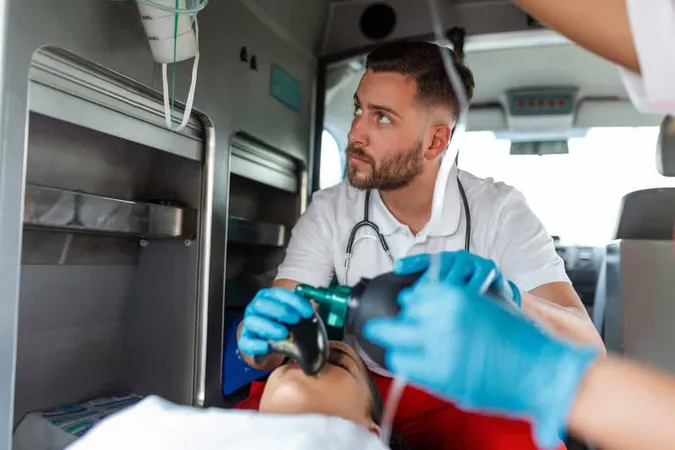
Airway Management and Ventilation: Airway management is one of the most crucial aspects of advanced life support. You’ll be tested on your knowledge and skills in securing the airway, performing ventilations, and using advanced airway devices.
Cardiac Care: Responding to cardiac emergencies, including arrhythmias, myocardial infarctions, and cardiac arrest, is a critical component of the AMLS test. The course covers protocols for using defibrillators, administering drugs, and managing post-resuscitation care.
Respiratory Support: The AMLS course delves deeply into assessing respiratory distress and implementing effective interventions such as positive pressure ventilation and advanced oxygenation techniques.
Trauma Management: The AMLS test also covers trauma scenarios, including head injuries, fractures, and bleeding. Proper management techniques are crucial for stabilizing patients until they can be transferred to definitive care.
Neurological Assessment: Stroke, seizures, and other neurological conditions require prompt and effective management. The test examines your knowledge of neurological assessments, treatment protocols, and prioritizing interventions.
Pharmacology in Pre-Hospital Care: Administering the right medications is a cornerstone of advanced life support. The AMLS course reviews pharmacological interventions commonly used in emergencies and assesses your ability to select appropriate treatments.
PHTLS candidates often also prepare with our ITLS practice test — both are prehospital trauma life support certifications covering patient assessment, airway management, and hemorrhage control.
UMTYMP candidates often also prepare with our AMC 8 practice test to sharpen the advanced algebra and problem-solving skills both gifted math programs assess.
UMTYMP test candidates often also prepare with our CogAT practice test to sharpen the quantitative and abstract reasoning skills both gifted and talented math programs assess.
Those studying financial planning credentials often supplement their preparation with the Certified Financial Manager (CFM) Practice Test 2026, which reinforces core financial analysis and risk management principles.
Blog Key Concepts
What is the passing score for the Blog exam?
Most Blog exams require 70-75% to pass. Check the official exam guide for exact requirements.
How long is the Blog exam?
The Blog exam typically allows 2-3 hours. Time management is critical for success.
How should I prepare for the Blog exam?
Start with a diagnostic test, create a 4-8 week study plan, and take at least 3 full practice exams.
What topics does the Blog exam cover?
The Blog exam covers multiple domains. Review the official content outline for the complete list.
How to Prepare for the AMLS Test
Successfully passing the AMLS exam requires thorough preparation. Here are a few strategies to help you prepare:
Study the Course Material Thoroughly: Review the course material provided by the AMLS training program. This includes lectures, textbooks, and study guides that focus on all the key concepts covered in the test.
Practice Skills in Simulated Scenarios: Practical skills are vital for passing the AMLS test. Take the opportunity to participate in hands-on practice and simulated scenarios to hone your skills in a controlled environment.
Take Practice Tests: Familiarizing yourself with the test format can be highly beneficial. Take practice tests, such as those offered through resources like AMLS test prep, to get a sense of the types of questions you might encounter.
Review Past Exam Questions: Reviewing previous exam questions can give you insights into the types of topics that are likely to appear on the test. Focus on questions related to assessment, diagnosis, and treatment interventions.
Stay Up-to-Date with Guidelines: The medical field is constantly evolving, and so are the protocols and guidelines for emergency care. Ensure that you are up-to-date with the latest clinical guidelines and practices related to AMLS.

Test Structure and Format
The AMLS test typically consists of two main parts: a written exam and a practical skills assessment. The written exam assesses theoretical knowledge, including the understanding of various medical conditions and their management, while the practical test evaluates how well you can apply this knowledge in real-world emergency scenarios.
The written exam usually includes multiple-choice questions that focus on key medical concepts, while the practical test involves role-playing scenarios where you must demonstrate your ability to handle specific emergency situations. Both parts are critical for earning the AMLS certification.
Why is AMLS Important for Medical Professionals?
AMLS certification is recognized as a standard for advanced pre-hospital care. It helps medical professionals improve their ability to make life-saving decisions in high-pressure environments. By mastering the concepts covered in the AMLS test, you ensure that you are well-equipped to provide the highest level of care to patients during emergencies.
Moreover, obtaining AMLS certification is often a requirement for certain roles in emergency medical services (EMS). It demonstrates your expertise in handling complex medical emergencies, which can lead to career advancement and greater job security in the EMS field.
Useful Resources for AMLS Test Preparation
If you are looking for additional resources to aid your AMLS test prep, consider the following:
ATLS Practice Test Exam – If you’re interested in expanding your skills, the ATLS (Advanced Trauma Life Support) test prep materials provide an additional layer of expertise.
Basic Life Support – While AMLS is a more advanced course, it’s always beneficial to ensure your Basic Life Support (BLS) knowledge is up-to-date. This resource provides BLS test prep materials.
American Heart Association - BLS Guidelines – The CDC offers updated guidelines and practices for life support training, which are vital for both AMLS and BLS certifications.
Conclusion
The AMLS test is a challenging yet crucial step in becoming an expert in advanced medical life support. By thoroughly understanding the test's structure, familiarizing yourself with the core concepts, and using the right resources for preparation, you can successfully navigate the AMLS exam and enhance your medical career. Remember, consistent study, hands-on practice, and staying up-to-date with clinical guidelines are essential to your success.
- +Industry-recognized credential boosts your resume
- +Higher earning potential (10-20% salary increase on average)
- +Demonstrates commitment to professional development
- +Opens doors to advanced career opportunities
- −Exam preparation requires significant time investment (4-8 weeks)
- −Certification fees can be $100-$400+
- −May require continuing education to maintain
- −Some employers may not require certification
Blog Questions and Answers
About the Author

Educational Psychologist & Academic Test Preparation Expert
Columbia University Teachers CollegeDr. Lisa Patel holds a Doctorate in Education from Columbia University Teachers College and has spent 17 years researching standardized test design and academic assessment. She has developed preparation programs for SAT, ACT, GRE, LSAT, UCAT, and numerous professional licensing exams, helping students of all backgrounds achieve their target scores.