

Licensed Electrical Contractor Practice Test
Updated for September 2026Becoming a Licensed Electrical Contractor is a rewarding career path that requires significant preparation and education. Whether you're aiming to start your own business or work for an established company, earning a license as an electrical contractor demonstrates your expertise, commitment, and ability to meet industry standards. This article will guide you through the necessary steps to become a licensed electrical contractor, including education, experience, exams, and more.
Free Electrical Contractor Practice Test Online
Key Takeaways:
Becoming a licensed electrical contractor requires formal education, apprenticeship, and successful completion of a licensing exam.
Hands-on experience and practical knowledge of electrical systems are critical components of the licensing process.
A licensed electrical contractor can enjoy better job opportunities, higher pay, and increased credibility within the industry.
Licensing requirements vary by state, so it’s important to research your local regulations.
Licensed Electrical Contractor Practice Test Questions
Prepare for the Licensed Electrical Contractor exam with our free practice test modules. Each quiz covers key topics to help you pass on your first try.
Licensed Electrical Contractor Electrical ...
Licensed Electrical Contractor Exam Questions covering Electrical Contractor Electrical Codes & Standards. Master Licensed Electrical Contractor Test concepts for certification prep.
Licensed Electrical Contractor Electrical ...
Free Licensed Electrical Contractor Practice Test featuring Electrical Contractor Electrical System Design & Installation. Improve your Licensed Electrical Contractor Exam score with mock test prep.
Licensed Electrical Contractor Electrical ...
Licensed Electrical Contractor Mock Exam on Electrical Contractor Electrical Theory & Fundamentals. Licensed Electrical Contractor Study Guide questions to pass on your first try.
Licensed Electrical Contractor Electrical ...
Licensed Electrical Contractor Test Prep for Electrical Contractor Troubleshooting & Maintenance. Practice Licensed Electrical Contractor Quiz questions and boost your score.
Licensed Electrical Contractor Business an...
Licensed Electrical Contractor Questions and Answers on Business and Law Principles. Free Licensed Electrical Contractor practice for exam readiness.
Licensed Electrical Contractor Code, Theor...
Licensed Electrical Contractor Mock Test covering Code, Theory, and Calculations. Online Licensed Electrical Contractor Test practice with instant feedback.
Licensed Electrical Contractor Grounding a...
Free Licensed Electrical Contractor Quiz on Grounding and Bonding. Licensed Electrical Contractor Exam prep questions with detailed explanations.
Licensed Electrical Contractor Safety and ...
Licensed Electrical Contractor Practice Questions for Safety and OSHA Regulations. Build confidence for your Licensed Electrical Contractor certification exam.
Licensed Electrical Contractor Services, F...
Licensed Electrical Contractor Test Online for Services, Feeders, and Branch Circuits. Free practice with instant results and feedback.
Licensed Electrical Contractor Special Occ...
Licensed Electrical Contractor Study Material on Special Occupancies and Equipment. Prepare effectively with real exam-style questions.
Licensed Electrical Contractor Branch Circ...
Free Licensed Electrical Contractor Test covering Branch Circuit Calculations. Practice and track your Licensed Electrical Contractor exam readiness.
Licensed Electrical Contractor Business an...
Licensed Electrical Contractor Exam Questions covering Business and Law Practices. Master Licensed Electrical Contractor Test concepts for certification prep.
Licensed Electrical Contractor Business La...
Free Licensed Electrical Contractor Practice Test featuring Business Law and Safety. Improve your Licensed Electrical Contractor Exam score with mock test prep.
Licensed Electrical Contractor Electrical ...
Licensed Electrical Contractor Mock Exam on Electrical Codes & Standards. Licensed Electrical Contractor Study Guide questions to pass on your first try.
Licensed Electrical Contractor Electrical ...
Licensed Electrical Contractor Test Prep for Electrical System Design & Installation. Practice Licensed Electrical Contractor Quiz questions and boost your score.
Licensed Electrical Contractor Electrical ...
Licensed Electrical Contractor Questions and Answers on Electrical Theory & Fundamentals. Free Licensed Electrical Contractor practice for exam readiness.
Licensed Electrical Contractor FREE Licens...
Licensed Electrical Contractor Mock Test covering FREE Licensed Electrical Contractor Business and Law Principles Questions and Answers. Online Licensed Electrical Contractor Test practice with instant feedback.
Licensed Electrical Contractor FREE Licens...
Free Licensed Electrical Contractor Quiz on FREE Licensed Electrical Contractor Code, Theory, and Calculations Questions and Answers. Licensed Electrical Contractor Exam prep questions with detailed explanations.
Licensed Electrical Contractor FREE Licens...
Licensed Electrical Contractor Practice Questions for FREE Licensed Electrical Contractor Grounding and Bonding Questions and Answers. Build confidence for your Licensed Electrical Contractor certification exam.
Licensed Electrical Contractor FREE Licens...
Licensed Electrical Contractor Test Online for FREE Licensed Electrical Contractor Safety and OSHA Regulations Questions and Answers. Free practice with instant results and feedback.
Licensed Electrical Contractor FREE Licens...
Licensed Electrical Contractor Study Material on FREE Licensed Electrical Contractor Services, Feeders, and Branch Circuits Questions and Answers. Prepare effectively with real exam-style questions.
Licensed Electrical Contractor FREE Licens...
Free Licensed Electrical Contractor Test covering FREE Licensed Electrical Contractor Special Occupancies and Equipment Questions and Answers. Practice and track your Licensed Electrical Contractor exam readiness.
Licensed Electrical Contractor Branch Circ...
Licensed Electrical Contractor Exam Questions covering Licensed Electrical Contractor Branch Circuit Calculations Questions and Answers. Master Licensed Electrical Contractor Test concepts for certification prep.
Licensed Electrical Contractor Business an...
Free Licensed Electrical Contractor Practice Test featuring Licensed Electrical Contractor Business and Law Practices Questions and Answers. Improve your Licensed Electrical Contractor Exam score with mock test prep.
Licensed Electrical Contractor Business La...
Licensed Electrical Contractor Mock Exam on Licensed Electrical Contractor Business Law and Safety Questions and Answers. Licensed Electrical Contractor Study Guide questions to pass on your first try.
Licensed Electrical Contractor Grounding a...
Licensed Electrical Contractor Test Prep for Licensed Electrical Contractor Grounding and Bonding Questions and Answers. Practice Licensed Electrical Contractor Quiz questions and boost your score.
Licensed Electrical Contractor Load Calcul...
Licensed Electrical Contractor Questions and Answers on Licensed Electrical Contractor Load Calculation and Services Questions and Answers. Free Licensed Electrical Contractor practice for exam readiness.
Licensed Electrical Contractor Motors and ...
Licensed Electrical Contractor Mock Test covering Licensed Electrical Contractor Motors and Motor Controls Questions and Answers. Online Licensed Electrical Contractor Test practice with instant feedback.
Licensed Electrical Contractor NEC General...
Free Licensed Electrical Contractor Quiz on Licensed Electrical Contractor NEC General Requirements Questions and Answers. Licensed Electrical Contractor Exam prep questions with detailed explanations.
Licensed Electrical Contractor OSHA Safety...
Licensed Electrical Contractor Practice Questions for Licensed Electrical Contractor OSHA Safety Standards Questions and Answers. Build confidence for your Licensed Electrical Contractor certification exam.
Licensed Electrical Contractor Special Occ...
Licensed Electrical Contractor Test Online for Licensed Electrical Contractor Special Occupancies and Equipment Questions and Answers. Free practice with instant results and feedback.
Licensed Electrical Contractor Wiring Meth...
Licensed Electrical Contractor Study Material on Licensed Electrical Contractor Wiring Methods and Materials Questions and Answers. Prepare effectively with real exam-style questions.
Licensed Electrical Contractor Load Calcul...
Free Licensed Electrical Contractor Test covering Load Calculation and Services. Practice and track your Licensed Electrical Contractor exam readiness.
Licensed Electrical Contractor Motors and ...
Licensed Electrical Contractor Exam Questions covering Motors and Motor Controls. Master Licensed Electrical Contractor Test concepts for certification prep.
Licensed Electrical Contractor NEC Code Re...
Free Licensed Electrical Contractor Practice Test featuring NEC Code Requirements. Improve your Licensed Electrical Contractor Exam score with mock test prep.
Licensed Electrical Contractor NEC General...
Licensed Electrical Contractor Mock Exam on NEC General Requirements. Licensed Electrical Contractor Study Guide questions to pass on your first try.
Licensed Electrical Contractor OSHA Safety...
Licensed Electrical Contractor Test Prep for OSHA Safety Standards. Practice Licensed Electrical Contractor Quiz questions and boost your score.
Licensed Electrical Contractor Transformer...
Licensed Electrical Contractor Questions and Answers on Transformers and Transformer Calculations. Free Licensed Electrical Contractor practice for exam readiness.
Process of Becoming a Licensed Electrical Contractor
-
Understanding the Role of a Licensed Electrical Contractor A licensed electrical contractor is a professional responsible for managing and overseeing electrical installations, repairs, and maintenance in residential, commercial, or industrial environments. This individual is well-versed in electrical systems and wiring, local electrical codes, and safety standards. Becoming licensed ensures that contractors have the expertise to complete electrical work safely and in compliance with state and local regulations.
Educational Requirements for Becoming a Licensed Electrical Contractor
Candidates preparing for trade certification exams may also benefit from the IBEW Aptitude Test 2026, which evaluates the electrical and mechanical reasoning skills valued across the electrical trades.
- High School Diploma or GED: The first step in becoming an electrical contractor is to complete your high school education or obtain a GED. High school courses in mathematics, physics, and electrical technology can provide a solid foundation for your future education.
- Formal Training and Education: Many aspiring electrical contractors attend a trade school or community college to gain formal education in electrical systems and theory. These programs typically cover topics such as wiring, circuit design, electrical code, safety protocols, and electrical troubleshooting.
- Apprenticeship: Gaining Hands-On Experience After completing educational requirements, aspiring electrical contractors must complete an apprenticeship program. This typically lasts 4 to 5 years and combines on-the-job training with classroom instruction. Apprentices work under the supervision of experienced electricians and gain hands-on experience in installing, maintaining, and repairing electrical systems. Apprenticeships are essential for gaining the practical knowledge required to pass the licensing exam.
-
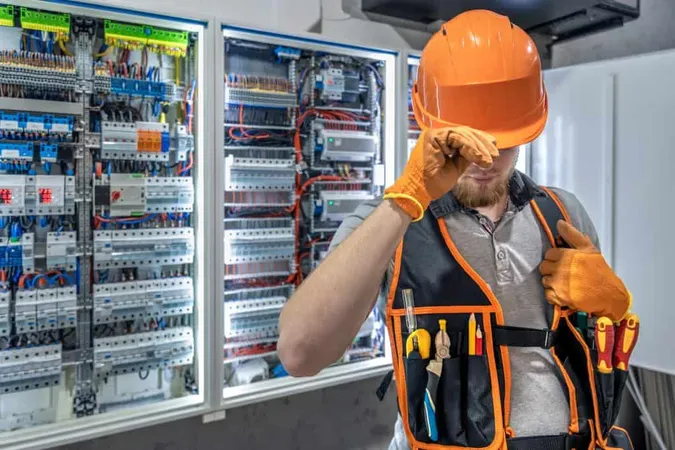
- Passing the Licensing Exam Each state has its own licensing requirements for electrical contractors, but most require candidates to pass a comprehensive exam that covers topics such as electrical theory, local electrical codes, and safety procedures. The exam may also include practical components, testing your ability to perform electrical work according to code. Study materials, practice tests, and review courses can help you prepare for the exam.
- Obtaining Insurance and Bonding In addition to completing education, training, and exams, licensed electrical contractors are often required to carry insurance and bonding to protect both themselves and their clients. Insurance protects against accidents, property damage, and worker injuries, while bonding provides a financial guarantee that the contractor will complete the job according to the contract.
- State-Specific Licensing Requirements Licensing requirements vary by state, so it’s important to research the specific rules and regulations in the state where you plan to work. Some states have different categories of licenses, such as master electrician, journeyman electrician, or contractor. Be sure to understand what is required for each level of certification.
Conclusion
Becoming a licensed electrical contractor takes time, effort, and dedication. By completing formal education, gaining hands-on experience through an apprenticeship, passing the licensing exam, and fulfilling state-specific requirements, you can achieve the credentials needed to start a rewarding career in the electrical industry. With a valid license, you'll open doors to higher-paying job opportunities and increased credibility in the field.
FAQs
How long does it take to become a licensed electrical contractor? Becoming a licensed electrical contractor typically takes about 4 to 5 years, including the completion of formal education, an apprenticeship program, and passing the licensing exam.
Do I need a degree to become an electrical contractor? A degree is not required to become an electrical contractor, but completing a formal training program from a trade school or community college can be highly beneficial.
What is the difference between a journeyman and a master electrician? A journeyman electrician has completed an apprenticeship and passed the licensing exam, while a master electrician has additional experience and has passed a more advanced exam. Master electricians are often qualified to own their own contracting business.
Can I start my own business as a licensed electrical contractor? Yes, once you obtain the necessary license, experience, and insurance, you can start your own electrical contracting business. Many licensed electrical contractors choose this path to have more control over their work and earn a higher income.
How much can I earn as a licensed electrical contractor? The salary of a licensed electrical contractor varies depending on location, experience, and type of work, but it can be a highly lucrative profession. On average, electrical contractors can earn between $50,000 and $100,000 per year or more.

Licensed Electrical Contractor: Pros and Cons
- +lec — licensed Electrical Contractor credential is recognized by employers and industry professionals
- +Higher earning potential compared to non-credentialed peers
- +Expanded career opportunities and professional advancement
- +Structured learning path builds comprehensive knowledge
- +Professional development that stays current with industry standards
- −Preparation requires significant time and study commitment
- −Associated costs for exams, materials, and renewal fees
- −Continuing education needed to maintain credentials
- −Competition for advanced positions can be challenging
- −Requirements and standards may vary by state or region
About the Author

Licensed Master Electrician & Journeyman Exam Specialist
Texas State Technical CollegeFrank Rodriguez is a licensed master electrician with a Bachelor of Science in Electrical Technology from Texas State Technical College. He has 20 years of commercial and industrial electrical contracting experience and 10 years teaching apprenticeship and licensing exam prep programs. Frank specializes in NEC code mastery, load calculations, and electrical theory for journeyman and master electrician candidates.
Join the Discussion
Connect with other students preparing for this exam. Share tips, ask questions, and get advice from people who have been there.
View discussion (7 replies)