
Library Science Topics: Complete Guide to What You'll Study in an MLS Program
Explore core library science topics covered in MLS programs — cataloging, archives, digital services & more. 📚 Build your career foundation.

Library science topics form the intellectual and practical foundation of every Master of Library Science (MLS) or Master of Library and Information Science (MLIS) degree program in the United States. From organizing vast print collections to building digital repositories that serve millions of users, the curriculum spans disciplines as diverse as database architecture, cultural heritage preservation, data ethics, and community outreach. Understanding these core subjects before enrolling—or before sitting for a professional certification exam—gives you a significant advantage in planning your coursework, targeting your elective choices, and launching a rewarding career.
The modern library is far more than a storehouse of books. It is a dynamic information ecosystem that connects researchers, students, job seekers, and lifelong learners with the resources they need in formats that meet them where they are. Library science programs are designed to teach future information professionals how to manage, organize, curate, and provide equitable access to knowledge across physical and digital environments. Whether your goal is to work in a public library, an academic research institution, a corporate archive, or a government records office, the same foundational library science topics appear in virtually every accredited curriculum.
Cataloging and classification sit at the heart of library science education. Students learn international standards such as Resource Description and Access (RDA) and the Machine-Readable Cataloging (MARC) format that enable library systems around the world to share and exchange bibliographic records seamlessly. Without consistent descriptive practices, even the most expansive collection becomes impossible to navigate. Modern catalogers also work with linked data frameworks like the Functional Requirements for Bibliographic Records (FRBR) model and the emerging Library Reference Model (LRM), bridging traditional practice with next-generation discovery systems.
Archives and special collections represent another pillar of library science study. Archivists learn to appraise, arrange, describe, and preserve primary source materials—from handwritten letters and photographic prints to born-digital records and audiovisual media. Archival theory draws on the principles of provenance and original order, ensuring that records retain their contextual meaning. Special collections librarians often manage rare books, manuscripts, and unique institutional records that require specialized handling, environmental controls, and carefully designed access policies that balance preservation with scholarly use.
Information technology has become inseparable from library practice. Modern MLS programs devote substantial attention to database design, metadata schemas, digital asset management, and library systems administration. Students gain hands-on experience with integrated library systems (ILS), discovery layers, and open-source platforms such as Koha and EveryLibrary. Increasingly, programs also introduce machine learning concepts, natural language processing, and data visualization tools that allow librarians to analyze patron behavior, optimize collections, and demonstrate impact to funding stakeholders through evidence-based metrics.
Reference and information services teach the interpersonal and analytical skills librarians use every day at the reference desk, in virtual chat environments, and in embedded roles within classrooms or research teams. Students study the reference interview—a structured conversation technique that helps surface the patron's true information need rather than their initial surface-level question. They also explore information literacy instruction, learning how to design lessons and workshops that teach patrons to evaluate sources, formulate research strategies, and navigate complex databases confidently.
Collection development and management rounds out the introductory survey of what library science programs cover. Selection policies, vendor negotiation, consortial purchasing agreements, and weeding criteria all fall under this umbrella. Students analyze usage statistics, apply community needs assessments, and grapple with intellectual freedom challenges such as challenges to materials and balanced acquisition across diverse perspectives. Together, these interrelated library science topics equip graduates to serve any type of information community with competence, creativity, and ethical integrity.
Library Science by the Numbers

Core Curriculum Areas in Library Science Programs
Covers cataloging standards (RDA, MARC, Dublin Core), classification systems (Dewey, LC), and metadata schemas. Students learn to create records that enable discovery across physical and digital collections in local and networked environments.
Teaches the reference interview, database searching, information literacy instruction, and virtual reference tools. Students practice serving diverse patron populations in public, academic, school, and special library contexts with accuracy and empathy.
Explores appraisal, arrangement, description, and preservation of physical and digital records. Archival theory, conservation techniques, digitization workflows, and born-digital records management are central components of this curriculum area.
Addresses budgeting, personnel management, strategic planning, facilities, and community advocacy. Students learn to lead library organizations through change, make data-driven decisions, and secure funding from government and private sources.
Focuses on ILS platforms, digital repository software, web accessibility, and emerging technologies. Students gain practical skills in linked data, APIs, data analysis, and user experience design for modern library discovery systems.
Cataloging and classification deserve a deeper examination because they underpin virtually every other library function. Without accurate, standardized bibliographic records, patrons cannot discover materials, interlibrary loan cannot function efficiently, and collection managers cannot make data-driven decisions. The shift from card catalogs to Online Public Access Catalogs (OPACs) in the 1980s and 1990s was significant, but the move toward linked open data and semantic web technologies in the 2020s is equally revolutionary. Today's catalogers must understand not only traditional MARC fields but also Resource Description Framework (RDF) triples, ontologies, and schema.org vocabularies.
The Library of Congress Classification (LCC) system and the Dewey Decimal Classification (DDC) system represent the two dominant organizational frameworks taught in American MLS programs. LCC divides knowledge into 21 broad classes identified by letters, then further subdivides using alphanumeric notation. Academic and research libraries overwhelmingly use LCC because its granularity supports large, specialized collections. DDC, by contrast, uses a purely numeric notation organized around ten main classes and is preferred by most public and school libraries because of its intuitive structure and global adoption in over 200,000 institutions worldwide.
Subject headings—particularly the Library of Congress Subject Headings (LCSH) and the Sears List of Subject Headings—are equally critical topics in any cataloging course. Students learn to assign headings that accurately represent a work's content using controlled vocabulary, which dramatically improves search recall and precision compared to free-text keyword searching alone. The intersection of LCSH with natural language processing is an active research frontier: algorithms can now suggest candidate headings for new acquisitions, but trained catalogers still provide essential quality control, especially for ambiguous or interdisciplinary works.
Authority control is another foundational concept that MLS students encounter early and return to throughout their careers. Authority files—maintained by the Library of Congress, the Virtual International Authority File (VIAF), and other national bodies—ensure that a given person, organization, or topic is represented by a single, standardized form of name across all catalog records.
Without authority control, a search for works by a prolific author might miss dozens of records cataloged under variant name spellings. The transition to BIBFRAME (Bibliographic Framework), the Linked Data successor to MARC, is making authority control even more powerful by connecting library records to the broader web of open data.
Metadata beyond the library world is also a growing focus. Many MLS graduates work in museums, archives, corporate content management systems, publishing companies, and government agencies where Dublin Core, EAD (Encoded Archival Description), MODS (Metadata Object Description Schema), and proprietary schemas are standard tools. Understanding how different metadata standards interoperate—and how crosswalks can map fields from one schema to another—is a practical skill that opens career paths far beyond the traditional library setting and reflects the increasingly interdisciplinary nature of modern information work.
The cataloging curriculum also addresses ethical dimensions that have gained new urgency in recent years. Traditional subject heading schemes sometimes embedded outdated, offensive, or inaccurate terminology that marginalized communities found harmful. Library science programs now teach students to identify problematic language in controlled vocabularies, advocate for more inclusive terminology, and use locally assigned subject headings where standard tools fall short. Initiatives like the Cataloging Lab and the Homosaurus (an LGBTQ+ linked data vocabulary) represent practitioner-led efforts to make library catalogs more reflective of diverse patron communities and the full range of human experience.
Practical cataloging coursework typically involves hands-on exercises using OCLC Connexion, the world's largest shared cataloging database with over 500 million records. Students learn to search WorldCat for existing records to copy and enhance, to create original records when none exist, and to apply the Program for Cooperative Cataloging (PCC) standards that govern high-quality shared records. These skills translate directly to day-one competency in nearly any library job, making cataloging one of the most immediately marketable components of an MLS education and a topic that rewards thorough study both in coursework and through supplemental practice resources.
Archives, Digital Libraries, and Information Technology
Archival science is built on two foundational principles: provenance (keeping records from the same creator together) and original order (maintaining the arrangement established by the creator). These principles preserve the evidential and contextual value of records that would be lost if materials were reorganized by subject or format. MLS students study appraisal methodologies—the process of determining which records have long-term historical, legal, fiscal, or evidential value worthy of permanent retention—and learn how to document their decisions in written appraisal reports that justify what is kept and what is destroyed.
Special collections management adds another layer of complexity: rare and unique materials require conservation assessments, climate-controlled storage environments, and access restrictions that balance preservation with scholarly use. Students learn to write finding aids—detailed descriptive documents that guide researchers through a collection's contents—using the Describing Archives: A Content Standard (DACS) and encoding them in EAD XML for web publication. Digitization projects, rights clearance, and donor relations are also critical practical skills, since special collections departments often depend on private gifts and grants to acquire and process new materials.

Studying Library Science: Benefits and Challenges to Consider
- +Versatile career options spanning public, academic, school, special, and digital libraries
- +Strong job stability with growing demand for information professionals in all sectors
- +Meaningful community impact through literacy programs, research support, and equitable access initiatives
- +Opportunities to work with advanced technology including AI, data science, and digital preservation
- +Collaborative, mission-driven work environment with a culture of intellectual freedom
- +Nationally portable credentials from ALA-accredited programs recognized by employers everywhere
- −Competitive job market in some specializations, particularly tenure-track academic librarian positions
- −Salaries in public and school libraries often lag behind other master's-level professions
- −Rapid technological change requires continuous professional development and skill updating
- −Some positions require additional certification (e.g., state school library credentials) beyond the MLS
- −Budget constraints in public institutions can limit collection development and programming opportunities
- −Physical demands of shelving, moving collections, and managing facilities can be underestimated
Pros and Cons at a Glance
| Pros | Cons |
|---|---|
| Versatile career options spanning public, academic, school, special, and digital libraries | Competitive job market in some specializations, particularly tenure-track academic librarian positions |
| Strong job stability with growing demand for information professionals in all sectors | Salaries in public and school libraries often lag behind other master's-level professions |
| Meaningful community impact through literacy programs, research support, and equitable access initiatives | Rapid technological change requires continuous professional development and skill updating |
| Opportunities to work with advanced technology including AI, data science, and digital preservation | Some positions require additional certification (e.g., state school library credentials) beyond the MLS |
| Collaborative, mission-driven work environment with a culture of intellectual freedom | Budget constraints in public institutions can limit collection development and programming opportunities |
| Nationally portable credentials from ALA-accredited programs recognized by employers everywhere | Physical demands of shelving, moving collections, and managing facilities can be underestimated |
MLS Student Study Checklist: Essential Library Science Topics
- ✓Master MARC bibliographic record structure including leader, control fields, and variable data fields.
- ✓Practice applying RDA cataloging rules to books, serials, electronic resources, and audiovisual materials.
- ✓Learn Dewey Decimal Classification notation for at least the ten main classes and major subdivisions.
- ✓Study Library of Congress Classification schedules for at least two subject areas relevant to your career goals.
- ✓Understand archival principles of provenance, original order, and the life cycle of records.
- ✓Build fluency with at least one integrated library system such as Koha, Alma, or Sierra.
- ✓Review LCSH subject heading syntax including topical, geographic, and form subdivisions.
- ✓Explore digital preservation frameworks including OAIS, NDSA Levels, and fixity verification workflows.
- ✓Practice the reference interview technique using the RUSA guidelines for behavioral performance.
- ✓Study collection development policy components including selection criteria, weeding standards, and intellectual freedom principles.
Cataloging Skills Are the Most Universally Valued Competency
Surveys of library hiring managers consistently rank cataloging and metadata knowledge as the technical skill most difficult to find in new graduates and most valued at the point of hire. Even librarians who do not work in technical services daily use cataloging concepts when evaluating vendor records, troubleshooting discovery issues, or designing metadata for digital projects. Investing extra study time in MARC, RDA, and classification systems pays dividends across every library career path.
Career paths in library science are far more diverse than the public library model that most people picture when they hear the word "librarian." Academic librarians support university research, teach information literacy courses, manage subject-specific collections, and increasingly serve as embedded consultants within academic departments and research centers. Law librarians maintain specialized collections of legal codes, case reporters, and regulatory materials in law firms, courts, and law schools.
Medical librarians support clinical decision-making, systematic reviews, and patient education in hospital and health sciences library settings. Corporate librarians—sometimes called knowledge managers or information specialists—manage proprietary research, competitive intelligence resources, and document management systems in business environments.
School librarians, often called school library media specialists, hold a uniquely influential role in K-12 education. They collaborate with classroom teachers to design research assignments, curate age-appropriate collections that reflect student diversity, and provide technology instruction that prepares students for college and career information environments. Many states require school librarians to hold both an MLS and a teaching license, creating a dual certification pathway that blends pedagogical training with information science expertise. Research consistently shows that schools with full-time, credentialed library media specialists achieve stronger reading scores and better academic outcomes across grade levels.
Government librarianship encompasses a wide range of roles in federal, state, and local agencies. The Library of Congress, the National Library of Medicine, the National Archives and Records Administration, and dozens of cabinet-level agency libraries employ hundreds of information professionals with specialized expertise in legislative research, scientific literature, and government records management. Many federal library positions are classified under the GS-1410 occupational series and require an ALA-accredited degree. State archives and state libraries similarly offer career pathways for professionals interested in government information, digital preservation, and statewide library development programs.
Emerging specializations are attracting a new generation of MLS graduates who want to blend library science with data science, user experience design, or community engagement. Data librarians help researchers manage, document, and share research data sets in compliance with funding agency mandates from the NIH, NSF, and other bodies. UX librarians apply human-centered design methods to redesign library websites, physical spaces, and service workflows. Community engagement librarians focus on outreach to underserved populations, developing programming in food deserts, correctional facilities, and rural areas where traditional library access is limited. These evolving roles demonstrate the remarkable adaptability of library science training.
Salary and compensation vary significantly by library type, geographic region, and career stage. According to the Bureau of Labor Statistics, the median annual wage for librarians was approximately $64,000 in 2024, but the range is wide: entry-level public library positions in rural areas may start below $40,000, while senior academic librarians at research universities and federal government librarians with security clearances can earn well above $90,000. Benefits packages in government and academic settings often include strong retirement plans, generous leave policies, and tuition remission programs that support continuing professional development—compensations that partially offset the salary gap with other master's-level professions.
Professional associations play a crucial role in the library science career ecosystem. The American Library Association (ALA), founded in 1876, is the oldest and largest library association in the world, with over 57,000 members and numerous divisions serving specialized interests including academic libraries (ACRL), public libraries (PLA), and school libraries (AASL). The Society of American Archivists (SAA) serves archival professionals, while the Special Libraries Association (SLA) focuses on corporate and special library settings.
Membership in these organizations provides access to professional development resources, job boards, mentorship programs, and advocacy efforts that shape library funding and policy at state and federal levels.
Networking and mentorship are essential strategies for navigating the library science job market, particularly in competitive academic and special library sectors. Many new graduates find their first positions through practicum and field experience placements arranged during their MLS programs, which is why choosing a program with strong employer partnerships and diverse placement opportunities matters enormously. Attending state and national conferences, volunteering for committee work within professional associations, and building a professional portfolio that documents practical projects—including finding aids, cataloging records, research guides, and program assessments—all contribute to career readiness and set candidates apart in a crowded applicant pool.

Most professional librarian positions in the United States—including all federal government library roles—require an MLS or MLIS degree from an ALA-accredited program. Before enrolling, verify that your target program holds current ALA accreditation, as degrees from unaccredited programs may not qualify you for the positions you want. The ALA maintains an up-to-date list of accredited programs on its website, and accreditation status can change, so check before you apply.
Preparing for library science exams and professional certifications requires a systematic approach to the breadth of topics covered in MLS curricula. Whether you are studying for a graduate school qualifying exam, a state library certification assessment, or simply reinforcing your coursework for job readiness, a structured review strategy will help you retain information more effectively than passive re-reading.
The most successful candidates combine active recall practice with concept mapping, spaced repetition, and timed question sets that simulate real assessment conditions. Understanding not just what the correct answer is but why other options are wrong is especially important for complex cataloging and classification questions.
Cataloging and classification questions typically make up a significant portion of library science assessments. You should be able to identify the purpose and structure of MARC fields—particularly the 1XX, 2XX, 6XX, and 7XX ranges—and explain how RDA instructions differ from the older AACR2 standard in areas such as transcription, relationship designators, and recording of carrier and content types.
Practice identifying correct Dewey numbers for works in unfamiliar subject areas by working through the DDC Relative Index, and study LC Classification schedules for at least the Q (Science), H (Social Sciences), and P (Language and Literature) classes, which appear frequently on assessments.
Archives and special collections questions focus on theory as much as practice. Be prepared to explain the difference between a record group and a series, define the concept of a finding aid and its required elements under DACS, and describe the steps of an archival appraisal.
Born-digital records management is an increasingly tested area: understand the distinction between ingest, normalization, and dissemination information packages within the OAIS model, and know the five levels of digital preservation defined by the National Digital Stewardship Alliance (NDSA). Questions may also address copyright considerations relevant to digitization projects and fair use determinations for educational and preservation purposes.
Reference and information services questions often present scenario-based problems where you must identify the most appropriate resource for a patron's research need or evaluate the quality of a website using established criteria such as authority, accuracy, currency, objectivity, and coverage (the CRAAP test framework, or similar evaluation tools). Know the major ready-reference sources by category: biographical dictionaries, statistical compendia, legal reference tools, geographical sources, and key databases in science, humanities, and social sciences.
Understanding when to refer a patron to a specialist—another librarian, a subject expert, or a different institution—is also a tested professional competency reflecting the collaborative nature of library reference work.
Collection development and management is another tested area that requires knowledge of selection policy components, evaluation criteria for print and electronic resources, and the principles governing gifts and donations. Understand the difference between standing orders and approval plans, know how to interpret COUNTER usage statistics for electronic resources, and be able to articulate the principles of intellectual freedom as codified in the ALA Library Bill of Rights and the Freedom to Read Statement.
Challenges to library materials—requests to remove or restrict access to specific items—are a recurring topic that connects collection management to professional ethics and community relations, making it a rich area for both essay and multiple-choice questions.
Management and administration questions assess your understanding of organizational theory, personnel management, budgeting, and strategic planning in library contexts. Know the major budgeting models (line-item, program, zero-based) and be able to compare their advantages and limitations. Understand principles of motivational theory as applied to library staff supervision, and review the competencies identified by ALA and its divisions for different library roles. Grant writing, fundraising through library foundations, and advocacy with local government bodies are also topics that appear in management-focused assessments, reflecting the resource development responsibilities that real-world library administrators face every day.
The most efficient way to reinforce all of these topic areas is through consistent, deliberate practice with realistic questions that mirror the format and difficulty of actual assessments. Reading textbooks builds conceptual understanding, but answering practice questions reveals the gaps in your knowledge and builds the test-taking stamina needed to perform well under timed conditions.
Reviewing your incorrect answers carefully—understanding not just the right answer but the reasoning behind it—accelerates learning more than simply moving on to new content. Supplementing question practice with study groups, discussion of case studies, and applied projects in your program coursework creates the layered understanding that distinguishes a truly prepared library science professional from one who has only memorized surface-level facts.
Building a practical study plan for library science topics requires honest self-assessment about your current knowledge level and the time you have available before your target deadline. Begin by auditing your familiarity with each major topic area—cataloging, archives, reference, digital libraries, collection management, and administration—and rating your confidence on a simple scale. Areas where you feel least confident deserve the most attention early in your study schedule, before fatigue accumulates and time pressure intensifies. Resist the temptation to review topics you already know well simply because they feel comfortable; that time is better spent on challenging material.
Spaced repetition is one of the most evidence-backed learning strategies available to library science students. Instead of cramming all your cataloging review into a single weekend, distribute it across multiple sessions spaced two to four days apart. Each review session should start with active recall—try to answer questions or explain concepts from memory before checking your notes—rather than passive re-reading.
Digital flashcard tools like Anki can automate the spacing algorithm for you, prioritizing cards you struggle with and reducing review time for concepts you have mastered. Many successful MLS students maintain flashcard decks for MARC fields, Dewey main classes, archival terminology, and key legislation throughout their entire program.
Practice tests are indispensable preparation tools, and taking them under realistic conditions—timed, without notes, in a quiet environment—is far more valuable than open-book review sessions. After completing a practice test, spend at least as much time reviewing the answer explanations as you did taking the test itself.
Pay particular attention to questions you answered correctly by guessing rather than by confident recall; those represent knowledge gaps that will surface again under pressure. Tracking your accuracy by topic area over multiple practice sessions reveals whether your weak areas are improving or persisting, allowing you to adjust your study plan dynamically rather than following a rigid schedule that ignores your actual progress.
Study groups can dramatically accelerate learning when structured effectively. The most productive library science study groups assign each member a different topic to teach to the group each session, using the well-documented learning advantage of explanation over passive review. Discussing ambiguous practice questions, debating the application of cataloging rules to tricky materials, and testing each other on archival terminology builds both knowledge and confidence. Online communities of library science students through Reddit, Discord servers, and ALA student chapters provide additional peer support, shared resources, and encouragement during the demanding final stretch before comprehensive exams or certification assessments.
Connecting theoretical knowledge to real-world application accelerates retention and deepens understanding. Volunteer or intern at a local library, archive, or special collection to observe professional practices firsthand. Ask to watch a cataloger work through original cataloging for a complex item. Shadow a reference librarian during a busy evening shift. Attend a digitization project planning meeting. Each of these experiences transforms abstract textbook concepts into vivid memories anchored to real people, real materials, and real problems. Employers consistently report that candidates who can speak to concrete practical experiences during interviews—not just textbook definitions—stand out as the most prepared and compelling applicants.
Professional reading is another habit that distinguishes strong library science candidates. Journals such as Library Resources and Technical Services (LRTS), The American Archivist, Reference and User Services Quarterly (RUSQ), and Information Technology and Libraries publish peer-reviewed research that extends and updates the topics covered in MLS coursework. Scanning abstracts and reading key articles in your specialization areas keeps your knowledge current and exposes you to the debates, controversies, and emerging best practices that sophisticated interviewers often probe. Even fifteen minutes of professional reading per day, sustained over a semester, accumulates to a meaningful advantage in both examinations and career conversations.
Finally, take care of your physical and mental health during intensive study periods. Library science programs are academically demanding, and the pressure of balancing coursework, practicums, and job searching simultaneously can be significant. Establish consistent sleep and exercise routines, schedule regular breaks during study sessions using techniques like the Pomodoro method, and connect with your program's academic support resources if you encounter persistent struggles.
The resilience and self-management skills you develop while navigating an MLS program are themselves transferable competencies that will serve you well throughout a career in library and information service, where the pace of change shows no signs of slowing down.
Sample Library Science Practice Questions
Try these questions from our free Library Science practice tests. The correct answer and an explanation follow each question.
Which governance body typically provides policy oversight and advocacy for a public library in the US?
- A. Library director
- B. Friends of the Library group
- C. Library board of trustees
- D. State library agency
Answer: C. Library board of trustees
A library board of trustees is the governing body that sets policy, approves budgets, and hires the director for most US public libraries.
What does 'copy cataloging' mean in library practice?
- A. Photocopying catalog cards
- B. Adapting an existing bibliographic record from a shared database
- C. Creating duplicate records for the same item
- D. Cataloging identical copies of the same edition
Answer: B. Adapting an existing bibliographic record from a shared database
Copy cataloging involves finding and adapting an existing bibliographic record (e.g., from OCLC WorldCat) rather than creating one from scratch.
What is a 'threshold concept' as used in the ACRL Framework?
- A. A minimum standard a student must meet to pass a course
- B. A transformative idea that, once understood, fundamentally changes how a learner sees a discipline
- C. A prerequisite library skill for advanced research
- D. The initial concept taught in information literacy instruction
Answer: B. A transformative idea that, once understood, fundamentally changes how a learner sees a discipline
A threshold concept is a transformative, integrative, and often troublesome idea that, once grasped, changes a learner's understanding of a subject irreversibly.
What is a 'SWOT analysis' used for in library strategic planning?
- A. Evaluating individual staff performance
- B. Identifying Strengths, Weaknesses, Opportunities, and Threats facing the library
- C. Assessing the library's collection strengths only
- D. A tool for evaluating reference service quality
Answer: B. Identifying Strengths, Weaknesses, Opportunities, and Threats facing the library
A SWOT analysis is a strategic planning tool that identifies internal Strengths and Weaknesses and external Opportunities and Threats to inform the library's strategic direction.
Library Science Questions and Answers





About the Author
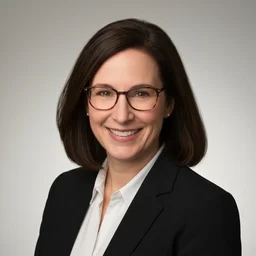
Information Scientist & Library Certification Expert
University of Illinois School of Information SciencesDr. Carol Foster holds a PhD in Library and Information Science and an MLIS from the University of Illinois at Urbana-Champaign. She has 14 years of academic and public library administration experience and specializes in library certification examination preparation, information literacy assessment, and digital resource management for library professionals at all career stages.