
Library Science Degree: MLS, MLIS Programs and Career Guide 2026 September
Pass your Library Science Degree: ✏️ MLS, MLIS exam on the first attempt. Practice questions with detailed answer explanations, hints, and instant scoring.

A library science degree prepares you for a career managing information resources, serving communities, and building knowledge systems across public, academic, school, and special library settings. The field has evolved dramatically with digital technology — today's library professionals curate digital archives, design information literacy programs, manage metadata systems, lead community engagement initiatives, and advocate for equitable access to information. If you care about knowledge, community service, and the intersection of technology and education, a library science degree offers a career with genuine social impact.
The most common credential in the field is the Master of Library Science (MLS) or the closely related Master of Library and Information Science (MLIS). These graduate-level degrees typically take 2 years to complete and are offered by approximately 65 programs in the United States accredited by the American Library Association (ALA). ALA accreditation is effectively required for professional librarian positions in public and academic libraries — most job postings specify ALA-accredited degrees as a minimum qualification. Attending a non-accredited program may limit your career options significantly.
Understanding the degree landscape helps you choose the right program for your goals. Some programs emphasize traditional library services and community librarianship; others focus heavily on information technology, data management, and digital archives. The program name matters less than the curriculum and the specific tracks available — a school offering an MLIS with a strong archival studies track may be a better fit for someone interested in digital preservation than a program called MLS that focuses primarily on public library management.
The transition from paraprofessional to professional librarian is a journey many people make mid-career. Library assistants, library technicians, and circulation staff who discover a passion for information services and community work often pursue the MLS to move into professional roles. If you're in this position, you have an advantage: real-world library experience gives you concrete examples for your personal statement, professional references who know your work, and a clearer sense of what type of library setting and role you want to pursue. Many programs value this experience highly in admission decisions.
The field is also attracting career changers from unrelated backgrounds. Teachers entering the field bring instructional design expertise that's valuable in academic and school libraries. Lawyers and paralegals transition into law librarianship. IT professionals enter as systems librarians and digital archivists. Scientists and engineers move into research data management and subject librarianship in science and engineering libraries. These hybrid professionals often find the fastest paths to advancement because they bring deep subject expertise that pure library science backgrounds lack. If you're changing careers, lean into that background — it's a genuine competitive advantage in specialized library sectors.
One aspect of library science that surprises newcomers is the breadth of management and leadership expectations. Head librarians, department heads, and library directors manage staff, budgets, facilities, vendor contracts, and community stakeholder relationships. Leadership development is woven into MLS curriculum through administration courses, but the practical skills are built through paraprofessional experience, practicum supervision, and early career mentorship. Many library science programs offer leadership tracks, certificate programs in library management, or connections to established mentorship programs through state and national associations that accelerate professional growth.
Admission to ALA-accredited MLS/MLIS programs typically requires a bachelor's degree from an accredited institution, a strong GPA (most competitive programs look for 3.0+), letters of recommendation, a personal statement describing your goals in library science, and sometimes GRE scores (though many programs have dropped this requirement). Prior library experience — even as a library assistant, volunteer, or student worker — strengthens your application considerably and signals genuine commitment to the field.
Curriculum in an MLS or MLIS program covers both foundational theory and practical skills. Core courses typically include Reference Services, Cataloging and Classification, Collection Development, Information Literacy Instruction, Library Administration, and Research Methods in Library and Information Science. Many programs require a practicum or internship — a supervised fieldwork experience in a library or information setting that provides hands-on professional development. The practicum is often where students develop the professional networks and skills that lead directly to their first librarian positions.
Specializations allow you to tailor your degree toward specific career paths. Common specializations include Academic Librarianship, Public Library Services, School Library Media, Archival Studies, Health Sciences Information, Law Librarianship, and Digital Libraries and Metadata. Dual degrees — combining the MLS/MLIS with a JD (law), EdD (education), or subject-area master's degree — are increasingly popular for librarians seeking positions in specialized settings like law libraries, medical centers, or research universities.
Online MLS programs have expanded access significantly. Most major ALA-accredited programs now offer fully online or hybrid formats, making graduate study feasible for working professionals who can't relocate or study full-time. Online programs carry the same ALA accreditation as in-person programs and are generally accepted by employers. If you're evaluating online programs, pay attention to whether they offer synchronous or asynchronous formats, what faculty-student ratios look like, and how the practicum component is managed for remote students.
The reference interview is one of the most distinctly human skills in library science — the ability to draw out what a patron really needs when their initial question is vague or misdirected. A student who asks for materials on the Civil War may actually need primary sources on a specific battle for a particular class assignment. A job seeker asking about resume templates may actually need help with LinkedIn profiles and online application portals. Skilled reference librarians ask clarifying questions, listen carefully, and tailor their assistance to the actual underlying need. This skill, developed through coursework and practicum experience, distinguishes professional librarians from search engine results.
Metadata and cataloging work has evolved significantly with linked data and the transition to RDA (Resource Description and Access) as the content standard for bibliographic description. The MARC format that has underpinned library catalogs for decades is slowly giving way to more flexible linked data approaches like BIBFRAME. Librarians who understand both traditional cataloging and emerging semantic web standards are particularly valuable at large research libraries and national institutions navigating this transition. Even if cataloging isn't your primary interest, a foundational understanding of how bibliographic records are structured helps you design better discovery systems and serve users more effectively.
Collection development decisions have become more complex with the expansion of e-book and streaming content licensing. Physical books are purchased outright — the library owns them permanently. E-books and digital content are typically licensed — when the license expires, access ends. Libraries and publishers have been in ongoing tension over e-book pricing, metered access models, and terms that limit simultaneous users. Librarians today need to understand licensing agreements, evaluate total cost of ownership across formats, and advocate for sustainable digital access models that serve patron needs without exceeding budget constraints. These vendor negotiation skills are increasingly prominent in collection development coursework and professional development.

Career paths with a library science degree span a wide range of settings and roles. Public librarians serve community members of all ages, providing reference assistance, programming, outreach, and increasingly social services coordination. Academic librarians support faculty research and student learning at colleges and universities, often with subject specialization in a specific discipline. School library media specialists — also called teacher-librarians — serve K–12 students and collaborate with classroom teachers on information literacy integration across the curriculum.
Special librarians work in corporate, government, legal, medical, nonprofit, and research settings. A law librarian at a major firm manages legal databases, trains attorneys in research techniques, and ensures that legal information resources are current and comprehensive. A hospital librarian serves clinical staff with evidence-based literature searches that directly inform patient care decisions. A corporate competitive intelligence librarian tracks industry trends, monitors competitors, and synthesizes information that drives business strategy. These specialized roles often command higher salaries than public or school library positions and require deep subject matter expertise alongside information science skills.
Digital and data-focused roles have grown substantially in recent years. Digital archivists preserve and provide access to born-digital and digitized cultural heritage materials. Metadata librarians design and implement controlled vocabulary systems, ontologies, and linked data standards for large information repositories. User experience (UX) librarians apply design thinking to library interfaces, database usability, and digital collections discovery. Data librarians support research data management — helping faculty comply with data management plan requirements from federal funding agencies and ensuring that research data is properly documented, stored, and accessible for future reuse.
The role of librarians in combating misinformation has grown more prominent in recent years. Information literacy — the ability to find, evaluate, and use information effectively — is a core competency that libraries have championed for decades, long before social media made the problem of false and misleading information widely visible. Academic librarians collaborate with faculty to embed information literacy instruction into courses across the curriculum. Public librarians run media literacy programs for community members of all ages. School librarians partner with classroom teachers on source evaluation projects that build critical thinking skills students carry throughout their lives. This advocacy role makes librarians essential partners in civic education and democratic participation.
Emerging technologies are reshaping library services in ways that create both opportunities and challenges. Artificial intelligence tools for reference assistance, discovery systems, and cataloging are being piloted at forward-thinking libraries. Digital humanities projects are collaborating with library staff on text analysis, data visualization, and archival access initiatives. Makerspace and digital literacy programs have expanded library services into hands-on technology education. Librarians who embrace these developments — while maintaining the core values of equitable access, privacy, and intellectual freedom — will shape what libraries look like for the next generation of users.
Community engagement has expanded as a library science competency beyond traditional reference and programming roles. Public libraries serve as community anchors — providing internet access for unhoused individuals, workforce development services for job seekers, early childhood literacy programs, English language learning classes, and social service navigation for patrons in crisis. Librarians who can work effectively with diverse community populations, partner with social service agencies, and design inclusive programs are in high demand in urban public library systems. This social work dimension of librarianship wasn't historically central to MLS curriculum but is now a significant focus in programs preparing students for urban public library careers.

Choosing the Right Library Science Program
ALA accreditation is the gold standard for library science graduate programs in the United States and Canada. The ALA Committee on Accreditation (COA) evaluates programs against Standards for Accreditation that cover curriculum, faculty qualifications, student outcomes, administrative support, and program assessment. Accreditation status is renewed periodically and can be placed on probation if standards aren't met — check the ALA website for current accreditation status before enrolling.
In practical terms, ALA accreditation is the difference between being qualified for professional librarian positions and being limited to paraprofessional roles. Most library systems, school districts, and academic institutions require an ALA-accredited degree for positions with the title of Librarian. If you're considering a non-accredited program — perhaps because it's cheaper or more convenient — research carefully whether the positions you want in your geographic area and library type will accept it. The cost savings may not outweigh the career limitations.
State certification is required for school library media specialists in most states, in addition to the MLS/MLIS degree. Certification requirements vary by state — many require teacher licensure alongside the library media endorsement, which means completing additional education coursework if you haven't already earned a teaching license. Some states have specific library media specialist certification that doesn't require a full teaching license but includes coursework in curriculum, pedagogy, and school library administration. Research your state's requirements early, because completing them concurrent with your MLS degree saves significant time and cost.
Professional associations are central to the library science field. The American Library Association (ALA) is the largest and most influential, with divisions for Academic Libraries (ACRL), Public Libraries (PLA), School Libraries (AASL), and several others. State library associations offer regional networking and professional development opportunities. Specialty associations like the Special Libraries Association (SLA) and the Society of American Archivists (SAA) serve niche communities within library science. Joining at least one association as a student — most offer deeply discounted student memberships — gives you access to job boards, mentorship programs, conference scholarships, and the professional community you'll need throughout your career.
Continuing education keeps your skills current in a rapidly evolving field. Webinars and certificate programs from the ALA, regional consortia, and vendors supplement formal degree programs with training on emerging tools, new standards, and current issues. Many library employers support continuing education through tuition reimbursement, conference attendance funding, or paid professional development time. Taking advantage of these opportunities signals professional commitment and builds the expertise that leads to advancement into leadership and administrative roles.
Research productivity is increasingly important for academic librarians at research-intensive universities. Many tenure-track academic librarian positions carry research and publication expectations similar to those of teaching faculty — a requirement that surprises many students entering academic librarianship from public library backgrounds. If you're pursuing academic librarianship at a research university, take research methods coursework seriously, pursue opportunities to co-author papers with faculty mentors during your MLS program, and be prepared to maintain an active research agenda as part of your professional responsibilities.
The strongest argument for pursuing a library science degree is the combination of mission and sustainability. Libraries — public, academic, school, and special — serve communities with a commitment to open access to information that transcends individual transactions. The work is meaningful, the professional community is collegial, and the career is sustainable across a working life. If you value intellectual engagement, community service, and the social infrastructure that makes informed citizenship possible, library science offers a rewarding professional home.
Privacy is a foundational value in librarianship — the American Library Association's Code of Ethics explicitly protects patron confidentiality and resists surveillance of reading habits and information-seeking behavior. This professional commitment to privacy puts librarians in periodic conflict with law enforcement requests for patron records, employer monitoring of staff internet use, and vendor data collection practices embedded in library technology products. Understanding the ethical and legal dimensions of library patron privacy — including the USA PATRIOT Act's national security letter provisions, state library confidentiality statutes, and GDPR implications for libraries with international users — is part of what professional library education develops beyond what any search engine or online tutorial can provide.

Library Science Degree Preparation Checklist
- ✓Confirm target programs hold current ALA accreditation
- ✓Gain library work experience before applying — even part-time or volunteer
- ✓Identify specialization tracks aligned with your career goals
- ✓Request three strong academic or professional letters of recommendation
- ✓Write a specific, goal-oriented personal statement (not generic)
- ✓Apply for ALA, IMLS, and state association scholarships
- ✓Research graduate assistantship availability at target programs
- ✓Check state certification requirements if pursuing school librarianship
- ✓Join ALA and a relevant division as a student member
- ✓Plan your practicum for a setting that aligns with your career direction
Library Science Degree: Is It Worth It?
- +Meaningful work with genuine community impact across all library types
- +Diverse career paths — public, academic, school, corporate, government
- +Growing demand for digital and data-focused specializations
- +Online programs make the degree accessible without relocation
- +Strong professional community with associations, mentorship, and networking
- +Job stability — libraries are foundational public institutions with steady demand
- −Median salaries lower than other master's-level professions (especially public and school libraries)
- −ALA accreditation requirement limits program choice and may require paying out-of-state tuition
- −Academic library job market is competitive with a small number of desirable openings
- −School library positions depend heavily on state and district funding priorities
- −Continuing education investment required to stay current in a rapidly changing field
Library Science Degree Questions and Answers



About the Author
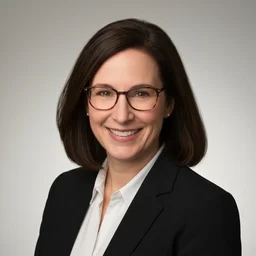
Information Scientist & Library Certification Expert
University of Illinois School of Information SciencesDr. Carol Foster holds a PhD in Library and Information Science and an MLIS from the University of Illinois at Urbana-Champaign. She has 14 years of academic and public library administration experience and specializes in library certification examination preparation, information literacy assessment, and digital resource management for library professionals at all career stages.