

LEC Practice Test
Updated for September 2026Becoming a certified locomotive engineer is a rewarding career path for those interested in operating trains and contributing to the safe and efficient transportation of goods and passengers. With railroads playing a vital role in the nation's infrastructure, there is a continuous demand for qualified professionals to fill this critical role.
This guide will walk you through the steps to earn your Locomotive Engineer Certification (LEC), what the job entails, and how to get started in the rail industry—including specific training and career opportunities with agencies like the MTA.
LEC Practice Test Questions
Prepare for the LEC - Locomotive Engineer Certification exam with our free practice test modules. Each quiz covers key topics to help you pass on your first try.
LEC Brake Systems & Safety
LEC Exam Questions covering Brake Systems & Safety. Master LEC Test concepts for certification prep.
LEC Drivetrain & Transmission
Free LEC Practice Test featuring Drivetrain & Transmission. Improve your LEC Exam score with mock test prep.
LEC Electrical & Electronic Systems
LEC Mock Exam on Electrical & Electronic Systems. LEC Study Guide questions to pass on your first try.
LEC Emissions Control Systems
LEC Test Prep for Emissions Control Systems. Practice LEC Quiz questions and boost your score.
LEC Engine Performance & Diagnostics
LEC Questions and Answers on Engine Performance & Diagnostics. Free LEC practice for exam readiness.
LEC Fuel Systems & Injection
LEC Mock Test covering Fuel Systems & Injection. Online LEC Test practice with instant feedback.
LEC Heating, Ventilation & AC
Free LEC Quiz on Heating, Ventilation & AC. LEC Exam prep questions with detailed explanations.
LEC Locomotive Operation and Control
LEC Practice Questions for Locomotive Operation and Control. Build confidence for your LEC certification exam.
LEC Mechanical and Electrical Systems
LEC Test Online for Mechanical and Electrical Systems. Free practice with instant results and feedback.
LEC Safety Procedures and Regulations
LEC Study Material on Safety Procedures and Regulations. Prepare effectively with real exam-style questions.
LEC Suspension & Steering
Free LEC Test covering Suspension & Steering. Practice and track your LEC exam readiness.
Key Takeaways
Free LEC Practice Test Online
Locomotive Engineer Certification is required by the Federal Railroad Administration to operate a train in the U.S.
A locomotive engineer is responsible for operating trains safely and efficiently over short or long distances.
Training typically begins with conductor experience and includes rigorous instruction in train operations and safety.
Agencies like the MTA offer clear pathways for advancement through internal training and certifications.
Understanding Locomotive Engineer Certification
Locomotive Engineer Certification (LEC) is a federally mandated credential required for anyone operating locomotives in the United States. Governed by the Federal Railroad Administration (FRA), the certification process ensures that engineers are trained, tested, and medically qualified to operate trains safely.
To become certified, candidates must:
Complete a training program approved by the FRA
Pass written and practical exams
Undergo vision, hearing, and medical assessments
Demonstrate proficiency in operating specific locomotive types and understanding of route characteristics
Certifications must be renewed periodically, and locomotive engineers must remain compliant with safety and operational regulations outlined by the FRA.
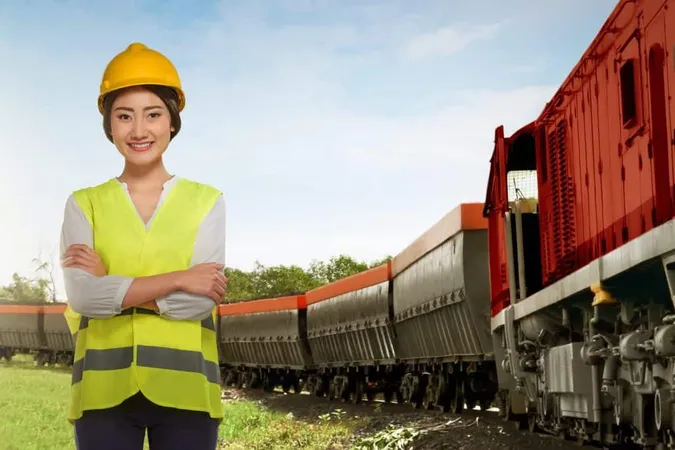
What Is a Locomotive Engineer?
A locomotive engineer is responsible for driving freight or passenger trains across short or long distances. They operate various types of engines—diesel-electric, electric, or occasionally steam-powered locomotives—and ensure adherence to schedules and safety regulations.
Duties include:
Controlling train speed and handling based on track conditions
Communicating with dispatchers and yardmasters
Monitoring instruments and troubleshooting mechanical issues
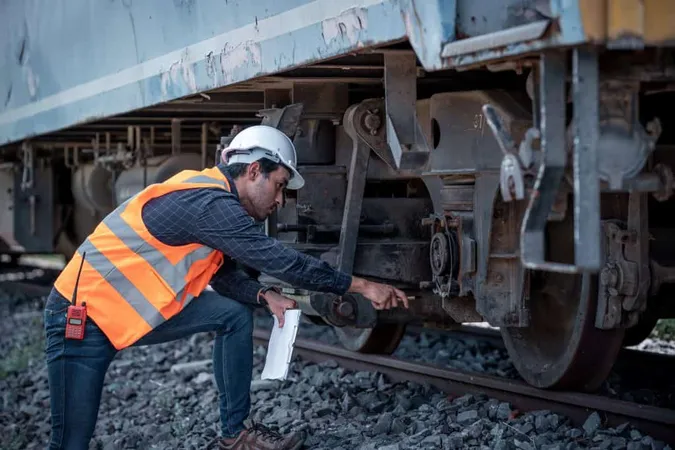
Performing routine inspections of the locomotive
Locomotive engineers must possess excellent attention to detail, strong decision-making skills, and a firm grasp of railway signaling systems. The role is physically and mentally demanding, often requiring night, weekend, or holiday shifts.
Locomotive Engineer Training: Building the Right Skills
Training is a crucial part of becoming a certified locomotive engineer. Most candidates start their journey as railroad conductors before transitioning into engineer roles. Employers, including major rail companies, provide structured training programs that combine classroom instruction with hands-on learning.
Key areas of training include:
Operating procedures and safety regulations
Train handling and braking techniques
Signal recognition and communication protocols
Locomotive mechanics and troubleshooting
Training programs are often 12 to 18 months in length and include supervised practice on active railways. Only after completing this training and passing the FRA-required evaluations can individuals qualify for certification.
Working as an MTA Locomotive Engineer
The Metropolitan Transportation Authority (MTA) offers lucrative opportunities for those looking to become locomotive engineers in the public transportation sector. MTA engineers typically operate commuter trains such as those on the Metro-North Railroad or Long Island Rail Road.
Highlights of working as an MTA locomotive engineer:
Competitive salary and benefits
Unionized work environment
Structured training and promotional pathways
To join the MTA as a locomotive engineer, candidates generally begin in conductor roles and apply internally for training programs. The MTA's selection process includes aptitude testing, medical exams, and comprehensive classroom and field instruction.
Steps to Become a Certified Locomotive Engineer
The journey to certification involves both formal training and meeting federal requirements. Here’s an overview of how to become a locomotive engineer:
Meet Basic Requirements: Be at least 21 years old, possess a high school diploma or GED, and meet medical and background check standards.
Gain Experience: Most engineers start as conductors. Gaining operational experience on railroads helps prepare for the engineer role.
Enroll in Training: Join a railroad-sponsored or FRA-approved training program that includes both classroom and practical instruction.
Pass Certification Exams: Complete the written knowledge test, practical skills assessment, and medical evaluations per FRA standards.
Stay Compliant: Certified engineers must undergo periodic re-evaluations and safety reviews.
Conclusion
Becoming a certified locomotive engineer is both a challenging and fulfilling career choice. With comprehensive training, hands-on experience, and adherence to federal standards, professionals can enjoy long-term success in the rail industry.
Whether aiming to work in freight, passenger, or public transportation sectors, locomotive engineers play a key role in keeping the country moving. By understanding the certification process and committing to high safety standards, you can confidently embark on this dynamic career path.
LEC: Pros and Cons
- +LEC certification validates expertise recognized by employers nationwide
- +Certified professionals typically earn 15-20% higher salaries
- +Opens doors to advanced positions and leadership roles
- +Demonstrates commitment to professional standards and ethics
- +Builds a strong professional network through certification communities
- −Exam preparation typically requires 2-4 months of dedicated study
- −Certification and exam fees can range from $150-$500+
- −Must complete continuing education to maintain active certification
- −Pass rates vary — thorough preparation is essential for success
- −Some certifications require prerequisite experience or education
About the Author

Professional Engineer & PE Exam Preparation Expert
Massachusetts Institute of Technology (MIT)Dr. Robert Chen is a licensed Professional Engineer with a PhD in Mechanical Engineering from MIT. He has 18 years of engineering practice spanning aerospace, structural, and manufacturing sectors, and 9 years coaching FE/EIT and PE exam candidates across all engineering disciplines. His systematic approach to problem-solving has helped over 2,000 engineers achieve professional licensure.
Join the Discussion
Connect with other students preparing for this exam. Share tips, ask questions, and get advice from people who have been there.
View discussion (9 replies)