
LAPD Pacific Division: Complete Guide to the Westside Station, Patrol Area, Careers, and Community Programs
💯 Explore the LAPD Pacific Division: patrol area, station info, careers, salary, ranks, SWAT support, and community programs across the Westside.
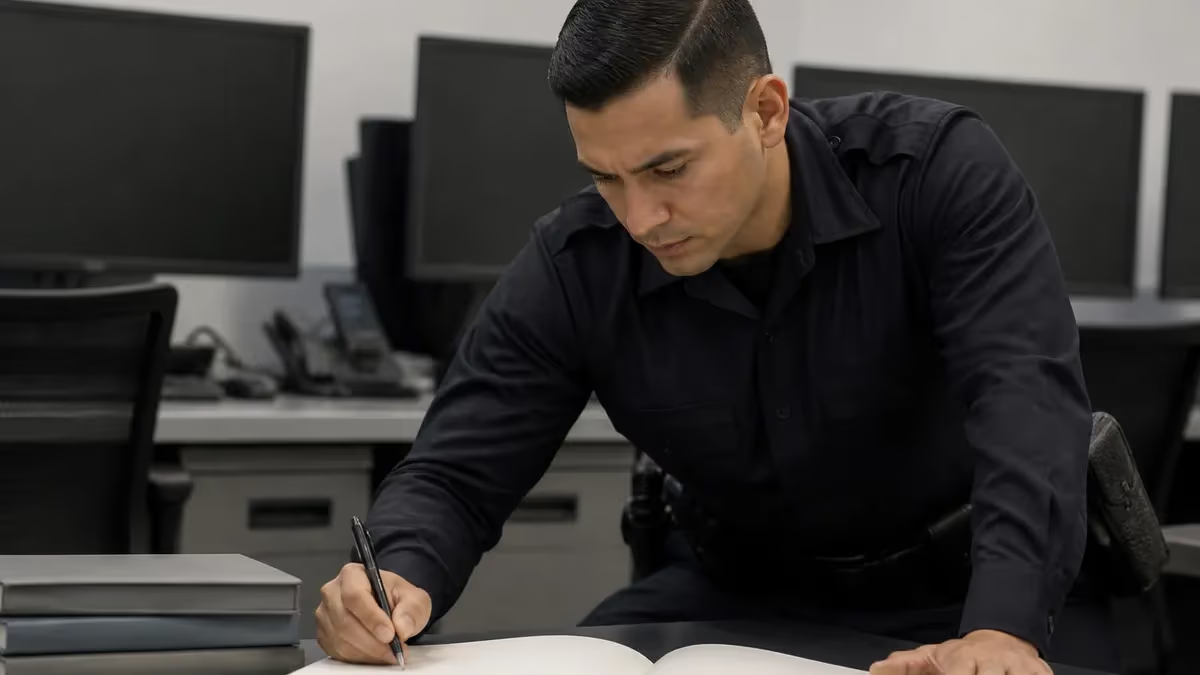
The LAPD Pacific Division is one of the most geographically diverse policing areas in the entire Los Angeles Police Department, stretching across the Westside neighborhoods of Venice, Mar Vista, Del Rey, Playa del Rey, Playa Vista, and Westchester near LAX. If you have been following lapd news coverage of the Westside, you already know that Pacific Division handles a remarkable mix of beachfront tourism, dense residential blocks, and major commercial corridors that few other divisions in the city encounter on a daily basis.
Pacific Division is part of the LAPD's Operations-West Bureau, which oversees several patrol divisions serving the western half of the city. The division earned a reputation for adapting traditional patrol strategies to a coastline that draws millions of visitors annually. Officers assigned here learn to balance beach patrols, boardwalk crowd management, bicycle units, and standard radio-car response. Understanding how Pacific Division operates gives aspiring recruits a realistic picture of what daily police work looks like in a busy urban-coastal environment.
For anyone preparing to join the department, learning about a specific division like Pacific is more than trivia. The LAPD recruitment process tests your knowledge of department structure, geography, and community-oriented policing philosophy. Knowing how a division such as Pacific fits into the larger organization helps you answer interview questions confidently and demonstrates genuine interest. Recruiters consistently report that candidates who understand division-level operations stand out from applicants who only memorized generic facts about the department.
This guide walks through everything that matters about Pacific Division: its patrol boundaries, station location, the careers and salaries available to officers stationed there, how specialized units such as Metropolitan and SWAT support Westside operations, and the community programs that define the division's relationship with residents. Whether you live on the Westside or hope to wear the badge there someday, the details below paint a complete and accurate portrait of this station.
The division's footprint includes some of the most recognizable landmarks in Los Angeles. The Venice Beach Boardwalk alone draws an estimated sixteen million visitors each year, creating policing demands that ebb and flow dramatically between weekday mornings and crowded summer weekends. Officers must shift tactics constantly, moving from quiet residential patrols in Mar Vista to high-density crowd control along Ocean Front Walk within a single shift. This variability is exactly why many officers consider Pacific a formative early assignment.
Beyond the beach, Pacific Division covers fast-growing tech and media corridors. Playa Vista, sometimes nicknamed Silicon Beach, hosts major technology campuses and thousands of new residents in modern housing developments. Westchester sits adjacent to Los Angeles International Airport, adding transportation-hub dynamics to the division's responsibilities. This combination of beach, residential, commercial, and tech districts makes Pacific Division a genuine microcosm of modern urban policing challenges across the broader city of Los Angeles.
As you read through this article, keep in mind that division assignments can change over the course of a career. Many LAPD officers spend their first years in one division and later transfer to specialized bureaus, detective roles, or supervisory positions. Pacific Division frequently serves as a training ground where new officers build the instincts and community relationships that shape the rest of their careers within the Los Angeles Police Department for years to come.
Pacific Division by the Numbers

Pacific Division Patrol Area and Station Location
The iconic Venice Beach boardwalk demands dedicated foot, bicycle, and beach details. Officers manage huge tourist crowds, street performers, and seasonal events while maintaining public safety along one of LA's most visited destinations.
Dense residential neighborhoods with single-family homes and apartments. Patrol here focuses on property crime prevention, traffic enforcement, and building trust through neighborhood watch and community meetings with longtime residents.
A rapidly growing tech and media hub with modern campuses and new housing. Officers address parking, commercial security, and quality-of-life issues tied to a young professional population and large corporate facilities.
Bordering Los Angeles International Airport, this area blends residential streets with transportation-hub traffic. Coordination with airport police and busy freeway corridors is part of routine division operations here every day.
The physical station serves as the operational hub for patrol, detectives, and community programs. It houses the front desk, report-taking, and the senior lead officer teams that connect directly with local residents.
Officers assigned to Pacific Division follow the same pay and rank structure as the rest of the department, and understanding the financials matters whether you are weighing a career or simply curious. The LAPD salary for a new officer begins competitively, with base pay supplemented by overtime, bilingual bonuses, and assignment differentials. First-year recruits earn a base figure in the mid-to-high eighty-thousand-dollar range, and total compensation climbs steadily as officers gain seniority, complete probation, and qualify for premium assignments such as motors or K-9 roles.
The rank ladder within Pacific Division mirrors the citywide LAPD ranks system. New hires start as Police Officer I, then progress to Police Officer II and III as they complete probation and field training. Above the officer ranks sit Detective I through III, then Sergeant, Lieutenant, Captain, and the higher command staff that report up through the bureau structure. Each step brings increased responsibility, supervisory duties, and corresponding pay raises that reward both tenure and demonstrated competence in the field.
Beyond base salary, officers receive a robust benefits package that significantly increases the real value of the job. This includes health, dental, and vision coverage, a defined-benefit pension through the Los Angeles Fire and Police Pensions system, paid vacation, and sick leave that accrues over time. The pension in particular is a major draw, allowing long-serving officers to retire with a substantial percentage of their final compensation after meeting the required years of service with the department.
Specialized equipment is another practical consideration for officers working the Westside. Standard lapd gear includes a duty belt, sidearm, body-worn camera, ballistic vest, and a portable radio, but Pacific officers often supplement this with bicycle-patrol equipment and beach-appropriate uniforms for the boardwalk details. The department issues and maintains most essential gear, though officers frequently personalize comfort items within policy guidelines to handle the long hours spent on foot near the busy coast.
Promotional opportunities at Pacific are tied to both citywide civil-service exams and division-level performance. An officer who excels in community policing, accumulates strong arrest and report metrics, and earns positive supervisor evaluations positions themselves well for advancement. Many detectives in Pacific Division began their careers walking the Venice boardwalk or answering radio calls in Mar Vista, then tested upward into investigative or supervisory roles that they retained for many productive years.
Career mobility is one of the LAPD's defining strengths. An officer is rarely locked into a single division forever. Pacific frequently serves as an entry point, after which officers may transfer to specialized units, detective bureaus, or command positions elsewhere in the city. This flexibility lets officers build diverse experience, and many returning veterans cite their Pacific years as the foundation that prepared them for higher-profile assignments later in their careers across the department.
For candidates comparing divisions, Pacific offers a distinctive blend of high-volume tourist policing and steady residential work. Some officers prefer the predictability of quieter divisions, while others thrive on the energy of the boardwalk and the variety it provides. Knowing your own temperament helps you decide whether the Westside is where you want to begin, and it gives you a thoughtful answer when interviewers ask why a particular assignment genuinely appeals to you as a candidate.
How LAPD SWAT and Specialized Units Support Pacific
The LAPD SWAT team operates citywide rather than being attached to a single division, which means Pacific Division can request its support for high-risk incidents such as barricaded suspects, hostage situations, or armed standoffs along the Westside. SWAT is part of the Metropolitan Division and deploys when a situation exceeds the capacity of regular patrol officers and the standard tactical response options available locally to a station.
When an LAPD s.w.a.t callout occurs in Pacific's area, patrol officers establish the perimeter and contain the scene until the specialized team arrives. SWAT brings advanced training, armored vehicles, and negotiation resources to bear. Understanding this relationship matters for recruits, because interview questions sometimes probe how patrol and specialized units coordinate during a critical incident in a busy coastal neighborhood full of bystanders.

Working Pacific Division: Pros and Cons for Officers
- +Exceptional variety of policing environments in one division
- +High-energy boardwalk and beach assignments unlike anywhere else
- +Strong community-policing programs that build local relationships
- +Frequent bicycle and foot patrol opportunities near the coast
- +Excellent training ground for new officers building instincts
- +Proximity to specialized units and air support resources
- +Diverse population offering broad professional experience
- −Heavy tourist crowds create demanding crowd-control shifts
- −Seasonal spikes require flexible scheduling and overtime
- −Coastal weather means long hours exposed to sun and wind
- −High cost of living on the Westside affects affordability
- −Quality-of-life calls can be repetitive and emotionally taxing
- −Traffic congestion near LAX complicates rapid response times
LAPD Recruit Preparation Checklist for Pacific Division Hopefuls
- ✓Research Pacific Division's patrol boundaries and key neighborhoods.
- ✓Memorize the LAPD ranks structure from Officer to command staff.
- ✓Study the LAPD phonetic alphabet and common radio codes.
- ✓Review the background investigation standards thoroughly.
- ✓Practice logical and deductive reasoning question sets.
- ✓Meet the minimum physical fitness qualification benchmarks.
- ✓Prepare clear answers about why you want this assignment.
- ✓Understand how SWAT and Metro support patrol divisions.
- ✓Take free LAPD Level 1 and Level 2 practice quizzes.
- ✓Verify your eligibility for age, education, and residency rules.
Division knowledge sets candidates apart
Recruiters consistently note that applicants who can speak intelligently about a specific division like Pacific make a stronger impression than those reciting generic facts. Demonstrating that you understand the Westside's unique policing demands signals genuine commitment and earns real interview credibility.
Community programs are at the heart of Pacific Division's identity, and they distinguish the Westside station from divisions that lean more heavily on enforcement alone. Senior Lead Officers, often abbreviated SLOs, are assigned to specific neighborhoods within the division and act as direct liaisons between residents and the department. These officers attend neighborhood council meetings, respond to recurring quality-of-life concerns, and build the kind of long-term relationships that turn a faceless police presence into trusted partners that locals recognize by name.
The division runs regular community-police advisory board meetings where residents, business owners, and officers gather to discuss safety concerns, upcoming events, and ongoing initiatives. These forums give the public a structured voice in how their neighborhoods are policed, and they give officers candid feedback about what is working and what is not. For a coastal division managing millions of visitors, this two-way communication is essential to balancing tourism, business interests, and the daily lives of permanent residents.
Youth programs form another pillar of Pacific's community work. Initiatives such as the Police Activities League, cadet programs, and school resource partnerships connect officers with young people in positive, non-enforcement settings. These programs aim to build trust early, steer at-risk youth toward constructive activities, and even inspire future generations of recruits. Many current officers first encountered the department through a youth program, which underscores how these investments pay long-term dividends for both the community and the force.
Pacific Division also coordinates closely with homeless outreach teams, given the significant unhoused population concentrated around Venice. Rather than relying solely on enforcement, the division partners with social services, mental-health professionals, and nonprofit organizations to connect vulnerable individuals with housing and treatment resources. This collaborative model reflects a broader shift in modern policing toward addressing root causes rather than simply responding to symptoms, and it is a frequent topic in community discussions across the Westside.
Business improvement districts and merchant associations along major corridors work hand-in-hand with division officers to address commercial concerns. Foot patrols, increased visibility during shopping seasons, and rapid communication channels help merchants feel supported. When businesses thrive and feel safe, the entire neighborhood benefits, and these partnerships demonstrate how Pacific Division extends its mission beyond traditional crime response into broader economic and civic wellbeing across the busy Westside.
Technology has expanded how residents engage with Pacific Division as well. Online reporting tools, social-media updates, and community alert systems keep the public informed in real time. Residents can file certain reports without visiting the station, freeing officers for higher-priority calls. The division uses these digital channels to publicize crime-prevention tips, missing-person alerts, and event-related traffic advisories, reinforcing transparency and keeping the community connected to its local officers around the clock every day.
Volunteer and reserve programs round out the community ecosystem. Reserve officers, volunteer surveillance teams, and neighborhood watch coordinators all contribute time and energy that multiply the division's reach. These civilian partners serve as additional eyes and ears, staff community events, and help bridge cultural and language gaps. The result is a layered, participatory model of public safety in which residents are active stakeholders rather than passive recipients of police services on the Westside coast.
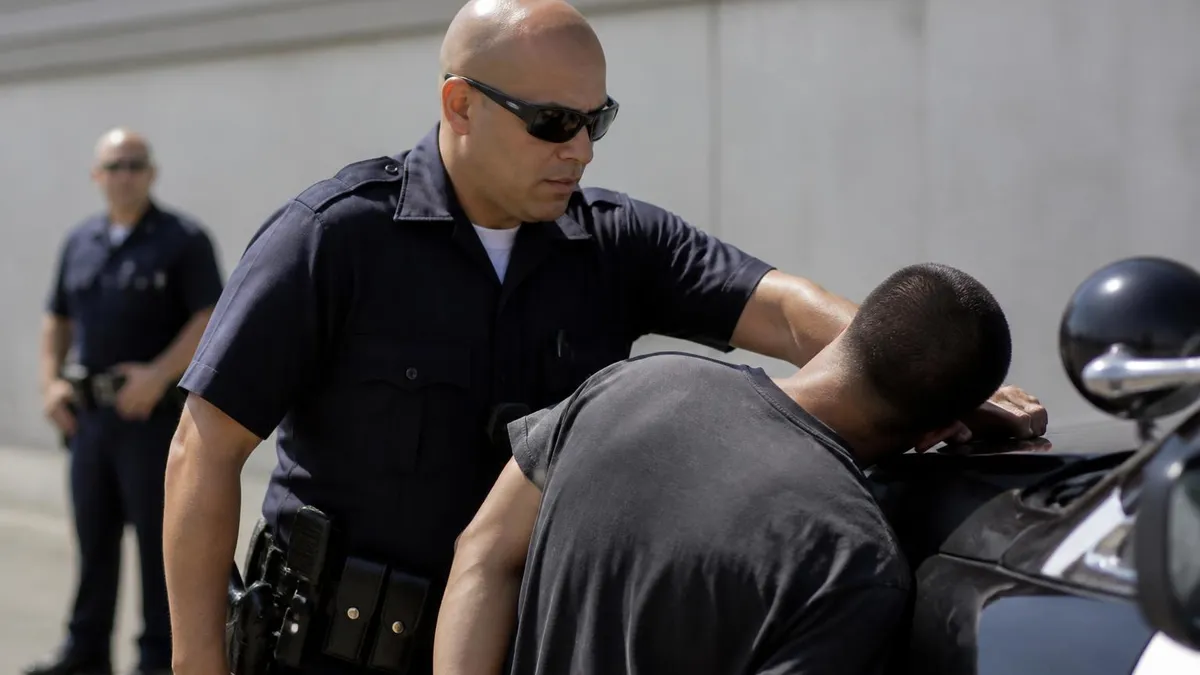
Your first LAPD assignment may not be your last. New officers are placed based on departmental needs and may rotate through multiple divisions over a career. Treat Pacific as a possible starting point rather than a permanent guarantee, and stay flexible during the early probationary years.
Reaching Pacific Division for non-emergency needs is straightforward once you know the proper channels, and using the right one keeps emergency lines clear for genuine crises. The station maintains a public front desk where residents can file reports, ask questions, and pick up documents during business hours. For emergencies, residents should always dial 911, but for routine matters such as noise complaints, lost property, or follow-up questions, the non-emergency line and the station's direct number are the appropriate first stops for assistance.
Many common incidents no longer require an in-person visit at all. The LAPD's lapd online report system lets residents file reports for certain non-violent crimes such as theft, vandalism, and lost property directly from a computer or smartphone. This system saves time for both the public and officers, generating an official report number that residents can use for insurance claims or follow-up. Pacific Division residents benefit greatly from this convenience, especially given heavy Westside traffic.
For those who prefer phone contact, the department publishes division phone numbers that connect callers to the appropriate desk. Whether you need to reach a detective handling your case, speak with a Senior Lead Officer about a neighborhood issue, or inquire about a community meeting schedule, the published directory routes your call efficiently. Keeping these numbers handy means you are never scrambling to find the right contact when a non-urgent situation arises in your neighborhood unexpectedly.
The division also maintains an active presence on social media and community alert platforms. Following Pacific Division online gives residents timely updates about local events, traffic closures, crime-prevention tips, and public-safety advisories. During large boardwalk events or unusual incidents, these channels often provide the fastest accurate information, helping residents make informed decisions about travel, parking, and personal safety throughout the Westside coastal zone in every season.
If you are visiting Venice or another Pacific neighborhood as a tourist, knowing how to reach help is just as important. Beach detail officers, foot patrols, and clearly marked substations provide accessible points of contact for visitors who encounter problems. Lost children, stolen belongings, and medical needs are common along the boardwalk, and the division structures its visible presence specifically so that anyone in distress can quickly locate an officer or get guidance toward the nearest resource.
For prospective recruits, contacting the department is a different process handled through the centralized recruitment division rather than an individual station. Aspiring officers begin their journey through the official application portal, attend recruitment events, and connect with recruiters who can answer questions about the hiring timeline. While you cannot apply directly through Pacific Division, demonstrating familiarity with the station during interviews shows initiative and a genuine interest in serving that particular Westside community of residents.
Keeping accurate contact information matters because misinformation spreads quickly online. Always verify phone numbers and reporting links through official department sources rather than third-party listings that may be outdated. The division updates its public-facing information regularly, and confirming details directly ensures your report reaches the right desk, your call connects to the correct unit, and your time is not wasted navigating incorrect or unofficial contact channels by mistake.
If your goal is to one day patrol the Westside as a sworn officer, your preparation should start long before you submit an application. The most successful candidates treat the hiring process like a serious exam, building knowledge of department structure, geography, and procedures over weeks rather than cramming at the last minute. Begin by mastering the fundamentals that appear repeatedly in written tests and interviews, including the LAPD phonetic alphabet, common radio codes, and the chain of command from officer up to chief.
Physical fitness deserves early and consistent attention. The LAPD physical abilities test evaluates endurance, strength, and agility, and improvement takes time. Start a structured running, bodyweight, and core program months ahead so you arrive confident rather than anxious. Officers working Pacific spend long hours on foot and bicycle along the boardwalk, so genuine fitness is not just a hurdle to clear but a daily job requirement that protects both you and the public you serve on every single shift.
Background preparation is equally critical and often underestimated by applicants. The LAPD conducts a thorough background investigation reviewing your employment history, finances, driving record, and personal conduct. Honesty throughout the process is non-negotiable, since investigators value integrity above a flawless record. Take the time to organize your documents, address any outstanding issues proactively, and be ready to explain past mistakes candidly rather than hoping they go unnoticed during the lengthy vetting timeline ahead.
Interview readiness separates strong candidates from average ones. Practice articulating why you want to serve, how you handle stress, and what community-oriented policing means to you. Interviewers at the LAPD frequently probe situational judgment, asking how you would respond to realistic scenarios. Drawing on your knowledge of a division like Pacific lets you give specific, grounded answers that show you understand the realities of the job rather than reciting idealized textbook responses from memory.
Logical and deductive reasoning skills appear throughout LAPD testing, and they reflect the analytical thinking officers use daily. Practicing reasoning questions sharpens your ability to evaluate evidence, identify inconsistencies, and reach sound conclusions under pressure. These skills matter when writing accurate reports, assessing suspect statements, and making split-second decisions in the field. Investing in reasoning practice pays dividends not only on the written exam but throughout an entire policing career on the Westside.
Finally, use realistic practice materials to simulate the actual testing experience. Free LAPD practice quizzes covering terminology, background standards, interview procedures, and reasoning help you identify weak areas before they cost you. Track your scores, review every missed question, and revisit difficult topics until they feel automatic. Consistent, deliberate practice builds the confidence that interviewers and examiners can sense, and it dramatically improves your odds of earning a spot in the academy and eventually on the Westside.
Remember that becoming an LAPD officer is a marathon, not a sprint. The full hiring process from application to academy graduation can take many months, and patience is part of the test. Stay organized, keep training, maintain your physical and mental health, and treat every step as an opportunity to demonstrate the reliability and judgment the department demands. Candidates who approach the journey with discipline and genuine purpose are the ones who ultimately succeed and thrive in divisions like Pacific.
LAPD Questions and Answers
LAPD Practice Test Video Answers

LAPD Scanner: How to Listen to Los Angeles Police Radio in 2026

LAPD Starting Salary: 2026 Pay Scale, Benefits, and Career Earnings Guide

LAPD Police Department Phone Number: Complete Contact Directory and How to Reach Every Division
LAPD Job Openings: Complete Guide to Current Positions, Salary, Ranks, and How to Apply in 2026
About the Author

Law Enforcement Trainer & Civil Service Exam Specialist
John Jay College of Criminal JusticeMarcus B. Thompson earned his Master of Arts in Criminal Justice from John Jay College of Criminal Justice and served 12 years as a law enforcement officer before transitioning to full-time academy instruction. He is a POST-certified instructor who has prepared candidates for police entrance exams, firefighter assessments, and civil service examinations across dozens of agencies.
Join the Discussion
Connect with other students preparing for this exam. Share tips, ask questions, and get advice from people who have been there.
View discussion (9 replies)