
LAPD Officers Shot: Understanding Officer Safety, Incidents, and Department Response
LAPD news on officers shot — understand incident response, officer safety protocols, department structure, and how the LAPD protects its force. ✅

LAPD news coverage of officers shot remains one of the most sobering reminders of the dangers law enforcement professionals face every day on the streets of Los Angeles. When LAPD officers shot incidents make headlines, they trigger a cascade of departmental reviews, public scrutiny, and community discussion about policing in one of America's largest cities. Understanding the full context behind these events — from how officers are trained to respond under fire, to the support systems available for injured officers — is essential for anyone aspiring to join or currently serving within the department.
The Los Angeles Police Department employs approximately 9,000 sworn officers who respond to millions of calls for service each year across a city of over 3.9 million residents. In any given year, a small but significant number of those officers will be involved in shooting incidents, either as victims of violence or as officers who discharged their weapons. Each of these events carries enormous consequences — legal, medical, emotional, and institutional — and the department has built strong systems to manage every aspect of the aftermath.
Officer safety is woven into every level of the LAPD's operational framework. From the moment recruits enter the Police Academy, they receive intensive training in tactical decision-making, use-of-force continuum, and de-escalation techniques. The goal is not only to equip officers with the skills to survive dangerous encounters but to minimize the frequency with which deadly force becomes necessary. Understanding the lapd raja jackson rank structure helps clarify how command authority flows during critical incidents, ensuring that supervisors are on scene quickly when officer safety events unfold.
Beyond training, the LAPD invests significantly in protective equipment and tactical support. Officers wear body armor rated to stop handgun rounds, and specialized units like LAPD SWAT provide backup in the most dangerous situations — barricaded suspects, hostage scenarios, and high-risk warrant service operations. The department's Air Support Division provides aerial surveillance that can alert ground officers to threats before they escalate into shootings. These layered protections represent decades of institutional learning about what keeps officers alive.
When an officer is shot, the department activates a well-rehearsed response protocol. Supervisors notify the Officer-Involved Shooting (OIS) response team, detectives from the Force Investigation Division begin their work, and the Chief of Police is briefed immediately. The officer's family is contacted, hospital liaisons are assigned, and peer support counselors become available within hours. This coordinated response reflects the LAPD's understanding that officer-involved shooting events are not just operational incidents — they are profound human tragedies that affect families, colleagues, and communities alike.
Public transparency is an increasingly important dimension of how the LAPD handles shooting incidents. Since reforms enacted in the wake of high-profile cases, the department releases body-worn camera footage, publishes use-of-force statistics in annual reports, and convenes community briefings after significant events. LAPD headquarters on West 1st Street serves as the nerve center for these communications, with the Office of the Chief of Police coordinating messaging across the department's geographic bureaus and specialized divisions. Civilians and candidates who want to track LAPD news can access detailed statistical breakdowns on the department's official website.
For those preparing for a career with the LAPD, understanding the realities of officer safety is not meant to discourage but to inform. The department offers competitive LAPD salary packages, comprehensive health coverage, and one of the strongest pension systems in American law enforcement precisely because it recognizes the sacrifices officers make. Awareness of the risks — and the systems in place to mitigate them — is the foundation of an informed decision to serve and a career built on preparation rather than assumption.
LAPD Officer Safety by the Numbers

Key LAPD Officer Safety Systems
The FID investigates all officer-involved shootings and in-custody deaths to ensure thorough, independent review of use-of-force incidents. Their findings inform discipline, policy updates, and public transparency reports released by the department annually.
After any shooting incident, the LAPD deploys peer support counselors, chaplains, and mental health professionals. This multi-layered support system helps officers and their families navigate trauma, ensuring psychological resilience and long-term wellness alongside physical recovery.
All patrol officers carry body-worn cameras that activate during use-of-force encounters. Footage from officer-involved shootings is reviewed by supervisors within hours and may be publicly released, promoting accountability and providing critical evidence for investigations.
When patrol officers face situations beyond standard capacity — active shooters, fortified suspects, hostage events — LAPD SWAT deploys with specialized gear, armored vehicles, and precision training to resolve high-risk incidents while minimizing casualties to officers and civilians.
When an officer-involved shooting occurs within the City of Los Angeles, the LAPD's response unfolds along two parallel tracks: operational and investigative. On the operational side, commanding officers immediately secure the scene, ensure the wounded officer receives emergency medical care, and brief the on-duty Watch Commander. Helicopter units may be dispatched to track any fleeing suspects, while neighboring divisions are placed on heightened alert. The speed and coordination of this initial response can literally save lives — both the officer's and those of bystanders in the immediate area.
The investigative track kicks in simultaneously. Detectives from the Force Investigation Division respond to document the physical evidence, interview witnesses, and review all available camera footage. Critically, the FID operates independently of the bureau where the shooting occurred to ensure impartiality. Their final report goes to the Use of Force Review Board, which determines whether the officer's actions were within department policy. This process typically takes several months and its outcome is disclosed in the Chief of Police's public accountability report, an annual document that has become a benchmark for transparency in major metropolitan policing.
The role of the lapd chief of police in managing the aftermath of officer shootings cannot be overstated. The Chief sets the tone for how the department communicates with the public, how swiftly body camera footage is released, and what policy changes may follow. In recent years, successive LAPD chiefs have moved toward more proactive transparency, holding press conferences within 72 hours of significant incidents and inviting community leaders to review preliminary findings before the media. This approach has not eliminated controversy, but it has built important institutional credibility.
Medical care for injured officers represents another critical component of the response system. Los Angeles County is home to multiple Level I trauma centers, including facilities affiliated with USC and UCLA, which are equipped to handle the most severe gunshot wounds. The LAPD coordinates closely with these hospitals to ensure that officers can be transported rapidly and that surgical teams are ready. Officers who survive gunshot wounds often face months of physical rehabilitation, and the department's Workers' Compensation and Disability programs provide financial support throughout that recovery period.
Mental health support has become an increasingly recognized priority following officer shooting incidents. Research consistently shows that officers who witness or survive shootings — whether as victims or as the officers who fired — experience improved rates of PTSD, depression, and substance use disorders if left without intervention. The LAPD's Behavioral Science Services unit staffs licensed clinical psychologists who work exclusively with law enforcement personnel, offering confidential counseling that does not affect an officer's employment record. This confidentiality is essential to encouraging utilization, as historically many officers avoided mental health services out of fear of career consequences.
Community impact is the third dimension of any officer-involved shooting. The LAPD's Community Relations Group works with neighborhood councils, civil rights organizations, and faith communities after high-profile incidents to maintain open communication and prevent misinformation from driving unrest.
Officers assigned to community policing roles — the department's Senior Lead Officer program places dedicated officers in each of Los Angeles's 95 community policing areas — serve as primary points of contact for residents who have questions about specific incidents. Filing an LAPD online report, requesting public records, or attending a community police advisory board meeting are all avenues through which civilians can engage with the process directly.
For candidates preparing for LAPD careers, the existence of these strong response systems should provide both reassurance and context. The department takes officer safety seriously at an institutional level, investing in training, equipment, investigative rigor, and support services that reflect a genuine commitment to its officers' wellbeing. Understanding these systems — and being able to discuss them intelligently during background investigations and oral boards — demonstrates the kind of informed professionalism that evaluators look for in strong candidates.
LAPD SWAT: Tactical Response to High-Risk Incidents
The LAPD SWAT unit, formally known as Special Weapons and Tactics, was founded in 1967 and is widely regarded as one of the most capable tactical law enforcement teams in the world. Comprising roughly 60 full-time officers, SWAT deploys to situations that exceed patrol capabilities — including barricaded armed suspects, hostage negotiations, high-risk warrant service, and active shooter events. Officers must pass rigorous physical and tactical assessments before being accepted to the unit.
SWAT officers train continuously, dedicating a significant portion of their duty hours to scenario-based exercises, live-fire drills, and inter-agency joint operations with the FBI and other federal partners. Their equipment includes armored vehicles, precision rifles, less-lethal munitions, and advanced surveillance technology. When LAPD officers are shot or under fire in a complex tactical environment, SWAT's rapid deployment capability can be the difference between a contained incident and a catastrophic escalation that endangers both officers and civilians in the surrounding area.

Pursuing an LAPD Career: Benefits vs. Challenges of a High-Risk Profession
- +Competitive LAPD salary with annual step increases and specialty pay for assignments like SWAT, K9, and narcotics
- +One of the strongest defined-benefit pension systems in American law enforcement, with retirement eligibility after 25 years of service
- +Access to comprehensive medical, dental, and vision insurance for officers and their dependents at group rates
- +Strong officer support infrastructure including peer counselors, chaplains, and clinical psychologists available 24/7
- +Clear promotion pathways through the LAPD ranks from Police Officer I through the command staff positions
- +Opportunity to serve in one of the most operationally diverse departments in the country, with specialized units covering every aspect of law enforcement
- −Improved occupational risk of injury or death compared to most civilian professions, including the ever-present possibility of being shot in the line of duty
- −High psychological burden from repeated exposure to trauma, violence, and community hostility that can erode mental health over a long career
- −Intense public and media scrutiny following any use-of-force incident, with officers' decisions second-guessed under ideal conditions by people who were not present
- −Shift work and irregular hours that disrupt family life, sleep schedules, and participation in community or social activities outside the job
- −Lengthy and highly invasive background investigation process that disqualifies many candidates over past behavior, financial history, or associations
- −Ongoing exposure to systemic reform pressures, policy changes, and legal liability that can create uncertainty about departmental support during use-of-force reviews
Pros and Cons at a Glance
| Pros | Cons |
|---|---|
| Access to comprehensive medical, dental, and vision insurance for officers and their dependents at group rates | Improved occupational risk of injury or death compared to most civilian professions, including the ever-present possibility of being shot in the line of duty |
| Clear promotion pathways through the LAPD ranks from Police Officer I through the command staff positions | High psychological burden from repeated exposure to trauma, violence, and community hostility that can erode mental health over a long career |
| Opportunity to serve in one of the most operationally diverse departments in the country, with specialized units covering every aspect of law enforcement | Intense public and media scrutiny following any use-of-force incident, with officers' decisions second-guessed under ideal conditions by people who were not present |
LAPD Officer Safety Awareness: Essential Knowledge for Recruits
- ✓Study the LAPD's Use of Force Policy, which governs when and how officers may use deadly force in the field.
- ✓Familiarize yourself with the Force Investigation Division's role in reviewing every officer-involved shooting incident.
- ✓Learn the LAPD phonetic alphabet, used in radio communications to clearly convey information during high-stress incidents.
- ✓Understand the Officer-Involved Shooting response protocol, including who is notified and in what sequence after a shooting occurs.
- ✓Review the LAPD's body-worn camera policy, including mandatory activation requirements during use-of-force encounters.
- ✓Research the department's Behavioral Science Services unit and the confidential mental health resources available to officers after traumatic events.
- ✓Know the LAPD ranks and understand the command hierarchy that governs decision-making during critical incident management.
- ✓Understand how LAPD SWAT is deployed and what criteria must be met before the unit is called to a scene.
- ✓Familiarize yourself with the Workers' Compensation and Disability benefits available to officers injured or shot in the line of duty.
- ✓Study the LAPD's annual Use of Force report to understand statistical trends in officer-involved shootings over time.
The LAPD Investigates Every Shooting — Including Those Involving Officers
Every officer-involved shooting in Los Angeles — whether the officer was the one shot or the one who fired — triggers a mandatory investigation by the Force Investigation Division. Understanding this process demonstrates the kind of institutional knowledge that impresses hiring panels during oral boards. Candidates who can speak to accountability mechanisms show they are joining the department with open eyes and a genuine commitment to its values.
The LAPD ranks system plays a direct role in how officer shooting incidents are managed from the moment they occur through the final disposition of disciplinary or policy review. At the patrol level, a Police Officer III or Senior Lead Officer will typically be the first supervisor on scene, responsible for establishing initial command, securing medical aid for the wounded officer, and beginning the witness isolation process that is critical to a clean investigation. Above them, Watch Commanders hold the authority to escalate resources, notify detectives, and brief Geographic Bureau command staff.
Geographic Bureau commanding officers — typically Commanders or Deputy Chiefs in the LAPD ranks — are responsible for the broader management of significant incidents within their areas. They coordinate with the Communications Division to manage radio traffic, authorize additional patrol units to lock down the perimeter, and brief the Assistant Chief for Operations when incidents warrant executive attention. In the highest-profile events, such as an ambush-style attack on multiple officers, the Chief of Police may personally respond to the scene or to the hospital where officers are being treated, a gesture that carries significant weight for officers and their families.
Detective Headquarters Division and Geographic Bureau detectives work alongside FID investigators when the shooting involves potential criminal conduct by a third party — for example, when a suspect shot an officer and fled the scene. These investigators focus on building the criminal case against the suspect, gathering physical evidence like shell casings and ballistic trajectories, and interviewing witnesses separately from the FID team examining the officer's conduct. The parallel investigation structure ensures that neither accountability thread — criminal prosecution of suspects and policy review of officers — is subordinated to the other.
The LAPD's command structure during critical incidents also involves liaisons to the Los Angeles City Attorney's Office and, in federal cases, the U.S. Attorney's Office. Legal advisors help the department navigate the complex intersection of criminal law, civil liability, and constitutional requirements that attach to every use-of-force event. Their involvement from the earliest hours of an incident helps ensure that evidence is preserved in ways that will withstand later court scrutiny, and that the department's public statements do not inadvertently prejudice ongoing prosecutions.
Technology has transformed how LAPD incidents are documented and reviewed. In addition to body-worn cameras, the department's Real-Time Analysis and Critical Response (RACR) Division monitors feeds from thousands of public and private surveillance cameras across the city. When an officer is shot, RACR analysts can often pull footage from multiple camera angles within minutes, giving investigators a more complete picture of the incident than witness accounts alone would provide. License plate reader data, cell phone tower records obtained by warrant, and social media monitoring also contribute to building comprehensive incident reconstructions.
Understanding LAPD headquarters' role in managing officer safety at a systemic level is important context for anyone studying the department. The Office of the Chief of Police sets annual strategic priorities that include reducing officer injuries, and bureaus are evaluated partly on their performance against officer safety metrics.
Training programs are continuously updated based on analysis of incidents nationwide — not just within the LAPD — drawing on research from the FBI's Law Enforcement Officers Killed and Assaulted (LEOKA) database, the Police Executive Research Forum, and the International Association of Chiefs of Police. This institutional learning culture is part of what makes the LAPD one of the most studied and emulated urban police departments in the world.
For officers injured in the line of duty, the path from the emergency room back to full duty can be long and uncertain. The LAPD's Personnel Department administers the Injured On Duty (IOD) program, which covers medical expenses and provides salary continuation for officers unable to work.
Physical rehabilitation services are available through the department's contracted medical providers, and officers who sustained injuries that prevent them from returning to field duty may be accommodated in administrative or specialized roles while they recover. This commitment to injured officers reflects not just legal obligations under California labor law but a genuine institutional value placed on the human beings who carry LAPD badges.

LAPD background investigators and oral board panelists frequently ask candidates about their awareness of department policies related to use of force and officer safety. Candidates who cannot articulate even a basic understanding of how the LAPD handles officer-involved shooting incidents may be viewed as underprepared or lacking genuine commitment to the profession. Study the department's publicly available Use of Force policy and annual reports before your interview.
Preparing for a career in a department as operationally intense as the LAPD requires candidates to engage honestly with the reality of officer safety risks from the very beginning of the application process. The LAPD's background investigation is exhaustive precisely because the department needs to know that candidates have the psychological resilience, personal integrity, and situational judgment to handle life-threatening circumstances without compromising their ethics or their effectiveness. Understanding the lapd uniform and daily operational environment is part of building that realistic picture of what service means.
The LAPD's written examination and polygraph test, psychological evaluation, and medical screening all serve to identify candidates who are likely to perform well under the extreme stress conditions that police work regularly generates. Psychologists conducting the psychological evaluation use validated instruments to assess traits like emotional stability, impulse control, and stress tolerance — precisely the qualities that determine whether an officer will make sound decisions in the seconds before a deadly force encounter. Candidates who have studied the department's operations and understand the stakes tend to perform better on these evaluations because their engagement is genuine rather than performative.
Physical fitness is another non-negotiable dimension of preparation for service in a department where officers are regularly shot at or placed in physical danger. The LAPD Physical Fitness Test (PFT) assesses cardiovascular endurance, upper body strength, and abdominal core strength.
Officers who are in excellent physical condition recover more quickly from injuries, respond more effectively to violent physical altercations, and demonstrate to their partners the kind of shared commitment to readiness that builds trust in patrol teams. Maintaining peak fitness throughout a career — not just during the hiring process — is a professional obligation that the best LAPD officers take seriously.
Candidates should also invest time understanding the financial dimensions of LAPD service. LAPD salary structures include base pay, which varies by rank and step, plus specialty pays for bilingual skills, education incentives, hazard duty assignments, and shift differentials. Officers assigned to LAPD SWAT, the Metropolitan Division, or narcotics operations receive additional compensation that can significantly increase total annual earnings above the base figures. Understanding the compensation structure helps candidates evaluate the LAPD offer against other career options and plan their financial lives around the realities of law enforcement income and the pension benefits that accumulate over a full career.
The LAPD non-emergency number and other public-facing contact channels are relevant knowledge for candidates preparing for community policing roles. Officers in Senior Lead Officer positions are expected to be the primary liaison between their assigned community and the larger department, which requires fluency in the department's reporting and communication systems. Knowing how the public reaches the LAPD — through emergency 911, the lapd non emergency number, the online reporting portal, and in-person Division front counters — is basic operational knowledge that every officer should carry.
The LAPD's commitment to community engagement does not diminish the hard realities of officer safety. Los Angeles remains one of the most complex urban environments in the world, with concentrated poverty in some neighborhoods, a persistent gang infrastructure, and a large illegal firearms market that puts weapons into criminal hands at an alarming rate.
Officers patrol these environments every day, making split-second decisions that can result in shooting incidents despite the best training and most careful judgment. Acknowledging these risks — and choosing to serve anyway — is a mark of authentic vocation that the department's hiring process is designed to identify and honor.
Ultimately, the story of LAPD officers shot is not just about tragedy. It is about a department that has built world-class systems to protect its officers, support those who are injured, investigate incidents with integrity, and learn continuously from every event. For the right candidate — someone who understands the risks, has prepared rigorously, and is motivated by genuine public service — the LAPD represents a career of exceptional meaning and professional depth. That combination of eyes-open awareness and deep commitment is exactly what the department's thorough hiring process is designed to find.
Practical preparation for the LAPD hiring process begins long before you submit your application. Candidates who perform best on the written exam, background investigation, and oral board typically start studying the department's structure, policies, and history at least six months in advance. Reading the LAPD's annual reports, use-of-force statistics, and Strategic Plan provides a foundation of factual knowledge that demonstrates genuine interest and intellectual engagement when interviewers ask pointed questions about the department's recent performance and challenges.
Building physical fitness early is equally important. The LAPD Physical Fitness Test has specific benchmarks that candidates must meet, and the consequences of failing are serious — candidates can lose their place in the hiring cycle and be required to re-apply from scratch. Developing a structured fitness program that targets cardiovascular capacity, upper body strength, and core endurance at least eight months before your test date gives you sufficient time to address weaknesses without the pressure of an imminent deadline. Many candidates underestimate this timeline and find themselves scrambling in the final weeks.
Your personal history documentation needs the same disciplined advance preparation. The LAPD background investigation requires candidates to account for virtually every significant event in their lives — employment history, financial records, past addresses, criminal contacts, drug use, traffic violations, and more. Gathering these records proactively and reviewing them honestly before your background investigator does gives you the opportunity to address any potentially disqualifying items with transparency rather than defensiveness. Investigators are well-trained at detecting deception, and candidates who are forthcoming about past mistakes often fare better than those who attempt concealment.
Oral board preparation deserves dedicated practice, not just passive review. Recruit a friend, family member, or mentor to conduct mock interviews using common LAPD oral board questions: Why do you want to be a police officer? Describe a time you handled a high-stress situation. What would you do if you witnessed a fellow officer acting improperly? Answering these questions aloud — not just thinking through them internally — builds the verbal fluency and confident delivery that panelists respond to positively. Recording yourself and reviewing the footage can reveal verbal habits, body language issues, or filler words you were unaware of.
Understanding the LAPD phonetic alphabet — Adam, Boy, Charles, David, Edward, Frank, George, Henry, Ida, John, King, Lincoln, Mary, Nora, Ocean, Paul, Queen, Robert, Sam, Tom, Union, Victor, William, X-ray, Young, Zebra — is a small but meaningful demonstration of operational preparedness. Officers use this alphabet continuously during radio communication to eliminate ambiguity when conveying license plates, locations, and suspect descriptions. Knowing it cold before you enter the Academy shows initiative and signals that you've invested real time in understanding what police work actually looks like at the ground level.
Networking with current and former LAPD officers can provide insights that no official publication offers. Informational interviews with officers who have served in roles you're interested in — patrol, detectives, SWAT, community policing — give you a realistic picture of daily demands, career trajectory realities, and the unwritten cultural norms that shape life inside the department.
Many officers are willing to speak with serious candidates, particularly those referred by community contacts, police cadet alumni associations, or college criminal justice programs with LAPD relationships. These conversations also help you articulate authentic, specific reasons for wanting to join the LAPD specifically rather than law enforcement generically.
Finally, approach every stage of the LAPD hiring process with the same professional discipline you would bring to the job itself. Return calls and emails from your background investigator promptly. Arrive early to every scheduled appointment. Dress professionally for oral boards and bring organized copies of your documentation.
These behaviors signal the reliability, attention to detail, and respect for process that the department needs to trust in an officer who will carry a firearm and make life-or-death decisions in its name. The hiring process is not a bureaucratic obstacle — it is your first extended demonstration of the professional character the LAPD is trying to evaluate.
Sample Los Angeles Police Department Practice Questions
Try these questions from our free Los Angeles Police Department practice tests. The correct answer and an explanation follow each question.
An officer on patrol is frequently offered a free meal by a local restaurant owner who says, "It's for all you do to keep us safe." According to the LAPD's code of ethics, what is the most appropriate response?
- A. Accept the meal but make sure to leave a tip that covers the full cost of the food.
- B. Politely decline the offer, explaining that department policy prohibits accepting gratuities to avoid any appearance of favoritism.
- C. Accept the meal occasionally to avoid offending the owner and to build community relations.
- D. Report the owner to a supervisor for attempting to bribe an officer.
Answer: B. Politely decline the offer, explaining that department policy prohibits accepting gratuities to avoid any appearance of favoritism.
The LAPD Law Enforcement Code of Ethics and general policy prohibit accepting gratuities. This is to prevent the appearance of impropriety or favoritism and to ensure that officers enforce the law impartially. While building community relations is important, it cannot come at the expense of ethical standards. Declining politely and explaining the policy is the most professional and correct action.
An off-duty LAPD officer is asked by a close friend about a police incident that occurred in their neighborhood. The friend is asking for details that have not been released to the public. How should the officer respond?
- A. Provide general, non-critical details to satisfy the friend's curiosity without revealing too much.
- B. Access the police report to give the friend the most accurate information available.
- C. Share the information but ask the friend to keep it strictly confidential.
- D. State that they cannot discuss details of an official police matter, as the information is confidential.
Answer: D. State that they cannot discuss details of an official police matter, as the information is confidential.
All official files, documents, records, and information held by the LAPD are considered confidential. Employees are prohibited from disclosing such information except as required in the performance of their official duties. Sharing non-public information, even with a friend, is a violation of this policy and can lead to disciplinary action.
During a traffic stop, the driver hands you a valid license and registration but whispers that he is an off-duty officer from another agency. He asks you to 'let this one go.' What is the best response?
- A. Issue the citation based on the traffic violation, treating him like any other driver
- B. Let him go as a professional courtesy since he is law enforcement
- C. Call his agency to verify his employment before deciding
- D. Arrest him for attempting to use his badge to avoid a citation
Answer: A. Issue the citation based on the traffic violation, treating him like any other driver
Professional courtesy that results in special treatment undermines equal enforcement of the law and compromises integrity.
All officers assigned to the night shift must complete a safety briefing. Officer Torres is on the night shift. Which conclusion is valid?
- A. Officer Torres may or may not complete the briefing
- B. Officer Torres must complete the safety briefing
- C. Officer Torres is exempt if she has prior training
- D. Officer Torres completes briefings only on weekdays
Answer: B. Officer Torres must complete the safety briefing
Since all night-shift officers must complete the briefing and Torres is on the night shift, she must complete it.
LAPD Questions and Answers

Los Angeles Police Department Rank Structure: Insignia & Promotion Path

LAPD Pension: Complete Guide to Benefits, Retirement Tiers, and What Officers Actually Earn

LAPD Metropolitan Detention Center: What You Need to Know About LA's Key Custody Facility

LAPD Gang and Narcotics Division: Structure, Operations, and What You Need to Know

LAPD K9 Unit: How Police Dogs Serve the Los Angeles Police Department
About the Author
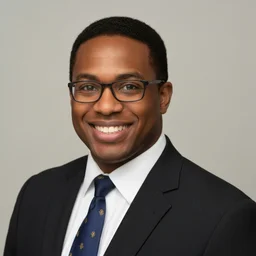
Law Enforcement Trainer & Civil Service Exam Specialist
John Jay College of Criminal JusticeMarcus B. Thompson earned his Master of Arts in Criminal Justice from John Jay College of Criminal Justice and served 12 years as a law enforcement officer before transitioning to full-time academy instruction. He is a POST-certified instructor who has prepared candidates for police entrance exams, firefighter assessments, and civil service examinations across dozens of agencies.
Join the Discussion
Connect with other students preparing for this exam. Share tips, ask questions, and get advice from people who have been there.
View discussion (9 replies)