
HVAC Meaning: What Heating, Ventilation & Air Conditioning Really Covers
Pass your HVAC Meaning: ✍🏼 What Heating, Ventilation exam on the first attempt. Practice questions with detailed answer explanations, hints, and instant
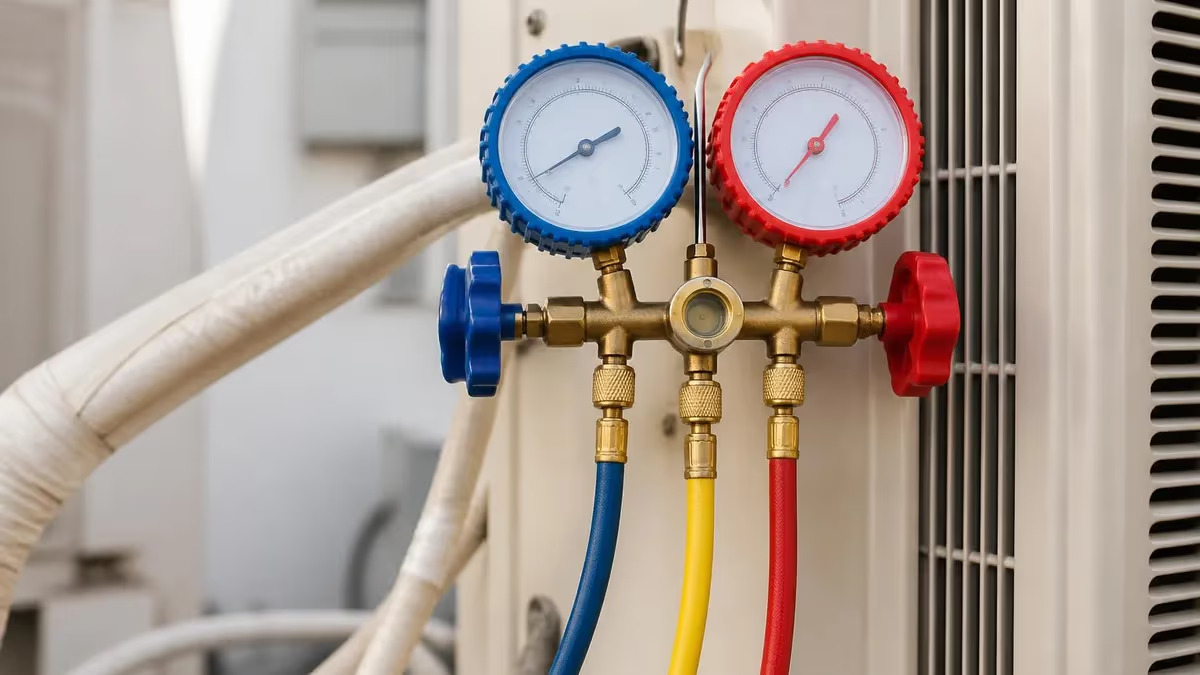
The meaning of HVAC is straightforward: Heating, Ventilation, and Air Conditioning. These three functions work together to control indoor temperature, humidity, and air quality. Every building you've ever set foot in — homes, offices, hospitals, schools — relies on some version of an HVAC system. It's the invisible infrastructure that keeps you comfortable year-round.
Understanding the HVAC meaning goes beyond knowing the acronym. It means grasping how furnaces, air handlers, ductwork, thermostats, and refrigerant lines all connect into a single system. When one component fails, the whole chain feels it. A clogged filter reduces airflow. A bad compressor kills your cooling. A cracked heat exchanger can pump carbon monoxide into your home. These aren't abstract concepts — they're real problems that HVAC technicians fix every day.
Whether you're exploring HVAC as a career path, studying for a certification exam, or just trying to understand your energy bill, this page breaks it all down. You'll find clear explanations of each system component, the different types of HVAC setups, career opportunities in the field, and practice quizzes to test your knowledge. No jargon walls. No fluff. Just the information you actually need.
The meaning behind each letter in HVAC tells you exactly what the system controls. Heating covers everything from gas furnaces and boilers to heat pumps and radiant floor systems. Ventilation handles fresh air exchange — bringing outdoor air in and pushing stale air out. Air Conditioning removes heat and moisture from indoor air using refrigerant cycles. Together, these three functions create the climate you experience indoors.
Most people only think about HVAC when something breaks. Your furnace dies in January, or your AC quits in July. But HVAC systems run constantly in the background — cycling on and off, adjusting output, filtering particles from the air you breathe. Modern systems with variable-speed compressors adjust their output in real time rather than just running full blast or shutting off completely. That's why newer systems cost less to operate even though they're more complex.
Ventilation is the part most homeowners ignore, and it matters more than you'd expect. Poor ventilation traps pollutants, moisture, and carbon dioxide inside your home. Bathrooms without exhaust fans breed mold. Kitchens without range hoods accumulate grease particles. Whole-house ventilation systems — energy recovery ventilators and heat recovery ventilators — solve these problems by exchanging indoor and outdoor air without wasting energy.
When people ask about the meaning of HVAC in practical terms, they usually want to know: what are the actual parts? Let's break it down. A typical residential HVAC system includes a furnace or heat pump for heating, an air conditioner or heat pump for cooling, ductwork to distribute conditioned air, a thermostat to control everything, and an air filter to trap dust and allergens. Commercial systems add rooftop units, chillers, cooling towers, and building automation systems.
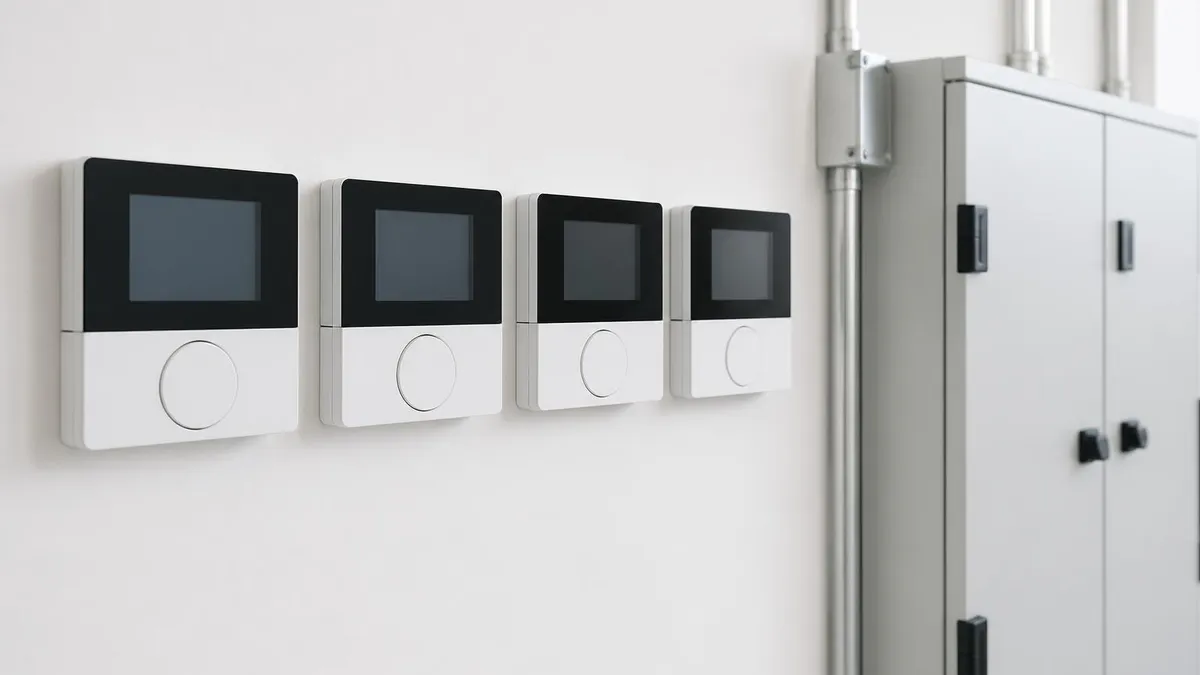
The thermostat is the brain. It reads the current temperature, compares it to your set point, and tells the system what to do. Programmable thermostats let you set schedules. Smart thermostats learn your patterns and adjust automatically. Some models detect when you're away and dial back heating or cooling to save energy. The meaning of efficiency in HVAC starts right here — at the thermostat.
Ductwork is the circulatory system. Supply ducts carry conditioned air from the furnace or air handler to each room. Return ducts pull air back to be reheated, recooled, or filtered. Leaky ducts waste up to 30% of the energy your system produces. Sealing and insulating ductwork is one of the cheapest, highest-impact upgrades you can make. Many homeowners overlook this entirely.
Types of HVAC Systems Explained
The most common residential setup. An outdoor unit houses the compressor and condenser coil. An indoor unit contains the evaporator coil and air handler (or furnace). Refrigerant lines connect both units. Split systems are efficient, relatively affordable to install, and easy to service. They're what you'll find in the majority of American homes built after 1980.
The deeper meaning of HVAC efficiency comes down to ratings. For air conditioners, you'll see SEER2 (Seasonal Energy Efficiency Ratio). Higher is better — current minimum is 14 SEER2 in northern states and 15 SEER2 in southern states. Furnaces use AFUE (Annual Fuel Utilization Efficiency). A 96% AFUE furnace converts 96 cents of every energy dollar into heat. Heat pumps use HSPF2 for heating and SEER2 for cooling.
These numbers aren't just spec-sheet filler. They directly impact your energy bills. Upgrading from a 10 SEER to a 16 SEER air conditioner cuts cooling costs by roughly 38%. A 96% AFUE furnace saves about 12% compared to an 80% unit. Federal tax credits currently cover up to $2,000 for qualifying high-efficiency HVAC equipment — heat pumps especially. Your utility company may offer additional rebates that stack on top.
Sizing matters just as much as efficiency. An oversized AC cools quickly but never runs long enough to remove humidity — leaving you cold and clammy. An undersized system runs constantly and can't keep up on the hottest days. HVAC contractors use Manual J calculations to determine the right size based on your home's square footage, insulation, window area, climate zone, and orientation.
Don't let anyone eyeball it. A reputable contractor will run the numbers before recommending equipment. If someone quotes you a system size without measuring your home, find a different contractor. The difference between getting it right and getting it wrong shows up in your comfort and your energy bills for the next 15 years.
HVAC takes on a bigger meaning when you look at its impact on health. The EPA ranks indoor air pollution among the top five environmental health risks. Your HVAC system is the primary tool for managing indoor air quality. Standard 1-inch filters catch large dust particles. MERV 13 filters trap bacteria, smoke, and sneeze droplets. HEPA filters remove 99.97% of particles down to 0.3 microns — but most residential systems can't handle the pressure drop they create.
UV-C germicidal lamps installed in the air handler kill mold, bacteria, and viruses as air passes through. These are increasingly popular in homes with allergy sufferers or immunocompromised residents. Whole-house humidifiers and dehumidifiers integrate with your HVAC system to maintain optimal indoor humidity between 30% and 50%. Too dry? You get cracked skin, static electricity, and damaged wood floors. Too humid? Mold, dust mites, and that musty smell.
Carbon monoxide detectors belong near every gas-fired HVAC appliance. Furnaces, boilers, and gas water heaters all produce combustion gases. Proper venting sends these gases outdoors. But a cracked heat exchanger, blocked flue, or backdrafting issue can route carbon monoxide into your living space. It's odorless and colorless. Annual HVAC inspections catch these problems before they become emergencies.
Pros and Cons of Central HVAC vs. Ductless Systems
- +Central HVAC heats and cools the entire home through one system
- +Ductless mini-splits offer room-by-room temperature control
- +Heat pumps serve both heating and cooling with one unit
- +Modern variable-speed systems run quieter than older models
- +Smart thermostats reduce energy use by 10-15% without effort
- +Federal tax credits offset up to $2,000 of upgrade costs
- −Central systems lose energy through leaky or uninsulated ductwork
- −Ductless mini-splits cost more per ton to install
- −Heat pumps lose efficiency in extreme cold below 25 degrees F
- −HVAC replacement costs range from $5,000 to $15,000 installed
- −Poor maintenance shortens system lifespan significantly
- −Refrigerant leaks harm the environment and require licensed repair
For many people, the meaning of HVAC connects directly to career opportunity. The Bureau of Labor Statistics projects 6% job growth for HVAC technicians through 2032 — faster than average. The median salary sits around $57,300, with top earners clearing $80,000+. Demand is high because buildings always need climate control, existing systems always need maintenance, and refrigerant regulations keep changing — creating work for trained professionals.
Getting into HVAC typically starts with a trade school program or an apprenticeship. Programs run 6 months to 2 years. You'll study refrigeration cycles, electrical theory, duct design, building codes, and troubleshooting. After training, you'll need EPA Section 608 certification to handle refrigerants. Most states also require a mechanical or HVAC-specific license for contractors. The path is clear, the training is practical, and the jobs are waiting.
HVAC specializations include residential service, commercial installation, refrigeration (grocery stores, restaurants, cold storage), building automation, and energy auditing. Commercial techs tend to earn more but work on larger, more complex systems. Residential techs enjoy more variety — different homes, different problems every day. Some technicians eventually start their own businesses. Others move into sales, engineering support, or teaching. The field is wider than most people realize. Union HVAC jobs in major metro areas often include full benefits, pension plans, and overtime that pushes annual earnings well above $100,000. Even in smaller markets, experienced technicians rarely struggle to find work.
HVAC Maintenance Checklist for Homeowners
- ✓Replace or clean air filters every 1-3 months depending on type and household
- ✓Schedule professional maintenance twice a year — spring for AC, fall for heating
- ✓Keep outdoor condenser unit clear of debris, leaves, and vegetation (2 feet clearance)
- ✓Check thermostat batteries and settings when seasons change
- ✓Listen for unusual noises — grinding, banging, or squealing means trouble
- ✓Inspect visible ductwork for gaps, disconnections, or damaged insulation
- ✓Clear condensate drain lines with vinegar or a wet-dry vacuum annually
- ✓Test carbon monoxide detectors near all gas-fired HVAC equipment monthly
- ✓Monitor energy bills for sudden spikes that indicate system problems
- ✓Replace your system when repair costs exceed 50% of a new unit's price
The full meaning of HVAC extends into building science — how structures gain and lose heat. Heat moves three ways: conduction (through materials), convection (through air movement), and radiation (through electromagnetic waves). Your HVAC system fights all three. Insulation resists conduction. Sealed ductwork controls convection. Low-E window coatings block radiant heat gain. Understanding these principles helps you see why insulation upgrades and air sealing often matter as much as the HVAC equipment itself.
Building codes set minimum HVAC standards for new construction and major renovations. The International Mechanical Code covers equipment installation, ductwork, ventilation rates, and exhaust requirements. The International Energy Conservation Code sets efficiency minimums. Local jurisdictions adopt and sometimes amend these codes. Permits and inspections ensure your HVAC installation meets safety and efficiency standards — skipping them invites problems with insurance, resale, and safety.
Zoning systems divide your home into separate temperature zones, each with its own thermostat and dampers in the ductwork. A two-zone system might separate upstairs and downstairs. A three-zone system might add a master bedroom zone. Zoning solves the "one room is always too hot" problem that plagues many homes. It costs $2,000 to $3,500 to add to an existing system, but the comfort and energy savings justify it for most two-story homes.
The meaning of HVAC is evolving as technology advances. Variable refrigerant flow (VRF) systems — common in Asia and Europe for decades — are gaining ground in U.S. commercial buildings. They use refrigerant as the heat transfer medium instead of air or water, allowing simultaneous heating and cooling in different zones. A VRF system in a large office building can heat the north-facing rooms while cooling the sun-drenched south side — all from the same outdoor unit.
Geothermal heat pumps take HVAC in a different direction entirely. Instead of exchanging heat with outdoor air, they exchange heat with the ground. Below about 6 feet, soil temperature stays constant year-round — around 50-60 degrees F depending on your location. Geothermal systems are incredibly efficient: 3 to 5 times more efficient than conventional systems. The catch is installation cost. Drilling or trenching for ground loops runs $10,000 to $30,000. Federal tax credits help, and the system pays for itself in 5 to 10 years through lower energy bills.
Smart HVAC is where the industry is heading. Connected thermostats, smart vents, air quality monitors, and predictive maintenance sensors are becoming standard. Your system can notify your phone when a filter needs changing, when refrigerant is low, or when a component shows early signs of failure. Some commercial buildings use AI-driven building management systems that optimize HVAC performance across hundreds of zones in real time. The meaning of HVAC now includes intelligence.
Federal law requires anyone who purchases, handles, or disposes of refrigerants to hold EPA Section 608 certification. This applies to HVAC technicians, not homeowners. The certification covers proper refrigerant recovery, recycling, and reclamation procedures. Four types exist: Type I (small appliances), Type II (high-pressure), Type III (low-pressure), and Universal (all types). Most HVAC technicians get Universal certification.
When you dig into the meaning of HVAC refrigerants, you'll find an industry in transition. R-22 (Freon) was phased out in 2020 due to ozone depletion. R-410A replaced it and is now the dominant residential refrigerant — but it has high global warming potential. R-32 and R-454B are next-generation options with lower environmental impact. Starting in 2025, new regulations require systems to use refrigerants with lower GWP. If you're buying a new system, ask which refrigerant it uses.
Seasonal HVAC maintenance isn't optional — it's essential. A neglected system loses 5% of its efficiency each year. After five years without maintenance, you're paying 25% more to heat and cool your home than you should be. A professional tune-up catches worn parts, dirty coils, low refrigerant, electrical issues, and safety hazards before they become expensive repairs or dangerous failures. Most HVAC companies offer maintenance plans for $150 to $250 per year.
DIY maintenance handles the basics: filter changes, thermostat checks, keeping the outdoor unit clean, and clearing condensate drains. But leave electrical work, refrigerant handling, gas connections, and combustion testing to licensed professionals. Your safety — and your warranty — depends on it. A $150 annual tune-up is cheap insurance against a $5,000 compressor replacement or a carbon monoxide incident. Think of it like an oil change for your home's climate system — small cost, big payoff.
HVAC Practice Test Questions
Prepare for the HVAC - Heating Ventilation and Air Conditioning exam with our free practice test modules. Each quiz covers key topics to help you pass on your first try.
HVAC Air Conditioning
HVAC Exam Questions covering Air Conditioning. Master HVAC Test concepts for certification prep.
HVAC Code Compliance
Free HVAC Practice Test featuring Code Compliance. Improve your HVAC Exam score with mock test prep.
HVAC Electrical Controls
HVAC Test Prep for Electrical Controls. Practice HVAC Quiz questions and boost your score.
HVAC Energy Efficiency
HVAC Questions and Answers on Energy Efficiency. Free HVAC practice for exam readiness.
HVAC Heating Systems
HVAC Mock Test covering Heating Systems. Online HVAC Test practice with instant feedback.
HVAC Load Calculations
Free HVAC Quiz on HVAC Load Calculations. HVAC Exam prep questions with detailed explanations.
HVAC Tools and Equipment
HVAC Practice Questions for HVAC Tools and Equipment. Build confidence for your HVAC certification exam.
HVAC Refrigeration
HVAC Test Online for Refrigeration. Free practice with instant results and feedback.
HVAC Safety Practices
HVAC Study Material on Safety Practices. Prepare effectively with real exam-style questions.
HVAC System Design
Free HVAC Test covering System Design. Practice and track your HVAC exam readiness.
HVAC Thermodynamics
HVAC Exam Questions covering Thermodynamics. Master HVAC Test concepts for certification prep.
The meaning of HVAC comfort goes beyond temperature. Modern systems address four dimensions: temperature, humidity, air quality, and air movement. You might have your thermostat set perfectly at 72 degrees, but if humidity is at 65%, you'll feel sticky and warm. If air movement is stagnant, rooms feel stuffy even at the right temperature. Good HVAC design accounts for all four factors — not just the number on your thermostat.
Humidity control deserves special attention. In summer, your air conditioner doubles as a dehumidifier — moisture condenses on the cold evaporator coil and drains away. But an oversized AC short-cycles and never runs long enough to pull out moisture. In winter, heated air drops to uncomfortably low humidity levels. Whole-house humidifiers attached to your furnace add moisture back. The ideal indoor humidity range — 30% to 50% — protects your health, your comfort, and your home's structure.
Air filtration technology has come a long way. Basic fiberglass filters catch large debris and cost a dollar. Pleated filters with MERV 8-13 ratings trap pollen, mold spores, and pet dander. Electronic air cleaners use charged plates to capture particles. Photocatalytic oxidation systems break down volatile organic compounds.
The right filtration setup depends on your health needs, your budget, and whether your system can handle the pressure drop of higher-rated filters. Ask your HVAC technician what MERV rating your system supports before upgrading — too restrictive a filter can starve your system of airflow and cause more problems than it solves.
HVAC Questions and Answers
HVAC Technician: How to Start Your Career, Get Certified, and Succeed
HVAC
HVAC Sales: The Complete Guide to Selling Heating and Cooling Systems, Building Customer Trust, and Closing More Deals
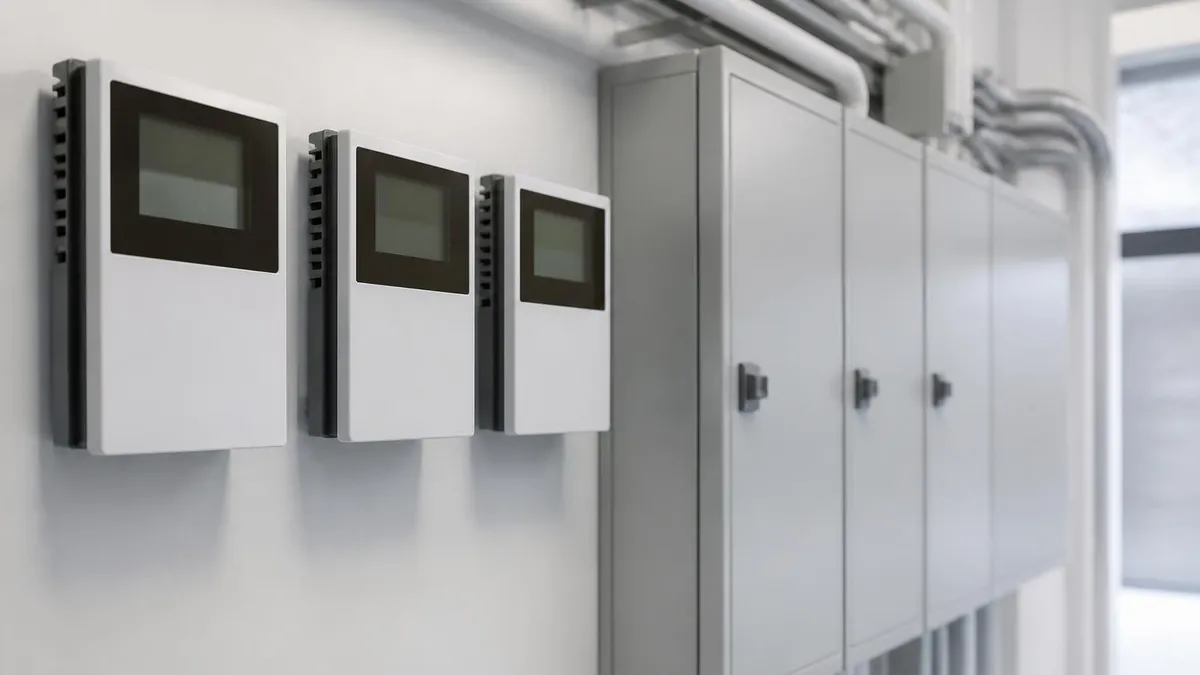
HVAC Solutions: The Complete Guide to Heating, Cooling, and Indoor Air Quality Systems for Homes and Buildings
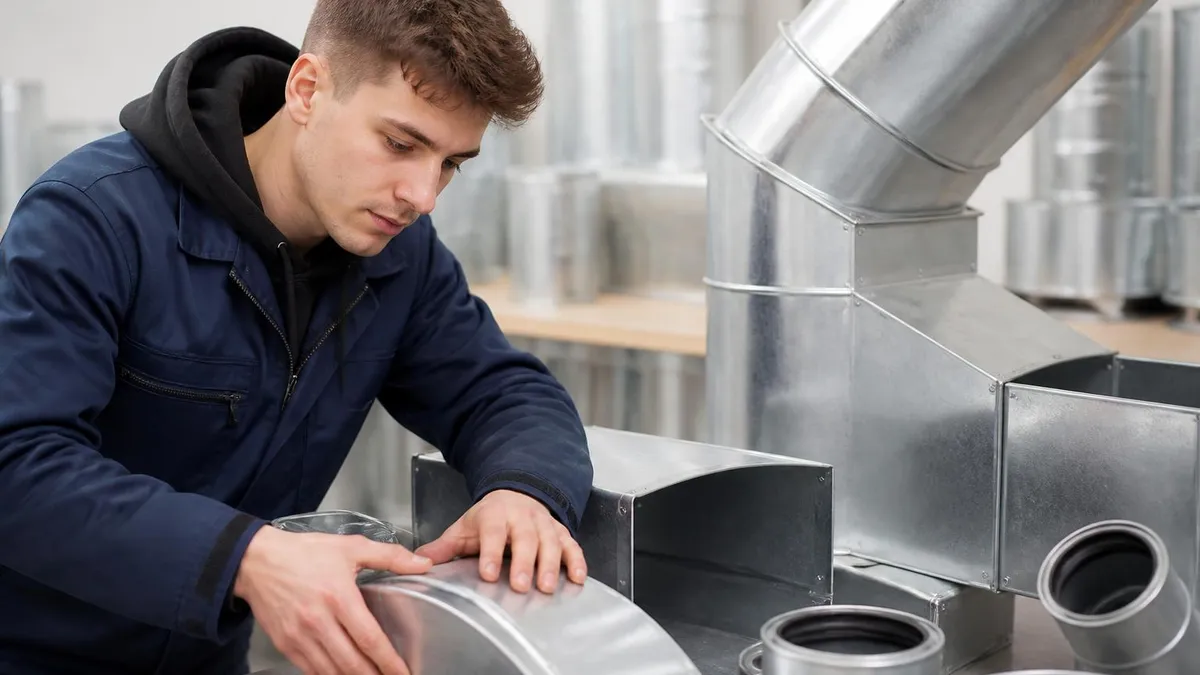
HVAC School Online: The Complete Guide to Virtual HVAC Training, Certification, and Career Pathways in 2026
About the Author

NATE Certified HVAC Technician & Licensing Exam Trainer
Universal Technical InstituteMike Johnson is a NATE-certified HVAC technician and EPA 608 universal-certified refrigerant handler with a Bachelor of Science in HVAC/R Technology. He has 19 years of commercial and residential HVAC installation and service experience and specializes in preparing technicians for NATE certification, EPA 608, A2L refrigerant safety, and state HVAC contractor licensing examinations.