
HVAC Contractors Colorado: How to Find, Hire, and Work With the Best in the State
Find top HVAC contractors in Colorado. Learn licensing rules, costs, red flags, and tips for hiring the right pro for your home or business. ✅
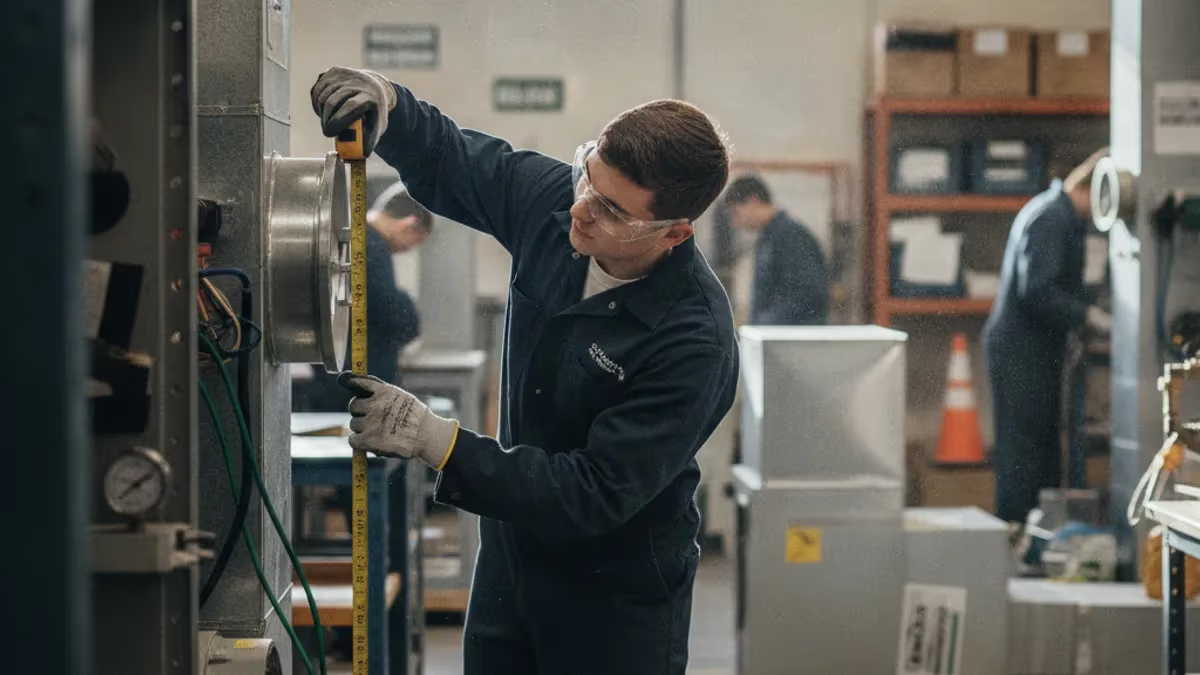
If you own a home or manage a commercial property in Colorado, finding reliable HVAC contractors colorado residents actually trust can feel overwhelming. The state's dramatic climate swings — from blazing Front Range summers that push thermostats past 100°F to Rocky Mountain winters that bury mountain communities under several feet of snow — mean your heating and cooling system works harder than almost anywhere else in the country. A poorly installed or maintained system doesn't just cause discomfort; it drives up energy bills, shortens equipment life, and can create serious safety hazards like carbon monoxide leaks.
Colorado's HVAC industry is large and growing. The state added thousands of new housing units in 2025 alone, and with the construction boom showing little sign of slowing, demand for skilled mechanical contractors has never been higher. That demand creates opportunity for consumers, because competition keeps prices honest — but it also creates risk, because not every company hanging out a shingle has the licenses, insurance, and technical training needed to do the job safely and correctly.
Understanding what separates a qualified HVAC contractor from a fly-by-night operation is the single most valuable thing you can do before making a hiring decision. Colorado requires HVAC contractors to hold specific state and often local licenses, carry liability and workers' compensation insurance, and pull permits for most installation and replacement work. Skipping the verification step can leave you on the hook for code violations, voided equipment warranties, and repairs that don't actually fix the underlying problem.
This guide walks you through everything: Colorado's licensing structure, how to read a contractor's credentials, what questions to ask during estimates, what the work should cost, and how to protect yourself when something goes wrong. If you're also wondering how to budget for a system upgrade, our deep dive on hvac contractors colorado financing options covers loans, 0% APR programs, and utility rebates available to Colorado residents.
We'll also explore how the trade itself is evolving. Heat pump adoption is accelerating in Colorado as Xcel Energy and Black Hills Energy offer generous rebates, and many contractors are racing to build heat pump expertise. The technicians who pass rigorous certification exams — NATE, EPA 608, and state journeyman tests — are the ones best positioned to install and service these newer systems correctly. Knowing which credentials to look for helps you connect with contractors who invest in ongoing training rather than coasting on outdated skills.
Finally, we'll cover the red flags that should send you looking elsewhere: contractors who quote over the phone without doing a Manual J load calculation, companies that push the cheapest equipment regardless of your home's needs, and anyone who suggests skipping the permit process to save you money. That last one is especially dangerous in Colorado, where unpermitted work can trigger insurance claim denials and create problems when you sell your home.
Whether you need a simple furnace tune-up, an emergency AC repair in the middle of a July heat wave, or a full system replacement in a new build, this guide gives you the knowledge to make confident decisions and avoid the costly mistakes that trap unprepared homeowners every year.
Colorado HVAC Industry by the Numbers
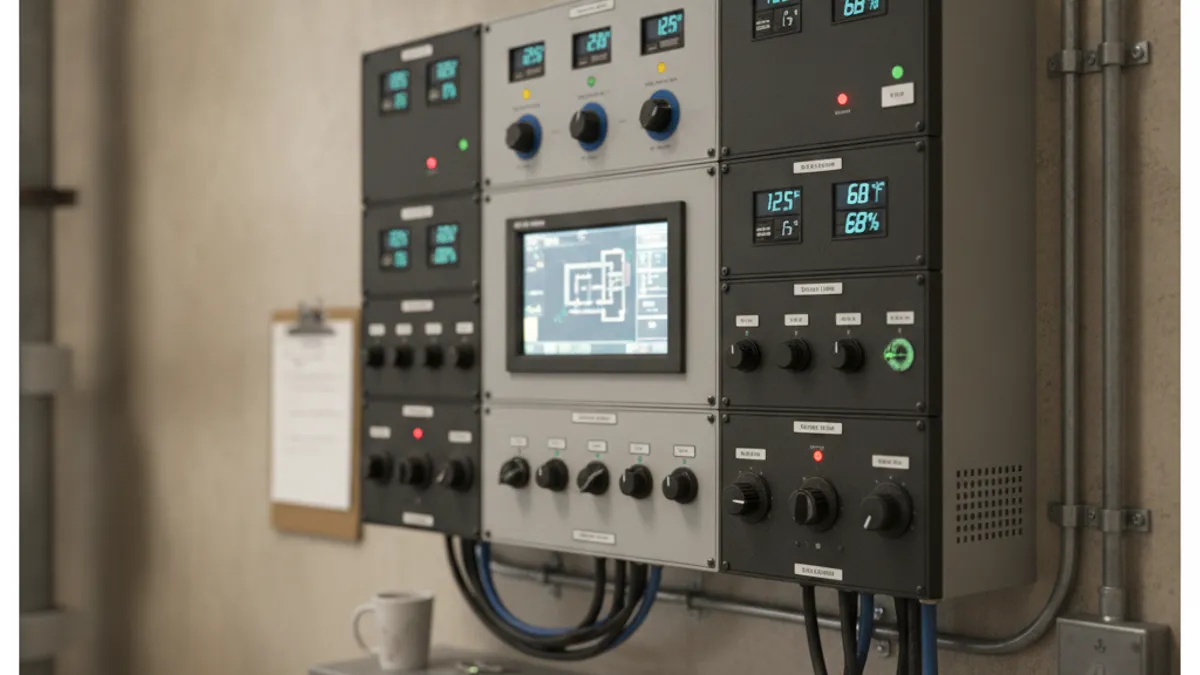
Colorado HVAC Licensing: What Contractors Must Hold
Colorado DORA issues Journeyman and Master licenses for HVAC mechanics. Most residential installations require a Master licensee to pull permits and supervise work. Verify licenses free at the DORA online lookup portal before hiring any contractor.
Federal law mandates that any technician who handles refrigerants — including R-410A and the newer R-32 and R-454B — hold an EPA 608 certificate. There are four types; most residential techs need Type II or Universal certification to legally service AC systems.
Denver, Boulder, Colorado Springs, and Fort Collins each have their own permit offices. Contractors must pull a mechanical permit for new installations and most replacements. Final inspections by a city or county inspector protect homeowners and validate code compliance.
Colorado law requires contractors to carry general liability insurance (typically $1 million minimum) and workers' compensation if they employ anyone. Always ask for certificates of insurance and verify they are current — an expired policy is as useless as no policy at all.
North American Technician Excellence (NATE) is the gold standard voluntary credential in HVAC. NATE-certified technicians pass rigorous exams on specific equipment categories. Many top Colorado contractors require NATE certification for all their service technicians.
Cost is one of the first questions homeowners ask, and it's also one of the hardest to answer without context. HVAC pricing in Colorado varies significantly based on the type of work, the equipment being installed, the complexity of your ductwork, and even the city you live in. A straightforward furnace replacement in a single-story Denver bungalow will cost far less than installing a zoned heat pump system in a multi-level Boulder home with complicated duct routing.
For a standard central air conditioner replacement — removing the old system and installing a new 3-ton unit with matching coil — expect to pay between $4,500 and $8,500 in most Colorado metro areas as of 2026. That range reflects real differences in equipment efficiency ratings. A minimum-efficiency 13 SEER2 unit sits at the low end, while a high-efficiency 20+ SEER2 variable-speed compressor pushes the top of that range. The higher upfront cost of a premium unit typically pays back through lower monthly energy bills, especially important given Colorado's long cooling seasons at higher altitudes.
Furnace replacement costs follow a similar pattern. A 90% AFUE two-stage gas furnace properly sized for a 2,000-square-foot home typically runs $3,500 to $6,500 installed, including labor, refrigerant line set if needed, new flue venting, and the permit fee. Upgrading to a 98% AFUE modulating furnace — the most efficient gas option available — adds $1,000 to $1,500 but can reduce heating bills by 8–15% compared to a 90% model, meaningful savings in Colorado's eight-month heating season.
Heat pumps deserve special mention because they're reshaping the Colorado HVAC market. Cold-climate heat pumps rated to operate efficiently down to -13°F are now practical alternatives to gas furnaces in most Colorado locations. Installed cost for a whole-home heat pump system (air handler plus outdoor unit) ranges from $6,000 to $14,000 depending on size and brand. However, Xcel Energy currently offers rebates up to $2,000 for qualifying cold-climate heat pumps, and the federal 25C tax credit covers 30% of equipment and installation costs up to a $2,000 annual cap, dramatically improving the economics.
Service and maintenance pricing is more standardized. A seasonal tune-up — checking refrigerant charge, cleaning coils, testing electrical connections, lubricating motors, and verifying safety controls — typically costs $89 to $175 per visit. Many contractors offer maintenance agreements that bundle two annual visits (spring AC check and fall heating check) for $150 to $300 per year, often including priority scheduling and parts discounts. These agreements make financial sense because a well-maintained system runs more efficiently and lasts years longer than one that's neglected.
Emergency service calls carry premium pricing. After-hours or weekend HVAC calls in Colorado often start with a $100 to $200 diagnostic fee before labor is added. In July and January — the months when systems fail most often under peak loads — some contractors charge double-time rates. This is one reason homeowners who invest in preventive maintenance tend to save money over the long run: catching a failing capacitor during a spring tune-up costs far less than an emergency call when the system dies on the hottest day of summer.
Always get at least three written estimates for any work over $1,000. Make sure each estimate specifies the equipment model number, the SEER2 or AFUE rating, the warranty terms (both manufacturer and labor), the permit fee, and the estimated completion timeline. Comparing apples to apples is impossible without those details — a suspiciously low bid often means cheaper equipment, missing components, or a contractor planning to skip the permit process entirely.
Types of HVAC Services Colorado Homeowners Need Most
New HVAC installation is the most complex and expensive type of work, requiring proper equipment sizing through a Manual J load calculation, correct refrigerant line set sizing, duct system evaluation, and electrical service verification. In Colorado, altitude affects equipment performance — systems installed above 5,000 feet may need derating adjustments. Always confirm your contractor accounts for your home's elevation when selecting and sizing equipment.
Replacement projects offer an opportunity to upgrade efficiency and add features like variable-speed blowers, smart thermostats, and zoning systems. Colorado's utility rebate programs make 2026 an especially good time to replace aging equipment — systems over 12 years old are candidates for replacement, and combining manufacturer rebates, utility incentives, and the federal tax credit can offset 25–40% of installed cost for qualifying systems.
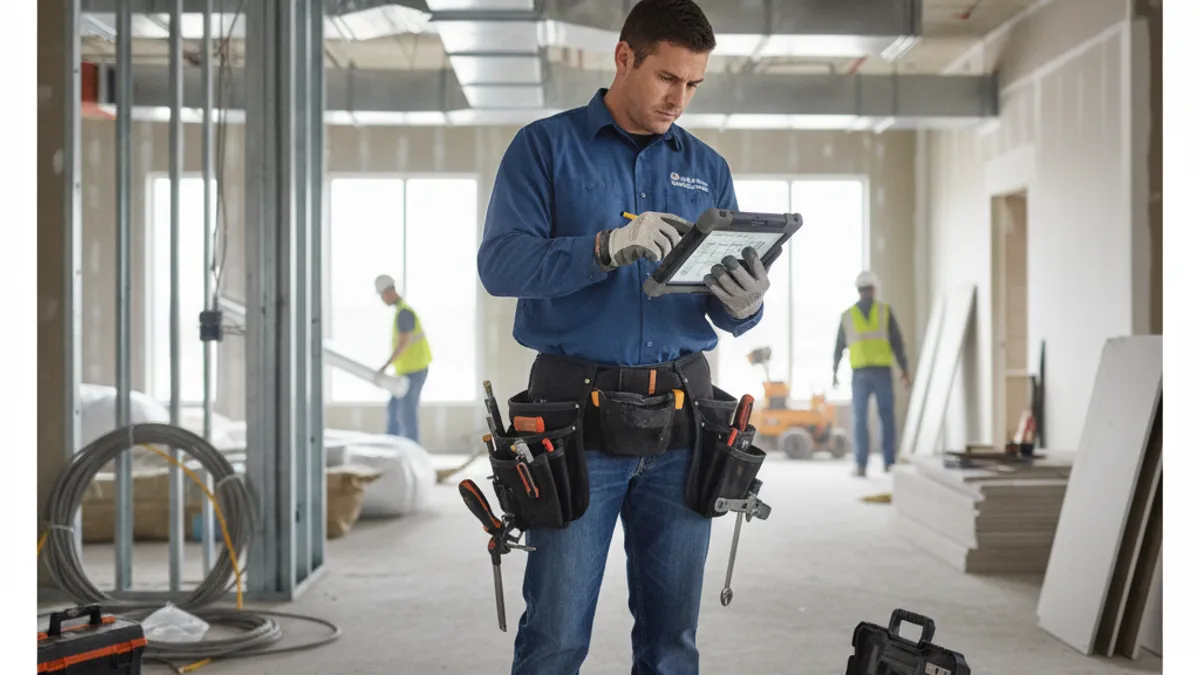
Hiring a Large HVAC Company vs. a Small Local Contractor in Colorado
- +Large companies often have 24/7 emergency service availability with dedicated after-hours teams
- +Established businesses carry higher insurance limits and have deeper financial stability
- +Access to a broader inventory of parts and equipment reduces wait times for repairs
- +Larger fleets mean faster scheduling during peak seasons like July heatwaves
- +Brand-name companies are more likely to offer manufacturer-backed financing programs
- +Franchises often have standardized training programs ensuring consistent technician quality
- −Large companies often charge 20–40% more than small local competitors for the same work
- −You may get a different technician every visit, making relationship-based service harder
- −High-pressure sales tactics are more common at large companies incentivized by commissions
- −Smaller local contractors often respond faster and offer more personalized service
- −Local technicians know Colorado's specific altitude and climate challenges better
- −Small businesses are more motivated to earn repeat business and referrals in the community
Colorado HVAC Contractor Hiring Checklist
- ✓Verify the contractor's Colorado mechanical license on the DORA online portal before signing anything.
- ✓Confirm the contractor carries current general liability insurance and workers' compensation — ask for certificates.
- ✓Check that the technician holds EPA Section 608 certification for any work involving refrigerants.
- ✓Ask specifically whether the contractor will pull a permit for your project and who schedules the inspection.
- ✓Request a Manual J load calculation in writing before accepting any equipment sizing recommendation.
- ✓Get at least three written estimates that include equipment model numbers, efficiency ratings, and warranty terms.
- ✓Read Google, Yelp, and Better Business Bureau reviews — look specifically for comments about punctuality and post-install support.
- ✓Ask how many years of experience the company has working in your specific city or county.
- ✓Confirm whether the quoted price includes all refrigerant, fittings, electrical connections, and disposal of the old unit.
- ✓Ask about available utility rebates and whether the contractor will handle the paperwork on your behalf.
Always Require a Manual J Calculation Before Any Equipment Quote
Colorado's altitude, dry climate, and wide temperature ranges make proper equipment sizing critical. An oversized AC system will short-cycle, fail to dehumidify, and wear out faster. An undersized furnace can't keep up on the coldest nights. Any contractor who quotes a system size based on square footage alone — without a room-by-room Manual J load calculation — is guessing. Insist on the calculation in writing before approving any equipment selection.
Certifications are the most reliable shortcut to identifying technically competent HVAC professionals. Colorado's licensing framework establishes a legal minimum, but certifications go beyond the legal floor to signal ongoing investment in skills. The most important credential to look for is NATE — North American Technician Excellence — which requires technicians to pass proctored exams covering specific equipment categories including air conditioning, heat pumps, gas furnaces, and commercial refrigeration.
NATE certification isn't just a piece of paper. The exams are genuinely challenging, requiring a working understanding of psychrometrics, refrigeration cycle theory, electrical diagnosis, and code compliance. Technicians must recertify every two years, ensuring their knowledge stays current as equipment technology evolves. When you see a truck with NATE certification decals, you have reasonable confidence the technician inside has demonstrated above-average technical ability under controlled testing conditions.
EPA Section 608 certification is federally required rather than optional. There are four certification types — Type I covers small appliances under 5 pounds of refrigerant, Type II covers high-pressure systems (most residential AC), Type III covers low-pressure systems, and Universal covers all three. A technician working on a modern residential split system must hold Type II or Universal. Ask to see the card; a reputable technician carries it and presents it without hesitation.
The Refrigerating Engineers and Technicians Association (RETA) and the Air Conditioning Contractors of America (ACCA) both offer additional credentials relevant to Colorado work. ACCA membership, while not a certification, signals commitment to industry best practices, including Manual J sizing and Manual D duct design — the engineering standards that govern proper system design. Contractors who belong to ACCA have agreed to follow these standards, which is meaningful consumer protection.
For heat pump work specifically, look for contractors who have completed manufacturer training programs. Mitsubishi, Daikin, and Fujitsu — three major ductless heat pump brands with strong Colorado market presence — all run authorized dealer programs that require technicians to complete factory training. These programs go well beyond basic installation and cover commissioning, diagnostic tools, and warranty claim procedures. An authorized dealer's warranty support is typically superior to a generic installer's, which matters when an expensive system needs service years down the road.
HVAC Design certification from ACCA is rare but valuable for new construction or major renovation projects. A contractor with this credential has demonstrated ability to design an entire HVAC system from scratch — calculating loads, selecting equipment, designing duct systems, and verifying the completed system against design specifications. For a custom home or commercial build, this level of design competency can mean the difference between a system that works beautifully for 20 years and one that struggles from day one.
Finally, check whether the contractor's company belongs to the Associated General Contractors of Colorado or the Colorado Contractors Association. These membership organizations require proof of licensing and insurance, provide ongoing training resources, and have ethics processes for handling consumer complaints. While not a guarantee of quality, membership adds one more layer of accountability and makes dispute resolution easier if something goes wrong.
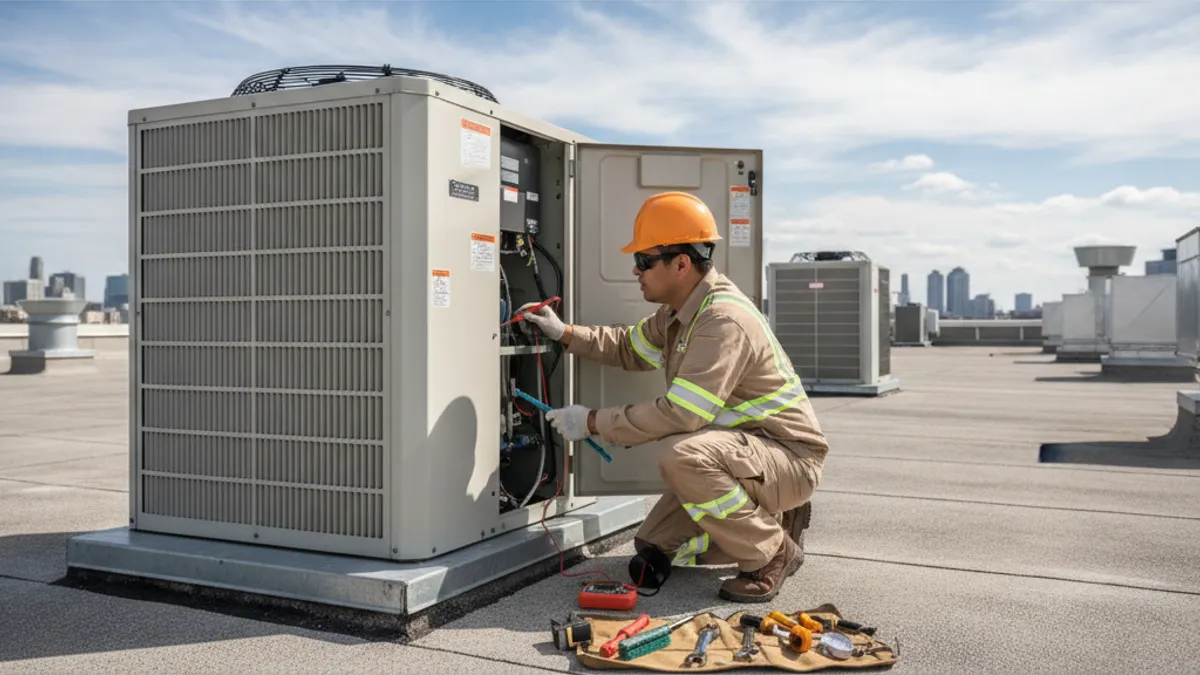
Some contractors offer to skip the permit to save you time and money. Do not accept this offer. In Colorado, unpermitted HVAC work can void your homeowner's insurance coverage for related claims, create complications when you sell the property (inspectors will flag unpermitted work), and leave you personally liable for code violations. If the contractor doesn't want to pull the permit, find one who will — it protects you, not them.
Knowing how to spot a fraudulent or incompetent contractor is just as important as knowing what credentials a good one holds. The HVAC industry attracts its share of unlicensed operators, especially after major weather events when desperate homeowners are more vulnerable to pressure tactics. Colorado's licensing database is public and free to search, making verification a two-minute step that can save thousands of dollars and months of frustration.
The most common scam targeting Colorado homeowners is the refrigerant fraud. A technician arrives for a service call, reports that your system is low on refrigerant, and offers to add refrigerant without diagnosing where it went. Refrigerant doesn't evaporate — if a system is low, there is a leak. Adding refrigerant without finding and fixing the leak means you'll be having the same conversation again in three to six months, paying again each time. A legitimate technician finds the leak first, repairs it, and then recharges the system to the manufacturer's specification.
Quote bait-and-switch is another pattern. A company advertises a tune-up for $49 or similar low price, then the technician arrives and produces a lengthy list of expensive recommended repairs, often using scare language about imminent system failure. Some of these recommendations may be legitimate, but pressure to approve work on the spot, combined with claims that the system is dangerous to run, is a manipulation tactic. Always get a second opinion before approving repairs over $300 that weren't part of the original service call scope.
Oversizing equipment is a subtle form of contractor negligence that's extremely common in Colorado. Contractors sometimes install oversized systems because bigger equipment costs more (higher margin) and because customers naively equate bigger with better. An oversized air conditioner cools the space so quickly that it shuts off before removing adequate humidity, leaving the home feeling clammy and the equipment cycling rapidly between on and off states. This short-cycling dramatically shortens compressor life. Insist on seeing the Manual J calculation and verify the numbers against published guidelines before approving any equipment selection.
Online review manipulation is widespread in the trades. A company with 200 five-star reviews accumulated over six months deserves scrutiny — legitimate businesses build review profiles over years. Look for reviews that mention specific technician names, describe actual problems and how they were solved, and include both praise and constructive feedback. Suspiciously uniform, generic reviews are often purchased. Cross-reference Google reviews with Yelp and the BBB, where different review populations make coordinated manipulation harder.
Verbal-only contracts are a serious red flag. Any contractor who refuses to put the scope of work, equipment specifics, pricing, warranty terms, and permit responsibility in writing is protecting themselves at your expense. Colorado's Home Improvement Contract laws require written contracts for work over $500, and you should insist on one even for smaller jobs. The contract should specify exactly which equipment model will be installed, not just a brand name or vague description like "3-ton unit."
Finally, be cautious of contractors who pressure you to decide immediately. High-pressure closing tactics — "this price is only good today" or "we have another customer who wants this slot" — are manipulation strategies, not genuine business constraints. Reputable Colorado HVAC companies give written estimates that are valid for 30 days. Take the time to get multiple bids, check references, and verify credentials. A contractor unwilling to give you that time is telling you something important about how they operate.
Once you've verified credentials, collected multiple estimates, and chosen a contractor, the work of being a good client begins. Homeowners who prepare properly for HVAC installations and major repairs get better results, fewer surprises, and stronger relationships with their contractors. The practical steps you take before, during, and after the work make a meaningful difference in the final outcome.
Before work begins, clear a path to the equipment. Contractors need unobstructed access to your furnace, air handler, outdoor condenser unit, and electrical panel. Moving stored items from the utility room, trimming shrubs from around the outdoor unit, and unlocking all relevant access points before the crew arrives saves time and puts everyone in a good frame of mind. Many contractors charge additional time if they have to wait for the homeowner to clear the work area after arrival.
Document the existing system before any work starts. Take photos of the nameplate on the old equipment, the thermostat settings, and the duct configuration. This documentation protects you if a dispute arises about what was in place before the work began. It also helps the contractor if they need to reference the old system's specifications during installation. Good documentation is good communication.
Stay home during the installation if possible. Questions arise during complex installations, and having the homeowner available to answer them prevents delays and misunderstandings. If you can't be home, designate a trusted contact who has authority to make decisions, and make sure the contractor has that person's contact information before work starts. Installing the wrong thermostat location or skipping a zone because the crew couldn't reach you costs more to fix than to get right the first time.
Request a system walkthrough when the work is complete. A professional HVAC contractor will take 15–20 minutes to demonstrate the new system, explain thermostat operation, show you the filter location and replacement schedule, and answer questions about maintenance. If the contractor rushes out the door without this walkthrough, ask for it — you're entitled to understand how to operate and maintain the system you just paid for. Get the permit inspection date and the contractor's contact for warranty claims before they leave.
Register the equipment warranty immediately. Most major manufacturers — Carrier, Trane, Lennox, Bryant, Rheem, and others — require equipment registration within 60 to 90 days of installation to activate extended warranty coverage. An unregistered unit typically carries a 5-year parts warranty, while registered units often receive 10-year coverage. In Colorado's harsh climate, that extra five years of parts protection is worth the five minutes it takes to register online.
Schedule your first maintenance visit for one year after installation. The break-in period for new HVAC equipment often reveals minor issues — a slightly loose fitting, a refrigerant charge that settled, or a filter that needs adjustment — that a one-year check will catch before they become expensive problems. Many contractors include the first maintenance visit in the installation price; if yours doesn't, ask them to add it to the contract.
Keep records of every service visit, including the technician's name, the work performed, parts replaced, and any recommendations noted for future attention. A simple folder with service receipts and equipment manuals gives you an invaluable reference if you need warranty support, if you sell the home and want to show maintenance history, or if you're trying to decide whether to repair or replace an aging system. Organized homeowners consistently get better service outcomes than disorganized ones.
HVAC Questions and Answers
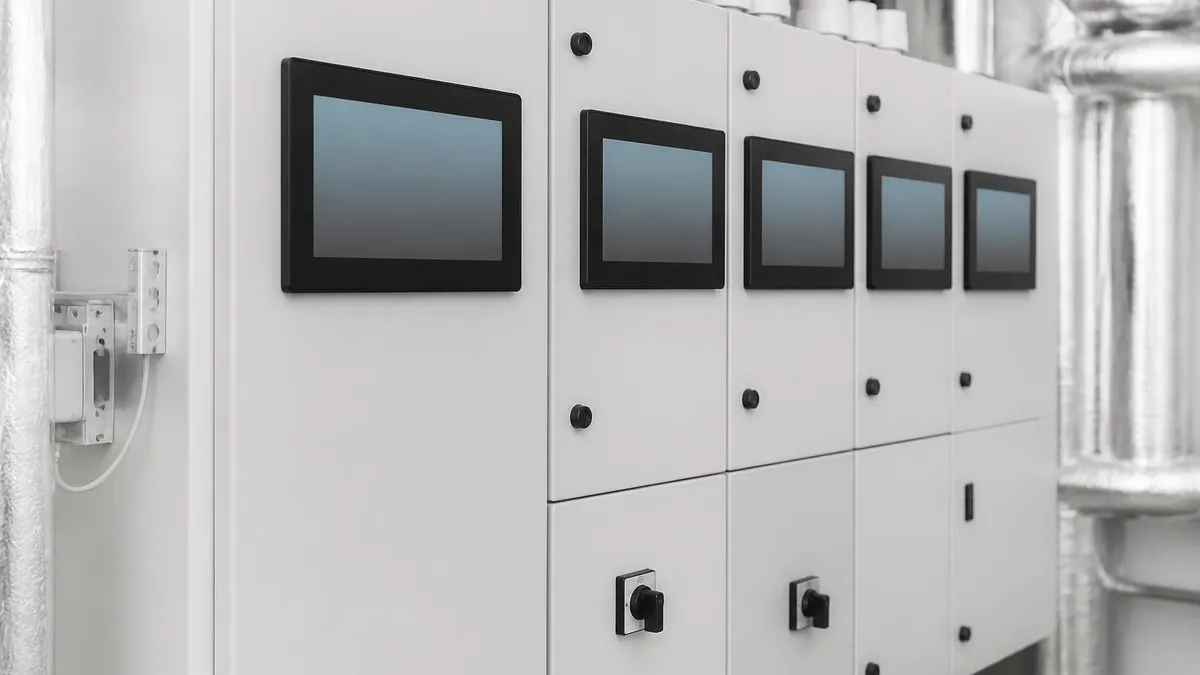
Finance a New HVAC System: 2026 Loans, 0% APR, and Rebates
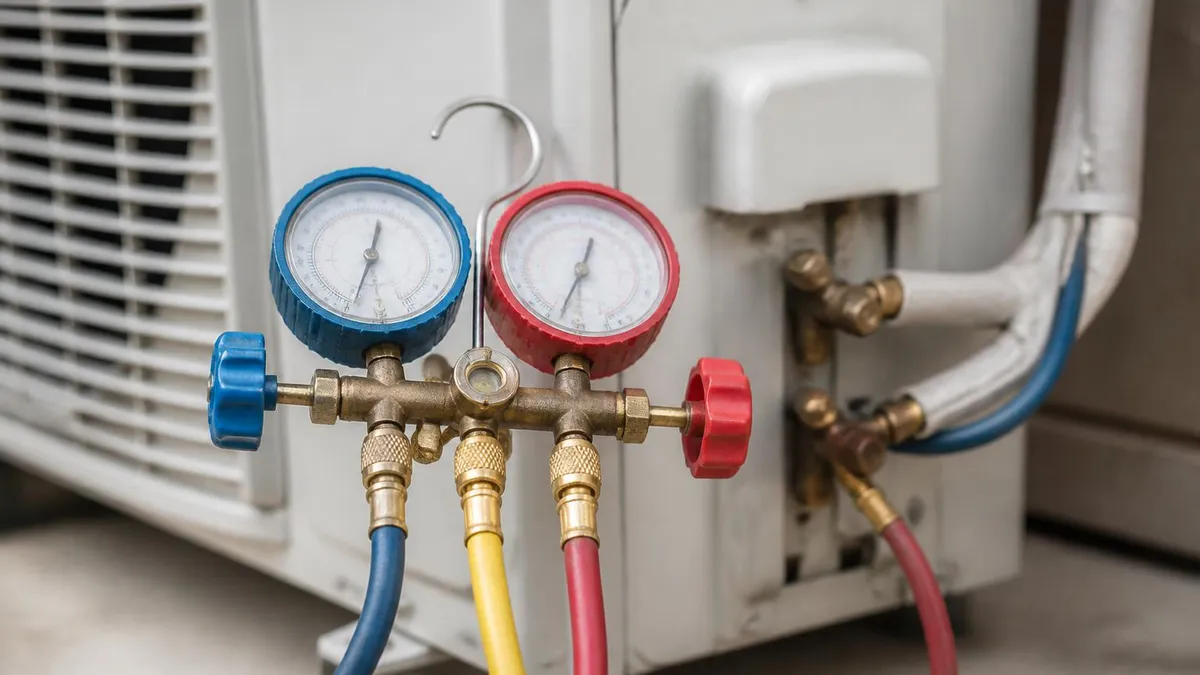
HVAC Design: The Complete Guide to Heating, Ventilation, and Air Conditioning System Planning for Homes and Commercial Buildings
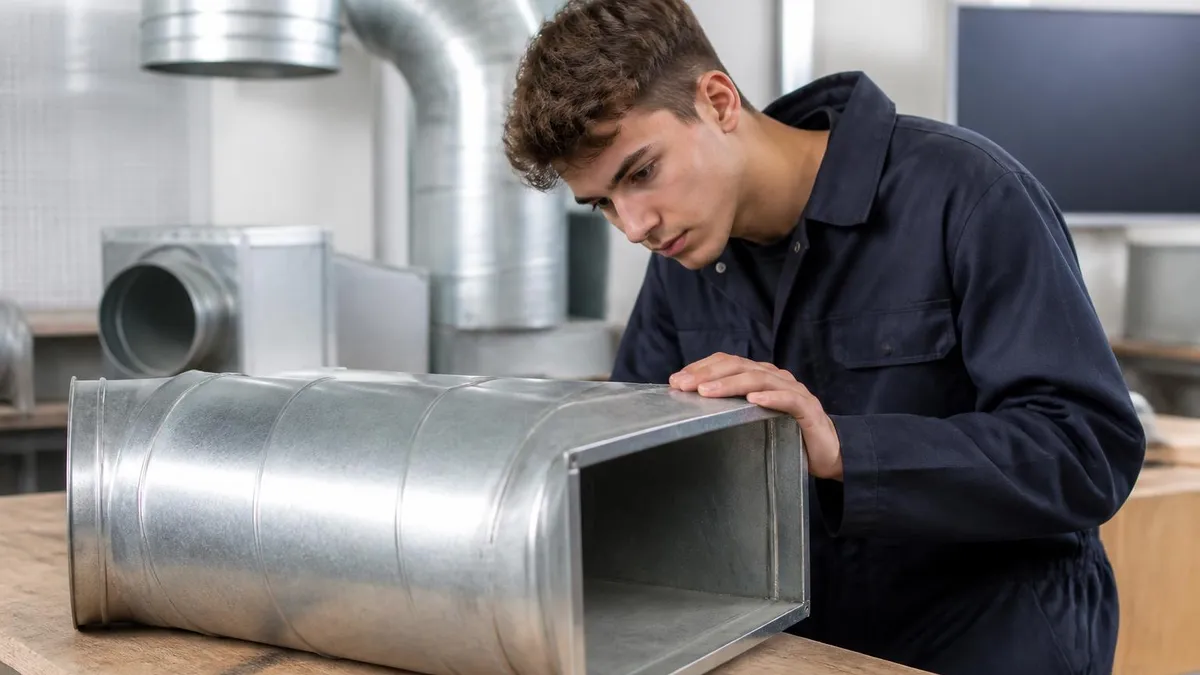
HVAC Duct Repair: Common Issues, Costs, and DIY vs Professional

HVAC and Plumbing: How These Two Trades Intersect, What Technicians Need to Know, and How to Build a Career in Both

HVAC Technical Academy: Your Complete Guide to Programs, Requirements, and Career Success
About the Author

NATE Certified HVAC Technician & Licensing Exam Trainer
Universal Technical InstituteMike Johnson is a NATE-certified HVAC technician and EPA 608 universal-certified refrigerant handler with a Bachelor of Science in HVAC/R Technology. He has 19 years of commercial and residential HVAC installation and service experience and specializes in preparing technicians for NATE certification, EPA 608, A2L refrigerant safety, and state HVAC contractor licensing examinations.