

GC Practice Test
Updated for October 2026The Gyrotonic Expansion System® is a unique approach to movement that combines principles from yoga, dance, gymnastics, swimming, and tai chi. Developed by Juliu Horvath, this method emphasizes fluid, circular motions to enhance strength, flexibility, and overall body awareness. For those interested in teaching this innovative system, obtaining Gyrotonic certification involves a structured, multi-level process. This article provides a comprehensive overview of the certification levels, training requirements, and the role of kinesiology in the curriculum.
GC Practice Test Questions
Prepare for the GC - Gyrotonic Certification exam with our free practice test modules. Each quiz covers key topics to help you pass on your first try.
GC Anatomy & Physiology for Gyrotonic Prac...
GC Exam Questions covering Anatomy & Physiology for Gyrotonic Practice. Master GC Test concepts for certification prep.
GC Communication & Stakeholder Engagement
Free GC Practice Test featuring Communication & Stakeholder Engagement. Improve your GC Exam score with mock test prep.
GC Gyrotonic Business & Studio Management
GC Mock Exam on GC Gyrotonic Business & Studio Management. GC Study Guide questions to pass on your first try.
GC Gyrotonic Teaching Methodology & Instru...
GC Test Prep for GC Gyrotonic Teaching Methodology & Instruction. Practice GC Quiz questions and boost your score.
GC Gyrotonic Client Evaluation & Program D...
GC Questions and Answers on Gyrotonic Client Evaluation & Program Design. Free GC practice for exam readiness.
GC Gyrotonic Equipment Usage & Techniques
GC Mock Test covering Gyrotonic Equipment Usage & Techniques. Online GC Test practice with instant feedback.
GC Gyrotonic Movement Principles & Body Me...
Free GC Quiz on Gyrotonic Movement Principles & Body Mechanics. GC Exam prep questions with detailed explanations.
GC Gyrotonic Safety & Injury Prevention
GC Practice Questions for Gyrotonic Safety & Injury Prevention. Build confidence for your GC certification exam.
GC Professional Ethics & Standards
GC Test Online for Professional Ethics & Standards. Free practice with instant results and feedback.
Key Takeaways
Free Gyrotonic Practice Test Online
Structured Certification Process: The Gyrotonic certification involves sequential stages—pre-training, foundation course, apprenticeship, and final certification—to ensure comprehensive trainer development.
Holistic Movement System: Gyrotonic integrates elements from various disciplines to promote functional strength, flexibility, and overall well-being.
Emphasis on Kinesiology: A solid understanding of human movement principles enhances a trainer's ability to instruct effectively and safely.
Understanding Gyrotonic Certification
Becoming a certified Gyrotonic trainer requires dedication and a commitment to mastering the method's intricacies. The certification process is designed to ensure that trainers possess a deep understanding of the exercises and can effectively guide clients. The journey typically spans several stages, each building upon the previous to cultivate proficient and knowledgeable instructors.
- ✓Confirm your exam appointment and location
- ✓Bring required identification documents
- ✓Arrive 30 minutes early to check in
- ✓Read each question carefully before answering
- ✓Flag difficult questions and return to them later
- ✓Manage your time — don't spend too long on one question
- ✓Review flagged questions before submitting
What is Gyrotonic?
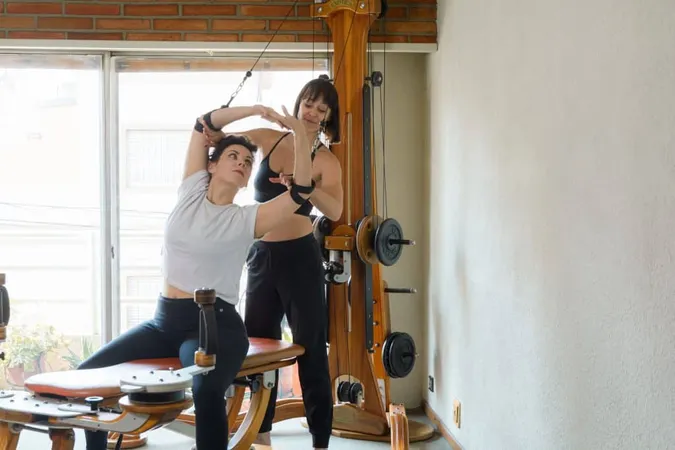
Gyrotonic is a holistic movement system that focuses on three-dimensional, circular, and spiraling motions. It aims to improve functional strength, flexibility, and coordination while promoting a sense of well-being. The exercises are performed on specialized equipment, such as the Gyrotonic Pulley Tower, which provides resistance and support to help fluid movement patterns. This method addresses the entire body, opening energy pathways, stimulating the nervous system, increasing range of motion, and creating functional strength through rhythmic, flowing movement sequences.
Gyrotonic Training: The Certification Pathway
The Gyrotonic certification pathway is structured to develop competent trainers through a series of progressive courses:
Pre-Training Course: This initial phase introduces students to the foundational Gyrotonic Level 1 exercises. Spanning six days and totaling 30 hours, the pre-training course prepares participants physically and mentally for the subsequent foundation course. Prerequisites include familiarity with the Gyrotonic method, typically achieved through a minimum of ten classes with a certified trainer.
Foundation Course: Following pre-training, the foundation course explores deeper into the Level 1 curriculum over 12 days (60 hours). Conducted by a Gyrotonic Master Trainer, this segment focuses on teaching techniques, exercise principles, and effective client instruction. Completion of the foundation course grants participants the status of Gyrotonic Apprentice, allowing them to begin teaching under supervision.
Apprenticeship: During this phase, apprentices refine their teaching skills by completing 60 client teaching hours and a minimum of 30 supervised apprenticeship hours. This period, lasting between six months to a year, is crucial for gaining practical experience and deepening understanding of the Gyrotonic method.
Final Certification Course: The culmination of the certification process is a three-day (approximately 17 hours) assessment. Candidates must demonstrate proficiency in executing exercises and effectively teaching clients. Successful completion of this course results in full certification as a Gyrotonic Trainer, authorizing individuals to teach the method professionally.
Gyrotonic Fitness: Enhancing Physical Well-being
Gyrotonic fitness offers numerous benefits that contribute to overall physical well-being:
Improved Flexibility: The method's emphasis on circular movements enhances joint mobility and muscle elasticity.
Increased Strength: Exercises target both major muscle groups and smaller stabilizing muscles, promoting balanced strength development.
Enhanced Posture: Gyrotonic movements encourage proper alignment, leading to better posture and reduced strain on the body.
Stress Reduction: The rhythmic and flowing nature of the exercises builds relaxation and mental clarity.
Does a Gyrotonic Teacher Learn Kinesiology?
Kinesiology, the study of human movement, plays a significant role in Gyrotonic training. Understanding kinesiology principles enables trainers to:
Analyze Movement Patterns: Recognize and correct dysfunctional movement habits in clients.
Enhance Exercise Effectiveness: Apply biomechanical knowledge to optimize exercise execution and outcomes.
Prevent Injuries: Identify potential risk factors and implement strategies to mitigate injury risks.
While the Gyrotonic certification program does not include formal kinesiology coursework, trainers are encouraged to pursue additional education in this field to complement their teaching skills.
GC: Pros and Cons
- +GC certification validates expertise recognized by employers nationwide
- +Certified professionals typically earn 15-20% higher salaries
- +Opens doors to advanced positions and leadership roles
- +Demonstrates commitment to professional standards and ethics
- +Builds a strong professional network through certification communities
- −Exam preparation typically requires 2-4 months of dedicated study
- −Certification and exam fees can range from $150-$500+
- −Must complete continuing education to maintain active certification
- −Pass rates vary — thorough preparation is essential for success
- −Some certifications require prerequisite experience or education
About the Author

Certified Professional Development Expert & Niche Certification Advisor
University of Pennsylvania Graduate School of EducationDr. Alexandra Kim holds a PhD in Professional Studies from the University of Pennsylvania and is a Certified Professional in Learning and Performance (CPLP) and Certified Professional in Talent Development (CPTD). With 17 years of corporate training and professional certification advisory experience, she helps professionals navigate specialized, emerging, and cross-industry certification programs.