
How to Be Your Own General Contractor: What to Know 2026 September
🔎 Pass the How to Be Your Own General Contractor: exam with confidence. Practice questions with detailed explanations and instant feedback on every answer.
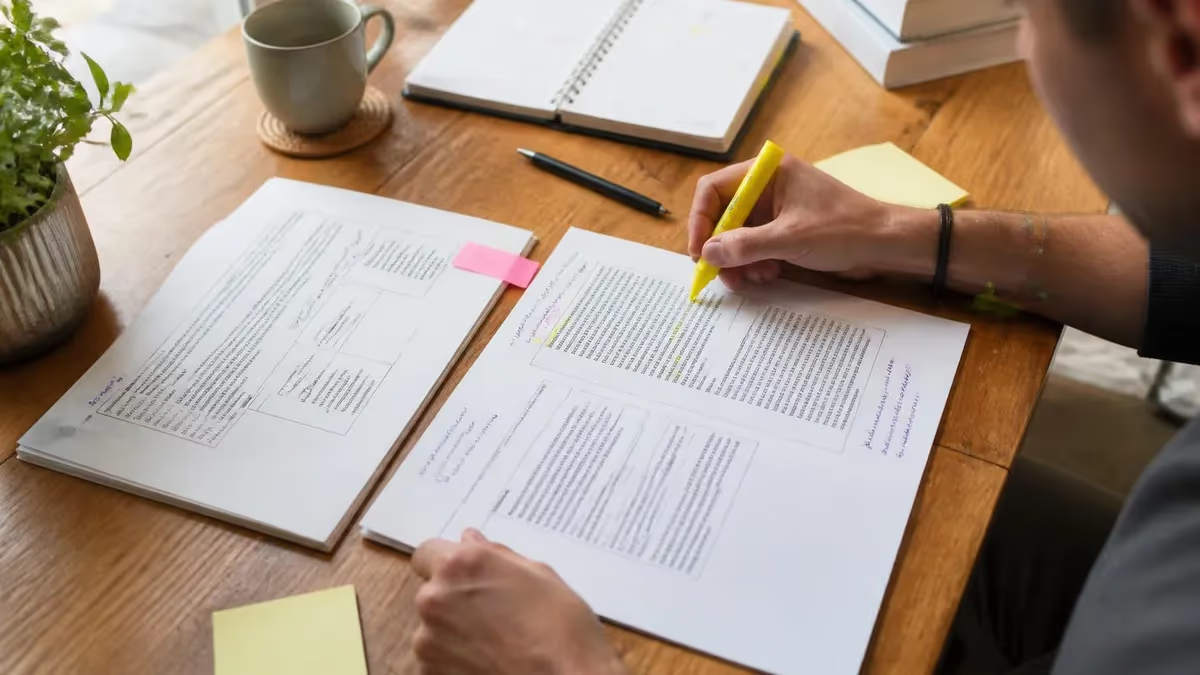
Can You Be Your Own General Contractor?
If you're building a home or doing a major renovation, you might be wondering whether you can cut out the general contractor and manage the project yourself. The answer is yes — in most states, homeowners can act as their own general contractor on their own property. But "can" and "should" are very different questions.
Acting as your own GC means you become the project manager. You hire and coordinate all the subcontractors — framing crew, electricians, plumbers, HVAC techs, drywall, roofers, painters. You pull the permits. You schedule inspections. You deal with material deliveries. You handle disputes when a sub's work doesn't pass inspection or when two crews need the same space on the same day.
It's a serious undertaking, not a casual DIY project. Most people who successfully owner-contract their own homes have strong project management skills, some construction knowledge, and a lot of time available. The ones who run into trouble typically underestimate one or all of those requirements.
Legal Requirements: When You Need a License
The legality of acting as your own GC depends on your state and municipality. Most states allow homeowners to pull permits and manage construction on their primary residence without a general contractor license. But there are exceptions and limitations:
- Many states require you to occupy the property for a minimum period (commonly 1 year) after construction to prevent investor flips using the owner-builder exemption
- Some work — electrical, plumbing, HVAC — still requires licensed specialty contractors regardless of whether you have a GC license
- Condo associations, HOAs, and some municipalities have their own rules that override state owner-builder exemptions
- If you're building commercially (not your primary residence), you almost certainly need a licensed GC
Check your local building department before assuming you're exempt. The rules vary enough that generalizing is dangerous.
What You'll Actually Be Managing
Before committing to owner-contracting, understand the scope of what you're taking on. A typical new home build involves coordinating 20+ subcontractor specialties in a specific sequence. The sequence matters — you can't drywall before electrical rough-in passes inspection, can't install tile before waterproofing is done, can't finish floors before all the trades have completed their rough work.
The scheduling alone is a part-time job. Subs have their own schedules and other clients. If the framers finish on Thursday and the electricians can't come until the following Monday, you've got a week of dead time. Multiply those delays across 20 specialties and timelines slip fast.
Material procurement is equally demanding. You need materials on-site before each crew arrives — but not so early that they become a liability or get damaged. Lumber, concrete, windows, roofing, cabinets — all have lead times, some of which have gotten unpredictably long in recent years.
Key Takeaway: General Contractor License certification demonstrates expertise in this field. Most candidates spend 4-8 weeks preparing with practice tests before taking the exam.
Steps to Owner-Contracting Your Home
If you've assessed the requirements and you're moving forward, here's the core process:
Step 1: Research Your Local Requirements
Call your local building department. Ask specifically about the owner-builder permit process, what documentation you need, which trades require licensed subcontractors, and what inspections are required at each stage. Get this information in writing if possible.
Step 2: Create a Project Budget and Schedule
Build a realistic budget with contingency — 15–20% contingency is not excessive for a complex project. Create a construction schedule that maps each trade's work in the proper sequence. This schedule becomes your coordination tool throughout the project.
Step 3: Hire Subcontractors
Get 2–3 bids for each trade. Verify licenses (your state contractor licensing board has a lookup tool). Check references and review their work on comparable projects. Use written subcontractor agreements for every trade, not verbal commitments.
Step 4: Pull Permits
Your building department will tell you which permits are needed and in what order. The structural/building permit is typically pulled first; mechanical, electrical, and plumbing permits follow. Permit fees vary widely by jurisdiction and project value.
Step 5: Manage the Project
Day-to-day project management means: being on site or reachable at all times, confirming crew arrival and material delivery windows, coordinating inspection scheduling, resolving issues as they come up, and tracking budget vs. actual spending. This is the job.
Common Mistakes First-Time Owner-Contractors Make
Underestimating time commitment is the most common issue. If you have a full-time job, being your own GC is effectively a second one. Many owner-contractors report spending 20–30 hours per week on project management during active construction phases.
Hiring based on price rather than quality creates bigger problems downstream. The cheapest framing crew isn't a bargain if their work fails inspection or needs to be redone. Check references. Pay for quality. Rework is expensive in both money and schedule.
Not maintaining a punch list leads to forgotten items. Keep a running list of open items, deficiencies, and change orders. Without it, small things fall through the cracks and compound into larger problems at final inspection.
The general contractor license requirements in many states exist precisely because coordinating complex construction projects requires significant knowledge and experience. That knowledge base is what you're supplementing with owner-contracting.
When to Hire a Licensed GC Instead
Some situations genuinely call for a licensed general contractor even if you're capable of owner-contracting in theory. Complex structural work, additions requiring engineered drawings, projects with tight timelines, situations where you'll be absent from the site regularly, and projects in jurisdictions with stringent oversight — all are better handled by a licensed professional who carries the liability and has the established trade relationships.
The cost of a GC (typically 10–20% of total project cost) buys you their expertise, their relationships with subs, their license and insurance coverage, and their time. For the right project and the right homeowner, owner-contracting saves that cost. For others, it's a false economy that results in costly delays and rework.
General Contractor License: Pros and Cons
- +general contractor license — growing demand for General Contractor License professionals in the job market
- +Diverse career opportunities across multiple industries
- +Competitive compensation packages including benefits
- +Clear advancement path from entry-level to senior positions
- +Transferable skills applicable to related fields
- −Entry-level positions may offer lower starting compensation
- −Field can be competitive — relevant certifications help stand out
- −Work-life balance varies by employer and specialty
- −Keeping skills current requires ongoing professional development
- −Some positions require specific licenses or background checks

Know the Trade Before You Lead the Job
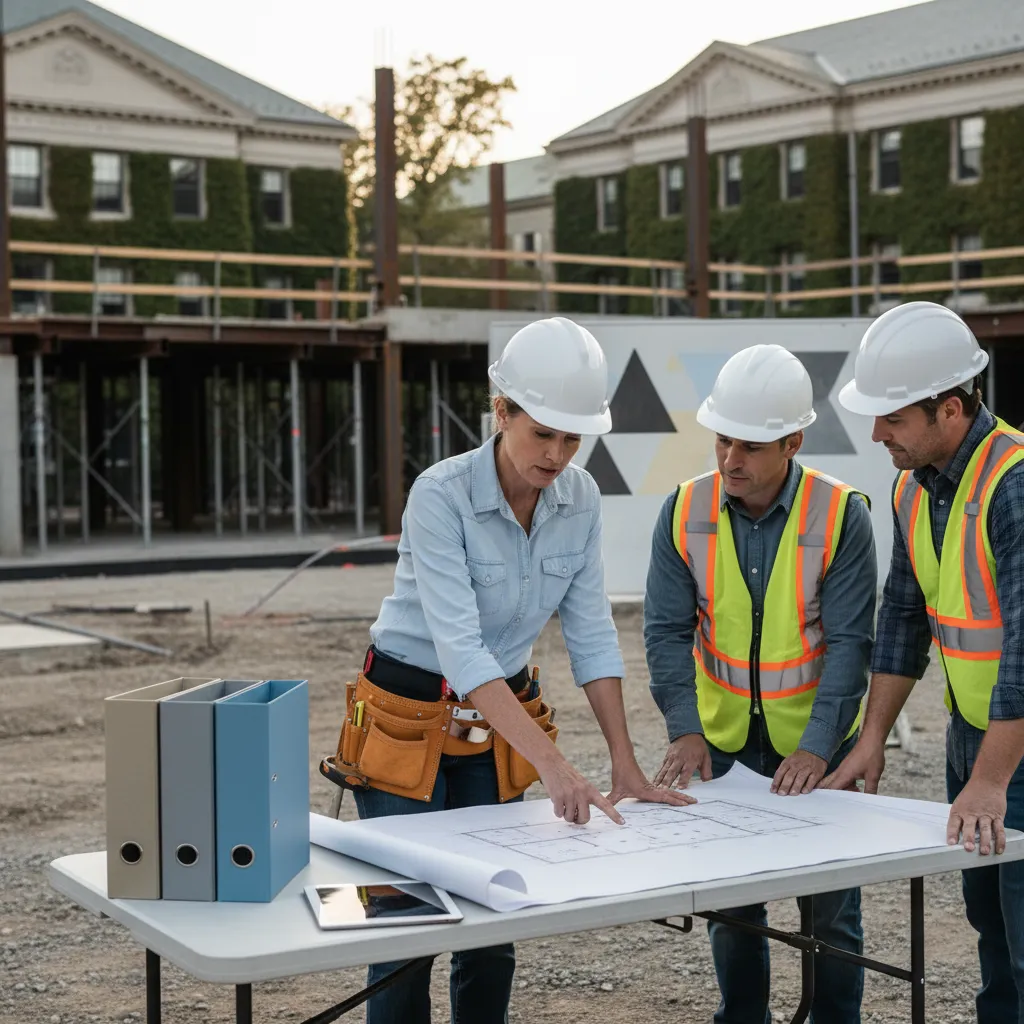
Whether you're planning to owner-contract your own build or you're studying for a general contractor license exam, understanding the full scope of what a GC does — scheduling, subcontractor coordination, permits, inspections, budgeting — gives you a real edge.
Our general contractor practice tests cover building codes, MEP systems, project management, and contractor law — the same content that appears on state GC licensing exams. Working through these questions deepens your construction knowledge base whether you're licensing or owner-contracting.
Being your own general contractor is a serious project management role. Go in with open eyes, realistic time estimates, and solid systems — and you can absolutely make it work.
About the Author

Educational Psychologist & Academic Test Preparation Expert
Columbia University Teachers CollegeDr. Lisa Patel holds a Doctorate in Education from Columbia University Teachers College and has spent 17 years researching standardized test design and academic assessment. She has developed preparation programs for SAT, ACT, GRE, LSAT, UCAT, and numerous professional licensing exams, helping students of all backgrounds achieve their target scores.
Join the Discussion
Connect with other students preparing for this exam. Share tips, ask questions, and get advice from people who have been there.
View discussion (7 replies)