

GPT Practice Test
Updated for September 2026A Gas Pipe Technician (GPT) is a highly trained professional responsible for installing, maintaining, and repairing gas piping systems in residential, commercial, and industrial settings. Their work ensures that gas pipelines operate safely and efficiently, preventing leaks and potential hazards.
Gas pipe technicians must adhere to strict safety regulations and industry standards, making certification essential for credibility and career advancement.
Candidates can also sharpen their skills with our CCC practice test 2026, which includes hundreds of practice questions in the exact format and difficulty of the real exam.
GPT Practice Test Questions
Prepare for the GPT - Gas Pipe Technician Certification exam with our free practice test modules. Each quiz covers key topics to help you pass on your first try.
GPT Blueprint Reading & Interpretation
GPT Exam Questions covering Blueprint Reading & Interpretation. Master GPT Test concepts for certification prep.
GPT Code Compliance & Regulations
Free GPT Practice Test featuring Code Compliance & Regulations. Improve your GPT Exam score with mock test prep.
GPT Corrosion Control & Cathodic Protection
GPT Mock Exam on Corrosion Control & Cathodic Protection. GPT Study Guide questions to pass on your first try.
GPT Gas Pipe Installation & Repair
GPT Test Prep for Gas Pipe Installation & Repair. Practice GPT Quiz questions and boost your score.
GPT Gas Metering & Measurement
GPT Questions and Answers on GPT Gas Metering & Measurement. Free GPT practice for exam readiness.
GPT Pressure Testing & System Commissioning
GPT Mock Test covering GPT Pressure Testing & System Commissioning. Online GPT Test practice with instant feedback.
GPT Inspection & Quality Control
Free GPT Quiz on Inspection & Quality Control. GPT Exam prep questions with detailed explanations.
GPT Installation Techniques
GPT Practice Questions for Installation Techniques. Build confidence for your GPT certification exam.
GPT Material Selection & Properties
GPT Test Online for Material Selection & Properties. Free practice with instant results and feedback.
GPT Preventive Maintenance Procedures
GPT Study Material on Preventive Maintenance Procedures. Prepare effectively with real exam-style questions.
GPT Safety & Leak Detection
Free GPT Test covering Safety & Leak Detection. Practice and track your GPT exam readiness.
GPT Safety Procedures & PPE
GPT Exam Questions covering Safety Procedures & PPE. Master GPT Test concepts for certification prep.
GPT System Inspection & Maintenance
Free GPT Practice Test featuring System Inspection & Maintenance. Improve your GPT Exam score with mock test prep.
Key Takeaways
Free GPT Practice Test Online
A Gas Pipe Technician is responsible for installing, maintaining, and repairing gas pipelines.
Certification is essential for career advancement and legal compliance.
The job market for gas technicians is expanding, offering opportunities in residential, commercial, and industrial sectors.
Finding a certified gas technician involves verifying credentials, checking reviews, and ensuring proper licensing.
Becoming certified requires training, hands-on experience, and passing an industry-recognized exam.
What Does GPT Stand For?
GPT stands for Gas Pipe Technician. These professionals specialize in working with various types of gas pipelines, including those used for natural gas, propane, and other fuel sources.
In some contexts, GPT may also refer to "Gas Pipeline Technician," a title used interchangeably depending on the region and industry. Regardless of the terminology, the responsibilities remain focused on ensuring the safe and efficient transport of gas through pipelines.
- ✓Review the official GPT exam content outline
- ✓Take a diagnostic practice test to identify weak areas
- ✓Create a study schedule (4-8 weeks recommended)
- ✓Focus on your weakest domains first
- ✓Complete at least 3 full-length practice exams
- ✓Review all incorrect answers with detailed explanations
- ✓Take a final practice test 1 week before exam day
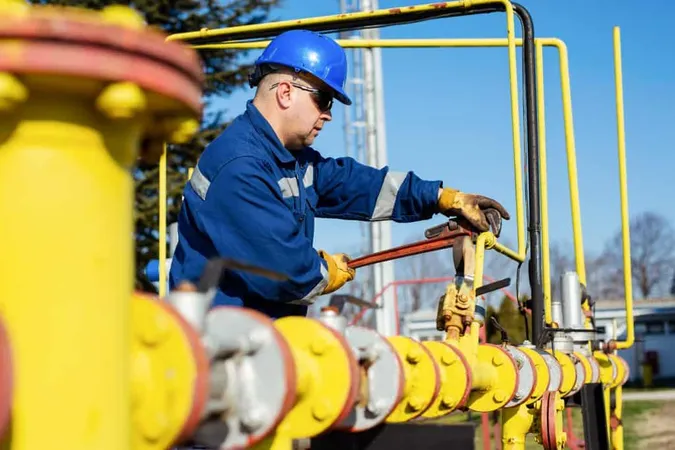
What Is a Gas Pipe Technician?
A Gas Pipe Technician plays a critical role in the infrastructure of gas distribution. Their expertise covers:
Installation: Setting up new gas pipelines and ensuring proper connections.
Maintenance: Conducting inspections, leak detection, and routine servicing.
Repairs: Fixing damaged or worn-out gas pipelines to maintain safety.
Compliance: Adhering to national and local regulations regarding gas safety.
Customer Education: Informing homeowners and businesses about safe gas usage.
How to Find a Certified Gas Technician Near You
If you need gas line services, hiring a certified gas technician ensures quality and safety. To find a reliable technician:
Check Government Directories: Many state or national licensing boards maintain lists of certified gas pipe technicians.
Look for Industry Certifications: A qualified gas technician should have relevant credentials from recognized organizations.
Read Customer Reviews: Online platforms provide insights into a technician’s reliability and expertise.
Verify Licensing and Insurance: Ensure the technician has proper certifications and insurance coverage.
Career Opportunities in Gas Technician Jobs
The demand for skilled gas technicians continues to grow due to expanding infrastructure and the need for safe energy distribution. Career opportunities in this field include:
Residential Gas Technician: Working on home gas systems, including stoves, furnaces, and water heaters.
Commercial Gas Technician: Installing and maintaining gas lines for businesses and large-scale operations.
Industrial Gas Technician: Handling complex gas distribution systems for factories and power plants.
Pipeline Inspector: Ensuring compliance with regulations and identifying potential risks.
Gas Safety Consultant: Advising businesses and homeowners on best practices for gas safety.
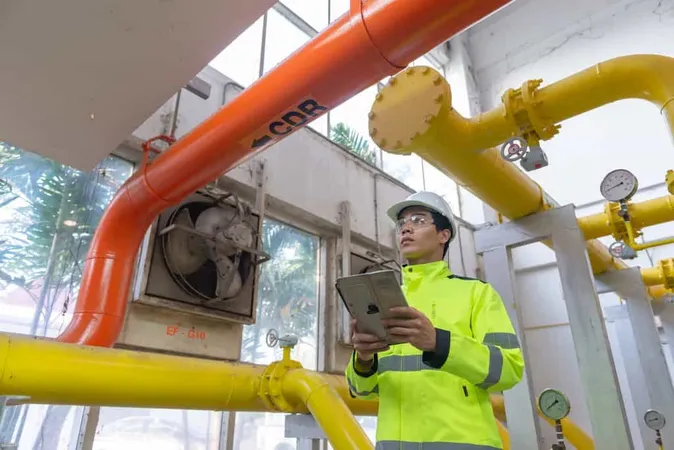
Steps to Become a Certified Gas Pipe Technician
Becoming a certified Gas Pipe Technician involves education, training, and passing certification exams. Below are the essential steps:
Complete a Training Program: Enroll in a gas technician training course offered by vocational schools, community colleges, or trade institutions.
Gain Hands-On Experience: Apprenticeships and on-the-job training provide practical skills necessary for certification.
Pass the Certification Exam: Depending on the region, candidates must pass a standardized exam covering safety protocols, gas pipe installation, and maintenance.
Obtain Licensing: Many states and countries require gas technicians to hold a valid license to work legally.
Stay Updated on Industry Standards: Continuous education ensures compliance with evolving safety regulations and technologies.
GPT: Pros and Cons
- +GPT certification validates expertise recognized by employers nationwide
- +Certified professionals typically earn 15-20% higher salaries
- +Opens doors to advanced positions and leadership roles
- +Demonstrates commitment to professional standards and ethics
- +Builds a strong professional network through certification communities
- −Exam preparation typically requires 2-4 months of dedicated study
- −Certification and exam fees can range from $150-$500+
- −Must complete continuing education to maintain active certification
- −Pass rates vary — thorough preparation is essential for success
- −Some certifications require prerequisite experience or education
About the Author

Certified Professional Development Expert & Niche Certification Advisor
University of Pennsylvania Graduate School of EducationDr. Alexandra Kim holds a PhD in Professional Studies from the University of Pennsylvania and is a Certified Professional in Learning and Performance (CPLP) and Certified Professional in Talent Development (CPTD). With 17 years of corporate training and professional certification advisory experience, she helps professionals navigate specialized, emerging, and cross-industry certification programs.