
FAFSA Deadline California: 2026 September-26 Cal Grant Dates, State Aid Rules, and Filing Guide
✏️ FAFSA deadline California 2026 September-26: Cal Grant date is April 2, federal closes June 30, 2026 September. Complete filing guide, state aid rules, and tips.

The fafsa deadline california students must meet is one of the most consequential dates on the financial aid calendar, because California layers two of the most generous state grant programs in the country on top of federal Pell Grant eligibility. If you live in the Golden State and plan to enroll in college during the 2025-26 academic year, the fafsa deadline you absolutely cannot miss is April 2, 2026, which is the Cal Grant priority filing date set by the California Student Aid Commission for all new applicants.
Understanding what is fafsa and how it interacts with California-specific aid is essential before you start filling out forms. The Free Application for Federal Student Aid, commonly called the fafsa 2025 application, is the single gateway document that unlocks Pell Grants, federal student loans, work-study, Cal Grant A, Cal Grant B, Cal Grant C, the Middle Class Scholarship, institutional aid from UC and CSU campuses, and California Community College fee waivers, so missing the deadline can cost a typical student between $6,000 and $14,000 per year.
California treats the fafsa deadline differently than most states because it offers two parallel state aid forms. U.S. citizens and eligible noncitizens file the standard FAFSA, while undocumented and AB 540 students file the California Dream Act Application (CADAA) by the same April 2 deadline. Both applications feed the Cal Grant program and both require your verified high school GPA to be submitted electronically by your school or uploaded manually by March 2 in most cases, with extensions running through April 2.
The fafsa deadline 2025 cycle was unusual because of the soft launch of the simplified FAFSA, which delayed many applications and forced the California Student Aid Commission to extend its Cal Grant deadline from March 2 to April 2, 2025. The Commission has since adopted April 2 as the permanent priority date for the foreseeable future, so when is fafsa due for 2025-26 in California has a clear answer for high school seniors and current college students applying for renewal.
Beyond the state priority date, the federal fafsa deadline for the 2025-26 award year is June 30, 2026, with corrections accepted through September 12, 2026. However, treating June 30 as your target is a serious mistake in California, because the largest state grants are awarded on a first-come, first-served basis after the April 2 cutoff, and once funding pools are exhausted, late filers receive nothing even if they technically qualify. Recent shifts in federal policy under the fafsa trump administration have also affected processing timelines, so filing early matters more than ever.
This guide walks through every California-specific deadline, the documents you need before you start, how the Student Aid Index (SAI) determines your Cal Grant award amount, what happens if you file late, how community college students file differently, and the exact contact numbers to call when something goes wrong. Whether you are a senior at a Bay Area high school, a transfer student heading to UCLA, or an adult learner returning to a CSU, this article covers the dates and details that determine whether you get the aid you deserve.
By the time you finish reading, you will know precisely when to file, what GPA verification looks like at California schools, how the Cal Grant entitlement works for students who graduated high school within the past year, and how to avoid the most expensive timing errors. The fafsa is not just paperwork; in California it is a multi-thousand dollar decision that hinges almost entirely on hitting one date.
FAFSA Deadline California by the Numbers

California FAFSA Deadline Timeline 2025-26
October 1, 2025 — FAFSA Opens
March 2, 2026 — Cal Grant GPA Verification
April 2, 2026 — Cal Grant Priority Deadline
September 2, 2026 — Community College Deadline
June 30, 2026 — Federal FAFSA Deadline
California Cal Grant eligibility is determined by three independent factors that must all align: your Student Aid Index (SAI) from the FAFSA, your verified high school or college GPA, and your enrollment plans at a Cal Grant-eligible institution. The fafsa deadline california students must meet exists specifically because the Cal Grant program is partially funded through a fixed annual appropriation, and the priority date locks in your entitlement before any competitive pool opens.
The Student Aid Index replaced the old Expected Family Contribution (EFC) calculation starting with the 2024-25 FAFSA, and it remains in use for fafsa 2025 and beyond. For Cal Grant A, dependent students need an SAI at or below approximately $9,500 to receive the full award, with partial awards extending higher. For Cal Grant B, which targets students from lower-income households, the SAI threshold sits closer to $4,500, and the award covers an access grant plus tuition coverage starting in the second year of enrollment.
Income ceilings for Cal Grant are separate from SAI calculations and are published annually by the California Student Aid Commission. For 2025-26, a dependent family of four can earn up to $117,400 and still qualify for Cal Grant A, while the Cal Grant B income ceiling for the same family size is approximately $62,500. Asset ceilings also apply: dependent families cannot have more than $86,300 in non-retirement assets excluding their primary home.
GPA verification is where many California applicants stumble. Cal Grant A requires a minimum 3.0 high school GPA, while Cal Grant B accepts a 2.0 minimum. For transfer students moving from a community college to a four-year institution, the relevant GPA is your college GPA with at least 24 transferable units completed. Your high school or college is responsible for electronically submitting your verified GPA by March 2, but you should confirm submission with your counselor at least three weeks before the deadline.
Residency requirements add another layer that out-of-state families often overlook. To qualify for Cal Grant, you must be a California resident or meet AB 540 nonresident exemption criteria, which requires three years of attendance at a California high school, adult school, or community college plus graduation or a GED. AB 540 students should file the California Dream Act Application instead of the federal FAFSA if they are undocumented or have certain visa statuses. To confirm specific cutoff dates, check when does fafsa close for every state including California.
The Cal Grant Entitlement program guarantees an award to recent high school graduates who meet all criteria. If you graduated from a California high school in the past year and meet the financial and academic requirements, you receive a Cal Grant automatically regardless of how many other students apply. This entitlement is the single most valuable feature of California financial aid and the reason the April 2 deadline matters so much: miss it and you lose entitlement status forever for that award year.
The Competitive Cal Grant pool exists for students who do not qualify for entitlement, including those who graduated high school more than one year ago, adult returning students, and applicants who missed the entitlement deadline. The state awards roughly 25,000 Competitive Cal Grants annually out of more than 300,000 applications, making the success rate under 10 percent. Filing early within the competitive window dramatically improves your chances because awards are distributed in order of application processing.

FAFSA Practice Test Questions
Prepare for the FAFSA - Free Application for Federal Student Aid exam with our free practice test modules. Each quiz covers key topics to help you pass on your first try.
FAFSA Dependency Status
FAFSA Exam Questions covering Dependency Status. Master FAFSA Test concepts for certification prep.
FAFSA Deadlines and Renewal
Free FAFSA Practice Test featuring FAFSA Deadlines and Renewal. Improve your FAFSA Exam score with mock test prep.
FAFSA Verification Process
FAFSA Mock Exam on FAFSA Verification Process. FAFSA Study Guide questions to pass on your first try.
FAFSA Federal Aid Types
FAFSA Test Prep for Federal Aid Types. Practice FAFSA Quiz questions and boost your score.
FAFSA Federal Aid Types and Eligibility
FAFSA Questions and Answers on Federal Aid Types and Eligibility. Free FAFSA practice for exam readiness.
FAFSA Financial Aid Eligibility
FAFSA Mock Test covering Financial Aid Eligibility. Online FAFSA Test practice with instant feedback.
FAFSA Income and Asset Reporting
Free FAFSA Quiz on Income and Asset Reporting. FAFSA Exam prep questions with detailed explanations.
FAFSA Practice Test
FAFSA Practice Questions for Practice Test. Build confidence for your FAFSA certification exam.
When Is FAFSA Due by California School Type
University of California and California State University applicants face the same April 2, 2026 Cal Grant priority deadline as all California students. Both systems also set their own institutional aid priority deadlines that typically fall between March 2 and April 2, so filing by March 2 captures both state and institutional consideration. UC campuses use the SAI from your FAFSA to award Blue and Gold Opportunity Plan tuition coverage for families earning under $80,000.
CSU applicants benefit from the State University Grant, which is institutional aid layered on top of Cal Grant. Each of the 23 CSU campuses awards its own institutional aid pool, and the deadlines for those funds often close earlier than the state Cal Grant date. Verify each campus financial aid office website for specific filing requirements, and remember that CSU applicants must list their school code on the FAFSA to be considered.
Filing the California FAFSA Early vs. Waiting
- +Locks in Cal Grant Entitlement status for recent high school graduates
- +Maximizes institutional aid from UC, CSU, and private California colleges
- +Allows time to correct errors before the April 2 hard deadline
- +Provides earlier and more accurate financial aid award letters from colleges
- +Reduces stress during senior year college decision-making in April and May
- +Gives counselors time to verify and submit your GPA by March 2
- +Catches missing tax information or Social Security mismatches early
- −Requires gathering 2023 tax returns and asset documentation in early fall
- −May require estimating income if tax returns are not yet filed
- −Could lock in financial information that changes if family circumstances shift
- −Requires the FSA ID to be created and verified before filing
- −Demands coordination with high school counselors during busy fall semester
- −Cannot be filed before October 1 each award year regardless of preparation
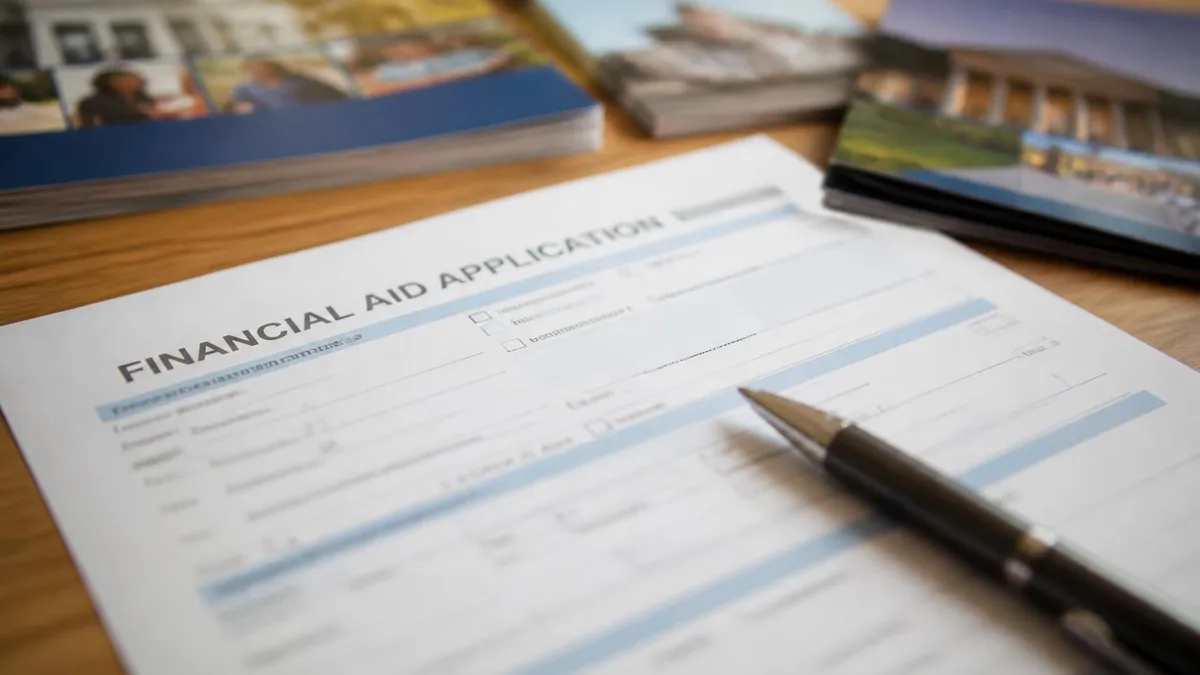
California FAFSA Deadline Checklist for 2025-26
- ✓Create your StudentAid.gov FSA ID by September 15, 2025 (both student and one parent)
- ✓Gather 2023 federal tax returns, W-2s, and untaxed income records before October 1
- ✓List your Social Security number, driver's license, and Alien Registration Number if applicable
- ✓Compile current bank statement balances and investment account values as of FAFSA filing date
- ✓Confirm your high school counselor will submit your verified GPA by March 2, 2026
- ✓File the FAFSA or California Dream Act Application between October 1 and April 2, 2026
- ✓List up to 20 California college codes on your FAFSA to send results to each school
- ✓Review your FAFSA Submission Summary within 3 days of filing and correct any errors
- ✓Verify your Cal Grant award status on WebGrants for Students by May 2026
- ✓Accept or decline aid offers from each California college by the institution's response deadline
- ✓Submit any additional verification documents requested by colleges within 14 days
- ✓Renew your FAFSA each year by April 2 to maintain Cal Grant Renewal status
April 2 Is the Real Deadline — Not June 30
Although the federal FAFSA technically remains open through June 30, 2026 for the 2025-26 award year, California Cal Grant entitlement closes on April 2. Filing between April 3 and June 30 means you forfeit your state grant entitlement permanently, potentially costing $9,000 to $14,000 in lost aid. Treat April 2 as immovable and aim to file by March 1 to give yourself a full month buffer for corrections and GPA verification confirmation.
Missing the fafsa deadline california sets is one of the most expensive mistakes a student can make, because state aid in California operates on strict cutoff logic rather than rolling availability. Once April 2 passes, the entitlement pool closes, and even students with perfect academic records and clear financial need have no recourse. Understanding exactly what happens when you file late helps you plan recovery options or, ideally, avoid the situation entirely.
If you file between April 3 and September 2, 2026, and you plan to attend a California Community College, you remain eligible for the Cal Grant C transfer entitlement and certain renewal awards. This nine-week extension exists because community college enrollment timing is less predictable than four-year institution timing, and the state wants to preserve access for vocational and occupational program students. However, the major Cal Grant A and B Entitlement Awards for four-year schools are gone after April 2.
Students filing between April 3 and June 30, 2026 can still qualify for federal Pell Grants, federal Direct Subsidized and Unsubsidized Loans, and Federal Work-Study, but they lose access to the Middle Class Scholarship for UC and CSU students, the State University Grant supplement, and most institutional priority funding pools. The financial gap created by missing Cal Grant typically forces students to take on $8,000 to $12,000 more per year in private loans or work hours, dramatically changing the affordability calculus.
Renewal students face their own deadline pressure. If you received Cal Grant for 2024-25 and want to maintain your award for 2025-26, you must refile the FAFSA by April 2, 2026 even though you are not a new applicant. The California Student Aid Commission does not automatically renew Cal Grants without a fresh FAFSA each year. Failing to renew means restarting the application process from scratch the following year and potentially losing entitlement status.
Adult returning students and those who graduated high school more than one year ago do not qualify for Cal Grant Entitlement regardless of when they file, but they can compete for the smaller Cal Grant Competitive pool by filing by April 2. The state awards 25,000 of these grants annually, with awards distributed in order of FAFSA processing date, so even within the competitive pool, filing earlier provides a meaningful advantage.
Special circumstances can sometimes extend deadlines. Students affected by natural disasters such as wildfires that disrupted high school attendance may apply for deadline extensions through their school counselor and the California Student Aid Commission. Foster youth and homeless youth have specific protections under federal law that maintain their eligibility, but they still need to file the FAFSA itself. Documentation of qualifying circumstances must be submitted to the Commission in writing.
If you discover you have missed the April 2 deadline, the immediate action is to file the FAFSA anyway, then call the California Student Aid Commission at (888) 224-7268 to discuss any available appeals. You should also contact your specific colleges' financial aid offices because many California campuses have small emergency grant pools, institutional scholarships with later deadlines, and tuition payment plans that can soften the impact of losing Cal Grant for the year.
California Cal Grant funding faces ongoing budget pressure. While the entitlement program remains protected for now, competitive grant pools and certain supplemental awards have been reduced in recent state budgets. The April 2 deadline becomes even more critical when state funding tightens, because waitlists and award reductions hit late filers first. File as soon as the FAFSA opens on October 1 to maximize your protection against mid-cycle budget adjustments that have affected California students in past award years.
Maximizing your California financial aid requires more than just hitting the fafsa deadline california sets at April 2. Strategic timing, accurate income reporting, careful school code selection, and active follow-up with both the California Student Aid Commission and your individual campuses can add thousands of dollars to your award package. The students who receive the most aid treat the FAFSA as a multi-month project rather than a one-time form.
Start by creating your fafsa id at least two weeks before October 1. The FSA ID, formally called the Federal Student Aid Identification, replaces the old PIN system and now requires identity verification through Social Security Administration matching that can take 1-3 business days. Both the student and one parent (for dependent students) need their own FSA ID. Delays in FSA ID approval cause the most common October filing failures, and creating yours in mid-September eliminates this risk entirely.
The IRS Data Retrieval Tool, now called the FUTURE Act Direct Data Exchange in the simplified FAFSA, automatically imports your 2023 tax information into the 2025-26 application. Using direct data exchange dramatically reduces errors and verification requests from colleges.
If your family experienced significant income loss in 2024 or 2025 due to job loss, medical emergency, or other circumstances, file the FAFSA with 2023 data first, then submit a Professional Judgment appeal directly to each California college's financial aid office with documentation of the current situation. To avoid common errors, review the fafsa number verification process before submitting your final application.
School code listing strategy matters more in California than in most states because of the layered state and institutional aid. List up to 20 colleges on your FAFSA, including community colleges as backup options even if you plan to attend a UC or CSU. The California Student Aid Commission uses the first listed California college to determine your Cal Grant award amount, so list your top California choice first. Out-of-state schools should appear after California schools in your list.
The Middle Class Scholarship provides supplemental aid for UC and CSU students from families earning under $217,000 with assets under $217,000. The 2025-26 maximum award is $11,300 for UC students and $5,300 for CSU students, layered on top of Cal Grant. Eligibility is automatic if you file the FAFSA by April 2 and meet the income and asset criteria, with no separate application required. This program alone makes the April 2 deadline worth thousands of dollars annually.
Verification selection happens to roughly 25 percent of California FAFSA filers each year. If selected, your colleges will request additional documentation including tax transcripts, identity verification, and Statement of Educational Purpose forms. Respond within 14 days of any verification request to avoid delays that could push your aid package past Cal Grant disbursement deadlines. Verification documents should go to each college individually, not to the California Student Aid Commission or the federal Department of Education.
Keep records of every FAFSA submission, correction, and college communication in a single folder. California financial aid offices process tens of thousands of applications each spring, and even legitimate awards can be delayed by clerical errors. Document the date and time you file, save your FAFSA Submission Summary as a PDF, record names and dates for any phone calls with college aid offices, and respond to all written communications within five business days to keep your file moving through the system.
Practical filing tips for California students go beyond the basic instructions on StudentAid.gov, because the layered state and institutional aid environment in California rewards specific behaviors that most national FAFSA guides overlook. These tips come from financial aid administrators at UC, CSU, and California Community College campuses who see the same preventable errors year after year.
First, file the FAFSA on a desktop or laptop computer, not a mobile device, especially if your financial situation involves business income, rental properties, divorced parents, or asset reporting beyond simple bank accounts. The mobile FAFSA experience has improved with the simplified application, but complex sections still display poorly on small screens and increase the chance of input errors. Plan to spend approximately 45 to 90 minutes on your first filing.
Second, never round numbers when entering financial data. The FAFSA matches your income reports against IRS records and Social Security earnings statements. Rounding $42,387 down to $42,000 triggers verification selection roughly 40 percent of the time. Enter exact dollar amounts from your tax return line by line, and use the direct data exchange whenever possible to eliminate manual entry errors entirely.
Third, double-check your school codes against the federal school code lookup tool before submitting. California has more than 400 eligible institutions, and similar names cause frequent mix-ups: California State University Sacramento (001150) is not the same as Sacramento City College (001233). Sending your FAFSA to the wrong school delays your aid package by 4-6 weeks because corrections must be processed before the correct college receives your data.
Fourth, communicate proactively with your high school counselor about GPA verification. Most California high schools submit verified GPAs electronically through the California Student Aid Commission portal, but the process requires the counselor to actively initiate the submission for each senior. Confirm in writing (email creates a paper trail) that your counselor has submitted your GPA by February 15 to allow time for resolution if anything goes wrong before the March 2 hard deadline.
Fifth, if you encounter problems with your FAFSA, know exactly who to call. The Federal Student Aid Information Center handles technical issues with the FAFSA itself at 1-800-433-3243. The California Student Aid Commission handles Cal Grant questions at (888) 224-7268. Individual college financial aid offices handle institutional aid and verification questions specific to their campuses. Calling the wrong number wastes hours during the critical March-April window. For comprehensive support, contact fafsa customer service directly for FAFSA-specific issues.
Sixth, monitor your WebGrants for Students account weekly between March and June. This California-specific portal at mygrantinfo.csac.ca.gov shows your Cal Grant status, award amount, school assignment, and any outstanding requirements. Many students receive Cal Grant awards but never claim them because they never log in to confirm their school assignment. Without confirming your school in WebGrants, your Cal Grant funds will not transfer to your campus, and the funds revert to the state pool.
Finally, plan for the renewal cycle from the moment you file your first FAFSA. Set a calendar reminder for September 15 of each subsequent year to gather tax documents, and another for October 1 to file the renewal FAFSA. Cal Grant renewal requires meeting Satisfactory Academic Progress standards at your college, typically a 2.0 GPA and completion of at least 67 percent of attempted units, in addition to refiling the FAFSA by April 2 each year throughout your undergraduate education.
FAFSA Questions and Answers

FAFSA Deadline 2025-2026: Federal and State Dates You Cannot Miss

State FAFSA Deadlines: 2025-26 Priority Dates Guide

StudentAid.gov FAFSA: Complete 2025-26 Guide to Filing, Deadlines, and Aid

FAFSA Mistakes: 27 Common Errors That Cost Students Aid

FAFSA Qualifications 2025-26: Complete Eligibility Requirements Guide
About the Author

Educational Psychologist & Academic Test Preparation Expert
Columbia University Teachers CollegeDr. Lisa Patel holds a Doctorate in Education from Columbia University Teachers College and has spent 17 years researching standardized test design and academic assessment. She has developed preparation programs for SAT, ACT, GRE, LSAT, UCAT, and numerous professional licensing exams, helping students of all backgrounds achieve their target scores.