
Part 107 Practice Test: Format, Free Sources, and Effective Preparation
Part 107 practice test guide: ✏️ FAA Part 107 drone certification exam format, free practice sources, common topics, and effective preparation strategies.

Part 107 practice test refers to preparation for the FAA Aeronautical Knowledge Test required for Remote Pilot Certificate authorizing commercial drone operations. The Part 107 certificate (officially Remote Pilot Certificate with Small UAS Rating) authorizes flying drones under 55 pounds for commercial purposes including aerial photography, real estate, agriculture, inspections, and various other commercial applications.
The exam covers regulations, airspace, weather, drone operations, and various other topics. Quality practice testing supports preparation for the substantive exam — first-time pass rate around 85-92% with reasonable preparation. Whether new to drones or experienced hobbyist transitioning to commercial operations, understanding the test format and preparation approaches helps achieve certification efficiently.
For exam format specifically, the FAA Aeronautical Knowledge Test (Part 107) consists of 60 multiple choice questions over 2 hours. Pass score 70% (42 of 60 questions correct). Test administered at FAA-approved testing centers (typically PSI testing centers). Cost $175 typical for first attempt. Failed candidates can retake after specified waiting period. The exam content draws from various FAA materials including 14 CFR Part 107 (regulations), Aeronautical Information Manual, FAA Remote Pilot Study Guide, and various other sources.
For exam content specifically, several major topic areas appear consistently. Regulations applicable to small unmanned aircraft operations (Part 107 specifically). Airspace classifications and operating requirements. Aviation weather sources and effects on small UAS performance. Small UAS loading and performance. Emergency procedures. Crew resource management. Radio communication procedures. Determining performance of small UAS. Physiological effects of drugs and alcohol. Aeronautical decision-making and judgment. Airport operations. Maintenance and pre-flight inspection procedures. Each topic gets specific exam attention. Comprehensive preparation across all topics produces better outcomes than focusing on subset.
This guide covers Part 107 practice tests comprehensively: actual exam format and content, free practice sources, paid commercial preparation, effective study approaches, and what to expect on test day. Whether you're starting Part 107 preparation or final-stage studying, you'll find practical context here.

Exam: 60 multiple choice questions, 2 hours, 70% pass
Cost: $175 typical for first attempt
Where: FAA-approved testing centers (typically PSI)
Pass rate: 85-92% first-time with reasonable preparation
Validity: Recurrent training every 24 months
For free practice resources specifically, several sources support preparation. FAA's official Remote Pilot Study Guide (PDF freely available at faa.gov). Sample questions from FAA. Various third-party websites with free practice questions. YouTube channels providing instructional content. Community Discord servers and forums for drone operators. Each free resource has specific content and quality. Combining multiple free sources typically supports adequate preparation for many candidates. Free resources alone often sufficient for thorough preparation.
For paid commercial test prep specifically, several established providers offer comprehensive Part 107 preparation. Pilot Institute provides popular online course. Drone Pilot Ground School offers comprehensive course. Remote Pilot 101 has training programs. King Schools offers Part 107 course. Cost typically $150-$400 for comprehensive courses. Paid courses typically include video instruction, practice questions, exam preparation, and sometimes guarantees of passing first attempt. Quality paid courses substantially simplify preparation; many candidates pass with paid courses alone. The FAA news resources cover related FAA topics.
For preparation timeline specifically, several patterns work depending on baseline. Beginners with no aviation knowledge: 4-8 weeks part-time study typical. Some aviation knowledge: 2-4 weeks typical. Strong aviation background: 1-2 weeks typical. Each timeline depends on study intensity and existing knowledge. Don't underprepare — exam testing covers substantial content. Building familiarity with all major topic areas matters for exam success regardless of background.
For specific challenging content areas specifically, several topics commonly trip candidates. Sectional chart reading and interpretation — visual skill requiring practice. Airspace classifications and specific requirements. Weather decoding (METARs, TAFs). Specific regulation details with specific numbers. Each challenging area has specific approaches. Quality preparation addresses challenging areas thoroughly rather than general overview.
For sectional chart practice specifically, FAA exam tests sectional chart interpretation extensively. Practice reading charts identifying airspace, navigation aids, terrain features. Specific symbols on charts have precise meanings. Practice charts in study materials build skills. Quality preparation includes substantial chart practice. Many candidates underestimate chart complexity producing exam difficulties. The FAA meaning resources cover related topics.
Part 107 Major Content Areas
14 CFR Part 107 specifically. Operating limits and restrictions. Pilot certifications and requirements. Operations that require waivers. Visual line of sight requirements. Maximum flight altitudes. Operating speed limits. Specific weight and operational restrictions. Comprehensive regulatory knowledge essential.
Class A, B, C, D, E, G airspace. Special use airspace. Notams and TFRs (temporary flight restrictions). LAANC authorization process. Specific operating requirements in different airspaces. Sectional chart interpretation. Substantial focus area for exam.
METARs and TAFs interpretation. Weather services. Weather effects on small UAS performance. Cloud formation and types. Wind effects. Atmospheric stability. Weather hazards specific to drones. Critical operational knowledge.
Loading and performance. Emergency procedures. Crew resource management. Radio communication. Performance calculations. Physiological factors. Decision-making. Maintenance and pre-flight. Largest combined exam topic area.
For specific airspace knowledge specifically, Part 107 covers airspace extensively. Class B (around major airports) requires specific authorization. Class C and D (around medium airports) require authorization. Class E (controlled airspace) and G (uncontrolled) have specific operating considerations. Special use airspace (military operations, restricted, prohibited) affects operations. LAANC (Low Altitude Authorization and Notification Capability) provides automated authorization process. Each airspace consideration has specific operational implications.
For weather decoding specifically, Part 107 tests reading aviation weather products. METAR (current weather observations). TAF (terminal aerodrome forecasts). Weather services and information sources. Specific weather concepts (atmospheric stability, frontal systems, etc.). Each weather element has specific operational implications. Building familiarity with weather products through practice supports exam success and ongoing safe operations. The FAA news resources cover broader FAA context.
For specific exam day preparation specifically, several practices help. Sleep adequately the night before. Eat reasonable breakfast. Bring required ID. Arrive 30 minutes early at testing center. Review key concepts briefly without trying to learn new material. Stay calm during exam — questions test what you've studied. Read each question carefully. Don't skip questions — no penalty for wrong answers; missing question definitely scores 0. Manage time across exam. Each preparation element supports test-day performance.
For specific test-taking strategies specifically, several approaches help during exam. Read each question carefully — wrong answers often differ subtly from correct ones. Eliminate clearly wrong answers to narrow choices. Trust your initial instinct on questions you've prepared for. For unfamiliar questions, look for clues in question wording. Skip difficult questions and return rather than burning excessive time. Manage time across full exam. Most candidates finish before time limit; pacing not typically pressing concern.
For specific recurrent training specifically, Part 107 certificate requires recurrent training every 24 months. Online recurrent training course (free through FAA) replaces previous knowledge test approach. Course covers updates to regulations and operations. Completion required to maintain certificate validity. Failure to complete recurrent training within 24 months affects certificate. Plan recurrent training proactively rather than waiting until expiration. The recurrent training process simpler than initial certification but still requires attention.

Part 107 Preparation Approaches
Free preparation approach:
- Resources: FAA Remote Pilot Study Guide, free practice questions, YouTube videos
- Time: 4-8 weeks part-time typical
- Cost: $0 (just exam fee $175)
- Best for: Self-directed learners with time for thorough preparation
- Outcome: Substantial preparation possible without paid courses
For specific commercial drone applications specifically, Part 107 supports various commercial uses. Aerial photography and videography. Real estate marketing photography. Agriculture (crop monitoring, yield assessment). Industrial inspection (towers, infrastructure). Construction documentation and progress monitoring. Public safety (search and rescue, accident investigation). Various other commercial applications. Each application has specific operational considerations. Building specific application expertise typically follows Part 107 certification.
For specific drone equipment considerations specifically, Part 107 doesn't specify particular drones. Major manufacturers (DJI, Autel, Skydio) produce commercial-suitable drones. Specific drone selection depends on intended application — different drones suit different uses. Equipment investment varies $500-$10,000+ depending on capability needs. Commercial drone equipment typically more substantial than hobbyist equipment. Match drone selection to specific commercial intent.
For specific business setup specifically, commercial drone operators typically establish business entity (LLC common) for liability protection. Insurance specifically for drone operations (typically $2-$5+ million liability coverage typical). Specific record-keeping for FAA compliance. Tax considerations specific to drone business. Each business setup element supports legal commercial operations. Don't operate commercial drone without proper Part 107 certification and business setup. The FAA news resources cover related topics.
For specific common Part 107 mistakes specifically, several patterns trip candidates. Underestimating exam difficulty. Insufficient airspace and weather preparation. Inadequate sectional chart practice. Memorizing without understanding. Test anxiety affecting performance. Each mistake has specific remedies. Quality preparation addresses each potential issue. Don't approach exam casually — substantive content requires substantive preparation.
For specific waivers specifically, Part 107 includes waiver provisions for operations beyond standard limits. Night operations waiver. Beyond visual line of sight (BVLOS) waiver. Operations over people waiver. Specific waiver applications detailed FAA processes. Quality understanding of waiver provisions supports specific commercial applications requiring beyond-standard operations. Many specialized commercial drone applications require waivers.
Operating drones commercially without Part 107 certification violates FAA regulations and produces substantial penalties. FAA enforcement substantial — fines up to thousands of dollars per violation. Insurance typically void for unlicensed commercial operation creating substantial liability. Reputation damage for businesses caught operating without certification. The few weeks of preparation and $175 exam fee substantially less expensive than penalties for unlicensed operation. Get certified before any commercial drone work; recreational operation has different rules but commercial work requires Part 107.
For specific recreational vs commercial distinction specifically, FAA rules treat operations differently. Recreational operations under TRUST (The Recreational UAS Safety Test) free and simpler. Commercial operations under Part 107 substantively regulated. The line between recreational and commercial sometimes unclear — receiving compensation for drone work crosses to commercial. Specific operations (real estate photography even for friends) often constitute commercial work. When in doubt about commercial vs recreational, default to Part 107 certification for safety.
For specific Part 61 pilot considerations specifically, holders of Part 61 pilot certificates (manned aircraft pilots) have alternative path. Part 61 pilots can take online recurrent training to add small UAS rating without taking full Part 107 exam. Specific eligibility requirements apply. Commercial drone pilots without aviation background must take full Part 107 exam. The bridge for existing pilots reflects relevant aviation knowledge transferring to drone operations.
For specific career opportunities specifically, Part 107 supports various career possibilities. Independent commercial drone operator. Drone services company employee or owner. Real estate photographer adding drone capability. Various other commercial applications. Income varies enormously by application and market. Established commercial drone operators earn $50,000-$200,000+ annually depending on specialty and market. Building drone business takes time; new operators don't typically immediately produce substantial income. The FAA meaning resources cover broader FAA context.
For specific operating environment specifically, Part 107 operations have specific environmental requirements. Maximum altitude 400 feet AGL (above ground level). Visual line of sight required (waiverable). Daylight or civil twilight operation (night waiverable). Maximum speed 100 mph. Maximum 55 pounds total weight. Each requirement affects operational planning. Specific applications may require waivers for beyond-standard operations.
For specific airspace authorization specifically, operating in controlled airspace requires authorization. LAANC (Low Altitude Authorization and Notification Capability) provides automated authorization in many cases. Specific authorization typically through DroneZone web platform or various third-party apps. Authorization procedures vary by specific airspace. Quality understanding of authorization procedures supports legal operations beyond unrestricted Class G airspace.

Part 107 Preparation Checklist
- ✓Download FAA Remote Pilot Study Guide (free)
- ✓Take practice tests until consistently scoring 85%+ on practice
- ✓Master sectional chart reading through extensive practice
- ✓Practice weather product interpretation (METARs, TAFs)
- ✓Schedule exam at PSI testing center after preparation
For specific drone industry growth specifically, commercial drone industry continues expanding rapidly. Construction industry adopting drones for documentation. Agriculture using drones for precision farming. Real estate increasingly expecting aerial imagery. Industrial inspection saving substantial costs vs traditional methods. Each industry adoption produces job and business opportunities. The growth trajectory supports career investment in commercial drone certification.
For specific specialty applications specifically, several specialty drone applications offer particular opportunities. Thermal inspection requires thermal-capable drones plus expertise in thermal imaging interpretation. LiDAR mapping requires sophisticated equipment plus specialty knowledge. Precision agriculture combines drone operation with agricultural science. Each specialty develops through additional training beyond basic Part 107.
For specific FAA registration specifically, drones over 0.55 lbs require FAA registration regardless of commercial vs recreational use. Registration $5 valid for 3 years. Commercial drones under Part 107 use specific registration process. Display registration number on drone exterior. Registration separate from Part 107 pilot certification. Don't fly drone above 0.55 lbs without FAA registration.
For specific drone manufacturer compliance specifically, Remote ID requirements (drones must broadcast identification) affect equipment selection. Manufacturer-installed Remote ID in newer drones. Add-on broadcast modules for older drones. Specific compliance dates vary. Each drone must comply with Remote ID by applicable deadline. Verify equipment compliance before commercial operations.
For specific safety culture specifically, commercial drone operators benefit from substantive safety culture beyond just regulatory compliance. Pre-flight checklists. Risk assessment for each operation. Specific safety training. Documentation of operations. Each safety element protects operators and others. Quality safety culture supports both compliance and good outcomes beyond just minimum requirements.
For specific sample exam questions specifically, Part 107 exam questions cover diverse topics. Sectional chart reading questions identifying specific chart elements. Weather product interpretation. Specific regulation application. Performance calculations. Each question type tests specific knowledge. Practice across all question types supports comprehensive readiness.
For specific testing center experience specifically, several practical considerations matter. Bring required ID. Arrive 30 minutes early. Empty pockets per testing center rules. Computer-based testing with on-screen reference materials. Sectional chart provided digitally. Calculator allowed for performance calculations. Note pad provided. Each element supports test-day experience.
For specific scoring and feedback specifically, exam results provided immediately after completion. Pass/fail status. Topic area performance for failed candidates supporting targeted retake preparation. No detailed question-level feedback. Sufficient information to plan retake preparation if needed. Most candidates pass first attempt with reasonable preparation.
For specific waiting period after failure specifically, failed candidates can retake after specified waiting period. Generally 14-day wait between attempts. Pay $175 fee again for retake. Address specific weak areas before retake based on score report. Most second-attempt candidates pass with focused preparation.
For specific exam materials specifically, FAA provides reference materials during exam. Sectional chart excerpt available for chart questions. Performance charts for specific aircraft. Specific reference materials on screen during exam. Familiarity with reference material formats supports test-day efficiency. Practice with similar materials during preparation.
For specific time management during exam specifically, 60 questions over 2 hours produces approximately 2 minutes per question average. Most candidates finish before time limit. Some questions take seconds; complex calculations may take several minutes. Pacing not typically pressing concern but managing time across exam matters. Don't rush through questions — read carefully.
For specific calculator use specifically, basic calculator allowed during exam. Performance calculations sometimes require calculator for arithmetic accuracy. Specific calculations include weight and balance, performance under varying conditions. Practice with calculator during preparation supports exam-day efficiency. The calculator support reduces calculation errors.
For specific Part 107 community resources specifically, several support drone pilots. Pilot Institute community. Various drone forums and Discord servers. Reddit drone subreddits. Industry conferences. Each community supports learning, networking, problem-solving. Active engagement extends professional development beyond just initial certification.
For specific drone insurance specifically, commercial operations require liability insurance. Specialized drone insurance providers include Verifly (now Skywatch), SkyWatch.AI, various others. Coverage typically $1-5 million liability minimum. On-demand insurance available for specific flights. Annual policies for established commercial operators. Each insurance approach matches specific operational pattern.
Part 107 Quick Facts
Key Facts at a Glance
| Item | Value | Details |
|---|---|---|
| Number of multiple choice questions on Part 107 exam | 60 q | |
| Pass score required (42 of 60 questions correct) | 70% | |
| Typical first-attempt exam fee | $175 |
Part 107 Certification
- +Authorizes commercial drone operations across various applications
- +Reasonable cost ($175) compared to many professional certifications
- +Substantial career opportunities in growing commercial drone industry
- +First-time pass rate 85-92% with reasonable preparation
- +Free recurrent training every 24 months maintains certificate
- −Substantial content requires real preparation effort
- −Sectional chart and weather complexity challenge non-aviation learners
- −Operations restrictions limit some applications without waivers
- −Initial preparation 2-8 weeks depending on background
- −Equipment costs beyond certification substantial for serious commercial operations
FAA Questions and Answers
About the Author
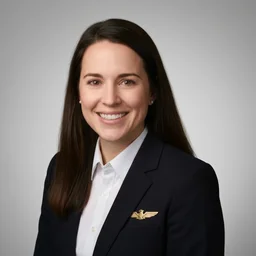
Commercial Pilot & FAA Certification Specialist
Embry-Riddle Aeronautical UniversityCaptain Jennifer Walsh graduated with honors in Aerospace Engineering from Embry-Riddle Aeronautical University and holds FAA Airframe & Powerplant and Airline Transport Pilot certificates. With 11 years of commercial aviation experience and 6 years as a ground school instructor, she guides aviation mechanics and student pilots through FAA written exams and practical tests.
Join the Discussion
Connect with other students preparing for this exam. Share tips, ask questions, and get advice from people who have been there.
View discussion (9 replies)