

ETC Practice Test
Updated for September 2026In the field of criminal justice, the role of an Evidence Technician is critical for maintaining the integrity of evidence and ensuring that investigations run smoothly. As an Evidence Technician, professionals are responsible for the proper handling, documentation, and storage of evidence. This article will guide you through the process of obtaining an Evidence Technician Certification, providing insights into the necessary skills, job responsibilities, and potential earnings. Understanding how to become certified, the salary expectations, and the costs involved can help you make informed decisions about pursuing this career.
If you're preparing for electrical certifications, our 310t practice test covers the core theory and troubleshooting scenarios you'll face on exam day.
Technicians moving into security systems work can sharpen their skills with the ABAT practice test, which reviews alarm installation standards and code requirements.
ETC Practice Test Questions
Prepare for the ETC - Evidence Technician Certification exam with our free practice test modules. Each quiz covers key topics to help you pass on your first try.
ETC Crime Scene Processing
ETC Exam Questions covering Crime Scene Processing. Master ETC Test concepts for certification prep.
ETC Documentation & Chain of Custody
Free ETC Practice Test featuring Documentation & Chain of Custody. Improve your ETC Exam score with mock test prep.
ETC Biological & DNA Evidence
ETC Mock Exam on ETC Biological & DNA Evidence. ETC Study Guide questions to pass on your first try.
ETC Courtroom Testimony & Legal Procedures
ETC Test Prep for ETC Courtroom Testimony & Legal Procedures. Practice ETC Quiz questions and boost your score.
ETC Digital & Electronic Evidence
ETC Questions and Answers on ETC Digital & Electronic Evidence. Free ETC practice for exam readiness.
ETC Fingerprint & Biometric Evidence
ETC Mock Test covering ETC Fingerprint & Biometric Evidence. Online ETC Test practice with instant feedback.
ETC Laboratory Analysis & Forensic Science
Free ETC Quiz on ETC Laboratory Analysis & Forensic Science. ETC Exam prep questions with detailed explanations.
ETC Item Collection
ETC Practice Questions for Item Collection. Build confidence for your ETC certification exam.
Key Takeaways
Free Evidence Technician Practice Test Online
Evidence Technician Certification is essential for professionals responsible for managing physical evidence in criminal investigations.
To become certified, individuals must meet educational, experience, and training requirements, followed by passing a certification exam.
Evidence Technicians perform a variety of tasks, including evidence collection, maintaining the chain of custody, and assisting in forensic analysis.
The average salary for Evidence Technicians ranges from $35,000 to $60,000 annually, with higher salaries in large cities or federal agencies.
Certification exam costs can vary, typically ranging from $200 to $400, and additional costs may include preparatory courses and continuing education.
What is Evidence Technician Certification?
Evidence Technician Certification is a professional credential that demonstrates an individual's expertise in managing physical evidence in criminal investigations. Certified professionals are equipped with the skills necessary to handle various types of evidence securely, ensuring it remains uncontaminated and properly stored for use in legal proceedings. The certification process is typically governed by organizations such as the International Association for Identification (IAI), which sets the standard for evidence handling protocols.
Professionals who achieve this certification are recognized for their ability to handle everything from fingerprints to firearms and digital evidence. The certification ensures that technicians can manage, preserve, and process evidence with precision, following legal guidelines and maintaining the chain of custody.
ETC Key Concepts
What is the passing score for the ETC exam?
Most ETC exams require 70-75% to pass. Check the official exam guide for exact requirements.
How long is the ETC exam?
The ETC exam typically allows 2-3 hours. Time management is critical for success.
How should I prepare for the ETC exam?
Start with a diagnostic test, create a 4-8 week study plan, and take at least 3 full practice exams.
What topics does the ETC exam cover?
The ETC exam covers multiple domains. Review the official content outline for the complete list.

How to Become an Evidence Technician Certification
Becoming an Evidence Technician involves a combination of education, practical experience, and successful completion of the certification exam. Below are the steps typically involved in the process:
Obtain Relevant Education: While a high school diploma may be sufficient for some entry-level positions, pursuing a degree in criminal justice or a related field is beneficial. Many universities and community colleges offer programs that include courses on forensic science, criminal law, and evidence management.
Gain Work Experience: Before applying for certification, aspiring Evidence Technicians typically need to accumulate practical experience. This can be achieved through internships or entry-level positions in law enforcement agencies or forensic labs. Hands-on experience is critical in developing the necessary skills for managing evidence.
Complete the Required Training: Various training programs are available that focus on evidence collection, preservation, and chain of custody protocols. Many certification bodies, such as the IAI, offer workshops and courses to help candidates prepare for the certification exam.
Pass the Certification Exam: Once you meet the educational and experience requirements, the next step is to pass a certification exam. This exam tests your knowledge of evidence handling techniques, legal protocols, and industry best practices. The IAI, for example, offers a comprehensive test for those looking to become certified Evidence Technicians.
Maintain Certification: After obtaining certification, technicians must stay current by participating in continuing education and periodic re-certification. This ensures that professionals remain up to date with advances in forensic science and changes in laws and regulations related to evidence handling.
Job Description of Evidence Technician Certification
An Evidence Technician's primary job responsibility is to ensure that evidence is handled and stored according to legal and procedural guidelines. Key duties include:
Evidence Collection: Gathering physical evidence from crime scenes, ensuring proper documentation, and transporting it securely to designated storage areas.
Maintaining Chain of Custody: Ensuring that every item of evidence is properly labeled, logged, and tracked throughout the investigation process, preventing contamination or loss.
Evidence Storage: Managing evidence storage areas, ensuring that evidence is kept in conditions that preserve its integrity, whether it involves firearms, biological samples, or digital data.
Courtroom Preparation: In some cases, Evidence Technicians may be required to testify in court regarding the handling and storage of evidence.
Technical Support: Technicians may also assist in the preparation of evidence for forensic analysis, such as DNA testing or ballistic analysis.
Salary of Evidence Technician Certification
The salary of an Evidence Technician can vary based on factors such as location, experience, and the employing agency. On average, Evidence Technicians earn between $35,000 to $60,000 annually, with higher salaries possible for those with advanced certifications or extensive experience. For those working in large metropolitan areas or federal agencies, the salary can be significantly higher.
Additionally, the demand for skilled forensic professionals is expected to grow, with job prospects being especially strong in urban centers where law enforcement agencies are looking to improve their evidence handling and investigative capabilities.
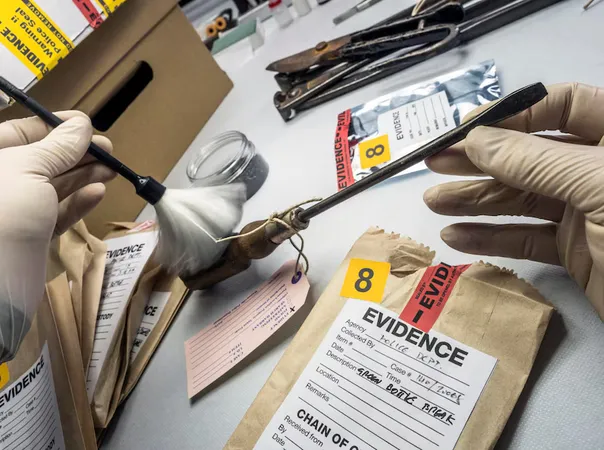
Exam Cost for Evidence Technician Certification
The cost of obtaining Evidence Technician Certification depends on the certifying body and the type of exam you are taking. For instance, the IAI charges a fee for its certification exam, which typically ranges from $200 to $400. This fee often includes the cost of study materials, workshops, and the exam itself.
Other costs to consider may include the price of preparatory courses, training programs, and continuing education for re-certification. It is advisable to research the specific requirements and fees associated with the certifying organization to get an accurate picture of the total cost.

Conclusion
Becoming an Evidence Technician offers a rewarding career path for those interested in criminal justice and forensic science. The certification process ensures that individuals are equipped with the knowledge and skills required to handle evidence effectively and ethically. Whether you are just starting in the field or looking to advance your career, obtaining an Evidence Technician Certification is a crucial step in ensuring that you meet the standards expected in this highly specialized profession.
ETC: Pros and Cons
- +ETC certification validates expertise recognized by employers nationwide
- +Certified professionals typically earn 15-20% higher salaries
- +Opens doors to advanced positions and leadership roles
- +Demonstrates commitment to professional standards and ethics
- +Builds a strong professional network through certification communities
- −Exam preparation typically requires 2-4 months of dedicated study
- −Certification and exam fees can range from $150-$500+
- −Must complete continuing education to maintain active certification
- −Pass rates vary — thorough preparation is essential for success
- −Some certifications require prerequisite experience or education
ETC Questions and Answers
About the Author

Certified Professional Development Expert & Niche Certification Advisor
University of Pennsylvania Graduate School of EducationDr. Alexandra Kim holds a PhD in Professional Studies from the University of Pennsylvania and is a Certified Professional in Learning and Performance (CPLP) and Certified Professional in Talent Development (CPTD). With 17 years of corporate training and professional certification advisory experience, she helps professionals navigate specialized, emerging, and cross-industry certification programs.
Join the Discussion
Connect with other students preparing for this exam. Share tips, ask questions, and get advice from people who have been there.
View discussion (8 replies)