
Everything You Need to Know About the EMR Test 2026 September
Boost your Everything You Need to Know About the exam score ❓ with practice questions and detailed answer explanations. Track progress with instant feedback.

The Emergency Medical Responder (EMR) test is a crucial exam for those looking to embark on a career in emergency medical services (EMS). As the first point of contact in many emergency situations, EMRs play a vital role in providing immediate care to individuals who have suffered injuries or are facing health crises. This test ensures that candidates possess the necessary knowledge and skills to perform under pressure, assessing their understanding of emergency protocols, medical procedures, and critical thinking.
Whether you are looking to take the EMR test to start a career in EMS or aiming to refresh your knowledge for certification renewal, understanding the test structure, preparation strategies, and key areas of focus will help you perform well on the exam. In this article, we will provide an in-depth guide to the EMR test, covering its content, tips for success, and how to utilize study resources effectively.

What is the EMR Test?
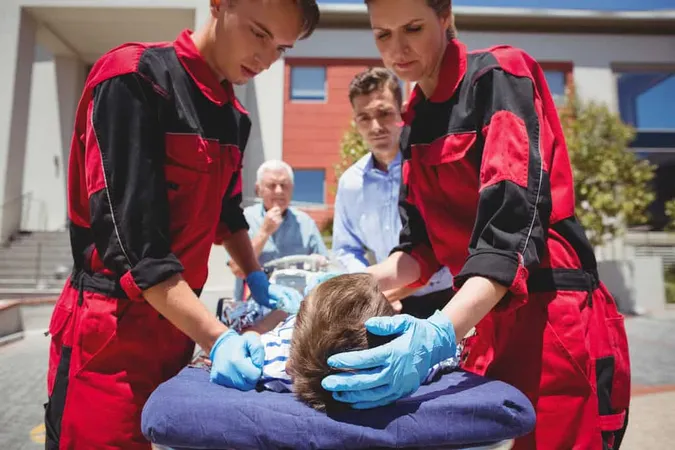
The EMR test is a certification exam that assesses an individual’s ability to provide pre-hospital emergency medical care. It focuses on essential emergency skills, including patient assessment, airway management, wound care, CPR, and basic trauma management. The exam is often the first step for those wishing to work in EMS, fire departments, or law enforcement, where they may be the first responder to accidents or medical emergencies.
The test evaluates both theoretical knowledge and practical application. It requires individuals to demonstrate an understanding of anatomy, basic pharmacology, and protocols for dealing with common medical emergencies such as heart attacks, strokes, burns, and fractures.
Key Topics Covered in the EMR Test
To ensure success on the EMR exam, it is crucial to be familiar with the core subjects and skills that are tested. These topics include:
Medical Terminology and Anatomy
Understanding medical terminology and the human body is essential for recognizing and responding to medical emergencies. You will need to be familiar with key terms relating to different body systems, such as the respiratory, cardiovascular, and nervous systems.Patient Assessment
EMRs are responsible for evaluating the condition of patients, which involves conducting assessments to identify potential life-threatening issues. You must know how to perform primary and secondary assessments, identify vital signs, and take a thorough medical history.
CPR and Airway Management
Providing effective cardiopulmonary resuscitation (CPR) is a critical skill for any EMR. Additionally, you must know how to manage the airway to ensure the patient can breathe, which may involve using tools such as oxygen masks and suction devices.
Trauma Care
EMRs must be capable of addressing various types of trauma, including fractures, burns, and spinal injuries. You will need to know how to immobilize injuries and control bleeding using bandages, splints, and pressure dressings.
Medical Emergencies
Many medical emergencies, such as heart attacks, strokes, and diabetic emergencies, require immediate intervention. The EMR test will assess your ability to recognize symptoms, understand underlying causes, and provide appropriate care until further medical assistance arrives.
Patient Transport
After stabilization, the EMR may be responsible for safely transporting the patient to a hospital. Knowledge of how to properly move a patient and assist in loading them onto an ambulance is a key component of the exam.
Legal and Ethical Considerations
As an EMR, you will be working within a legal framework. The exam covers ethical issues such as patient confidentiality, consent for treatment, and the roles and responsibilities of emergency responders.
EMT and paramedic candidates can prepare for national certification with our free nremt practice — covering airway, cardiology, trauma, medical, obstetrics, and operations.
EMR candidates often also prepare with our nremt practice — both cover emergency medical responder patient assessment, airway management, and shock protocols.
Blog Key Concepts
What is the passing score for the Blog exam?
Most Blog exams require 70-75% to pass. Check the official exam guide for exact requirements.
How long is the Blog exam?
The Blog exam typically allows 2-3 hours. Time management is critical for success.
How should I prepare for the Blog exam?
Start with a diagnostic test, create a 4-8 week study plan, and take at least 3 full practice exams.
What topics does the Blog exam cover?
The Blog exam covers multiple domains. Review the official content outline for the complete list.
Study Tips for the EMR Test
Review Your Course Materials
If you have completed an EMR course, go back through your notes and textbooks. These materials often outline the key concepts and test areas, providing an excellent review of what to expect on the exam.
Take Practice Tests
One of the best ways to prepare for the EMR test is by taking practice exams. This allows you to familiarize yourself with the test format and the types of questions you will encounter. You can find sample questions online or through your course materials. Additionally, you can access comprehensive study guides and practice tests at EMR practice test.
Focus on Key Skills
Focus on mastering skills that are most commonly tested. For example, practice CPR, patient assessment, and trauma care techniques in real-life scenarios. You may also want to participate in mock exams or simulations, which will provide practical experience in emergency response situations.
Understand the Test Format
Familiarize yourself with the structure of the test. The EMR exam typically includes multiple-choice questions, scenario-based questions, and practical skills testing. Understanding the format will help you manage your time and reduce test anxiety.
Study in Small Sessions
Break your study sessions into manageable chunks. Trying to cram too much information into one sitting can be overwhelming and ineffective. Instead, study in 30-minute intervals, allowing for short breaks in between to help retain information better.
Effective Study Resources
Emergency Medical Services Certified Test
This test can be used to supplement your EMR preparation by offering further practice on EMS-specific questions. It is ideal for those wishing to expand their knowledge beyond the basics and explore advanced emergency medical topics.FEMA Test
For those working within disaster management or emergency response systems, taking the FEMA test can help broaden your skill set and prepare you for more complex emergency scenarios that require both medical and operational response strategies.
Tips for the EMR Exam Day
1. Get Plenty of Rest
A good night’s sleep before the exam is crucial for mental alertness and focus. Avoid cramming the night before and aim to get at least 7-8 hours of sleep.
2. Arrive Early
Arrive early on the day of the exam to avoid unnecessary stress. Arriving early also gives you time to settle in and review your notes if needed.
3. Stay Calm During the Exam
While it’s natural to feel nervous before an important exam, staying calm is essential. Take deep breaths, read the questions carefully, and manage your time wisely. If you encounter a difficult question, move on and come back to it later.

Conclusion
Becoming an Emergency Medical Responder (EMR) is an important step for those looking to work in the field of emergency medical services. The EMR test is a key certification that validates your ability to provide high-quality emergency care. By thoroughly preparing for the test and utilizing resources such as practice test, you can ensure that you are ready to respond confidently in any emergency.
By following the preparation tips outlined in this article and taking advantage of the available resources, you can pass the EMR test and begin your career as an Emergency Medical Responder. With this certification, you will have the knowledge and skills to make a difference in critical situations and improve patient outcomes.
- +Industry-recognized credential boosts your resume
- +Higher earning potential (10-20% salary increase on average)
- +Demonstrates commitment to professional development
- +Opens doors to advanced career opportunities
- −Exam preparation requires significant time investment (4-8 weeks)
- −Certification fees can be $100-$400+
- −May require continuing education to maintain
- −Some employers may not require certification
Blog Questions and Answers
About the Author

Educational Psychologist & Academic Test Preparation Expert
Columbia University Teachers CollegeDr. Lisa Patel holds a Doctorate in Education from Columbia University Teachers College and has spent 17 years researching standardized test design and academic assessment. She has developed preparation programs for SAT, ACT, GRE, LSAT, UCAT, and numerous professional licensing exams, helping students of all backgrounds achieve their target scores.