

ECC Practice Test
Updated for October 2026Equine chiropractic care is a specialized field within the broader landscape of animal health that focuses on diagnosing and correcting musculoskeletal disorders in horses, particularly issues related to the spine and nervous system. As horses are elite athletes in racing, dressage, jumping, and recreational riding, maintaining their physical well-being is crucial for performance and quality of life.
The Equine Chiropractic Certification is a credential designed for licensed veterinarians and qualified chiropractors who want to expand their practice into the equine world. This certification demonstrates proficiency in evaluating equine biomechanics, applying spinal adjustments, and improving horse mobility and performance through non-invasive techniques.
This article provides an in-depth overview of the certification process, educational requirements, practical applications, and career opportunities in equine chiropractic care.
ECC Practice Test Questions
Prepare for the ECC - Equine Chiropractic Certification exam with our free practice test modules. Each quiz covers key topics to help you pass on your first try.
ECC Anatomy & Physiology Fundamentals
ECC Exam Questions covering Anatomy & Physiology Fundamentals. Master ECC Test concepts for certification prep.
ECC Assessment & Treatment Planning
Free ECC Practice Test featuring Assessment & Treatment Planning. Improve your ECC Exam score with mock test prep.
ECC Biomechanics & Movement Analysis
ECC Mock Exam on Biomechanics & Movement Analysis. ECC Study Guide questions to pass on your first try.
ECC Chiropractic Techniques & Adjustments
ECC Test Prep for Chiropractic Techniques & Adjustments. Practice ECC Quiz questions and boost your score.
ECC Documentation & Record Keeping
ECC Questions and Answers on Documentation & Record Keeping. Free ECC practice for exam readiness.
ECC Neurological Assessment & Pathology
ECC Mock Test covering ECC Neurological Assessment & Pathology. Online ECC Test practice with instant feedback.
ECC Professional Practice & Client Communi...
Free ECC Quiz on ECC Professional Practice & Client Communication. ECC Exam prep questions with detailed explanations.
ECC Equine Anatomy & Physiology
ECC Practice Questions for Equine Anatomy & Physiology. Build confidence for your ECC certification exam.
ECC Equipment Operation & Maintenance
ECC Test Online for Equipment Operation & Maintenance. Free practice with instant results and feedback.
ECC Medical Ethics & Patient Rights
ECC Study Material on Medical Ethics & Patient Rights. Prepare effectively with real exam-style questions.
ECC Patient Assessment & Clinical Evaluation
Free ECC Test covering Patient Assessment & Clinical Evaluation. Practice and track your ECC exam readiness.
ECC Regulatory Compliance & Standards
ECC Exam Questions covering Regulatory Compliance & Standards. Master ECC Test concepts for certification prep.
ECC Rehabilitation & Exercise Therapy
Free ECC Practice Test featuring Rehabilitation & Exercise Therapy. Improve your ECC Exam score with mock test prep.
Key Takeaways
Free ECC Practice Test Online
- Equine chiropractic certification is typically available only to licensed veterinarians or chiropractors.
- It equips practitioners to assess, diagnose, and treat equine musculoskeletal issues.
- Certified equine chiropractors can significantly improve a horse’s performance, comfort, and health.
- Several accredited programs worldwide provide specialized training in equine chiropractic care.
- Continuing education and adherence to professional standards are essential for maintaining certification.
Understanding Equine Chiropractic Care
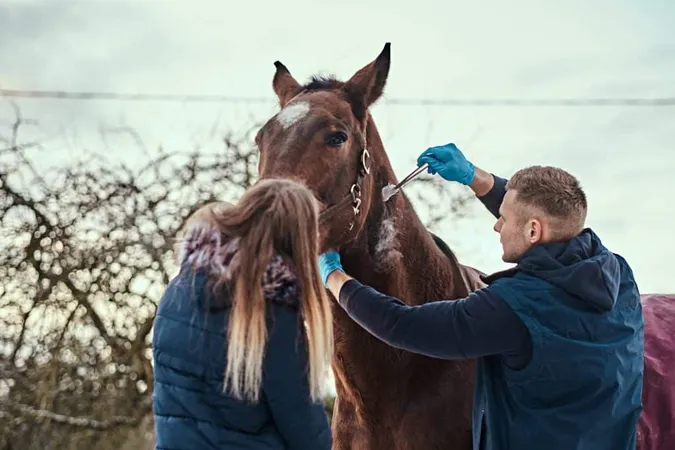
Equine chiropractic care involves the manual manipulation of a horse’s spine, joints, and soft tissues to restore proper alignment and function. Horses can suffer from spinal misalignments due to physical exertion, improper training, trauma, or everyday wear and tear.
Certified equine chiropractors apply specific adjustments to improve mobility, relieve pain, and support the nervous system’s proper function. This field is increasingly popular among horse owners, trainers, and veterinarians who recognize its potential to enhance both performance and overall health.
Who Is Eligible for Equine Chiropractic Certification?
Certification programs are designed for:
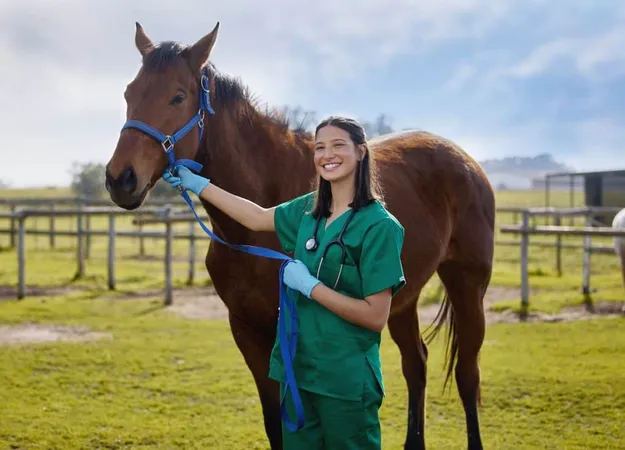
Licensed Veterinarians: Veterinarians already have the anatomical, physiological, and medical knowledge required to treat animals, making them ideal candidates.
Licensed Chiropractors: Chiropractors trained in human musculoskeletal systems can pursue additional training to specialize in equine care.
It’s important to note that, depending on local regulations, laypersons or uncertified individuals are generally not permitted to perform equine chiropractic adjustments, as doing so without proper training could harm the animal.
Certification Pathways and Accredited Programs
There are several reputable organizations worldwide offering equine chiropractic certification, including:
International Veterinary Chiropractic Association (IVCA)
Options for Animals College of Animal Chiropractic
Healing Oasis Wellness Center
These programs typically include:
- Didactic Courses: Covering equine anatomy, biomechanics, neurology, pathology, and chiropractic theory.
- Hands-on Training: Supervised practical sessions to apply techniques safely and effectively.
Case Studies & Examinations: Candidates must demonstrate competency through written and practical exams, including real-life case evaluations.
Duration ranges from several months to over a year, depending on the program structure and participant schedule.
Benefits of Becoming a Certified Equine Chiropractor
Expanded Practice Opportunities: Veterinarians and chiropractors can diversify their services to cater to the lucrative equine market.
Improved Client Outcomes: Certified practitioners can help horses recover from injuries, improve gait abnormalities, and prevent performance-limiting issues.
Professional Credibility: Certification signals expertise and adherence to high standards, enhancing trust with clients and referring veterinarians.
Continuing Education: Many programs offer ongoing learning opportunities to stay current with advancements in animal chiropractic care.
Challenges and Considerations
While equine chiropractic care is a rewarding field, practitioners should be aware of:
Legal and Regulatory Constraints: Some regions restrict chiropractic practice to licensed veterinarians only, while others require dual licensure.
Physical Demands: Adjusting large animals like horses requires strength, precision, and proper technique to avoid injury.
Client Education: Practitioners often need to educate horse owners about realistic outcomes, the importance of follow-up care, and the limits of chiropractic interventions.

Conclusion
Pursuing Equine Chiropractic Certification is an excellent path for veterinarians and chiropractors who are passionate about equine health and performance. This specialized credential opens the door to a rewarding career helping horses achieve optimal mobility, comfort, and longevity. With the right training, hands-on experience, and commitment to continuing education, certified equine chiropractors play an essential role in the multidisciplinary care of sport and companion horses worldwide.
- +Validates your knowledge and skills objectively
- +Increases job market competitiveness
- +Provides structured learning goals
- +Networking opportunities with other certified professionals
- −Study materials can be expensive
- −Exam anxiety can affect performance
- −Requires dedicated preparation time
- −Retake fees apply if you don't pass
Pros and Cons at a Glance
| Pros | Cons |
|---|---|
| Validates your knowledge and skills objectively | Study materials can be expensive |
| Increases job market competitiveness | Exam anxiety can affect performance |
| Provides structured learning goals | Requires dedicated preparation time |
| Networking opportunities with other certified professionals | Retake fees apply if you don't pass |
Sample Equine Chiropractic Certification Practice Questions
Try these questions from our free Equine Chiropractic Certification practice tests. The correct answer and an explanation follow each question.
A certified equine chiropractor is asked to treat a horse showing signs of neurological deficit. What is the most appropriate regulatory-compliant action?
- A. Proceed with spinal adjustments to relieve nerve pressure
- B. Refer immediately to a licensed veterinarian for diagnosis
- C. Perform a neurological assessment and document findings
- D. Consult with the AVCA before proceeding
Answer: B. Refer immediately to a licensed veterinarian for diagnosis
Neurological deficits require veterinary diagnosis before any chiropractic intervention to ensure patient safety and regulatory compliance.
What does the ethical principle of veracity require of an equine chiropractor when discussing treatment outcomes?
- A. Provide optimistic projections to keep the owner motivated
- B. Be truthful about expected outcomes, limitations, and uncertainties
- C. Avoid discussing prognosis to prevent owner anxiety
- D. Only share positive results to maintain client relationships
Answer: B. Be truthful about expected outcomes, limitations, and uncertainties
Veracity requires honest, accurate communication about diagnosis, treatment, and realistic expectations for the horse's progress.
Under most state laws permitting animal chiropractic, which condition typically must be met before a chiropractor can treat a horse?
- A. The chiropractor must hold dual licensure in human chiropractic and animal chiropractic
- B. A licensed veterinarian must provide a referral or diagnosis
- C. The horse owner must sign a waiver releasing the chiropractor from liability
- D. The chiropractor must be certified by the AVCA
Answer: B. A licensed veterinarian must provide a referral or diagnosis
Most states require a veterinary referral or diagnosis prior to chiropractic treatment of animals to ensure appropriate medical oversight.
Why is understanding joint function critical for chiropractors?
- A. To perform surgeries.
- B. To assess movement and apply adjustments
- C. To diagnose infections.
- D. To train the horse.
Answer: B. To assess movement and apply adjustments
Understanding joint function is paramount for equine chiropractors because joints are central to movement and flexibility. Chiropractors must accurately assess the range of motion, alignment, and health of each joint to identify any restrictions or dysfunctions. This detailed knowledge allows them to apply precise adjustments, restoring proper joint mechanics and alleviating discomfort.
Take the full Equine Chiropractic Certification practice test
(ECC) Equine Chiropractic Certification Questions and Answers
About the Author

Veterinarian & Veterinary Technician Exam Specialist
Cornell University College of Veterinary MedicineDr. James Whitfield is a licensed veterinarian with a DVM and PhD from Cornell University College of Veterinary Medicine. He has 16 years of mixed-practice experience and has taught veterinary technician licensing courses at three accredited institutions. He specializes in VTNE preparation, veterinary clinical skills, and animal science certification pathways.
Join the Discussion
Connect with other students preparing for this exam. Share tips, ask questions, and get advice from people who have been there.
View discussion (8 replies)