

EC Practice Test
Updated for September 2026Electrolysis certification is a critical step for anyone looking to pursue a career in permanent hair removal. As one of the oldest and most trusted methods for removing unwanted hair, electrolysis offers a proven solution for clients seeking long-lasting results. However, becoming a certified electrologist involves understanding the certification process, the different electrolysis techniques, and the steps to achieve a valid license.
In this guide, we will explore everything you need to know about electrolysis certification, from the basic principles of electrolysis to the process of obtaining a license. Whether you're just starting or looking to deepen your understanding, this guide provides valuable insights into the path to becoming a licensed electrolysis professional.
EC Practice Test Questions
Prepare for the EC - Electrolysis Certification exam with our free practice test modules. Each quiz covers key topics to help you pass on your first try.
EC Cancer Registry Data Collection
EC Exam Questions covering Cancer Registry Data Collection. Master EC Test concepts for certification prep.
EC Client Consultation and Skin Analysis
Free EC Practice Test featuring Client Consultation and Skin Analysis. Improve your EC Exam score with mock test prep.
EC Coding & Classification Systems
EC Mock Exam on Coding & Classification Systems. EC Study Guide questions to pass on your first try.
EC Confidentiality & Data Security
EC Test Prep for Confidentiality & Data Security. Practice EC Quiz questions and boost your score.
EC Data Quality & Completeness
EC Questions and Answers on Data Quality & Completeness. Free EC practice for exam readiness.
EC Hair Growth and Follicle Anatomy
EC Mock Test covering EC Hair Growth and Follicle Anatomy. Online EC Test practice with instant feedback.
EC Licensing, Ethics, and Professional Sta...
Free EC Quiz on EC Licensing, Ethics, and Professional Standards. EC Exam prep questions with detailed explanations.
EC Electrolysis Equipment and Maintenance
EC Practice Questions for Electrolysis Equipment and Maintenance. Build confidence for your EC certification exam.
EC Electrolysis Principles and Techniques
EC Test Online for Electrolysis Principles and Techniques. Free practice with instant results and feedback.
EC Follow-Up & Survival Analysis
EC Study Material on Follow-Up & Survival Analysis. Prepare effectively with real exam-style questions.
EC Registry Operations & Management
Free EC Test covering Registry Operations & Management. Practice and track your EC exam readiness.
EC Reporting Requirements & Standards
EC Exam Questions covering Reporting Requirements & Standards. Master EC Test concepts for certification prep.
EC Safety and Sanitation in Electrolysis
Free EC Practice Test featuring Safety and Sanitation in Electrolysis. Improve your EC Exam score with mock test prep.
Key Takeaways
Free EC Practice Test Online
Electrolysis certification is essential for anyone looking to pursue a career in permanent hair removal.
Electrolysis involves the use of electrical currents to destroy hair follicles, offering permanent results.
To become a certified electrologist, you must complete an accredited training program and pass written and practical exams.
States require electrologists to obtain a license in order to practice legally, and licensing requirements vary by state.
The three primary electrolysis techniques are galvanic electrolysis, thermolysis, and the blend method.
What Is Electrolysis Certification?
Electrolysis certification is the formal acknowledgment that a professional has completed the necessary education and training in electrolysis techniques and safety standards. It assures clients that the electrologist is equipped with the knowledge and skills required to perform the procedure safely and effectively.
Certification typically involves completing an accredited training program that covers the following areas:
Anatomy and Physiology: Understanding hair growth cycles, skin structure, and the biology of hair follicles.
Electrolysis Techniques: Learning the different types of electrolysis methods, including galvanic electrolysis, thermolysis, and the blend method.
Safety Protocols: Adhering to proper hygiene and sanitation practices to minimize risks and maintain a sterile treatment environment.
Client Care and Communication: Understanding how to effectively communicate with clients, manage their expectations, and maintain professionalism.
Certification may be granted by recognized organizations such as the American Electrology Association (AEA) or other accrediting bodies. Once certified, electrologists can confidently offer permanent hair removal services, knowing they meet industry standards.
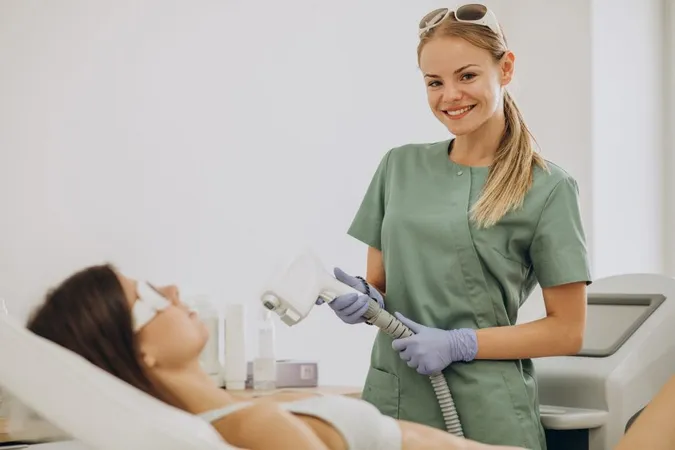
Electrolysis Study Guide: Key Topics to Master
Before pursuing certification, aspiring electrologists need to thoroughly study various aspects of electrolysis to prepare for exams and practical assessments. An electrolysis study guide serves as a structured roadmap for mastering the content required to become a certified electrologist.
Some of the essential topics covered in the study guide include:
Hair Growth Cycles: Understanding the three main phases of hair growth (anagen, catagen, and telogen) and how electrolysis targets hair during the anagen phase.
Electrolysis Machines and Tools: Familiarity with the equipment used in electrolysis treatments, including the different types of probes, current types, and settings on electrolysis machines.
Client Preparation: Properly preparing clients for electrolysis treatments, including pre-treatment skin care, and understanding the precautions needed for certain skin types.
Post-Treatment Care: Providing aftercare instructions to clients, such as avoiding sun exposure, refraining from picking the treated area, and applying soothing creams to prevent irritation.
Most study guides also include practice questions and tips to help students prepare for the written and practical exams required for certification. It is essential to study these topics to pass the exams and become a competent and knowledgeable electrologist.
Hair Removal Electrolysis: Benefits and Techniques
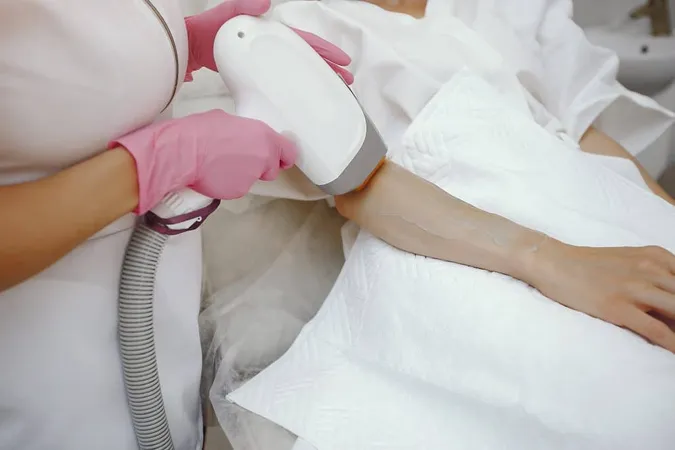
Electrolysis is a popular and effective method of permanent hair removal, making it a sought-after treatment for individuals who want to eliminate unwanted hair for good. Electrolysis works by delivering a small electrical current to the hair follicle, which destroys its ability to grow hair permanently. The treatment can be applied to various areas of the body, including the face, underarms, legs, and bikini line.
There are three primary methods of electrolysis, each offering specific benefits and suited for different hair types:
Galvanic Electrolysis: This method uses direct current to create a chemical reaction that permanently destroys the hair follicle. It is ideal for individuals with finer hair.
Thermolysis: Alternating current is used in this method to generate heat, which destroys the follicle. It is faster than galvanic electrolysis and works well for coarser hair.
Blend Method: Combining both galvanic and thermolysis techniques, this method offers the benefits of both approaches and is suitable for a wider range of hair and skin types.
Hair removal electrolysis is FDA-approved and can be used on all skin types and hair colors, making it a versatile solution for clients. However, it typically requires multiple sessions to achieve permanent results, as each hair follicle grows at different rates.
How to Get Electrolysis License: Steps and Requirements
After completing the necessary training and obtaining certification, you must also obtain an electrolysis license to legally practice in your state. Each state has its own licensing requirements, but most states require the following:
Accredited Training Program: To be eligible for a license, you must complete a state-approved electrolysis training program. This program typically consists of theoretical instruction and practical training, ranging from 600 to 1,200 hours, depending on the state.
Written and Practical Exams: Upon completing your training, you must pass both written and practical exams. The written exam tests your knowledge of electrolysis theory, safety, and client care, while the practical exam assesses your ability to perform the procedure.
State Application: After passing the exams, you must submit an application for licensure to your state's licensing board, along with any required fees.
Continuing Education: In many states, licensed electrologists must complete continuing education courses to renew their license every few years. This ensures that professionals stay updated with the latest industry standards and techniques.
Licensing not only ensures that you are qualified to perform electrolysis treatments, but it also builds trust with clients who expect a professional service.
Conclusion
Electrolysis certification is an important credential for individuals who wish to pursue a career in permanent hair removal. It ensures that electrologists are trained in the most up-to-date techniques and are committed to providing safe, high-quality treatments. While the path to certification requires dedicated study and hands-on experience, it opens the door to a rewarding and lucrative career in a growing industry.
For those interested in becoming a certified electrologist, it is important to choose a reputable training program, stay informed about state licensing requirements, and continuously develop your skills. Whether you're just beginning your journey or are looking to enhance your expertise, the steps outlined in this guide will help you succeed in the field of electrolysis.
EC: Pros and Cons
- +EC certification validates expertise recognized by employers nationwide
- +Certified professionals typically earn 15-20% higher salaries
- +Opens doors to advanced positions and leadership roles
- +Demonstrates commitment to professional standards and ethics
- +Builds a strong professional network through certification communities
- −Exam preparation typically requires 2-4 months of dedicated study
- −Certification and exam fees can range from $150-$500+
- −Must complete continuing education to maintain active certification
- −Pass rates vary — thorough preparation is essential for success
- −Some certifications require prerequisite experience or education
About the Author

Certified Professional Development Expert & Niche Certification Advisor
University of Pennsylvania Graduate School of EducationDr. Alexandra Kim holds a PhD in Professional Studies from the University of Pennsylvania and is a Certified Professional in Learning and Performance (CPLP) and Certified Professional in Talent Development (CPTD). With 17 years of corporate training and professional certification advisory experience, she helps professionals navigate specialized, emerging, and cross-industry certification programs.