

DPO Practice Test
Updated for October 2026The Dynamic Positioning Operator (DPO) exam is a critical certification for maritime professionals looking to work in the offshore oil and gas industry. This certification is essential for those who operate Dynamic Positioning (DP) systems on vessels, ensuring the safety and efficiency of operations in a variety of offshore conditions. The DPO exam evaluates a candidate’s ability to handle DP systems, which are used to maintain a vessel’s position using its own propulsion system without the need for anchors. This article will provide an overview of the DPO exam, its requirements, preparation strategies, and what to expect on the day of the test.
Free DPO Practice Test Online
Dynamic Positioning (DP) Systems: DP systems are used to keep a vessel’s position steady without the use of anchors. They rely on thrusters and GPS to keep the vessel stable in various conditions.
Certification Importance: A DPO certification is required for mariners working on DP-equipped vessels, especially in the offshore oil and gas industry. This certification ensures that operators are capable of maintaining safe and efficient vessel positioning.
Exam Components: The DPO exam consists of multiple-choice questions that test knowledge of DP systems, vessel operations, emergency procedures, and maritime regulations.
Training Requirements: Prior to taking the exam, candidates must complete accredited training that includes practical experience on DP vessels.
Passing Score: To pass the DPO exam, candidates must score a minimum of 70%. A mix of theoretical knowledge and practical application is tested.
Continued Education: Certification renewal may be required, and DPOs must keep up-to-date with the latest maritime technologies and safety regulations.
The Dynamic Positioning Operator (DPO) exam is designed to evaluate the competency of an individual in the operation of Dynamic Positioning (DP) systems. The DP system allows a vessel to maintain its position using its own propulsion and thruster systems, which is crucial for offshore operations like drilling, diving, and subsea construction. As DP technology continues to advance, there is an increased demand for qualified personnel who can safely operate these systems in challenging offshore environments.
The exam is part of a certification process, which is governed by the International Maritime Organization (IMO) and administered by various maritime certification bodies such as the Nautical Institute. This certification is essential for anyone aiming to work as a DP operator on offshore vessels.
DPO Practice Test Questions
Prepare for the DPO - Dynamic Positioning Operator Exam exam with our free practice test modules. Each quiz covers key topics to help you pass on your first try.
DPO Blueprint Reading & Interpretation
DPO Exam Questions covering Blueprint Reading & Interpretation. Master DPO Test concepts for certification prep.
DPO Building Codes & Standards
Free DPO Practice Test featuring Building Codes & Standards. Improve your DPO Exam score with mock test prep.
DPO Cost Estimation
DPO Mock Exam on Cost Estimation. DPO Study Guide questions to pass on your first try.
DPO Alarms, Fault Diagnosis & System Troub...
DPO Test Prep for DPO Alarms, Fault Diagnosis & System Troubleshooting. Practice DPO Quiz questions and boost your score.
DPO Environmental Monitoring & Positioning...
DPO Questions and Answers on DPO Environmental Monitoring & Positioning Reference Systems. Free DPO practice for exam readiness.
DPO Materials Selection
DPO Mock Test covering Materials Selection. Online DPO Test practice with instant feedback.
DPO Operation & Vessel Maneuvering
Free DPO Quiz on Operation & Vessel Maneuvering. DPO Exam prep questions with detailed explanations.
DPO Power Management Systems
DPO Practice Questions for Power Management Systems. Build confidence for your DPO certification exam.
DPO Project Planning & Scheduling
DPO Test Online for Project Planning & Scheduling. Free practice with instant results and feedback.
DPO Quality Control & Inspection
DPO Study Material on Quality Control & Inspection. Prepare effectively with real exam-style questions.
DPO Regulatory Standards
Free DPO Test covering Regulatory Standards. Practice and track your DPO exam readiness.
DPO Safety Protocols & Emergency Procedures
DPO Exam Questions covering Safety Protocols & Emergency Procedures. Master DPO Test concepts for certification prep.
DPO Safety Regulations & Compliance
Free DPO Practice Test featuring Safety Regulations & Compliance. Improve your DPO Exam score with mock test prep.
Did You Know? Passing the DPO exam on your first attempt saves both time and money. Start with diagnostic practice tests to identify weak areas.

To become a certified Dynamic Positioning Operator, you must meet specific prerequisites before attempting the exam:
Training: Candidates must complete a comprehensive training program accredited by the Nautical Institute or another recognized body. This training typically includes both theoretical lessons and hands-on experience on DP-equipped vessels.
Sea Time: Practical experience is critical. To qualify for the exam, candidates need to log a certain amount of sea time operating a DP system. This is often achieved through supervised work on DP vessels in various operational scenarios.
Medical Fitness: A DPO must be physically fit to handle the demands of the job. A medical examination may be required to ensure candidates are fit for the position.
Simulator Training: Some programs include simulator-based training, which helps candidates familiarize themselves with the DP systems and emergency scenarios they may encounter at sea.
Preparation for the DPO exam is crucial to ensure you pass the test and gain certification. Here are some tips to help you prepare:
Understand the Fundamentals of DP Systems: Study the mechanics of DP systems, including how they work, the types of DP systems (e.g., DP1, DP2, DP3), and the components involved (e.g., thrusters, sensors, control systems).
Study Maritime Regulations: Familiarize yourself with international regulations, such as the International Maritime Organization (IMO) guidelines, as well as safety procedures and protocols specific to DP operations.
Focus on Emergency Procedures: The exam tests your ability to respond to emergency situations. Be sure to review procedures for loss of position, system failures, and other critical situations.
Practice with Simulators: If possible, practice operating DP systems in simulators. Many training centers offer access to DP simulators, where you can simulate various operational and emergency scenarios.
Join Study Groups or Forums: Engage with other candidates or experienced DPOs to exchange knowledge, study materials, and exam tips. There are several online forums and study groups where you can discuss topics relevant to the exam.
On exam day, you will face a series of questions that will assess your theoretical knowledge, practical skills, and ability to apply safety and operational procedures. The exam typically consists of multiple-choice questions that cover a range of topics, including:
DP System Components: Questions on the various components of DP systems and their functions.
Operational Procedures: Test your knowledge of DP operations, including vessel positioning, coordination of thrusters, and maintenance.
Emergency Protocols: Questions on emergency scenarios and procedures to deal with DP system failure, environmental hazards, or other operational crises.
Regulatory Knowledge: You will be tested on maritime safety regulations, such as SOLAS (Safety of Life at Sea) and MARPOL (Marine Pollution), that govern DP operations.
To pass the DPO exam, candidates typically need to achieve a score of at least 70%. The passing score ensures that candidates have a solid understanding of DP systems, safety protocols, and operational procedures. After passing the exam, candidates will receive a DPO certification, which qualifies them to work on DP-equipped vessels.
It is essential to keep the certification up-to-date, as maritime technologies and regulations evolve. Many DPOs are required to complete refresher courses or re-certification every few years.
Continuous Education: Keep abreast of the latest developments in DP technology, safety regulations, and maritime best practices.
Sea Time: Ongoing sea time on DP vessels may be required to maintain certification.
Medical Fitness: Regular medical evaluations may be necessary, depending on your maritime employer’s requirements.
SVOP small vessel operator candidates often also prepare with our PADI practice test for the seamanship and marine safety knowledge both maritime certifications require.
CPCS construction plant competence candidates often also prepare with our COSS construction safety practice test for the site safety and plant operations standards both UK construction certifications assess.
WMATA transit candidates often also prepare with our MTA police exam practice test for the civil service reading and reasoning question formats both metropolitan transit authority assessments use.
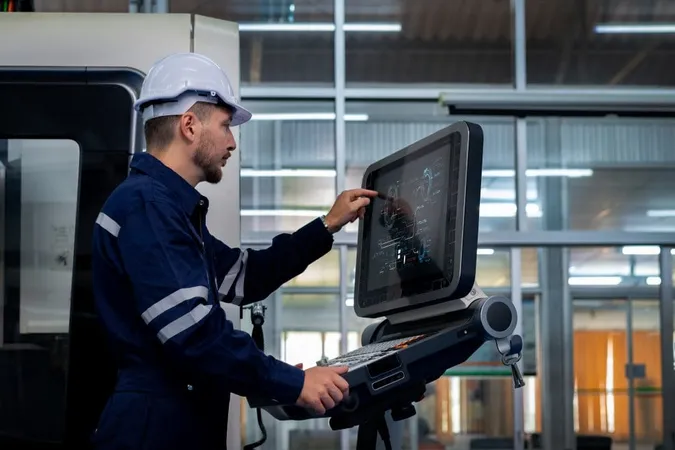
Becoming a certified Dynamic Positioning Operator (DPO) opens the door to many exciting and rewarding opportunities in the offshore oil and gas industry. By acquiring the necessary training, logging sufficient sea time, and passing the DPO exam, you will be well-equipped to operate DP systems safely and efficiently. Certification is not just a career milestone, but also a commitment to safety and operational excellence.
FAQs
How long does it take to become a certified DPO?
The process typically takes a few months to a year, depending on your training schedule and sea time.
What is the cost of the DPO exam?
The cost varies depending on the training provider, but it typically includes fees for the course, sea time, and the exam itself.
Can I take the DPO exam without prior sea time experience?
No, prior sea time on DP-equipped vessels is required before attempting the exam.
How often do I need to renew my DPO certification?
DPO certification is generally valid for 5 years, after which you may need to complete a re-certification process.
DPO: Pros and Cons
- +DPO certification validates expertise recognized by employers nationwide
- +Certified professionals typically earn 15-20% higher salaries
- +Opens doors to advanced positions and leadership roles
- +Demonstrates commitment to professional standards and ethics
- +Builds a strong professional network through certification communities
- −Exam preparation typically requires 2-4 months of dedicated study
- −Certification and exam fees can range from $150-$500+
- −Must complete continuing education to maintain active certification
- −Pass rates vary — thorough preparation is essential for success
- −Some certifications require prerequisite experience or education
Pros and Cons at a Glance
| Pros | Cons |
|---|---|
| DPO certification validates expertise recognized by employers nationwide | Must complete continuing education to maintain active certification |
| Opens doors to advanced positions and leadership roles | Pass rates vary — thorough preparation is essential for success |
| Demonstrates commitment to professional standards and ethics | Some certifications require prerequisite experience or education |
Sample Dynamic Positioning Operator Exam Practice Questions
Try these questions from our free Dynamic Positioning Operator Exam practice tests. The correct answer and an explanation follow each question.
Which standard defines the competence requirements for a Senior Dynamic Positioning Operator (DPO)?
- A. IMCA C 002
- B. IEC 61511
- C. ISO 9001
- D. ABS Part 4
Answer: A. IMCA C 002
IMCA C 002 specifies the training, certification, and competence framework for DP operators including Senior DPO requirements.
What is the main function of the Dynamic Positioning (DP) system's thrusters?
- A. To steer the vessel in different directions.
- B. To keep the vessel stationary by counteracting environmental forces.
- C. To generate power for the DP system.
- D. To monitor the vessel's performance.
Answer: B. To keep the vessel stationary by counteracting environmental forces.
Thrusters are the actuators of a DP system, providing the necessary force and direction to maintain a vessel's position and heading. They continuously counteract external environmental forces like wind, waves, and current. This precise control allows the vessel to remain stationary or follow a predetermined track without the need for anchors.
Which IMO circular provides the revised guidelines for vessels with dynamic positioning systems?
- A. MSC/Circ.645
- B. MSC/Circ.1580
- C. MARPOL Annex VI
- D. SOLAS Chapter II-1
Answer: B. MSC/Circ.1580
IMO MSC/Circ.1580 (2017) provides the revised guidelines for the design and operation of dynamically positioned vessels, superseding MSC/Circ.645.
What is the purpose of the IMCA DP Operator Certification?
- A. To evaluate technical skills only.
- B. To ensure operators meet global safety and operational standards.
- C. To assess environmental impact mitigation strategies.
- D. To certify vessel maintenance programs.
Answer: B. To ensure operators meet global safety and operational standards.
The International Marine Contractors Association (IMCA) provides certifications to ensure that DP operators meet global safety and operational standards.
Take the full Dynamic Positioning Operator Exam practice test
About the Author

Master Mariner & Maritime Certification Specialist
Massachusetts Maritime AcademyCaptain David Harrington is a US Coast Guard licensed Master Mariner with a Bachelor of Science in Marine Transportation from Massachusetts Maritime Academy. He has 22 years of deep-sea and coastal navigation experience aboard commercial vessels and specializes in preparing maritime candidates for USCG licensing exams, STCW certification, dynamic positioning (DPO), and officer-of-the-watch qualifications.
Join the Discussion
Connect with other students preparing for this exam. Share tips, ask questions, and get advice from people who have been there.
View discussion (7 replies)