
Best Driving Lessons Near Me: The Complete UK Guide to Finding a Top Instructor in 2026 October
Find the best driving lessons near me with our 2026 October UK guide. Compare ADI ratings, prices, pass rates and book lessons that actually get you test-ready. 🟢
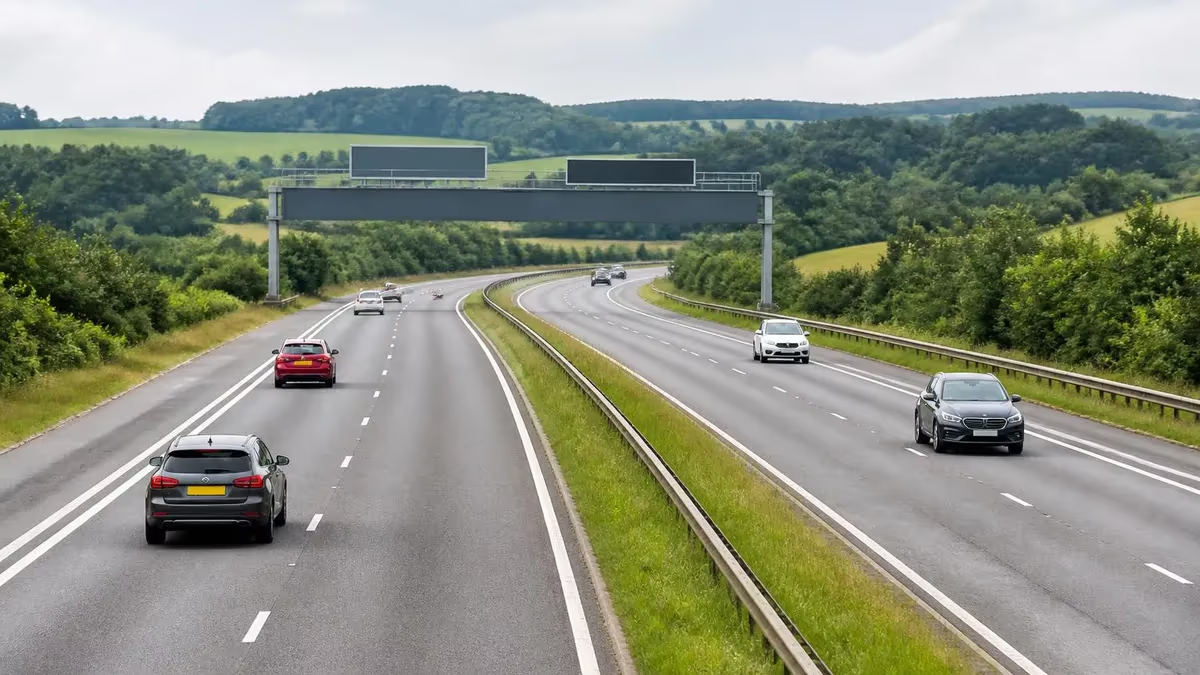
Searching for the best driving lessons near me is one of the most important decisions you will make as a learner driver in the UK, because the instructor you pick will shape your habits, confidence and the speed at which you reach test standard. In 2026, with DVSA waiting lists still averaging fourteen to twenty weeks in many regions, choosing wisely matters more than ever. The right tuition can shave months off your timeline and hundreds of pounds off your total cost.
Not every driving school is equal. The DVSA registers Approved Driving Instructors (ADIs) and assigns them a grade based on quality checks, with Grade A representing the highest standard. Around sixty-two percent of ADIs currently sit at Grade B, while only around eight percent reach Grade A, meaning genuine top-tier instructors are a minority. Pass rates also vary wildly by school, from below thirty percent in some chains to over seventy percent with sought-after independents.
This guide walks you through every factor that determines whether a local driving school is genuinely worth your money. We cover how to verify an instructor's DVSA badge, what to expect from a free intro lesson, how to compare hourly rates fairly, and the warning signs that a cheap deal is actually expensive in disguise. You'll also see how lesson structure should match your learning style and how to negotiate test-ready packages.
You will also learn how to use real-world signals — Google reviews, local pass-rate data, recommendations from friends, and ADI register lookups — to shortlist instructors before you book. We compare manual versus automatic tuition, weekly hourly lessons versus driving ls, and one-to-one versus semi-supervised practice with a parent or partner. By the end of the article you'll have a clear, step-by-step framework for picking the right teacher.
Whether you are seventeen and starting from scratch, returning to driving after a long break, or upgrading from automatic to manual, the principles are the same. A great instructor adapts to your pace, gives clear feedback, follows the DVSA syllabus, and prepares you for the practical test on the routes used by your local test centre. A bad one wastes your time and money — and this guide will help you tell the difference quickly.
We've built this 2026 edition around the most recent DVSA data, current lesson prices across England, Scotland and Wales, and feedback from thousands of UK learners. Use the table of contents to jump to the section that matches where you are right now: comparing schools, booking your first lesson, prepping for theory, or finalising your test plan. Read carefully — choosing well now will pay back every single week you sit behind the wheel.
UK Driving Lessons by the Numbers
What to Look For in a Driving School
Every legal paid instructor must display a green ADI badge on their windscreen. Anything pink means trainee, and no badge means illegal tuition. Always verify the number on the gov.uk ADI register before paying.
A great instructor teaches you the actual roundabouts, junctions and tricky manoeuvres examiners use near your nominated test centre. Routes vary dramatically, so local familiarity gives a measurable advantage on test day.
Avoid schools that quote one price online and add fuel, booking or admin fees later. The best driving lessons near you publish full hourly, block and intensive rates clearly, and never charge for honest cancellations made in advance.
Quality ADIs follow the DVSA syllabus with a written record of every topic covered, mock tests, and clear progression. If your instructor 'just drives around', you'll pay for hours without measurable improvement toward test standard.
Top instructors will refuse to put you in for a test you cannot pass. A school chasing booking fees will. Look for ADIs who run mock tests under exam conditions and only book your slot once you genuinely meet DVSA standard.
Understanding ADI grades is the single fastest way to filter out weak schools. The DVSA grades every registered driving instructor on a standards check carried out roughly every four years. Grade A means the instructor demonstrated a high overall standard of instruction across all seventeen competencies, Grade B means a sufficient level of competence, and anything below means they are no longer registered. Ask any prospective school for their grade in writing.
Pass rates are a second crucial filter. The DVSA does not publish individual ADI pass rates, but most reputable schools track and publish their own, and large chains share regional averages. A genuine top-tier instructor in 2026 will have a personal first-time pass rate of fifty-five to seventy percent — comfortably above the national average of around forty-eight percent. Anything below forty percent is a red flag, especially in test centres with above-average national pass rates.
Reviews are useful but require careful reading. Look for detailed, recent reviews mentioning specific test centres, manoeuvres, and the instructor's teaching style. Generic five-star reviews with no detail are easy to fake. A school with three hundred reviews averaging 4.8 and lots of named instructor mentions is more trustworthy than a school with twenty five-star anonymous reviews. Beware too of schools that delete every negative comment instead of responding professionally.
Word of mouth still beats every algorithm. If three friends from your area passed first time with the same instructor, that is more reliable data than any star rating. Ask in local Facebook groups, college noticeboards, and workplace chats. Ask specifically: how many hours did you need, how many tests did you take, did your instructor follow a plan, and would you recommend them to a complete beginner? You will learn more in ten minutes than in an hour of online searching.
Finally, consider continuity. Schools that swap instructors every few weeks tend to produce slower learners because each new ADI has to re-establish your level, your weaknesses, and your test routes. Independent instructors and small local franchises usually outperform large national chains on this measure. Check the school's policy on instructor changes and ask how often learners are moved before you commit to a block booking. Continuity is invaluable. If you're planning an intensive driving course with test, continuity becomes even more essential because every hour matters.
Don't forget the car itself. Most ADIs use a small modern manual hatchback such as a Vauxhall Corsa, Ford Fiesta or VW Polo, but some teach in newer hybrids or fully automatic models. Make sure the car you learn in is the same type you'll sit your test in — switching at the last minute creates unnecessary stress. Also check the car has dual controls, current MOT, and is appropriately insured for tuition use.
Lastly, look at availability. The best instructors are often booked out four to eight weeks ahead. If a school can offer you ten hours next week, that may be a warning sign about demand or quality. Conversely, if you cannot get a first slot for two months, ask to be placed on a cancellation list rather than wait. Building a regular weekly slot at the same time and day creates rhythm and consistency that accelerates learning.
DVSA Practice Test Questions
Prepare for the DVSA - UK Driving Theory Test exam with our free practice test modules. Each quiz covers key topics to help you pass on your first try.
DVSA Eco-Friendly Driving and Vehicle Loading
DVSA Exam Questions covering Eco-Friendly Driving and Vehicle Loading. Master DVSA Test concepts for certification prep.
DVSA Hazard Awareness
Free DVSA Practice Test featuring Hazard Awareness. Improve your DVSA Exam score with mock test prep.
DVSA Incidents, Accidents and First Aid
DVSA Mock Exam on Incidents, Accidents and First Aid. DVSA Study Guide questions to pass on your first try.
DVSA Motorway Rules and Smart Motorways
DVSA Test Prep for Motorway Rules and Smart Motorways. Practice DVSA Quiz questions and boost your score.
DVSA Rules of the Road (Highway Code)
DVSA Questions and Answers on Rules of the Road (Highway Code). Free DVSA practice for exam readiness.
DVSA - UK Driving Theory Hazard Awareness ...
DVSA Mock Test covering - UK Driving Theory Hazard Awareness and Perception. Online DVSA Test practice with instant feedback.
DVSA - UK Driving Theory Motorway Rules an...
Free DVSA Quiz on - UK Driving Theory Motorway Rules and Regulations. DVSA Exam prep questions with detailed explanations.
DVSA - UK Driving Theory Road and Traffic ...
DVSA Practice Questions for - UK Driving Theory Road and Traffic Signs. Build confidence for your DVSA certification exam.
DVSA - UK Driving Theory Rules of the Road
DVSA Test Online for - UK Driving Theory Rules of the Road. Free practice with instant results and feedback.
Best Driving Lessons Near Me: Lesson Types and Pricing Compared
The traditional approach is one or two hourly lessons each week, typically lasting between sixty and one-hundred-twenty minutes. This format suits learners who want time between sessions to absorb feedback, log private practice with a parent, and revise theory. It is also the cheapest way to spread the cost of learning to drive across several months.
Expect to pay between £34 and £42 per hour in most UK cities, with block bookings of ten hours reducing the price by around five to ten percent. The downside is that weekly lessons can stretch over six to ten months, which is risky during periods of high test demand because your skills may go stale waiting for a slot.
Independent ADI vs Big Driving School Chain
- +Direct relationship with one instructor across your entire learning journey
- +Often more flexible scheduling and willing to accommodate exam-week changes
- +Local route specialists who know your test centre's tricky junctions
- +Frequently higher first-time pass rates than national averages
- +Easier to negotiate block discounts and tailored intensive packages
- +Genuine accountability — your instructor's reputation lives or dies on results
- +Direct messaging contact rather than a national call centre
- −Limited availability if your instructor is sick, on holiday or fully booked
- −No backup car if theirs breaks down close to test day
- −Less standardised paperwork, mock tests and progress tracking
- −Fewer add-ons like Pass Plus, motorway lessons or refresher courses
- −Smaller online presence makes reviews harder to verify at scale
- −Cancellation policies can be stricter than corporate schools
- −No safety net if a personality clash means you need to switch ADI
Best Driving Lessons Booking Checklist
- ✓Verify the instructor's ADI number on the official gov.uk register
- ✓Confirm whether you are paying a fully qualified ADI or a trainee on a pink badge
- ✓Ask for the instructor's first-time pass rate in writing
- ✓Read at least ten recent Google or Trustpilot reviews mentioning specific test centres
- ✓Request a free or discounted introductory lesson before committing to a block
- ✓Check the make, model and gearbox of the tuition car
- ✓Confirm dual controls, valid MOT and tuition insurance are in place
- ✓Agree the cancellation policy and minimum notice required without charge
- ✓Get the price per hour, block discount and intensive package in writing
- ✓Ask for a sample lesson plan and how progress will be tracked between sessions
Always book an intro before committing to a block
The single best way to test a driving school is a one-hour introductory lesson, often discounted or free. You'll see how the instructor explains controls, manages your nerves, and structures the time. If you finish feeling clear about what you'll do next session, you have likely found a winner. If you finish confused, slow down before you pay for ten more hours.
Getting test-ready faster is less about cramming hours and more about practising the right things in the right order. The DVSA syllabus has seventeen broad competencies, from cockpit checks and moving off to reverse parking, dual-carriageway driving, and independent driving with sat-nav. A great instructor moves you through these competencies in a sequence that builds confidence, while a weak one drives in circles practising whatever feels comfortable that day.
Layer private practice on top of your professional lessons. The DVSA reports that learners who supplement paid lessons with at least twenty hours of private practice pass on average around ten percent more often than those who only take instructor lessons. A parent, sibling or partner over twenty-one with three years of full licence can accompany you on the road as long as the car is insured for that purpose. Private practice cements skills you learn each week.
Don't skip theory and hazard perception. Many learners delay theory until they feel close to test standard, but the opposite is more efficient: passing theory early lets you book your practical the moment you're ready. Use a structured plan to hazard perception pass mark training so the visual scanning habits transfer into your real driving. The two tests reinforce each other.
Mock tests are non-negotiable. The best instructors run a full DVSA-style mock test at the halfway point and again two or three sessions before your booking. They drive you to your actual test centre, follow real examiner routes, and mark you exactly as an examiner would. If your instructor never offers mocks, ask for one — they take the mystery out of test day and reveal exactly where your remaining faults sit.
Use the show-me, tell-me questions strategically. The DVSA publishes the full list of vehicle safety questions, and one tell-me question is asked at the start of the test and one show-me at the start of driving. Failing both adds a driving fault but rarely a serious one — yet many learners walk in with no idea where the windscreen washer reservoir is. Spend fifteen minutes learning them properly.
Build resilience for poor weather. Most practical tests are not cancelled for rain, fog or snow unless conditions are extreme. If you have only ever driven on dry summer mornings, a wet October exam will rattle you. Insist on lessons in different conditions, including dusk, light rain, and rush-hour traffic. Examiners care about how safely you adapt, not whether the weather is perfect.
Finally, manage your nerves with rehearsal, sleep and routine. The week before your test, drive the actual test centre routes at the same time of day your test is booked. Eat the same breakfast on lesson days. Wear the same clothes you'll wear on test day. By the time you arrive, your body should be on autopilot for everything except the driving itself — that's the only part of the day that requires fresh cognitive effort.
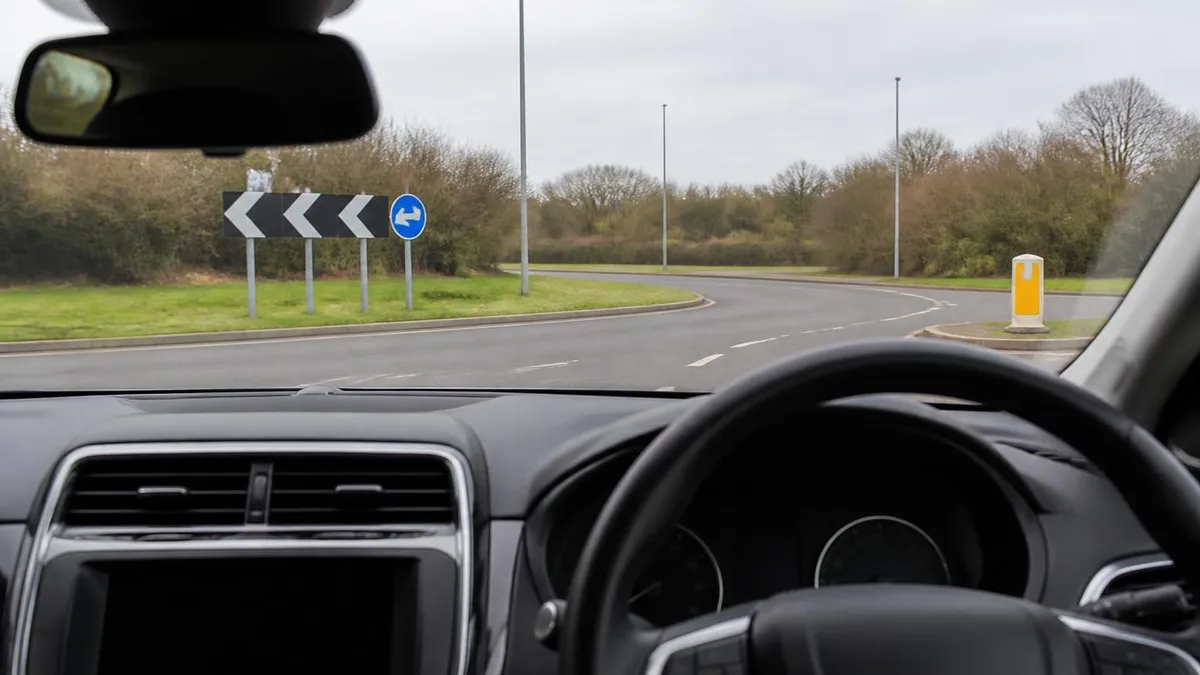
It is illegal to charge for driving tuition in the UK without being a registered ADI or PDI with a valid badge displayed on the windscreen. Some unqualified instructors operate informally through social media, offering rock-bottom prices. They have no DVSA oversight, often no tuition insurance, and put you at legal and physical risk. Always verify the badge number on gov.uk before paying a penny.
Common mistakes when choosing driving lessons fall into predictable patterns, and avoiding them will save you money, time and frustration. The first is fixating on hourly price. A £30 lesson with a Grade B instructor who only does one-hour blocks and no mock tests is usually worse value than a £42 lesson with a Grade A independent who runs ninety-minute sessions, regular mocks and structured progression. Hourly cost is meaningless without considering hours-to-pass.
The second mistake is delaying theory until lessons feel ready. Theory and hazard perception unlock your ability to book a practical, and 2026 driving test wa mean that delay can cost you months. The best plan is to start theory revision the week you take your first practical lesson, sit theory within four to six weeks, and book the practical the moment you have a confirmed theory pass. Use our guide on faults to understand exactly how examiners score; the driving test resource is a great companion read.
The third mistake is booking a test before you're test-ready. With slot scarcity, many learners try to grab a date months in advance and 'work back' from it. This sometimes works, but more often it pushes the learner to test before they are competent, leading to a fail and another long wait. Better to book provisionally with your instructor's blessing and use cancellation alerts to bring the date forward as you become genuinely ready.
The fourth mistake is ignoring lesson length. Sixty-minute sessions can be too short for some learners by the time you settle, drive somewhere quiet enough to practise, and reflect on the feedback. Ninety or one-hundred-twenty-minute sessions allow you to drive to dual carriageways or busy roundabouts, practise complex skills with repetition, and debrief properly. Ask your instructor to recommend a length based on where you are in the syllabus.
The fifth mistake is not communicating your goals. Tell your instructor exactly when you would like to test, how many hours per week you can commit, and how confident you feel about each topic. Top ADIs adjust their plans week by week based on this information. If you stay quiet, they'll default to a generic curve that may not match your timeline. Treat your driving school as a service you actively manage, not a passive subscription.
The sixth mistake is failing to assess progress objectively. Without mock tests, faults logs and structured feedback, learners often feel ready before they are — or feel unready when they actually are. Ask your instructor at every fifth lesson: 'If I sat the test tomorrow, what would I get and why?' A clear answer keeps both of you accountable and builds shared confidence about the right test date.
Finally, do not be afraid to switch instructors. If after four or five sessions you do not feel safer, more confident, and more capable, the chemistry or teaching style is wrong. Politely move on. A good ADI will recommend a colleague; a bad one will guilt you into staying. Your licence is the goal, not loyalty to a particular school. The market is large enough that a better fit almost certainly exists nearby.
Practical day-of-test tips can turn a borderline learner into a first-time pass. Arrive at the test centre at least twenty minutes early, with your provisional licence ready and theory pass confirmed in the DVSA system. Use the toilet before you check in. Bring water and a light snack. Avoid heavy meals and energy drinks. Your goal is calm focus, not adrenaline, so behave as you would before any important appointment.
Take one final pre-test lesson with your instructor immediately before the examiner arrives. Most ADIs offer a one-hour warm-up that covers your weakest manoeuvres, current test centre routes, and any specific examiner habits at that location. This warm-up is consistently cited by Grade A instructors as the single best predictor of a first-time pass when combined with sleep and theory readiness.
During the test, treat the examiner as a passenger you barely notice. Speak only when needed, follow instructions clearly, and ask for clarification if you do not understand something — examiners are trained to repeat instructions without penalty. If you make a mistake, do not assume you have failed. Learners often pick up two or three driving faults on test day and still pass comfortably with eleven or fewer minors permitted.
Manage independent driving carefully. Roughly twenty minutes of the practical involves following sat-nav directions or road signs without prompting. If you take a wrong turn, you are not penalised — only if you make an unsafe manoeuvre while correcting. Carry on confidently and the examiner will redirect you. Show-me, tell-me questions are easy marks if you've practised; do not fluff them on the day. After your test, whatever the result, debrief with your instructor.
If you pass, congratulations — your provisional becomes a full licence and the DVSA sends a new card within three weeks. Consider Pass Plus, motorway lessons, or a Driver's Improvement course in your first six months. New drivers under twenty-five have the highest crash rate in the UK, and one extra structured course significantly reduces that risk. Your insurance premium also drops with proof of advanced training, sometimes by ten to twenty percent.
If you don't pass, do not panic. The DVSA reports the national first-time pass rate is around forty-eight percent, so half of all learners fail their first attempt. Book a re-test within ten working days, schedule a focused two-hour session with your instructor on the exact faults listed on your debrief sheet, and avoid the temptation to take long breaks. Momentum matters far more than time off in this game.
Long-term, remember that passing your test is the start of learning, not the end. The best driving lessons near you will give you the foundations, but real-world skill comes from years of varied driving — motorways, night driving, towing, snow, single-track roads, city centres. Treat your first year on a full licence as ongoing practice, drive defensively, and consider a yearly refresher if your driving habits become risky over time.
DVSA Questions and Answers

DVSA Car Practical Test: Complete Guide to Passing First Time
How to Change Theory Test Date: Complete DVSA Rebooking Guide for 2026

How Many Minors Can You Have in a Driving Test? UK Faults Guide 2026
Intensive Driving Course With Test: Complete UK Guide to Fast-Track Your Licence in 2026

Hazard Perception Pass Mark: The Complete UK Guide to Scoring 44/75 in 2026
About the Author

Licensed Driving Instructor & DMV Test Specialist
Penn State UniversityRobert J. Williams graduated from Penn State University with a degree in Transportation Management and has spent 20 years as a certified driving instructor and DMV examiner consultant. He has personally coached thousands of applicants through written knowledge tests, skills assessments, and commercial driver licensing programs across more than 30 states.