
Direct Support Professional Certification: A Complete Guide
DSP Direct Support Professional Certification Exam Prep 2026 FREE 1,203+ Questions with real explanations. Crush It First Try
Direct Support Professionals (DSPs) are vital in providing assistance and support to individuals with disabilities, mental health issues, and other personal challenges. They play a crucial role in helping individuals live independently and improve their quality of life. If you’re considering a career in this field, obtaining a Direct Support Professional (DSP) certification is an essential step in ensuring that you are prepared and qualified to support those in need. This guide will explore what it takes to become a DSP, the training required, the skills necessary for success, and the process of getting certified.
DSP Practice Test Questions
Prepare for the DSP - Direct Support Professional Certification exam with our free practice test modules. Each quiz covers key topics to help you pass on your first try.
DSP Accredited Direct Support Professional...
DSP Exam Questions covering Accredited Direct Support Professional Courses. Master DSP Test concepts for certification prep.
DSP Certified Direct Support Professional ...
Free DSP Practice Test featuring Certified Direct Support Professional Training. Improve your DSP Exam score with mock test prep.
DSP Direct Support Professional Certificat...
DSP Mock Exam on Direct Support Professional Certification Programs. DSP Study Guide questions to pass on your first try.
DSP Direct Support Professional Certificat...
DSP Test Prep for Direct Support Professional Certification Requirements. Practice DSP Quiz questions and boost your score.
DSP - Direct Support Professional Crisis P...
DSP Questions and Answers on - Direct Support Professional Crisis Prevention and Intervention. Free DSP practice for exam readiness.
DSP - Direct Support Professional Effectiv...
DSP Mock Test covering - Direct Support Professional Effective Communication and Documentation. Online DSP Test practice with instant feedback.
DSP - Direct Support Professional Health a...
Free DSP Quiz on - Direct Support Professional Health and Wellness Support. DSP Exam prep questions with detailed explanations.
DSP - Direct Support Professional Individu...
DSP Practice Questions for - Direct Support Professional Individual Rights and Advocacy. Build confidence for your DSP certification exam.
DSP - Direct Support Professional Person-C...
DSP Test Online for - Direct Support Professional Person-Centered Planning and Support. Free practice with instant results and feedback.
DSP - Direct Support Professional Positive...
DSP Study Material on - Direct Support Professional Positive Behavioral Supports. Prepare effectively with real exam-style questions.
DSP - Direct Support Professional Professi...
Free DSP Test covering - Direct Support Professional Professionalism and Ethics. Practice and track your DSP exam readiness.
DSP - Direct Support Professional Promotin...
DSP Exam Questions covering - Direct Support Professional Promoting Community Inclusion. Master DSP Test concepts for certification prep.
DSP - Direct Support Professional Medicati...
Free DSP Practice Test featuring DSP - Direct Support Professional Medication Administration and Support. Improve your DSP Exam score with mock test prep.
DSP - Direct Support Professional Medicati...
DSP Mock Exam on DSP - Direct Support Professional Medication Administration and Support Questions and Answers. DSP Study Guide questions to pass on your first try.
Key Takeaways
Free DSP Practice Test Online
Direct Support Professionals (DSPs) provide essential support to individuals with disabilities, helping them live independently and improve their quality of life.
DSP training covers a wide range of topics, including personal care, behavioral support, communication, and advocacy.
Successful DSPs possess key skills such as patience, empathy, problem-solving, communication, and physical endurance.
To become a certified DSP, candidates must complete accredited training, gain work experience, pass an exam, and maintain certification through ongoing education.
What is a Direct Support Professional?
A Direct Support Professional (DSP) is someone who provides direct care, guidance, and support to individuals with disabilities or special needs. DSPs work in a variety of settings, including group homes, residential facilities, schools, or day programs, and may assist clients with daily tasks, personal hygiene, mobility, communication, and socialization.
The role of a DSP extends beyond just caregiving. They serve as advocates, mentors, and companions, helping their clients develop important life skills and encouraging them to live independently. DSPs also offer emotional support and ensure that individuals in their care feel valued and empowered.
The work of a DSP is both rewarding and challenging, requiring a deep understanding of the needs of the people they serve, as well as a commitment to promoting dignity and respect.
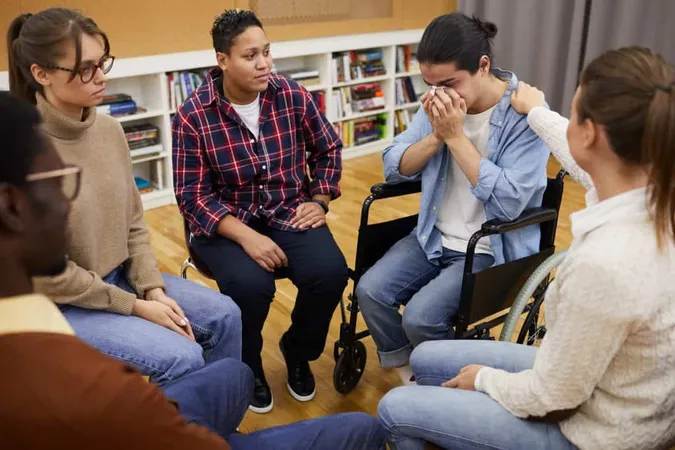
Direct Support Professional Training: The Foundation of a Successful Career
Becoming a Direct Support Professional requires specialized training that prepares individuals for the responsibilities of the job. Training programs focus on a wide array of topics, ensuring that DSPs can effectively address the needs of people with disabilities and other challenges. The training is typically hands-on and may be offered through community colleges, vocational schools, or employers themselves.
Key areas of focus in direct support professional training include:
Personal Care Skills: Learning how to assist clients with daily activities such as bathing, dressing, and grooming.
Behavioral Support: Understanding how to manage challenging behaviors and implement strategies to promote positive change.
Communication: Developing effective communication skills to interact with individuals who may have difficulty expressing themselves.
Health and Safety: Acquiring knowledge of proper medical and safety protocols, including CPR and first aid.
Advocacy: Learning how to advocate for the needs and rights of individuals with disabilities.
Training often includes both classroom learning and practical experience, which allows future DSPs to develop the skills necessary to provide high-quality care in real-life scenarios.
Essential Skills of a Direct Support Professional
Direct Support Professionals require a unique set of skills to be successful in their roles. These skills of a direct support professional go beyond basic caregiving and focus on empowering individuals with disabilities to lead independent lives. Some of the key skills include:
Patience: Working with individuals who may have complex needs requires a high degree of patience and understanding. DSPs must be able to remain calm and composed, even in challenging situations.
Empathy: DSPs must be able to understand and relate to the feelings and experiences of those they support. Empathy helps build trust and fosters positive relationships with clients.
Problem-Solving: DSPs often encounter unexpected challenges and must be able to think on their feet, develop solutions, and adapt to changing circumstances.
Communication: Clear and effective communication is essential for DSPs to provide care and support, especially when working with individuals who have limited verbal communication abilities.
Physical Endurance: Depending on the setting, DSPs may need to assist individuals with mobility, which can require physical strength and stamina.
These skills, combined with a deep understanding of the needs of individuals with disabilities, are essential for DSPs to perform their roles effectively and to create a positive, supportive environment.
How to Get a Direct Support Professional Certification
Getting a Direct Support Professional Certification is a key step in advancing your career in this field. The certification process varies by state or region but generally includes the following steps:
1. Complete a Training Program
Before applying for certification, most candidates must complete an accredited DSP training program. This program typically covers the basics of caregiving, health and safety procedures, communication skills, and behavioral management techniques.
2. Gain Work Experience
Many certification programs require candidates to have some hands-on experience working as a DSP. This experience helps you apply the concepts and techniques learned during training in real-world settings.
3. Pass the Certification Exam
After completing the required training and gaining practical experience, candidates must pass a certification exam. The exam tests knowledge of key areas such as healthcare, behavioral support, and personal care.
4. Submit Your Application
Once you pass the certification exam, you can submit your application to the certifying body. The application will include proof of your training, work experience, and exam results.

5. Maintain Certification
Many DSP certification programs require ongoing professional development to maintain certification. This may include attending workshops, taking continuing education courses, and staying updated on best practices in the field.
Conclusion
Becoming a Direct Support Professional offers the opportunity to make a meaningful difference in the lives of individuals with disabilities. By completing proper training and certification, DSPs are better equipped to provide high-quality care and support. The certification process ensures that DSPs are well-prepared to handle the challenges of the job and to help individuals lead fulfilling, independent lives.
Whether you’re looking to start your career or advance in the field, obtaining a Direct Support Professional Certification is a significant step in demonstrating your commitment to providing excellent care and advocacy for individuals with disabilities.
About the Author
Certified Professional Development Expert & Niche Certification Advisor
University of Pennsylvania Graduate School of EducationDr. Alexandra Kim holds a PhD in Professional Studies from the University of Pennsylvania and is a Certified Professional in Learning and Performance (CPLP) and Certified Professional in Talent Development (CPTD). With 17 years of corporate training and professional certification advisory experience, she helps professionals navigate specialized, emerging, and cross-industry certification programs.