
Death Doula: What They Do, Training & Salary Guide 2026 September
A death doula guides the dying and their families through end of life. Learn what they do, how to become one, training options, and salary expectations. 📝
What Is a Death Doula?
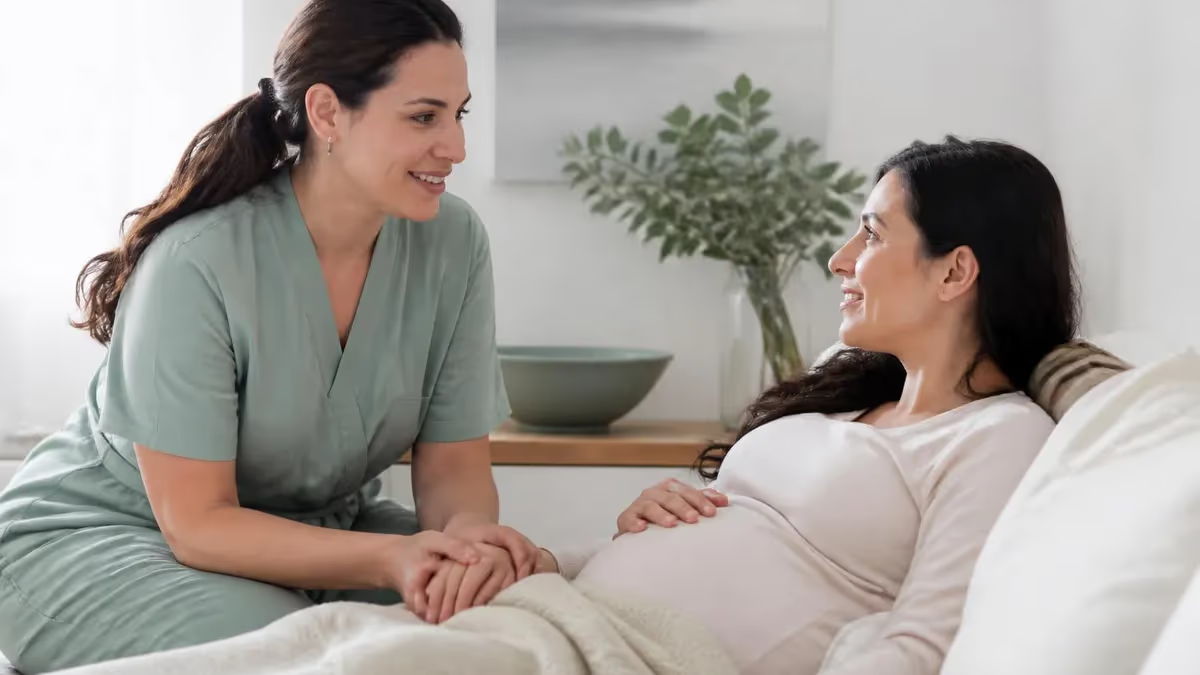
A death doula — sometimes called an end of life doula or doula for the dying — is a trained non-medical companion who supports dying people and their loved ones through the final stages of life. Think of it this way: just as a birth doula holds space during the intensity of labor, a death doula holds space during the intensity of dying. The work isn't clinical. It's deeply human.
The role has roots in ancient traditions of community death care, but it's become a recognized profession over the last two decades. More families are choosing to reclaim death as a personal, meaningful process — and death doulas are central to that shift.
So what do they actually do? Day to day, a death doula might help someone create a life review document, plan a meaningful final gathering, sit vigil through the night, guide breathing practices for anxiety, or simply hold someone's hand. They work alongside hospice and palliative care teams but aren't bound by medical protocols. That freedom lets them meet each person exactly where they are.
Death Doula Meaning: More Than a Job Title
The phrase "death doula meaning" searches are spiking — and that tells you something. People are genuinely curious about what this role represents, not just what it does. At its core, a death doula embodies a cultural shift: the idea that dying well is as important as living well.
You'll hear different terms floating around — death midwife, transition guide, end of life companion, soul midwife. They all describe variations of the same essential work. Some practitioners prefer "end of life doula" because it sounds less jarring in professional settings. Others embrace "death doula" precisely because it refuses to soften or avoid the word.
What unites every definition: this is compassionate, intentional support for one of life's most universal experiences. If you've sat with someone who was dying and wished you could do more — that instinct is the heart of what a death doula offers.
What Does a Death Doula Do? Services Explained
Death doula services vary widely depending on the practitioner and the family's needs. That flexibility is a feature, not a bug. Here's a breakdown of what's typical:
- Pre-death planning: Helping clients complete advance directives, write legacy letters, record oral histories, or plan meaningful final experiences
- Vigil support: Being physically present — sometimes overnight — as death approaches, holding space, guiding the family, monitoring comfort
- Family education: Teaching loved ones what active dying looks like so they aren't blindsided by physical changes
- Grief support: Offering follow-up sessions after death, helping families process and integrate their loss
- Ritual and ceremony: Creating personalized rituals that honor the dying person's values, whether secular, spiritual, or religious
- Home funeral guidance: In many states, families can legally care for their own dead — a death doula can guide that process
Some death doulas specialize. You'll find practitioners who focus on pediatric end of life, LGBTQ+ affirming care, trauma-informed death work, or specific cultural traditions. The field is young enough that there's real room to carve out a niche that aligns with your background and passions.
If you want to explore the broader world of what is a doula and how different doula roles compare, that's a great place to start before diving into this specialty.
How to Become a Death Doula
There's no single licensing board or mandated credential for death doulas in the United States — which is both freeing and a little confusing if you're researching how to become a death doula. You don't need a nursing degree or social work license. What you do need is solid training, personal readiness, and the temperament for this work.
Here's a realistic path:
Step 1: Honest Self-Assessment
This work asks a lot. You'll sit with people in profound suffering — physical, emotional, and spiritual. Before pursuing death doula training, spend time reflecting. Have you processed your own relationship to mortality? Do you have strong emotional boundaries? Can you hold space without trying to fix or rescue?
Most training programs include some version of this self-inquiry. The best ones don't let you skip it.
Step 2: Choose a Training Program
Death doula training programs range from weekend intensives to year-long certifications. Major organizations offering credentialed training include:
- INELDA (International End of Life Doula Association) — one of the most widely recognized, offers in-person and online training
- NODA (National End of Life Doula Alliance) — sets competency standards for the field
- Going with Grace — founded by Alua Arthur, strong emphasis on embodied, culturally aware practice
- Conscious Dying Institute — more spiritually integrated curriculum
Programs typically cover: the dying process and signs of active dying, communication skills, legacy work facilitation, vigil support techniques, grief support frameworks, and legal and ethical considerations.
Step 3: Get Hands-On Experience
Volunteer with hospice. Shadow an experienced death doula. Take a home funeral guide training. Read voraciously — Ira Byock's Dying Well, Barbara Karnes' pamphlets, Caitlin Doughty's work. The classroom matters, but so does sitting with the reality of dying.
Step 4: Build Your Practice
Many death doulas start by offering services to family and community members at low or no cost, building their skills and testimonials. From there, you might build a private practice, partner with hospices or palliative care teams, teach workshops, or focus on a specific niche.
Understanding doula meaning in its full context — across birth, postpartum, and end of life — can help you position yourself in a growing field that values holistic life support.
Death Doula Training: What to Look For
With the field expanding fast, not all death doula training programs are equal. Here's what separates good training from great training:
- Practical skill development — not just theory. Does the program include role play, case studies, supervised practice?
- Coverage of diverse populations — dying looks different across cultures, ages, and identities
- Business development — especially if you plan to work independently
- Community — death work can be isolating. A program that connects you to ongoing support and peer community matters more than you'd think
- Instructor experience — are they actively practicing or primarily academic?
Doula for the dying training can cost anywhere from $500 to $4,000+ depending on length and format. Online options have made training far more accessible — but don't underestimate the value of in-person learning for work this emotionally demanding.
Death Doula Salary: What You Can Realistically Earn
Let's be honest about death doula salary — because the financial picture is genuinely complicated. This is an emerging profession without standardized pay scales, and many practitioners work part-time or blend it with related work like social work, chaplaincy, or hospice volunteering.
That said, here's a realistic breakdown of what death doulas earn:
- Per-client fees: Most private-practice death doulas charge $500–$3,500 per client for a full package (from early planning through post-death follow-up). Vigil-only support might run $25–$75 per hour.
- Annual income range: Full-time death doulas who build established practices typically report $40,000–$80,000 per year. Those who supplement with teaching, writing, or consulting can earn more.
- Part-time or volunteer work: Many death doulas maintain day jobs, especially early in their practice
- Geographic variation: Urban markets command higher rates — a death doula in San Francisco or New York will typically charge more than one in rural areas
The financial ceiling is rising as public awareness grows. Death cafes, the death-positive movement, and mainstream media coverage have significantly increased demand for death doula services over the past five years. Still, if you're approaching this as a get-rich-quick pivot, it's the wrong field. If you're drawn to meaningful, human-centered work and you're willing to build slowly, the financial picture is more promising than it was a decade ago.
Some practitioners also earn income through workshops (death cafe facilitation, family preparedness sessions), writing, consulting for hospices, and speaking. Diversifying your income streams is smart — and common — in this work.

Is Death Doula Work Right for You?
People come to death doula work from wildly different backgrounds — nurses burned out on clinical settings, social workers craving more meaningful contact, grief counselors expanding their scope, caregivers who sat with dying parents and felt called by the experience, young people who simply aren't afraid of death.
There's no single profile of who becomes a good death doula. But a few qualities show up consistently in practitioners who thrive:
- High emotional intelligence and strong personal boundaries
- Comfort with ambiguity — dying rarely follows a script
- Genuine curiosity about different cultural and spiritual perspectives on death
- A calm, grounded presence under pressure
- The ability to listen more than they speak
The hardest part isn't witnessing death — most practitioners say they make peace with that quickly. The hardest part is holding the grief of family members, managing your own emotional responses, and doing this work sustainably without burning out.
Self-care isn't optional in this field. It's professional infrastructure. The death doulas who last are the ones who have their own support systems, supervisors, and rituals for processing what they carry home.
Death Doulas and the Broader Care Ecosystem
A common question: how do death doulas fit alongside hospice nurses, social workers, and chaplains? The short answer — they complement, they don't compete.
Hospice is bound by Medicare regulations, insurance billing requirements, and clinical protocols. Death doulas aren't. That means they can spend hours at the bedside when a hospice nurse has 12 other patients. They can help plan a ceremony that a chaplain might not have time to coordinate. They can make the follow-up calls months later that a social worker's caseload doesn't allow.
Many hospices and palliative care programs are actively seeking to integrate death doulas into their care teams. Veterans Affairs hospitals, cancer centers, and pediatric palliative care programs are among those exploring formal partnerships. The field is professionalizing — and that creates real opportunity for trained practitioners who want stable, salaried positions rather than building a private practice from scratch.
You can also explore doula certification pathways more broadly if you're weighing different types of doula work before committing to end-of-life specialization. Understanding the full landscape — birth, postpartum, and death — helps you make a more intentional choice.
Death doula services are increasingly covered by some long-term care insurance policies, and advocacy groups are working toward Medicare coverage. It's a slow process, but the direction of travel is clear: end of life doula work is moving from fringe to mainstream. Your timing, as someone exploring this path now, is genuinely good.
About the Author

Registered Nurse & Healthcare Educator
Johns Hopkins University School of NursingDr. Sarah Mitchell is a board-certified registered nurse with over 15 years of clinical and academic experience. She completed her PhD in Nursing Science at Johns Hopkins University and has taught NCLEX preparation and clinical skills courses for nursing students across the United States. Her research focuses on evidence-based exam preparation strategies for healthcare certification candidates.