

CDC Practice Test
Updated for October 2026A Certified Dental Ceramist (CDC) plays a critical role in modern dentistry by crafting high-quality dental prosthetics, such as crowns, bridges, veneers, and dentures. This profession blends art and science to create functional and aesthetically pleasing dental restorations. Becoming a certified dental ceramist requires specialized education, hands-on training, and passing an industry-recognized certification exam.
In this guide, we will explore what a dental ceramist does, the steps to becoming certified, the time commitment required, job responsibilities, and salary expectations. Understanding these aspects will help aspiring dental ceramists make informed career decisions and excel in the field.
CDC Practice Test Questions
Prepare for the CDC - Certified Dental Ceramist exam with our free practice test modules. Each quiz covers key topics to help you pass on your first try.
CDC Ceramic Firing & Kiln Operations
CDC Exam Questions covering CDC Ceramic Firing & Kiln Operations. Master CDC Test concepts for certification prep.
CDC Kiln Technology & Firing Protocols
Free CDC Practice Test featuring CDC Kiln Technology & Firing Protocols. Improve your CDC Exam score with mock test prep.
CDC Shade Matching & Color Science
CDC Mock Exam on CDC Shade Matching & Color Science. CDC Study Guide questions to pass on your first try.
CDC Clinical Procedures & Protocols
CDC Test Prep for Clinical Procedures & Protocols. Practice CDC Quiz questions and boost your score.
CDC Dental Porcelain Layering & Build-Up T...
CDC Questions and Answers on Dental Porcelain Layering & Build-Up Techniques. Free CDC practice for exam readiness.
CDC Emergency Procedures & Response
CDC Mock Test covering Emergency Procedures & Response. Online CDC Test practice with instant feedback.
CDC Laboratory Techniques & Technology
Free CDC Quiz on Laboratory Techniques & Technology. CDC Exam prep questions with detailed explanations.
CDC Material Selection & Aesthetic Customi...
CDC Practice Questions for Material Selection & Aesthetic Customization. Build confidence for your CDC certification exam.
CDC Medical Terminology & Anatomy
CDC Test Online for Medical Terminology & Anatomy. Free practice with instant results and feedback.
CDC Patient Assessment & Documentation
CDC Study Material on Patient Assessment & Documentation. Prepare effectively with real exam-style questions.
CDC Pharmacology & Drug Administration
Free CDC Test covering Pharmacology & Drug Administration. Practice and track your CDC exam readiness.
CDC Professional Ethics & Communication
CDC Exam Questions covering Professional Ethics & Communication. Master CDC Test concepts for certification prep.
CDC Prosthetics Design & Fabrication
Free CDC Practice Test featuring Prosthetics Design & Fabrication. Improve your CDC Exam score with mock test prep.
CDC Quality Control & Industry Standards
CDC Mock Exam on Quality Control & Industry Standards. CDC Study Guide questions to pass on your first try.
Key Takeaways
Free Dental Ceramist Practice Test Online
A dental ceramist is a skilled professional who creates custom dental restorations.
Becoming certified requires formal education, hands-on training, and passing a certification exam.
The career path can take between 3 to 6 years, depending on the training route.
Dental ceramists use both artistic and technological skills to create prosthetics that enhance patients’ oral health and appearance.
Certified dental ceramists can earn competitive salaries, with higher earning potential for those with advanced expertise.
What Is a Dental Ceramist?
A dental ceramist is a highly skilled professional responsible for creating dental prosthetics and restorations used in cosmetic and restorative dentistry. These specialists work closely with dentists and dental technicians to ensure that patients receive custom-fitted prosthetics that match their natural teeth in both function and appearance.
- ✓Review the official CDC exam content outline
- ✓Take a diagnostic practice test to identify weak areas
- ✓Create a study schedule (4-8 weeks recommended)
- ✓Focus on your weakest domains first
- ✓Complete at least 3 full-length practice exams
- ✓Review all incorrect answers with detailed explanations
- ✓Take a final practice test 1 week before exam day
Key Responsibilities of a Dental Ceramist:
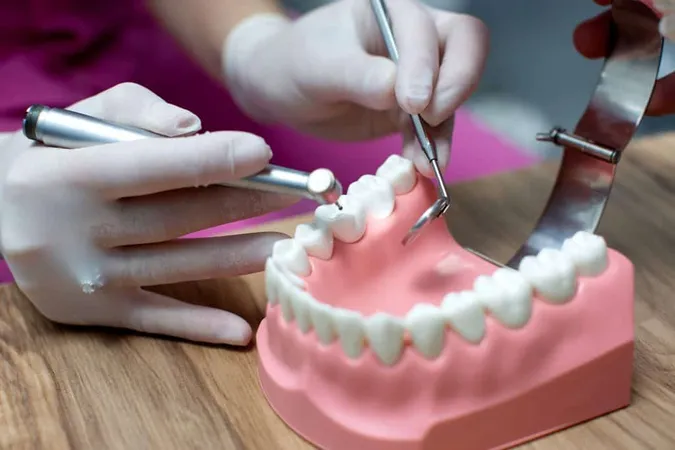
Designing and fabricating dental prosthetics, including crowns, bridges, and implants
Using advanced materials such as porcelain, ceramic, and composite resins
Interpreting dental impressions and digital scans to create precise restorations
Staining and glazing dental prosthetics to match natural tooth color
Working with Computer-Aided Design (CAD) and Computer-Aided Manufacturing (CAM) technologies
Ensuring quality control and durability of the final product
How to Become a Dental Ceramist
Becoming a certified dental ceramist requires a combination of formal education, hands-on training, and certification through an accredited program.
Steps to Becoming a Certified Dental Ceramist:
Obtain a High School Diploma or GED: A foundational education in science and math is helpful for this career path.
Enroll in a Dental Laboratory Technology Program: Many colleges and technical schools offer associate degrees or certificate programs in dental technology.
Gain Hands-On Experience: Internships, apprenticeships, or on-the-job training in a dental laboratory provide essential practical skills.
Pursue Certification: Passing the Certified Dental Technician (CDT) or Certified Dental Ceramist (CDC) exam from a recognized organization such as the National Board for Certification in Dental Laboratory Technology (NBC) is a key step toward professional recognition.
Continue Professional Development: Advancements in dental materials and technology require ongoing education and training.
How Long Does It Take to Become a Dental Ceramist?
The time required to become a dental ceramist depends on the educational path chosen and the level of hands-on experience obtained.
Education: Completing a dental laboratory technology program typically takes 1 to 2 years.
Apprenticeship or On-the-Job Training: Many professionals gain experience through 2 to 4 years of hands-on training before seeking certification.
Certification Process: The CDC or CDT certification process can take several months, including exam preparation and testing.
In total, becoming a certified dental ceramist can take anywhere from 3 to 6 years, depending on individual progress and career path.
What Does a Dental Ceramist Do?
Dental ceramists work in dental laboratories, where they fabricate dental prosthetics that meet both functional and cosmetic needs. Their daily responsibilities involve a mix of technical expertise, artistic precision, and technological integration.
Daily Tasks of a Dental Ceramist:
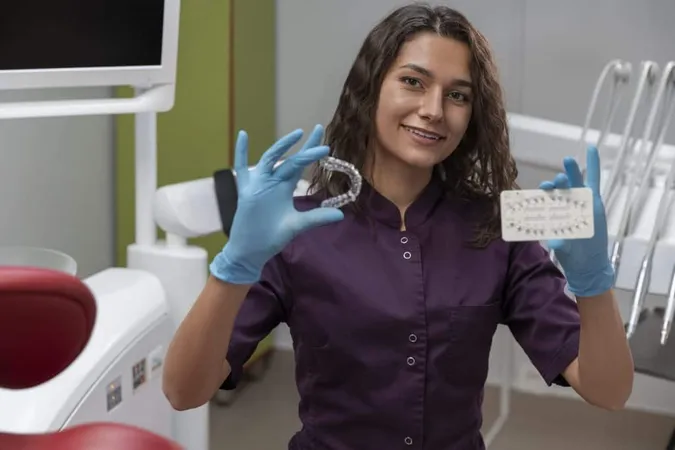
Designing and sculpting custom dental restorations based on patient specifications
Utilizing CAD/CAM software to create digital dental models
Applying porcelain layers to prosthetics for a natural appearance
Firing ceramics in kilns to achieve the correct color and strength
Collaborating with dentists to ensure the accuracy and comfort of dental restorations
How Much Does a Dental Ceramist Make?
The salary of a dental ceramist varies based on experience, location, certification level, and the type of laboratory or dental office they work for.
Average Salary Figures:
Entry-Level Dental Ceramists: Earn around $35,000 to $45,000 per year.
Mid-Level Professionals: Can expect to earn $50,000 to $70,000 annually.
Experienced and Certified Ceramists: With advanced skills and specialization, salaries can exceed $75,000 per year.
Self-Employed or Lab Owners: Those who establish their own dental laboratories can earn significantly higher incomes.
CDC: Pros and Cons
- +CDC certification validates expertise recognized by employers nationwide
- +Certified professionals typically earn 15-20% higher salaries
- +Opens doors to advanced positions and leadership roles
- +Demonstrates commitment to professional standards and ethics
- +Builds a strong professional network through certification communities
- −Exam preparation typically requires 2-4 months of dedicated study
- −Certification and exam fees can range from $150-$500+
- −Must complete continuing education to maintain active certification
- −Pass rates vary — thorough preparation is essential for success
- −Some certifications require prerequisite experience or education
Pros and Cons at a Glance
| Pros | Cons |
|---|---|
| CDC certification validates expertise recognized by employers nationwide | Must complete continuing education to maintain active certification |
| Opens doors to advanced positions and leadership roles | Pass rates vary — thorough preparation is essential for success |
| Demonstrates commitment to professional standards and ethics | Some certifications require prerequisite experience or education |
Sample Certified Dental Ceramist Practice Questions
Try these questions from our free Certified Dental Ceramist practice tests. The correct answer and an explanation follow each question.
How does collaboration enhance Clinical Procedures & Protocols in Certified Dental Ceramist?
- A. It slows down the process
- B. It brings diverse perspectives and improves outcomes
- C. It creates unnecessary meetings
- D. It reduces individual accountability
Answer: B. It brings diverse perspectives and improves outcomes
Collaboration brings together different viewpoints and expertise, leading to better decision-making and outcomes.
Which property of yttria-stabilized tetragonal zirconia polycrystal (Y-TZP) contributes most to its fracture resistance?
- A. High alumina content
- B. Transformation toughening mechanism
- C. Low coefficient of thermal expansion
- D. Intrinsic radioopacity
Answer: B. Transformation toughening mechanism
Transformation toughening occurs when tensile stress at a crack tip triggers tetragonal-to-monoclinic phase transformation, absorbing energy and stopping crack propagation.
Why is quality control important in dental prosthetics fabrication?
- A. To increase production speed
- B. To ensure functional, aesthetic, and safety standards
- C. To reduce the use of quality materials
- D. To minimize inspection procedures
Answer: B. To ensure functional, aesthetic, and safety standards
Quality control is paramount in dental prosthetics fabrication to ensure that all restorations meet functional, aesthetic, and safety standards. It involves rigorous checks at various stages of production to identify and correct any imperfections, ensuring the final product fits accurately, looks natural, and is safe for patient use. This commitment to quality protects patient health and maintains the laboratory's reputation.
Metamerism in dental ceramics refers to which phenomenon?
- A. Two restorations appearing to match under one light source but not another
- B. The fluorescence of porcelain under UV light
- C. Color change during firing due to pigment burnout
- D. The shift in translucency as porcelain thickness increases
Answer: A. Two restorations appearing to match under one light source but not another
Metamerism occurs when two objects with different spectral reflectance curves appear to match under one illuminant but differ under another, such as operatory light versus natural daylight.
(CDC) Certified Dental Ceramist Questions and Answers
About the Author

Dentist & Dental Licensing Exam Specialist
University of Michigan School of DentistryDr. Patricia Chen is a licensed dentist with a DDS and a Master of Science in Periodontics from the University of Michigan School of Dentistry. She has 14 years of clinical practice and academic instruction experience, specializing in helping dental school graduates prepare for the NBDE, INBDE, regional clinical boards, and dental hygiene licensure examinations.
Join the Discussion
Connect with other students preparing for this exam. Share tips, ask questions, and get advice from people who have been there.
View discussion (8 replies)