
CSCS Certification Requirements: Eligibility & How to Apply 2026 October
⏳ Get ready for your CSCS Certification Requirements: certification. Practice questions with step-by-step answer explanations and instant scoring.

The NSCA (National Strength and Conditioning Association) sets specific eligibility criteria for the CSCS examination that must be verified before candidates can sit for the exam. These requirements exist to ensure that all CSCS-certified professionals have the educational foundation in exercise science and physiology required to apply the certification's content safely and effectively with athletic populations.
The primary eligibility requirement is a bachelor's degree or higher from an accredited college or university. The degree does not need to be specifically in exercise science or kinesiology — any bachelor's degree from an accredited institution is accepted. However, candidates with degrees in exercise science, kinesiology, physical education, or related life sciences fields typically find the CSCS exam content more directly aligned with their academic training. Candidates with degrees in unrelated fields must still pass the same exam, covering the same scientific content, as those with directly relevant degrees.
Alternatively, candidates who are enrolled in their final semester of an undergraduate program may apply before completing their degree, though NSCA will hold certification pending degree verification. This pathway allows graduating seniors to sit for the exam before commencement, receiving their certification shortly after graduation rather than waiting for post-graduation processing time. Candidates using this pathway must provide their anticipated graduation date and degree-granting institution at the time of application.
A current CPR and AED (Automated External Defibrillator) certification is required at the time of examination and must be maintained throughout the certification period. The CPR/AED certification must be from an approved provider (most commonly American Heart Association, American Red Cross, or National Safety Council) and must be current — not expired — at the time of exam administration. NSCA requires that the CPR/AED certification cover both infant and adult CPR; certifications covering only adult CPR do not meet the requirement. Carry documentation of your current certification with you to the testing center.
There is no minimum work experience requirement for the CSCS examination — candidates can apply immediately upon completing their bachelor's degree without any post-graduation experience in strength and conditioning. This distinguishes the CSCS from some other professional certifications that require documented practice hours before examination. The exam itself provides the quality control mechanism; passing the content-validated examination is the demonstration of competency required for certification, not time spent in the field. The CSCS practice tests help you assess and build the content competency the exam requires before sitting for the actual examination.

CSCS Exam Structure and Format
Two-Section Exam Structure
The CSCS exam is divided into two separate sections: the Scientific Foundations section and the Practical/Applied section. Both must be passed to earn certification. The sections can be taken together in a single session or separately across multiple testing appointments.
Scientific Foundations Section
- Content: Exercise science, sports psychology, nutrition
- Items: 80 scored questions (+ 10 pretest questions)
- Time: 1.5 hours
- Coverage: Anatomy, physiology, biomechanics, energy systems, neuromuscular adaptations, exercise and sport psychology, nutrition and weight management
Practical/Applied Section
- Content: Exercise technique, program design, organization and administration, testing and evaluation
- Items: 110 scored questions (+ 15 pretest questions)
- Time: 2.5 hours
- Coverage: Resistance training exercises and technique, program design and periodization, facility management, fitness testing protocols
CSCS Practice Test Questions
Prepare for the CSCS - Certified Strength & Conditioning Specialist exam with our free practice test modules. Each quiz covers key topics to help you pass on your first try.
CSCS Client Assessment & Goal Setting
CSCS Exam Questions covering Client Assessment & Goal Setting. Master CSCS Test concepts for certification prep.
CSCS Coaching Techniques & Communication
Free CSCS Practice Test featuring Coaching Techniques & Communication. Improve your CSCS Exam score with mock test prep.
CSCS Periodization & Performance Planning
CSCS Mock Exam on CSCS Periodization & Performance Planning. CSCS Study Guide questions to pass on your first try.
CSCS Resistance Training Techniques
CSCS Test Prep for CSCS Resistance Training Techniques. Practice CSCS Quiz questions and boost your score.
CSCS Exercise Science & Anatomy
CSCS Questions and Answers on Exercise Science & Anatomy. Free CSCS practice for exam readiness.
CSCS Nutrition Fundamentals
CSCS Mock Test covering Nutrition Fundamentals. Online CSCS Test practice with instant feedback.
CSCS Nutrition & Performance Enhancement
Free CSCS Quiz on Nutrition & Performance Enhancement. CSCS Exam prep questions with detailed explanations.
CSCS Periodization & Energy Systems
CSCS Practice Questions for Periodization & Energy Systems. Build confidence for your CSCS certification exam.
CSCS Program Design & Implementation
CSCS Test Online for Program Design & Implementation. Free practice with instant results and feedback.
CSCS Resistance Training Biomechanics
CSCS Study Material on Resistance Training Biomechanics. Prepare effectively with real exam-style questions.
CSCS Safety & Injury Prevention
Free CSCS Test covering Safety & Injury Prevention. Practice and track your CSCS exam readiness.
CSCS Special Populations & Injury Prevention
CSCS Exam Questions covering Special Populations & Injury Prevention. Master CSCS Test concepts for certification prep.
The CSCS application process involves several sequential steps, each with its own timeline and documentation requirements. Understanding the complete sequence in advance prevents the common mistake of expecting rapid approval — the full process from submitting your application to sitting for the exam typically takes 6–10 weeks, and careful preparation prevents avoidable delays.
Step one: Create an account on the NSCA website and initiate your certification application through their online portal. Provide accurate information about your educational credentials, CPR/AED status, and professional background. All information is subject to verification, and providing inaccurate information can result in disqualification.
Step two: Submit required documentation. For degree verification, most applicants have their institution send official transcripts directly to NSCA — unofficial transcripts are not accepted. Some international degrees require additional evaluation through a credential evaluation service. CPR/AED certification documentation should clearly show the certification date, expiration date, issuing organization, and your name. Final-semester seniors submit enrollment verification and anticipated graduation documentation from their registrar.
Step three: Pay the exam fee. NSCA members pay the member rate; non-members pay the higher non-member rate. Consider whether joining NSCA before paying the exam fee makes financial sense — the membership discount on the exam fee often exceeds the annual membership cost, making membership cost-positive for exam takers.
Step four: Wait for eligibility verification. NSCA's verification process typically takes 4–6 weeks from receipt of complete documentation. Incomplete applications — missing transcripts, CPR documentation, or payment — restart the clock when the missing item is received. Check your application status in the online portal periodically, and respond promptly to any NSCA inquiries about your application.
Step five: Schedule your exam at Prometric after receiving your Authorization to Test (ATT). Your ATT specifies an eligibility window during which you must take the exam — typically 90 days. Schedule as early in your ATT window as possible, especially during high-demand periods. Exam preparation should be well underway before you receive your ATT; don't wait for ATT issuance to begin studying.
CSCS vs. CPT: Choosing the Right Certification Path
- +CSCS is the gold standard for strength and conditioning professionals — required by most collegiate and professional athletics employers
- +The NSCA membership required to reduce exam fees provides access to the Journal of Strength and Conditioning Research and professional development resources
- +No work experience prerequisite — eligible immediately upon bachelor's degree completion
- +CSCS content covers sports performance, periodization, and biomechanics in depth that CPT programs typically don't address
- −Higher exam difficulty and cost than most CPT certifications — requires substantive preparation investment
- −Bachelor's degree requirement excludes candidates without completed undergraduate education
- −Less recognized in commercial gym and general fitness employment settings compared to NASM-CPT or ACE-CPT
- −Continuing education requirements (6.0 CEUs per 3-year cycle) add ongoing professional development obligations
Pros and Cons at a Glance
| Pros | Cons |
|---|---|
| CSCS is the gold standard for strength and conditioning professionals — required by most collegiate and professional athletics employers | Higher exam difficulty and cost than most CPT certifications — requires substantive preparation investment |
| The NSCA membership required to reduce exam fees provides access to the Journal of Strength and Conditioning Research and professional development resources | Bachelor's degree requirement excludes candidates without completed undergraduate education |
| No work experience prerequisite — eligible immediately upon bachelor's degree completion | Less recognized in commercial gym and general fitness employment settings compared to NASM-CPT or ACE-CPT |

The Scientific Foundations section of the CSCS exam covers the academic knowledge base that underpins strength and conditioning practice — the exercise science that explains why training produces the adaptations it does, and how those adaptations can be optimized for athletic performance. Candidates with exercise science backgrounds will find this content familiar; those from other degree backgrounds should plan for intensive content review in this section's subject areas.
Anatomy and exercise physiology form the core of this section. Expect questions covering musculoskeletal anatomy — muscle groups, attachment points, joint structure and mechanics — and the physiological adaptations that result from different types of training stimuli. Acute and chronic adaptations to resistance training, cardiovascular training, and speed/power training all appear on the exam. You should be able to explain not just what the adaptations are but the mechanisms by which they occur: motor unit recruitment, muscle fiber type transitions, neuroendocrine responses, cardiovascular adaptations at the cardiac and vascular levels.
Biomechanics is tested with a practical focus — how principles of mechanics apply to exercise technique and injury prevention. Force, velocity, acceleration, torque, and lever systems are the central concepts. Questions typically require you to apply these principles to exercise technique decisions: why a specific joint angle produces more torque, how changing bar position affects moment arm length, or what the biomechanical rationale is for a specific technique cue. Review the key biomechanical principles and practice applying them to common exercises rather than memorizing equations in the abstract.
Energy systems physiology is a consistently tested area that many candidates underestimate. Know the ATP-PCr, glycolytic, and oxidative energy systems thoroughly: the substrates each uses, the rate and capacity of each, the training adaptations that affect each system's performance, and the sport-specific demands that determine which energy systems are primary for different athletic activities. The relationship between exercise intensity, duration, and energy system contribution is tested both in isolation and through application to sport-specific programming decisions.
Sports psychology is a smaller but regularly tested component of the Scientific Foundations section. Motivation, anxiety, arousal and performance relationships (inverted-U hypothesis, individual zones of optimal functioning), goal setting, imagery, and team cohesion are the primary content areas. These questions tend to be more applied than the physiology content — understanding how to apply psychological principles to coaching and athlete development situations rather than memorizing theory definitions.
Nutrition content covers energy balance, macronutrient function and metabolism, hydration, supplementation, and weight management in athletic populations. The CSCS nutrition content is not as deep as nutrition-specific certifications, but it covers the practical knowledge a strength coach needs to understand and communicate with athletes and sports dietitians. Know the evidence base for common supplements (creatine, caffeine, protein timing) and be comfortable discussing energy availability concerns for weight-class and aesthetic sports.
Scientific Foundations (80 questions, 1.5 hrs): Tests academic knowledge — physiology, anatomy, biomechanics, energy systems, psychology, nutrition. More memorization of mechanisms and principles.
Practical/Applied (110 questions, 2.5 hrs): Tests application — exercise technique, program design, periodization, testing protocols, facility management. More scenario-based judgment with direct coaching relevance.
Most candidates find the Practical/Applied section more intuitive if they have direct coaching experience. The Scientific Foundations section requires more targeted academic preparation for candidates who have been out of the classroom for several years.
The Practical/Applied section tests how candidates apply strength and conditioning knowledge in realistic coaching contexts. This section is more heavily weighted (110 scored questions versus 80 in Scientific Foundations) and more directly tied to the day-to-day decisions of working strength coaches. Candidates with direct coaching experience typically perform better on this section; those with primarily academic backgrounds should work through practical scenario questions extensively during their preparation.
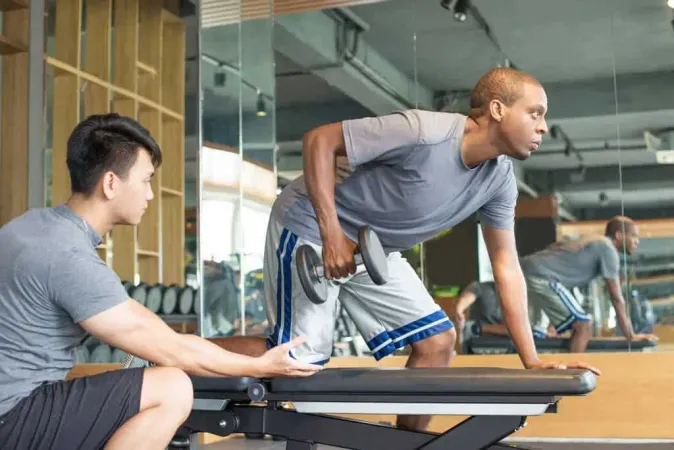
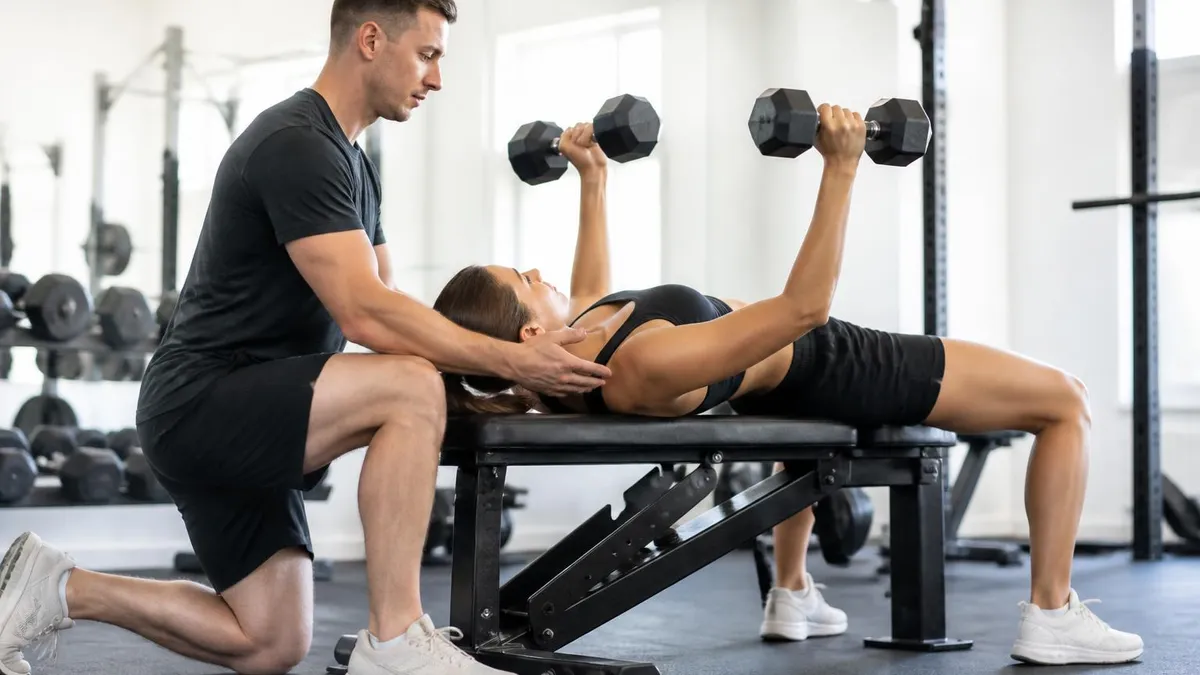
Exercise technique is one of the most heavily tested areas in the Practical/Applied section. You must know the correct technique for major resistance training exercises — the squat, deadlift, power clean, bench press, overhead press, and their variations — including the specific cues that distinguish correct from incorrect technique, the common errors and their correction, the safety considerations for each movement, and how to spot and assist athletes effectively.
Video-based questions or descriptive scenario questions require you to identify technique errors and select the appropriate coaching intervention. Know not just what correct technique looks like but why — the biomechanical and injury prevention rationale for each technical standard.
Program design and periodization is tested extensively, covering the principles and application of periodization models across different training goals and athletic populations. Know the definitions and applications of mesocycles, microcycles, and macrocycles. Understand the differences between linear, undulating, and block periodization models and the evidence base for each. Be able to construct a training program structure from season goals backward to daily workout prescription — the logical sequencing from annual planning to session design. Training frequency, volume, intensity, and rest period prescriptions for different training goals (strength, power, hypertrophy, endurance) should be readily accessible.
Fitness testing and evaluation covers the battery of tests used to assess athletic performance: the 1RM and relative strength ratios, the vertical jump and broad jump as power assessments, the 40-yard dash and pro agility shuttle as speed and agility assessments, and various metabolic fitness tests (VO2max estimation, anaerobic capacity tests). Know the administration protocol for each test, the normative data interpretation, and the safety considerations for each assessment. The sequencing of fitness testing within a training day — which tests should precede others to avoid fatigue effects on results — is a common exam topic.
Organization, administration, and professional development questions cover the business and regulatory side of strength and conditioning — facility management, risk management, professional ethics, documentation practices, and employment considerations. These questions tend to be less technically demanding than the exercise science and programming content, but require familiarity with professional standards and facility safety requirements. Review NSCA's position statements and professional standards, as these documents often directly inform the question content in this area.
The CSCS certification is valid for 3 years from the date of initial certification. Maintaining the credential requires completing recertification requirements before expiration — lapses result in an inactive certification status and may require reexamination rather than simple recertification depending on the length of the lapse.
Recertification requires earning 6.0 continuing education units (CEUs) within each 3-year certification cycle, plus maintaining current CPR/AED certification throughout the period. CEUs can be earned through NSCA-approved continuing education activities: attending NSCA conferences and clinics, completing NSCA-approved online courses, presenting at approved events, publishing peer-reviewed research, or completing other approved professional development activities. NSCA maintains a catalog of pre-approved CEU activities; non-catalog activities can be submitted for individualized review.
The 6.0 CEU requirement breaks down into 0.1 CEU per hour of approved continuing education. A 10-hour conference attendance earns 1.0 CEU; a 60-hour online course would earn 6.0 CEUs and fulfill the full recertification requirement. Most NSCA-certified professionals complete their CEU requirements through a combination of conference attendance and online coursework, building professional development activity around their career interests rather than treating CEUs as a compliance burden.
Recertification must be completed and submitted to NSCA before your certification expiration date. NSCA sends reminder notices approaching the certification expiration, but the responsibility for tracking your certification status and CEU completion rests with the certificate holder. Building a habit of recording CEU activities as they occur — rather than scrambling to reconstruct records near your expiration date — makes the recertification process simple and stress-free.
For professionals whose certification has lapsed — expired without completing recertification — reinstatement options depend on the length of the lapse. Short lapses (typically less than 1 year) may be resolved through a late recertification process with additional fees. Longer lapses typically require reexamination. Maintaining active certification through timely recertification is substantially easier than reinstating a lapsed credential, making consistent CEU accumulation the most practical ongoing professional development approach. The CSCS online courses guide covers NSCA-approved continuing education resources that satisfy both initial exam preparation and ongoing recertification requirements.

The best time to begin CSCS preparation is earlier than most candidates expect. Many candidates underestimate the scientific depth required by the exam — the exercise science content goes beyond what many bachelor's programs cover in depth, particularly in biomechanics, neuromuscular physiology, and energy system metabolism. Starting preparation 3–4 months before your target exam date provides sufficient time for thorough content review and practice testing without cramping study periods.
For current undergraduates, the ideal preparation window is the semester before graduation. You'll have completed most of your science coursework, your knowledge base will be fresh, and you can sit for the exam in your final semester or immediately after graduation. Using this window strategically — beginning systematic CSCS preparation alongside your final coursework rather than waiting until after graduation — minimizes the time between degree completion and certification.
For professionals already in the workforce, finding structured study time around work and coaching schedules requires deliberate scheduling. Many working strength and conditioning coaches prepare for the CSCS over a 3–4 month period using early morning or weekend study sessions, combining content review with regular practice test completion to track progress.
The key is consistent, frequent exposure to exam content rather than occasional marathon study sessions. Regular use of practice tests — covering all CSCS content domains — provides the most efficient use of limited study time by targeting the areas where your knowledge has the most room to improve. The CSCS certification guide provides a complete study plan and content domain breakdown for candidates at different experience levels.
CSCS Application Checklist
- ✓Verify your degree meets NSCA's bachelor's degree requirement (any accredited institution)
- ✓Obtain current CPR/AED certification (AHA, Red Cross, or NSC) — confirm it covers infant and adult CPR
- ✓Join NSCA before applying to access the member exam fee rate (check if membership + exam fee < non-member exam fee)
- ✓Request official transcripts from your institution — allow 2–4 weeks for processing
- ✓Complete the NSCA online application accurately — incorrect information can delay or disqualify
- ✓Pay exam fee promptly — NSCA will not begin eligibility verification until payment is received
- ✓Monitor application status in the NSCA portal and respond quickly to any documentation requests
- ✓Begin exam preparation at least 3–4 months before your target test date
- ✓Schedule your Prometric appointment as soon as you receive your ATT
- ✓Bring valid government ID and CPR/AED documentation to your testing appointment
Sample Certified Strength & Conditioning Specialist Practice Questions
Try these questions from our free Certified Strength & Conditioning Specialist practice tests. The correct answer and an explanation follow each question.
What is the MOST important factor when selecting assessment tools for CSCS certification work?
- A. The cost of the assessment tool
- B. Validity, reliability, and appropriateness for the specific context
- C. How quickly the tool can be administered
- D. Personal familiarity with the tool
Answer: B. Validity, reliability, and appropriateness for the specific context
Assessment tools must be valid, reliable, and appropriate for the specific context.
How does the CSCS body of knowledge relate to daily professional practice?
- A. It is theoretical with limited application
- B. It provides the foundational framework guiding decision-making and standard practices
- C. It only applies during exams
- D. It is only for academic research
Answer: B. It provides the foundational framework guiding decision-making and standard practices
The body of knowledge provides the framework guiding daily decision-making and practices.
When a CSCS professional makes an error in documentation, the CORRECT procedure is to:
- A. Use correction fluid to cover the error
- B. Draw a single line through the error, initial, date, and write the correction
- C. Remove the page and rewrite it entirely
- D. Ignore the error if it seems minor
Answer: B. Draw a single line through the error, initial, date, and write the correction
Draw a single line through the error, initial and date the correction, maintaining transparency.
A collegiate swimmer with shoulder pain during the pull-through phase most likely has weakness in which muscle group that a CSCS should prioritize?
- A. Anterior deltoid and pectoralis minor
- B. Serratus anterior and lower trapezius
- C. Biceps brachii and coracobrachialis
- D. Latissimus dorsi and teres major
Answer: B. Serratus anterior and lower trapezius
Serratus anterior and lower trapezius weakness impairs scapular upward rotation, causing impingement of rotator cuff structures during the swimming pull-through.
Take the full Certified Strength & Conditioning Specialist practice test
CSCS Questions and Answers

About the Author

Registered Dietitian & Fitness Certification Coach
University of FloridaAmanda Foster holds a Master of Science in Kinesiology from the University of Florida and is a Registered Dietitian and NASM Certified Personal Trainer. She has helped over 1,000 fitness professionals prepare for their ACE, NASM, ACSM, and specialty nutrition certifications, specializing in evidence-based exercise science and macro nutrition coaching methodology.
Join the Discussion
Connect with other students preparing for this exam. Share tips, ask questions, and get advice from people who have been there.
View discussion (8 replies)