
CPCA Practice Exam: Free Practice Tests for Certified Personal Care Aide
Pass your CPCA exam with free practice tests, study guides, and real exam questions. 🎯 Covers all domains: communication, emergency response, nutrition, and...

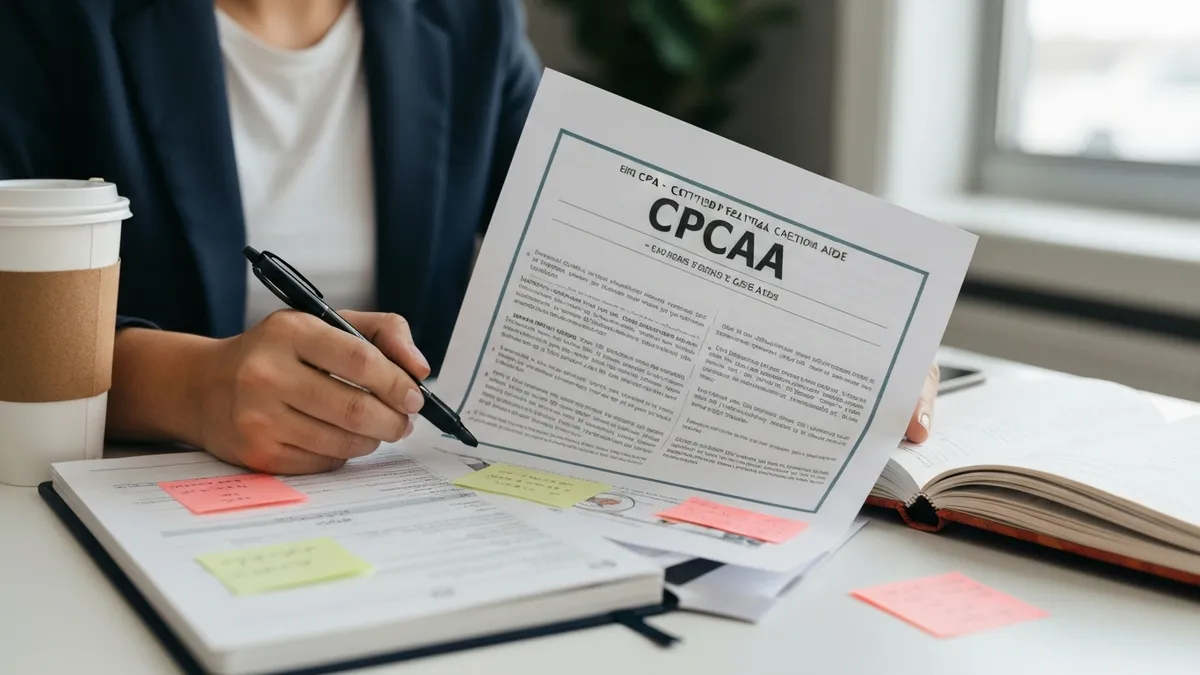
A strong cpca practice exam strategy is the single most effective tool you can use before sitting for your Certified Personal Care Aide assessment. Whether you are preparing for your first attempt or retaking the evaluation, targeted practice questions expose exactly which domains need more attention, allowing you to spend your limited study hours where they matter most. The cpca credential is recognized across most U.S. states as proof that a care aide possesses the fundamental knowledge and hands-on skills required to support clients safely in home and community settings.
The CPCA exam covers a broad range of content areas, from understanding client rights and personal hygiene assistance to emergency response protocols and proper nutrition guidance. Many candidates underestimate how detailed the questions can be. Rather than simply asking whether you know that handwashing is important, the exam asks when, how long, and under what specific conditions you must wash your hands — requiring a depth of understanding that only consistent, deliberate practice can build. Reviewing the cpca exam content outline early in your prep helps you avoid this common trap.
One major reason candidates struggle is that they study passively — reading textbooks or watching videos without ever testing their recall under timed, exam-like conditions. Research in cognitive science consistently shows that retrieval practice (the act of pulling information out of memory) produces far stronger long-term retention than re-reading notes. When you answer a practice question and get it wrong, your brain encodes the correct answer more deeply than if you had simply read that answer in a chapter summary. This is why dedicated practice tests outperform passive review by a wide margin.
On this page you will find six full-topic practice quizzes organized by domain, a complete breakdown of the exam format, a proven study schedule, and a detailed FAQ section answering the questions that candidates search for most. Each quiz mirrors the style, difficulty level, and timing constraints of the actual CPCA assessment so that you are never caught off guard on exam day. Every question includes a detailed rationale explaining not only why one answer is correct but also why the other choices are wrong — a feature that accelerates learning dramatically compared to answer keys alone.
The CPCA credential opens doors to meaningful, stable employment in one of the fastest-growing sectors of the U.S. healthcare workforce. According to the Bureau of Labor Statistics, home health and personal care aide positions are projected to grow 22 percent through 2032 — far above the average for all occupations. Earning your certification signals to employers that you meet a defined professional standard, which translates directly into higher starting wages, access to more clients, and in many states, the legal authorization to perform specific care tasks without additional employer supervision.
Regardless of whether you completed a formal training program, received on-the-job preparation, or are transitioning from a related healthcare role, the practice tests on this page are designed to meet you at your current knowledge level.
Beginners will find the communication and basic client care quizzes a perfect starting point, while experienced aides preparing for recertification will benefit most from the emergency response and nutrition modules, which test higher-order clinical reasoning skills. Consistent daily practice of even 20 to 30 minutes per session has been shown to improve pass rates significantly compared to marathon cram sessions conducted the night before the exam.
Use the table of contents below to navigate directly to the section most relevant to your preparation stage. If you are just starting out, work through every section in order. If you have already studied the fundamentals and are entering final-week review, jump directly to the practice quizzes and the checklist section for a targeted refresh. Either way, the resources on this page give you everything you need to walk into your CPCA assessment with genuine confidence and a solid command of the material.
CPCA Certification by the Numbers

CPCA Exam Format & Structure
| Section | Questions | Time | Weight | Notes |
|---|---|---|---|---|
| Communication & Client Interaction | 20 | 30 min | 20% | Verbal and written communication, client rights, dignity |
| Personal Care & Hygiene Assistance | 25 | 38 min | 25% | Bathing, grooming, toileting, skin care |
| Emergency Response & First Aid | 20 | 30 min | 20% | CPR, choking, falls, fire safety, 911 protocols |
| Nutrition & Meal Preparation | 20 | 30 min | 20% | Special diets, food safety, fluid intake |
| Safety, Infection Control & Documentation | 15 | 22 min | 15% | Handwashing, PPE, incident reporting |
| Total | 100 | 2–3 hours | 100% |
Understanding what the CPCA actually tests is the foundation of any successful study plan. The exam is designed to verify that a candidate can perform the core duties of a personal care aide safely and competently — not merely recite definitions. This means questions are scenario-based: you will read a short description of a client situation and then choose the best course of action from four plausible options. Often two of the four answers seem reasonable at first glance, which is why conceptual understanding matters so much more than memorization of isolated facts.
The communication and client interaction domain is frequently underestimated by candidates who assume it is the easiest section. In reality, it tests nuanced topics such as cultural sensitivity, therapeutic communication techniques, recognizing signs of abuse or neglect, understanding the difference between a client's preferences and a client's legal rights, and knowing when a care aide must report information to a supervisor versus acting independently. A candidate who has not carefully studied these distinctions will lose points on questions that feel straightforward but actually hinge on a specific procedural or ethical rule.
Personal care and hygiene is the domain with the highest question count, reflecting the amount of time a CPCA actually spends on these tasks during a typical shift. The exam drills into specifics: the correct water temperature range for a bed bath (between 105°F and 115°F), the proper technique for transferring a client from a wheelchair to a bed, the order in which you clean a client's perineal area to prevent infection, and how to position a client with left-sided weakness during ambulation.
These are not trivial details — they are the clinical procedures that distinguish a safe aide from one who unintentionally harms clients through improper technique.
Emergency response is a domain where candidates must know both what to do and in what order to do it. The CPCA exam frequently tests the chain of survival steps for cardiac arrest, the Heimlich maneuver for a conscious versus an unresponsive choking adult, the PASS technique for using a fire extinguisher, and the RACE protocol for fire emergencies (Rescue, Alarm, Confine, Extinguish/Evacuate). You also need to know the specific signs that constitute a medical emergency requiring an immediate 911 call versus situations that warrant contacting a supervisor first.
Candidates who feel confident about emergency procedures often discover gaps when they take practice tests that present these scenarios with multiple competing correct-looking answers. Many students also benefit from reviewing materials available at the cpca poinciana campus for additional state-specific guidance.
Nutrition and meal preparation is more complex than it initially appears because it intersects with medical considerations. The exam tests knowledge of therapeutic diets — low-sodium, diabetic, dysphagia (thickened liquids), renal, and heart-healthy — and what specific foods are permitted or restricted on each.
You must also understand the signs of dehydration, proper food storage temperatures, the two-hour rule for cooked food safety, and how to document fluid intake accurately. Questions in this domain often involve reading a brief client profile that includes a diagnosis and then identifying which meal option is appropriate, requiring you to connect nutritional science to clinical context.
The safety, infection control, and documentation domain ties all other knowledge areas together. Proper handwashing technique — the single most effective infection-control measure in home care — is almost always tested, including the minimum wash time (20 seconds) and the specific situations requiring gloves.
Candidates must understand standard precautions versus transmission-based precautions, how to handle and dispose of sharps properly, and the legal requirements around documenting care accurately and in a timely manner. Falsifying or omitting documentation entries is a terminable offense in virtually every state, and the exam tests whether candidates understand why accurate records protect both clients and care providers from harm.
Taken together, these five domains paint a comprehensive picture of what it means to be a safe, ethical, and effective personal care aide. The CPCA exam is not designed to trick candidates — it is designed to confirm that passing candidates possess the minimum competency required to work independently with vulnerable populations. When you understand that framing, the exam starts to feel less like an arbitrary obstacle and more like a reasonable benchmark that you can prepare for systematically with the right resources.
CPCA Study Strategies by Domain
To master the communication domain, practice writing out your answers to scenario questions before checking the answer key. This forces you to articulate the rationale rather than relying on pattern recognition. Focus particularly on mandatory reporting rules — in every U.S. state, a personal care aide who suspects client abuse, neglect, or exploitation is legally required to report it, and the exam tests whether you understand that this obligation overrides a client's request for secrecy or a supervisor's instruction to stay quiet.
For the safety and infection control domain, create a physical flashcard for each Standard Precaution step and quiz yourself while performing daily handwashing. Attaching exam content to real physical behaviors dramatically improves recall under pressure. Pay particular attention to the sequence of donning and doffing personal protective equipment (PPE): gloves go on last when donning and come off first when doffing, and both steps require immediate hand hygiene. Getting this sequence wrong on the job — or on the exam — represents a genuine infection risk.

Is the CPCA Certification Worth Pursuing?
- +Opens access to a rapidly growing job market with 22% projected growth through 2032
- +Demonstrates verified competency to employers, leading to higher starting wages
- +Required for legal authorization to perform specific care tasks in many U.S. states
- +Relatively short preparation timeline — most candidates pass within 4 to 8 weeks of focused study
- +Credential is transferable across many states, giving you geographic flexibility
- +Provides a structured pathway toward advanced credentials like CNA, HHA, or LPN
- −Exam fee ranges from $75 to $150 depending on testing center, creating a financial barrier for some
- −Requires renewal every 1 to 2 years, depending on your state, adding ongoing costs and time
- −Scope of practice limitations mean CPCAs cannot perform certain medical procedures even if capable
- −Passing score thresholds vary by state, causing confusion for candidates who relocate
- −Training program quality varies widely, meaning some candidates arrive underprepared for the exam
- −Job growth does not always translate to wage growth — many CPCA roles remain near minimum wage in certain regions
CPCA Exam Day Readiness Checklist
- ✓Complete at least three full-length timed practice tests and review every incorrect answer with its rationale.
- ✓Confirm your testing center location, parking, and check-in time at least 48 hours before exam day.
- ✓Bring two valid, government-issued photo IDs unless your testing program specifies otherwise.
- ✓Review the five exam domains one final time the evening before — focus on weak areas only.
- ✓Memorize key numbers: 20-second handwash, 105–115°F bath water, 30:2 CPR ratio, 2-inch compression depth.
- ✓Avoid studying for more than 60 minutes the night before the exam to prevent cognitive fatigue.
- ✓Eat a nutritious meal before the exam and avoid high-sugar foods that cause energy crashes mid-test.
- ✓Arrive at the testing center at least 15 minutes early to complete check-in without rushing.
- ✓Read every question stem completely before evaluating the answer choices — do not skim.
- ✓Flag difficult questions and return to them after completing the rest of the exam, rather than spending too long on one item.
Retrieval Practice Beats Re-Reading by a 2:1 Margin
Studies from Washington University's Memory Lab found that students who used practice testing as their primary study method retained 50% more information after one week compared to students who re-read the same material. For CPCA candidates, this means every hour spent answering practice questions is worth two hours of passive review. Commit to at least one full practice quiz per study session, even if it is only 15 questions, and always read every answer explanation — right or wrong.
Reaching a passing score on the CPCA exam requires more than knowing the content — it requires knowing how to navigate the question format strategically. The exam uses multiple-choice questions with four answer options, and the most dangerous wrong answers are the ones that are partially correct. A common exam-writing technique is to include one answer that is true in general but not the best answer in the specific scenario described. Candidates who read quickly often select these plausible-but-wrong options without realizing the question was asking for the priority action, not just any correct action.
The concept of priority is central to virtually every scenario-based healthcare exam, and the CPCA is no exception. When a question asks what you should do first, it is testing your understanding of care priorities, not just your knowledge of what needs to happen eventually. The classic priority framework used in U.S. healthcare training is the ABCs: Airway, Breathing, Circulation.
If a question presents a scenario where a client has stopped breathing and also has a skin tear, addressing the airway obstruction is the clear priority, regardless of how alarming the skin wound appears. Practice applying this framework explicitly to every emergency scenario question you encounter.
Another high-yield test-taking strategy is the process of elimination. Even when you are uncertain about the correct answer, you can usually identify one or two clearly wrong options and eliminate them, improving your odds from 25 percent to 50 percent or better. Look for answer choices that contain absolute language — always, never, immediately, all — because in healthcare, few situations are truly absolute. Similarly, answers that suggest ignoring a client's complaint, leaving a client unattended in a potentially unsafe situation, or performing a task outside the CPCA scope of practice are almost always incorrect.
Time management during the exam is a skill that only practice can develop. Many candidates report running out of time because they spent too long on difficult questions early in the test. A proven approach is to set a mental pace of approximately 90 seconds per question. If you find yourself spending more than 90 seconds on a single item, mark it and move on. Return to flagged questions after completing the rest of the exam. You will often find that completing other questions jogged your memory and made the difficult items easier to answer on the second pass.
Managing test anxiety is equally important as managing time. Research shows that mild anxiety can actually improve performance by sharpening focus, but high anxiety impairs working memory and leads to avoidable errors. The most effective evidence-based technique for reducing exam anxiety is controlled breathing: inhale slowly for four counts, hold for four counts, exhale for four counts. This activates the parasympathetic nervous system and reduces cortisol levels within minutes. Practice this technique during your preparation sessions so it becomes automatic on exam day.
Score goals matter because not all programs report results the same way. Most CPCA programs require a minimum score of 70 to 75 percent to pass, but some state-run or employer-specific programs set the bar at 80 percent. Before your exam date, confirm the passing threshold with your testing program or training provider.
Knowing your target gives you a concrete benchmark: if your practice tests are consistently producing scores of 85 percent or above, you are well-positioned to pass. If your scores are hovering at 65 to 70 percent after two weeks of preparation, add another week of focused study on your weakest domain before scheduling your exam.
For candidates who do not pass on the first attempt, most CPCA programs allow retakes after a waiting period of 30 to 90 days and payment of a retake fee. A failed attempt is not a career-ending event — it is a diagnostic tool. Request your score report, identify which domains fell below the passing threshold, and build a targeted remediation plan focused exclusively on those areas. Candidates who approach a retake with this level of strategic clarity pass at a significantly higher rate than those who simply study the same material in the same way a second time.
CPCA certification requirements, passing scores, exam fees, and renewal timelines vary significantly from state to state and program to program. Some states require completion of a state-approved training program before you are eligible to sit for the exam, while others allow candidates with equivalent work experience to apply directly. Always verify current requirements with your state's health department or your specific training provider before paying any fees or scheduling your exam date.
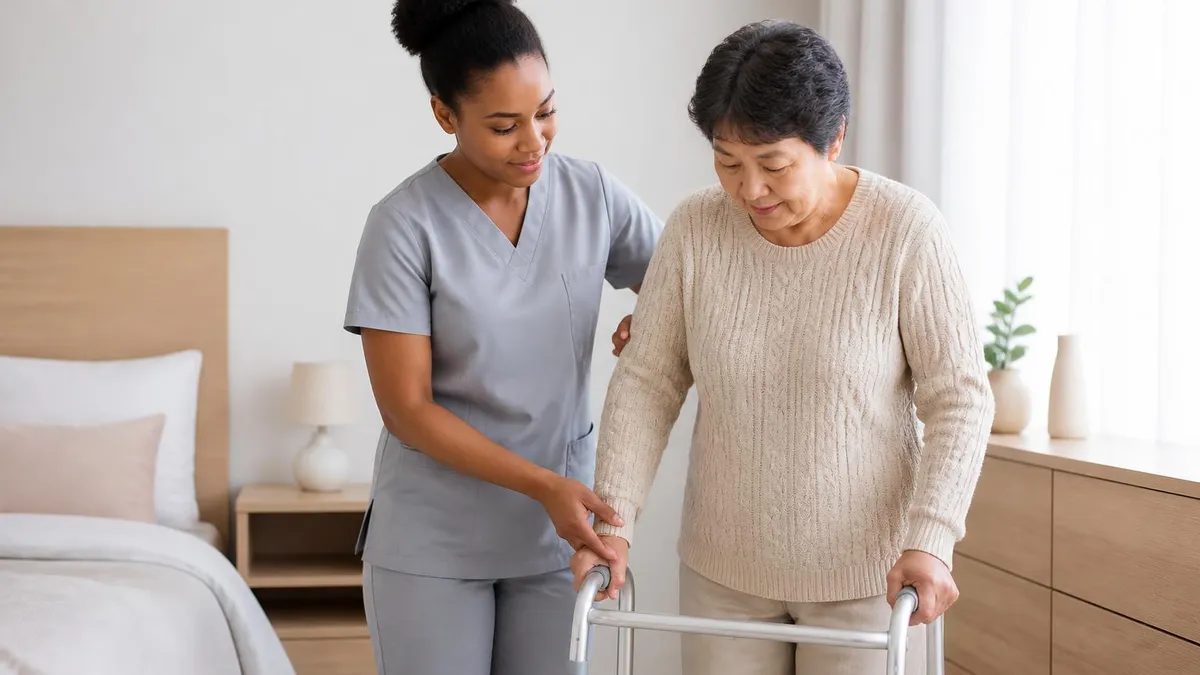
Earning your cpca certification unlocks a range of career opportunities in one of the most human-centered fields in American healthcare. Personal care aides work in clients' homes, assisted living facilities, adult day programs, group homes, and increasingly in hospital-at-home programs — a model gaining rapid adoption across the U.S. healthcare system. Each setting offers a slightly different patient population and daily workflow, giving CPCAs the flexibility to find the environment that best matches their skills and personal values.
Starting wages for entry-level CPCAs range from approximately $14 to $18 per hour depending on geographic location, employer type, and whether the position is funded by Medicaid, Medicare, or private pay. Urban markets on the coasts — particularly California, New York, and Massachusetts — tend to offer the highest hourly rates due to state-mandated minimum wage floors and strong union representation in some healthcare sectors. Rural markets often pay less per hour but may offer lower cost of living and higher caseloads, which can translate to more consistent full-time hours without a commute penalty.
CPCAs who pursue additional credentials earn measurably more over the course of their careers. The most common pathway is from CPCA to Certified Nursing Assistant (CNA), which typically requires 75 to 175 hours of state-approved training and passage of a two-part state competency exam. CNAs earn an average of $18 to $24 per hour nationally. From CNA, many healthcare professionals continue to Licensed Practical Nurse (LPN) or Registered Nurse (RN), each of which carries substantially higher compensation and expanded scope of practice. The CPCA credential functions as the first rung on a clinical career ladder with real upward mobility.
Specialization is another path for experienced CPCAs seeking advancement without returning to school. Memory care specialization — working with clients who have Alzheimer's disease or other forms of dementia — commands a premium in the job market because it requires specific behavioral management skills that not all aides possess. Pediatric home care, serving children with complex medical needs, is another high-demand specialty. Some employers pay a 10 to 20 percent wage premium for CPCAs who can document verified experience and additional training in these specialized areas.
CPCA jobs are overwhelmingly concentrated in the home health and personal care aide occupational category tracked by the Bureau of Labor Statistics, which employed approximately 3.6 million workers as of 2023 and is projected to add another 800,000 positions by 2032. This growth is driven by the aging of the Baby Boomer generation: by 2030, all Boomers will be over 65, and by 2040, one in five Americans will be of retirement age.
The demand for qualified personal care aides to support this population in their preferred setting — their own homes — will remain strong for the foreseeable future regardless of economic cycles, making CPCA certification an exceptionally stable career investment.
Networking and professional development are underutilized resources for many CPCA holders. State-level home care associations host annual conferences, webinars, and networking events where aides can connect with employers, learn about new care techniques, and access continuing education units needed for credential renewal. Attending even one professional event per year significantly expands your professional network and keeps you current on regulatory changes that could affect your practice. Some national organizations also offer scholarship programs specifically for personal care aides pursuing advanced credentials, making continuing education more financially accessible than many candidates realize.
When you factor in job security, career mobility, personal fulfillment, and the scale of the workforce shortage the country faces, the CPCA credential represents one of the most accessible and impactful entry points into American healthcare. The investment in exam preparation you make today — working through practice quizzes, reviewing content carefully, taking the time to understand the rationale behind every answer — is an investment in a career built on skill, compassion, and genuine expertise. Use every tool available to you on this page, and approach your exam with the confidence that thorough preparation deserves.
In the final week before your CPCA exam, shift your study strategy from learning new material to consolidating and confirming what you already know. This phase is called active recall consolidation, and it works differently from the content-building phase. Rather than opening your textbook, open your weakest practice quiz and work through it question by question, explaining your reasoning aloud for every answer — not just the ones you get wrong. This narration technique forces your brain to articulate the why behind each choice, which is exactly the cognitive process the exam demands.
Create a one-page personal cheat sheet of the facts and procedures you most frequently get wrong. Include specific numbers you struggle to remember — bath water temperature range, CPR compression depth and rate, handwashing duration, minimum documentation timelines. Study this sheet for 10 minutes each morning and again each evening during your final week. The repetition at consistent time intervals exploits the spaced repetition effect, which maximizes long-term retention and reduces the forgetting curve that undermines last-minute cramming.
Simulate real exam conditions at least twice before your actual test date. Find a quiet space, set a timer for the full exam duration, and work through a complete practice test without pausing, checking your phone, or looking up answers. This simulation serves two purposes: it builds the stamina needed to maintain concentration for two to three hours, and it reveals whether your pacing strategy is working. If you finish with more than 20 minutes remaining, you may be moving too quickly and making careless errors. If you are running out of time, practice your 90-seconds-per-question discipline more aggressively.
Pay special attention to questions involving client dignity and autonomy in your final review. The CPCA exam consistently tests whether candidates prioritize client preferences and rights, even in situations where the client's choice seems medically suboptimal or inconvenient. For example, if a client refuses a bath, the correct CPCA response is to respect that refusal, document it, and inform the supervisor — not to persuade or pressure the client into compliance. This person-centered care philosophy is embedded throughout the exam and reflects the legal framework established by the Patient Self-Determination Act.
Practice recognizing the signs and symptoms of common conditions you will encounter as a CPCA. The exam frequently tests whether candidates can identify when a client's status has changed and requires notification of the supervisor or emergency services. Key warning signs include sudden confusion or disorientation, chest pain or pressure, difficulty breathing, facial drooping or arm weakness (signs of stroke), skin that is pale, cool, and clammy, loss of consciousness, and significant changes in vital signs if you are trained to monitor them. Candidates who can quickly map symptoms to responses perform significantly better on emergency scenario questions.
Consider building a study partnership with another CPCA candidate in your area or through an online study group. Teaching concepts to another person is one of the most powerful learning techniques available — it forces you to organize your knowledge in a coherent, transmittable form and immediately reveals any gaps in your understanding. Study partners also provide accountability, emotional support during a stressful preparation period, and the opportunity to quiz each other using practice questions from the six quizzes available on this page.
Finally, maintain perspective throughout your preparation. The CPCA exam is rigorous but not designed to be impossible. Every question on the exam represents a real scenario that a personal care aide might face on the job, and the correct answer in each case is the one that protects the client, follows established care protocols, and reflects professional ethical standards.
If you have been working through the practice quizzes on this page consistently, reviewing your incorrect answers carefully, and applying the strategies outlined here, you have done the work. Trust your preparation, arrive rested, and demonstrate on exam day the genuine competency that weeks of dedicated study have built.
CPCA Questions and Answers

About the Author

Educational Psychologist & Academic Test Preparation Expert
Columbia University Teachers CollegeDr. Lisa Patel holds a Doctorate in Education from Columbia University Teachers College and has spent 17 years researching standardized test design and academic assessment. She has developed preparation programs for SAT, ACT, GRE, LSAT, UCAT, and numerous professional licensing exams, helping students of all backgrounds achieve their target scores.
Join the Discussion
Connect with other students preparing for this exam. Share tips, ask questions, and get advice from people who have been there.
View discussion (8 replies)