
How to Get a CPC License: Complete Cost & Requirements Guide for Certified Professional Collectors
How much does it cost to get a CPC licence? Full breakdown of fees, training, and steps to become certified. 🎓 Everything you need to know.
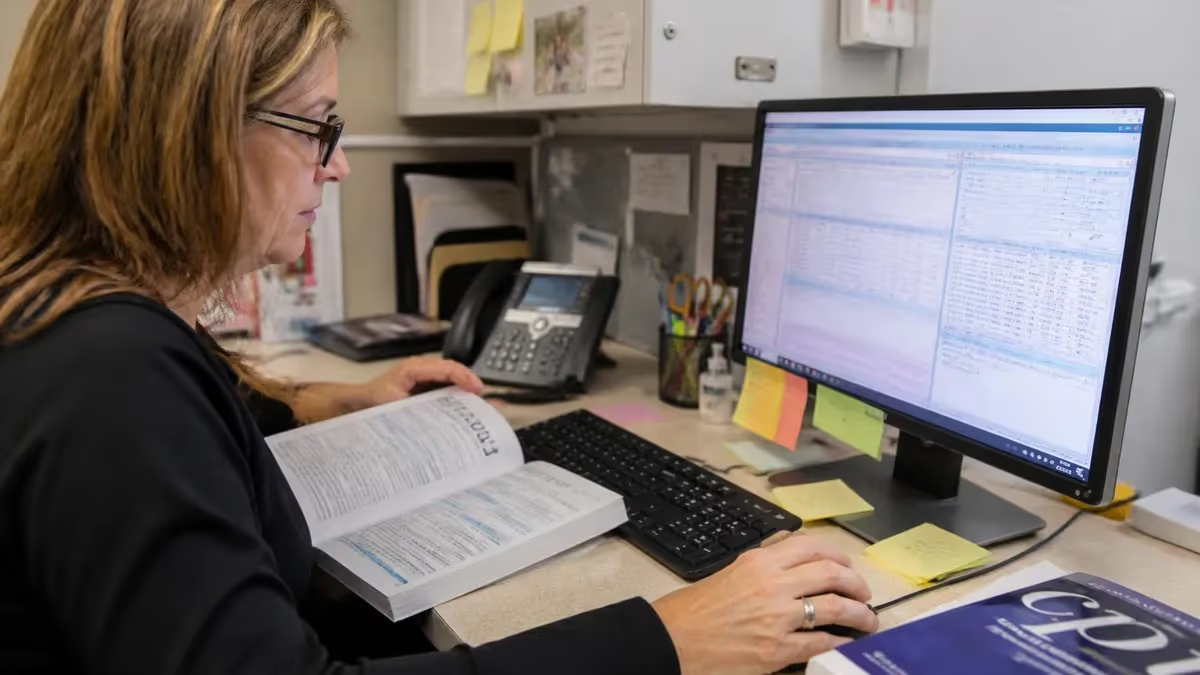
If you have been asking yourself how much does it cost to get a CPC licence, you are not alone. Thousands of aspiring drug test collectors across the United States search for this answer every month, and the total investment can vary depending on your training provider, testing fees, and whether you need to retest.
At a high level, candidates should expect to budget between $150 and $400 for the full certification process, covering training, the exam fee, and any incidental materials. Understanding exactly where your money goes — and how to avoid unnecessary costs — can make the difference between a smooth certification journey and an expensive, frustrating one.
The Certified Professional Collector (CPC) credential is issued through the Drug and Alcohol Testing Industry Association (DATIA) and is recognized as the gold standard for workplace drug testing specimen collection in the United States. Collectors who hold this credential demonstrate mastery of federal Department of Transportation (DOT) protocols, chain-of-custody procedures, adulteration and substitution detection, and the documentation requirements that keep employers compliant with federal law. Employers in transportation, healthcare, construction, and government contracting routinely require this designation before allowing a collector to perform regulated testing.
The licensing pathway involves several distinct phases: completing an approved training program, passing a written certification examination, and in some cases completing a supervised proficiency demonstration. Each phase carries its own timeline and costs, and skipping any step — or choosing an unaccredited provider — can invalidate your entire application. This guide walks you through every requirement in detail so you can plan your budget accurately and enter the exam room fully prepared, without any costly surprises along the way.
One area that trips up many first-time applicants is the difference between the initial CPC certification and the "apprentice" designation that collectors receive immediately after training but before completing all requirements. If you are wondering about how to get cpc license status without the apprentice restriction, this guide explains every step you need to complete to remove that provisional label and achieve full, unrestricted certification so you can collect specimens independently.
It is also important to understand that the CPC is not a one-time investment. DATIA requires certified collectors to recertify every two years to maintain their credential. Recertification involves completing continuing education units (CEUs), paying a renewal fee, and demonstrating that your knowledge of current regulations remains current. Planning for these ongoing costs from the start will help you build a sustainable career as a collector without being blindsided by renewal expenses years down the road.
Throughout this guide, we cover the full cost breakdown, eligibility requirements, training options, exam structure, and practical tips for passing the CPC exam on your first attempt. We also highlight the most common mistakes that cause candidates to fail or face delays, so you can steer around them. Whether you are entering the field for the first time or upgrading from an unaccredited training course, this resource gives you a complete, accurate picture of what the CPC certification demands and what it rewards.
CPC Certification by the Numbers
Key Facts at a Glance
| Item | Value | Details |
|---|---|---|
| Total Cost Range | $150–$400 | Training + exam + materials |
| Minimum Training Time | 8 hrs | DATIA-approved course |
| Minimum Passing Score | 70% | On the CPC written exam |

CPC Licensing Costs Breakdown
To qualify for the CPC certification, candidates must meet a baseline set of eligibility requirements established by DATIA. First and foremost, you must be at least 18 years of age and possess a high school diploma or equivalent GED. There is no prerequisite degree in healthcare, science, or a related field — the CPC is designed to be accessible to motivated individuals from a wide range of professional backgrounds, including transportation workers, HR professionals, occupational health staff, and independent contractors who want to start a collection business.
Beyond age and education, DATIA requires all candidates to complete an approved collector training program before sitting for the certification exam. This training must cover the full range of topics tested on the CPC exam, including federal DOT collection protocols under 49 CFR Part 40, chain-of-custody form (CCF) completion, specimen validity testing principles, handling of shy bladder and refusal-to-test situations, and direct observation collection procedures. Simply watching a YouTube video or reading a DOT handbook is not sufficient — the training must come from a DATIA-recognized provider and must be documented with a certificate of completion.
Many candidates are surprised to learn that the training itself is separate from the exam registration. You first enroll in and complete the training course, obtain your certificate of completion, and then register separately with DATIA to sit for the written examination. This two-step structure is important to understand when budgeting your time and money. Some training providers bundle the exam registration fee into their course price, while others leave it to the candidate to register and pay DATIA directly. Always confirm this detail before purchasing a training program to avoid paying duplicate fees.
The training format has evolved significantly in recent years, and fully online, self-paced courses are now widely available and DATIA-accepted. These digital programs typically cost between $75 and $150 and allow candidates to study on their own schedule, which is ideal for working professionals who cannot take a full day away from their current job. In-person workshops, sometimes offered through community colleges, occupational health organizations, or third-party administrators (TPAs), tend to cost more — often $150 to $200 — but provide hands-on practice with actual collection supplies and direct interaction with an experienced instructor.
A key requirement that distinguishes the CPC from some lesser-known certifications is the proficiency demonstration component. After completing classroom or online training, candidates must complete a specified number of observed mock collections, typically five, in which a qualified observer — such as an experienced collector or trainer — watches you perform the entire collection procedure and certifies that you followed every step correctly. This hands-on component is where many candidates stumble, particularly on documentation steps like completing the CCF or properly labeling and sealing specimen bottles. Practicing these steps repeatedly before your proficiency evaluation is absolutely essential.
Employers who require the CPC often cover some or all of the training and exam costs for employees, particularly in heavily regulated industries like trucking, aviation, and pipeline operations. If you are currently employed in one of these sectors, it is worth asking your HR department or compliance officer whether tuition reimbursement is available before spending money out of pocket. Some employers even maintain relationships with preferred training vendors and can arrange group pricing that dramatically reduces the per-person cost of certification.
CPC Training Options: Online, In-Person & Employer-Sponsored
Online self-paced CPC training programs are the most affordable and flexible option, typically priced between $75 and $150. These courses are hosted on learning management platforms, include video lectures, interactive modules, and built-in quizzes, and allow you to start and stop on your own schedule. Most candidates complete the coursework in one to three days of focused study. Upon finishing, you receive a digital certificate of completion that you submit with your DATIA exam application.
The main limitation of online training is the absence of hands-on practice with actual collection supplies. Many online providers compensate by offering detailed video demonstrations of the collection procedure, but candidates are still responsible for arranging their own proficiency observations separately. If you choose this route, seek out a provider that includes sample CCF forms and step-by-step procedural checklists you can use during your mock collections. Strong self-discipline and attention to detail are essential for success with self-paced learning.
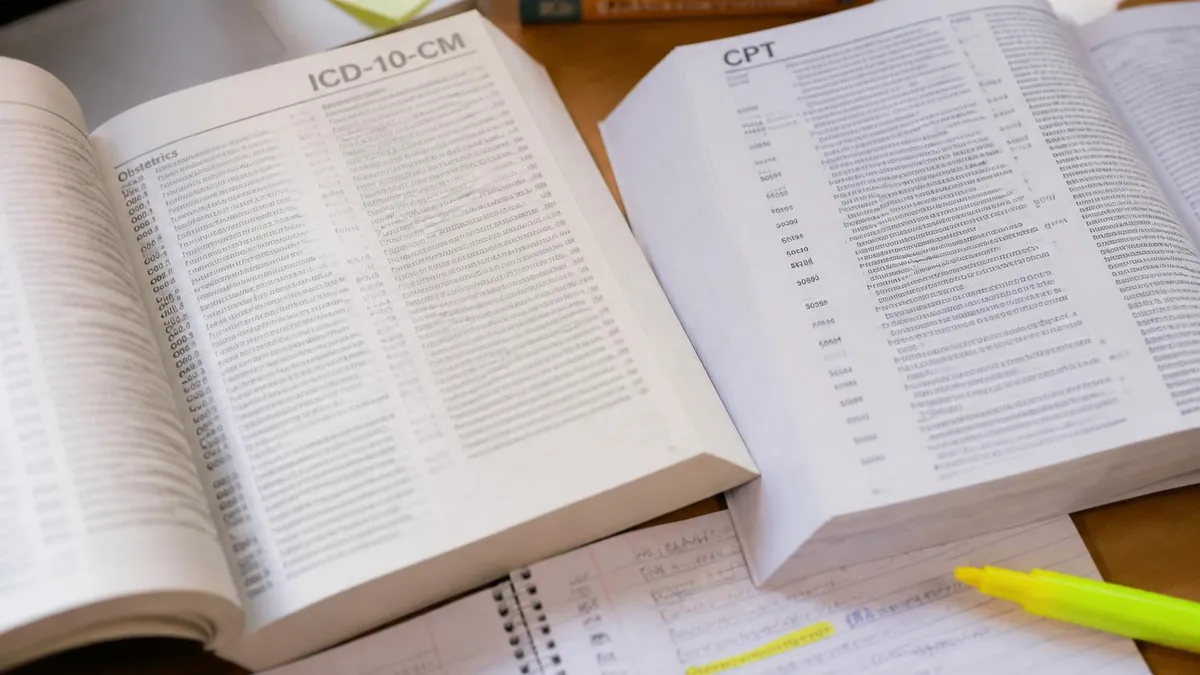
Is the CPC Certification Worth the Investment?
- +Opens doors to higher-paying collector positions at regulated collection sites and clinics
- +Recognized nationally by DOT-regulated employers in trucking, aviation, rail, and pipeline industries
- +Demonstrates credibility and professionalism that distinguishes you from uncertified collectors
- +Enables you to operate an independent collection business with federally compliant credentials
- +Relatively low total cost compared to most professional certifications, typically under $400
- +Recertification keeps your knowledge current with evolving federal drug testing regulations
- −Total cost of $150–$400 can be a barrier for entry-level candidates without employer support
- −Requires completion of observed mock collections, which can be difficult to arrange independently
- −The apprentice designation restricts you from performing unobserved collections until all requirements are met
- −Exam must be passed with a 70% or higher score, and retesting incurs additional fees
- −Recertification every two years adds ongoing costs that some part-time collectors may not recoup
- −Not all employers distinguish between CPC and non-certified collectors in entry-level pay scales
Step-by-Step CPC Certification Checklist
- ✓Confirm you meet eligibility requirements: age 18+, high school diploma or GED
- ✓Research DATIA-approved training providers and compare online vs. in-person options
- ✓Enroll in and complete your chosen CPC training course (minimum 8 hours of approved instruction)
- ✓Save your certificate of training completion — you will need it for your exam application
- ✓Arrange and complete your five required mock collection proficiency observations with a qualified observer
- ✓Register for the CPC written exam through DATIA's online portal and pay the exam fee ($75–$100)
- ✓Download or purchase a study guide and take at least two full-length practice exams before test day
- ✓Review all federal DOT 49 CFR Part 40 collection procedures, especially chain-of-custody steps
- ✓Sit for the CPC written exam and achieve a passing score of 70% or higher
- ✓Receive your official CPC certificate from DATIA and update your professional credentials accordingly
Retesting Adds $75–$100 to Your Budget
The single most common unexpected cost in the CPC certification process is the retest fee. Roughly one in four first-time candidates does not pass on their initial attempt, which means paying the full exam fee a second time. Investing $25–$50 in quality practice tests and study materials before exam day almost always costs less than a single retake — and it dramatically increases your chances of passing on the first try.
Once you pass the CPC written exam, DATIA issues your certification — but for many candidates, the initial credential carries an "apprentice" designation rather than full, unrestricted CPC status. This distinction is critically important and is one of the most misunderstood aspects of the CPC program. The apprentice label means that while you have demonstrated knowledge of collection procedures on paper, you have not yet met all of the experiential requirements that DATIA and DOT regulations require for independent collection work.
Specifically, apprentice collectors are required to have each specimen collection they perform directly observed by a fully certified CPC holder until they complete a set number of observed collections. The exact number varies by circumstance, but DATIA guidelines typically require apprentice collectors to complete five error-free collections under direct observation. During this period, you cannot collect specimens on your own — you must always have a certified supervisor physically present and observing your work. This requirement is not merely bureaucratic; it is designed to ensure that your real-world skills match your exam knowledge before you handle regulated specimens independently.
The practical challenge is that arranging these observed collections requires access to a qualified CPC holder who is willing to serve as your observer, as well as a setting where specimen collections are actually being performed. For candidates who are employed at an established collection site, this is usually straightforward — a senior colleague can observe your collections during normal work hours. But for independent contractors or candidates who completed training without a specific employer in mind, finding an observer can be the most logistically difficult part of the entire certification process.
Some training providers have recognized this gap and now offer "observation day" programs where candidates pay a fee — typically $50 to $100 — to visit a partner collection site and complete their required observed collections under the supervision of site staff. This is an excellent option for self-employed candidates or those in geographic areas where collection sites are sparse.
If your training provider does not offer this service, contact local occupational health clinics, urgent care centers, or third-party administrators directly — many are willing to host observation sessions for a modest fee or even at no charge if you agree to assist with collections during a busy period.
The time it takes to complete the apprentice phase varies widely. Candidates who work full-time at a busy collection site may complete their five observations within a week or two. Candidates who work part-time or in low-volume settings may take several months to accumulate the required observations. Planning this phase carefully — and communicating your timeline to your employer or training coordinator — is essential to moving from apprentice status to full CPC certification as quickly as possible.
Once DATIA confirms that you have completed all required observations and removes the apprentice designation, you receive an updated certification card and are officially listed in DATIA's CPC directory as a fully certified collector. This updated status is what employers and clients verify when they contract with you for specimen collection services. Until you reach full certification, always be transparent with employers about your apprentice status and ensure that a certified observer is present for every collection you perform — failing to do so can expose you and your employer to serious federal compliance penalties.
If you want a detailed walkthrough of every step involved in transitioning from apprentice to full CPC status — including how to document your observations and submit them to DATIA — the how to get cpc license full certification guide covers that entire process in depth with current DATIA requirements.

Performing unsupervised collections before your apprentice designation is removed is a violation of federal DOT regulations under 49 CFR Part 40. Any specimens collected without proper supervision may be invalidated, exposing both you and the employing organization to regulatory penalties, legal liability, and potential loss of federal contracts. Always confirm your certification status before conducting any collection independently.
Maintaining your CPC certification after you earn it requires ongoing attention to DATIA's recertification requirements. The CPC credential must be renewed every two years, and failing to renew on time results in your certification lapsing — which means you would need to restart the certification process from the beginning, including retraining and retesting. To avoid this outcome, it is essential to track your certification expiration date and begin the renewal process at least 60 days before your credential expires.
The recertification process has two components: completing a specified number of continuing education units (CEUs) and paying the renewal fee to DATIA. The CEU requirement ensures that certified collectors stay current with changes to federal drug testing regulations, DOT guidance documents, and DATIA best-practice standards. DATIA accepts CEUs from a variety of sources, including DATIA's own annual conference sessions, webinars offered by accredited training providers, and relevant coursework from recognized occupational health or compliance organizations. Typically, collectors must complete six CEUs over the two-year certification period to qualify for renewal.
The renewal fee itself is generally in the $50 to $75 range, making recertification significantly less expensive than initial certification. However, when you add the cost of CEU courses or conference registration, your total two-year recertification expense can range from $100 to $200 or more, depending on how you fulfill your CEU requirements. DATIA's annual conference is one of the most cost-effective ways to earn multiple CEUs in a single event while also networking with other certified collectors and staying connected to the latest developments in the drug testing industry.
Beyond the formal recertification requirements, experienced collectors are encouraged to stay informed about regulatory updates from the Department of Transportation's Office of Drug and Alcohol Policy and Compliance (ODAPC), the Substance Abuse and Mental Health Services Administration (SAMHSA), and the Department of Health and Human Services (HHS). These agencies periodically issue updated mandatory guidelines, revised specimen validity thresholds, and new collection protocols that affect your day-to-day work as a collector. Subscribing to DATIA's newsletter and following ODAPC's regulatory update feed are simple, free ways to stay ahead of changes between formal CEU courses.
Collectors who let their certification lapse and then attempt to re-certify face a more arduous process than those who maintain their credentials continuously. Depending on how long the lapse has been, DATIA may require a full retake of both the training course and the written exam rather than simply paying a late renewal fee. The financial and time cost of re-certification from scratch can easily exceed $300 to $400, making it far more expensive than simply staying current. Think of your recertification investment as insurance that protects the career capital you built when you first earned your CPC.
For collectors who work in multiple industries or states, it is worth noting that some employers or state-level programs impose additional training or documentation requirements beyond the baseline DATIA recertification. For example, collectors working at federally mandated testing programs for the Federal Motor Carrier Safety Administration (FMCSA), the Federal Aviation Administration (FAA), or the Federal Transit Administration (FTA) may need to complete agency-specific refresher training in addition to DATIA CEUs. Always check the specific requirements of the agencies under whose authority your employer operates, and budget accordingly.
Finally, keeping careful personal records of your training certificates, CEU completions, exam scores, and DATIA correspondence is a professional habit that pays dividends throughout your career. Store digital copies in a dedicated folder, back them up to the cloud, and keep physical copies in a secure binder. If an employer ever requests proof of your credentials, or if DATIA's records system experiences an error, having your own complete documentation file will allow you to resolve any discrepancy quickly and without disruption to your work.
Preparing strategically for the CPC exam is the single most reliable way to minimize your total certification cost, because passing on the first attempt eliminates the retest fee and gets you earning your CPC credential sooner. The exam covers a specific body of knowledge drawn directly from 49 CFR Part 40, DATIA collector procedures, and federal drug testing guidelines, so your preparation should be laser-focused on these primary source documents rather than on general healthcare or laboratory science content.
Start your exam preparation by obtaining the current version of 49 CFR Part 40 from the Government Publishing Office (GPO) website. This regulation is the legal backbone of the entire federal workplace drug testing program, and at least 60 to 70 percent of CPC exam questions can be traced back to specific provisions in this document.
Read it in full at least once, taking notes on collection procedures, CCF completion requirements, shy bladder protocols, and specimen validity testing standards. Do not skim — examiners are known to test on specific procedural details that seem minor in isolation but carry real consequences in practice.
After completing a thorough reading of 49 CFR Part 40, supplement your studying with DATIA's collector qualification training materials and any supplemental study guides offered by your training provider. Practice exams are particularly valuable because they train you to recognize how questions are worded and help you identify areas where your knowledge is weakest before you sit for the real exam. Aim to take at least three full-length practice tests, reviewing every incorrect answer to understand why the correct answer is right, not just to memorize the answer for that specific question.
Pay particular attention to the topics of adulteration and substitution testing, since these areas appear prominently on the CPC exam and involve specific numerical thresholds — such as creatinine levels and specific gravity ranges — that you must know precisely. Similarly, the chain-of-custody form completion process is heavily tested, including which fields must be completed by the collector versus the donor, what constitutes a fatal flaw on the CCF, and what steps to take when a discrepancy is discovered. These procedural details are exactly the kind of content that separates candidates who barely pass from those who pass comfortably.
Time management during the actual exam is another area where preparation pays off. The CPC exam typically includes 100 to 120 multiple-choice questions with a time limit of two to three hours. Most candidates have sufficient time to answer every question, but anxiety and second-guessing can slow you down. Practice taking your mock exams under timed conditions to build familiarity with the pacing the real exam requires. If you encounter a question you are unsure about, mark it and move on — return to flagged questions after you have answered everything you know confidently.
The night before your exam, resist the temptation to cram new material. Research consistently shows that sleep consolidates memory more effectively than last-minute studying, and arriving at the exam well-rested improves cognitive performance significantly. Instead, spend the evening before reviewing your summary notes, eating a balanced meal, and confirming the logistics of your exam appointment — location, required identification, and arrival time. Arriving 15 minutes early gives you time to settle in before the exam begins, which reduces anxiety and helps you perform at your best.
After the exam, regardless of whether you pass or need to retest, take time to document what the experience was like — which topics felt most challenging, which questions surprised you, and how well your preparation matched the actual content. This reflection is invaluable if you need to retake the exam or if you later pursue advanced credentials in the drug testing industry. The CPC is an excellent foundation credential, but many experienced collectors go on to earn additional DATIA designations, including the Certified Professional Collector Manager (CPCM) or other specialized credentials that require CPC as a prerequisite.
Sample Certified Professional Collector Practice Questions
Try these questions from our free Certified Professional Collector practice tests. The correct answer and an explanation follow each question.
A collector receives a written request from a consumer stating they cannot be contacted at work. The collector must:
- A. Contact the employer only through written correspondence instead
- B. Stop contacting the consumer at their workplace immediately
- C. Continue workplace contact for 30 days before honoring the request
- D. Verify the request is valid with the creditor before complying
Answer: B. Stop contacting the consumer at their workplace immediately
The FDCPA requires collectors to honor consumer requests to stop workplace contact immediately upon notification.
Which isolation precaution category requires a collector to wear a gown and gloves when entering the patient's room?
- A. Airborne precautions
- B. Droplet precautions
- C. Contact precautions
- D. Standard precautions alone
Answer: C. Contact precautions
Contact precautions require gown and gloves upon room entry because pathogens can spread via direct skin contact or contaminated surfaces.
What must the collector record on the Federal CCF when a direct observed collection is conducted?
- A. The reason for the observed collection noted in the remarks section
- B. The observer's full name in Box 17B of the CCF
- C. No additional notation is required beyond standard completion
- D. The observer's collector certification number and expiration date
Answer: A. The reason for the observed collection noted in the remarks section
The collector must document the reason for the observed collection (such as 'return-to-duty' or 'suspected tampering') in the remarks section of the CCF.
When must collectors wear disposable gloves?
- A. Only when handling paperwork
- B. Throughout specimen handling
- C. Only while labeling forms
- D. Only during transportation
Answer: B. Throughout specimen handling
Collectors must wear disposable gloves throughout all stages of specimen handling. This includes receiving the specimen from the donor, checking its temperature, sealing the containers, and preparing it for shipment. Gloves act as a barrier to prevent contact with potentially infectious bodily fluids and reduce the risk of contamination for both the collector and the specimen.
Take the full Certified Professional Collector practice test
CPC Questions and Answers

How to Remove the Apprentice Designation from Your CPC Certification: Complete Training Guide

CPC Practice Test Free: Ace the Certified Professional Collector Exam

Certified Professional DNA Collector Training: Complete Guide to CPC Requirements

How to Get a CPC Card: Complete Guide to Becoming a Certified Professional Collector

CPC Exam Registration: Complete Step-by-Step Guide for Certified Professional Collectors
About the Author

Certified Internal Auditor & Compliance Certification Expert
University of Illinois Gies College of BusinessBrian Henderson is a Certified Internal Auditor, Certified Information Systems Auditor, and Certified Fraud Examiner with an MBA from the University of Illinois. He has 19 years of internal audit and regulatory compliance experience across financial services and healthcare industries, and coaches professionals through CIA, CISA, CFE, and SOX compliance certification programs.
Join the Discussion
Connect with other students preparing for this exam. Share tips, ask questions, and get advice from people who have been there.
View discussion (8 replies)