

CNA Practice Test
Updated for September 2026Activities of Daily Living (ADLs) are fundamental routines that individuals perform on a daily basis to maintain their personal well-being. For those who are elderly, disabled, or recovering from illness or injury, ADLs are often assisted by healthcare professionals, including certified nursing assistants (CNAs). Mastering these essential tasks ensures that patients can maintain a sense of independence, dignity, and overall quality of life. This article will explore the key ADLs that CNAs assist with, including bathing, grooming, feeding, mobility, and promoting patient autonomy.
Before sitting the state licensing exam, candidates should complete our free CNA practice test 2026 — 60 questions covering clinical skills, patient care, safety, and infection control in the same format as Prometric and Pearson VUE CNA written exams.
Test-takers preparing for mcmi millon clinical multiaxial inventory will find our MCMI practice test 2026 invaluable for mastering the content and format before exam day.
CNA Practice Test Questions
Prepare for the CNA - Course exam with our free practice test modules. Each quiz covers key topics to help you pass on your first try.
CNA Infection Control & Prevention
CNA Exam Questions covering CNA Infection Control & Prevention. Master CNA Test concepts for certification prep.
CNA Nutrition & Hydration
Free CNA Practice Test featuring CNA Nutrition & Hydration. Improve your CNA Exam score with mock test prep.
CNA Patient Care & Basic Nursing Skills
CNA Mock Exam on CNA Patient Care & Basic Nursing Skills. CNA Study Guide questions to pass on your first try.
CNA Communication & Stakeholder Relations
CNA Test Prep for Communication & Stakeholder Relations. Practice CNA Quiz questions and boost your score.
CNA Data Analysis & Reporting
CNA Questions and Answers on Data Analysis & Reporting. Free CNA practice for exam readiness.
CNA Documentation & Record Keeping
CNA Mock Test covering Documentation & Record Keeping. Online CNA Test practice with instant feedback.
CNA Financial Management & Budgeting
Free CNA Quiz on Financial Management & Budgeting. CNA Exam prep questions with detailed explanations.
CNA Leadership & Professional Development
CNA Practice Questions for Leadership & Professional Development. Build confidence for your CNA certification exam.
CNA Professional Standards & Ethics
CNA Test Online for Professional Standards & Ethics. Free practice with instant results and feedback.
CNA Project Planning & Execution
CNA Study Material on Project Planning & Execution. Prepare effectively with real exam-style questions.
CNA Quality Assurance & Improvement
Free CNA Test covering Quality Assurance & Improvement. Practice and track your CNA exam readiness.
CNA Regulatory Compliance & Legal Framework
CNA Exam Questions covering Regulatory Compliance & Legal Framework. Master CNA Test concepts for certification prep.
CNA Risk Assessment & Management
Free CNA Practice Test featuring Risk Assessment & Management. Improve your CNA Exam score with mock test prep.
Key Takeaways
Bathing, grooming, and oral hygiene are essential ADLs that help maintain both physical health and emotional well-being. Proper hygiene is critical for preventing infections and maintaining a positive self-image.
Dressing, toileting, and feeding assistance are important for promoting comfort and dignity, particularly for patients with limited mobility or cognitive impairments.
Ambulation and mobility aids support patient mobility, reduce the risk of falls, and help maintain physical health. Using proper techniques and aids ensures patient safety and promotes independence.
Promoting independence and dignity in daily activities is key to improving patient outcomes. Encouraging patients to take part in their care fosters confidence and a sense of autonomy.
Bathing, Grooming, Oral Hygiene
Personal hygiene is a critical component of overall health, and proper bathing, grooming, and oral hygiene are vital for maintaining both physical and mental well-being.
Bathing: Bathing not only keeps the body clean but also promotes relaxation and comfort. For patients who are unable to bathe themselves, CNAs assist with sponge baths or showers, ensuring privacy and dignity are respected. It's important to use gentle techniques to avoid causing discomfort or injury, particularly for patients with sensitive skin or physical limitations.
Grooming: Regular grooming includes activities like combing hair, trimming nails, shaving, and maintaining facial hair. These tasks not only help keep the patient looking neat but also contribute to a positive self-image, especially for patients who may be confined to a bed or have limited mobility.
Oral Hygiene: Oral care is crucial for preventing dental issues like cavities or gum disease, especially for patients who may struggle to brush their teeth on their own. CNAs help patients with brushing, flossing, and using mouthwash, ensuring that they maintain good oral health, which in turn helps prevent further health complications.
Assisting with these tasks ensures that patients feel cared for and valued, which directly contributes to their emotional well-being.
CNA Key Concepts
What is the passing score for the CNA exam?
Most CNA exams require 70-75% to pass. Check the official exam guide for exact requirements.
How long is the CNA exam?
The CNA exam typically allows 2-3 hours. Time management is critical for success.
How should I prepare for the CNA exam?
Start with a diagnostic test, create a 4-8 week study plan, and take at least 3 full practice exams.
What topics does the CNA exam cover?
The CNA exam covers multiple domains. Review the official content outline for the complete list.
- ✓Review the official CNA exam content outline
- ✓Take a diagnostic practice test to identify weak areas
- ✓Create a study schedule (4-8 weeks recommended)
- ✓Focus on your weakest domains first
- ✓Complete at least 3 full-length practice exams
- ✓Review all incorrect answers with detailed explanations
- ✓Take a final practice test 1 week before exam day

Dressing, Toileting, Feeding Assistance
These ADLs are closely tied to maintaining personal dignity and comfort. CNAs provide assistance with dressing, toileting, and feeding to ensure that patients can perform these activities with dignity and ease.
Dressing: Dressing can be a challenging task for patients with limited mobility, arthritis, or cognitive impairments. CNAs help patients by choosing appropriate clothing, assisting with putting on garments, and ensuring comfort and warmth. For patients with specific medical conditions, dressing may also require consideration of medical devices or dressings.
Toileting: Toileting is another essential daily activity that many patients may require assistance with. CNAs help patients use the toilet or provide bedpans and urinals as needed. In addition, maintaining good toileting hygiene is important for preventing urinary tract infections (UTIs) and other complications.
Feeding Assistance: Some patients may struggle with eating independently due to illness, injury, or cognitive decline. CNAs assist by helping patients with feeding, ensuring they receive proper nutrition. This may involve cutting food into smaller pieces, providing assistance with utensils, or simply ensuring that meals are enjoyed in a pleasant environment.
For patients who require assistance in these areas, a compassionate and respectful approach helps maintain their dignity and overall sense of well-being.
Ambulation and Mobility Aids
For many patients, mobility is a significant concern. Ambulation (the ability to walk) is essential for maintaining physical health, promoting circulation, and preventing complications associated with immobility, such as pressure ulcers or blood clots.
Ambulation: CNAs help patients with walking, using the appropriate techniques to ensure safety and comfort. This may involve guiding the patient while walking, using a gait belt for support, or assisting them in performing range-of-motion exercises to keep joints flexible and improve circulation.
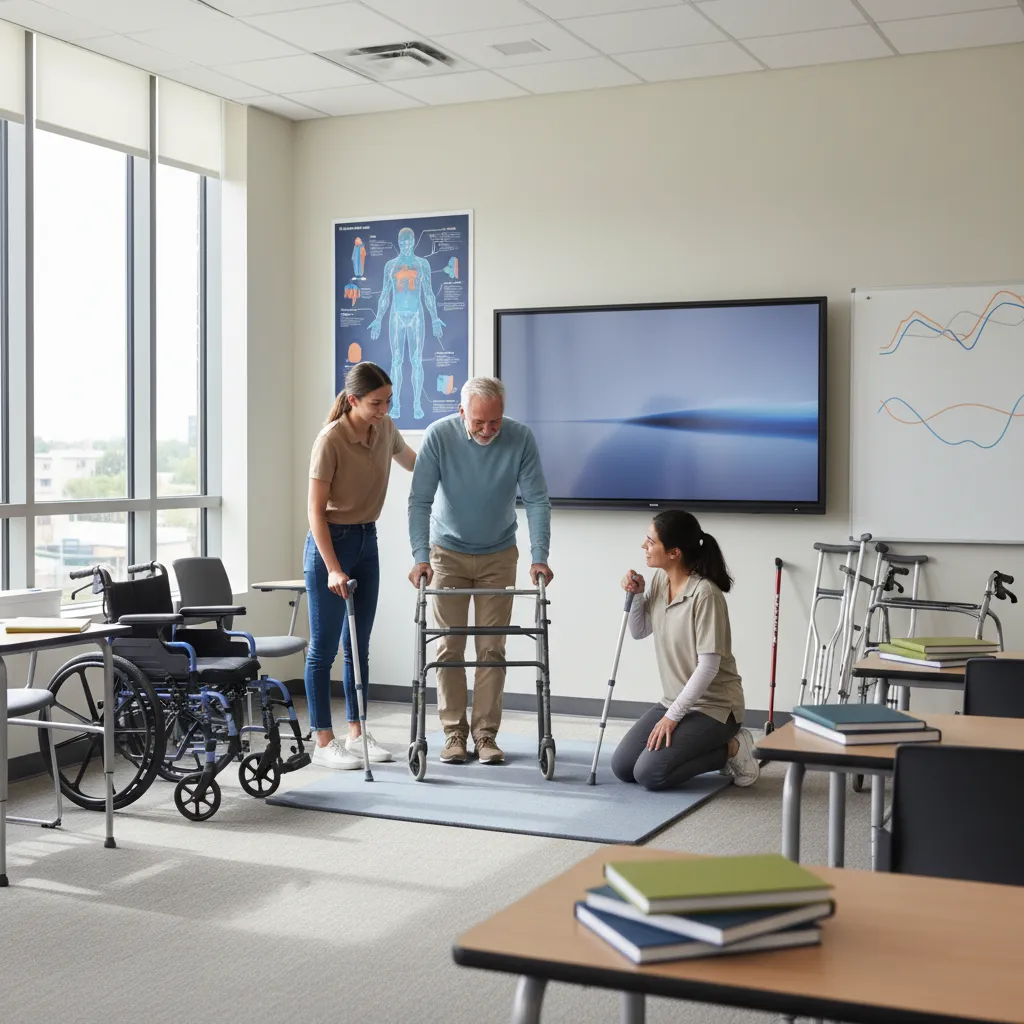
Mobility Aids: Patients who have difficulty walking or balancing may require mobility aids, such as wheelchairs, walkers, canes, or crutches. CNAs assist patients in using these aids properly, ensuring that they are safely positioned and adjusted to the patient’s needs. Proper use of mobility aids enhances patient independence and reduces the risk of falls and injuries.
Effective support in ambulation and mobility is essential for maintaining patient health, independence, and quality of life.

Promoting Independence & Dignity
A key goal in assisting patients with ADLs is to foster as much independence as possible while ensuring that they feel dignified and respected. Encouraging patients to participate in their own care can help improve their self-esteem and overall sense of well-being.
Fostering Independence: Whenever possible, CNAs should encourage patients to perform ADLs on their own, even if they need minimal assistance. For instance, patients may be able to dress themselves with a little guidance or brush their own teeth with the help of adaptive tools. This empowers patients, boosts their confidence, and promotes a sense of accomplishment.
Respecting Dignity: It is essential to always respect the patient’s dignity during personal care activities. This includes maintaining privacy, explaining procedures, and using respectful language. Ensuring that patients are comfortable and in control of their care, as much as possible, promotes trust and strengthens the patient-caregiver relationship.
By promoting independence and upholding dignity, CNAs help patients maintain a sense of autonomy and improve their quality of life.
Conclusion
The Activities of Daily Living (ADLs) are a cornerstone of patient care, and nursing assistants play a vital role in assisting patients with these tasks. By helping patients with personal care routines such as bathing, grooming, feeding, and mobility, CNAs support their health, dignity, and overall well-being. By providing care in a compassionate and respectful manner, CNAs can promote independence, enhance quality of life, and ensure that patients feel valued and respected.
- +Industry-recognized credential boosts your resume
- +Higher earning potential (10-20% salary increase on average)
- +Demonstrates commitment to professional development
- +Opens doors to advanced career opportunities
- −Exam preparation requires significant time investment (4-8 weeks)
- −Certification fees can be $100-$400+
- −May require continuing education to maintain
- −Some employers may not require certification
FAQs
ADLs refer to the basic personal care tasks that individuals perform daily to maintain health and well-being. These include bathing, grooming, dressing, toileting, feeding, and mobility.
CNAs can promote patient independence by encouraging patients to perform as many ADLs as they can on their own, providing adaptive tools, and offering guidance without taking over the task.
Maintaining dignity ensures that patients feel respected and valued, which contributes to their mental and emotional well-being. It fosters a positive relationship between the caregiver and patient, building trust.
Common mobility aids include wheelchairs, walkers, canes, crutches, and gait belts. These aids assist patients with walking, maintaining balance, and preventing falls.
About the Author

Registered Nurse & Healthcare Educator
Johns Hopkins University School of NursingDr. Sarah Mitchell is a board-certified registered nurse with over 15 years of clinical and academic experience. She completed her PhD in Nursing Science at Johns Hopkins University and has taught NCLEX preparation and clinical skills courses for nursing students across the United States. Her research focuses on evidence-based exam preparation strategies for healthcare certification candidates.
Join the Discussion
Connect with other students preparing for this exam. Share tips, ask questions, and get advice from people who have been there.
View discussion (8 replies)