

CSC Practice Test
Updated for October 2026As modern healthcare continues to prioritize patient comfort and safety, the demand for qualified professionals trained in sedation techniques has grown substantially. One of the most sought-after credentials in this area is the Conscious Sedation Certification (CSC). Whether you are a dentist, nurse, or physician, obtaining CSC can significantly expand your scope of practice, improve patient outcomes, and ensure regulatory compliance.
Conscious sedation is widely used in medical and dental settings to ease anxiety, minimize discomfort, and support successful procedures. This guide aims to demystify the certification process, define what conscious sedation is, and highlight the differences between sedation levels and the training involved.
CSC Practice Test Questions
Prepare for the CSC - Conscious Sedation Certification exam with our free practice test modules. Each quiz covers key topics to help you pass on your first try.
CSC Airway Management & Emergency Prepared...
CSC Exam Questions covering Airway Management & Emergency Preparedness. Master CSC Test concepts for certification prep.
CSC Communication & Interprofessional Coll...
Free CSC Practice Test featuring Communication & Interprofessional Collaboration. Improve your CSC Exam score with mock test prep.
CSC Patient Safety & Complication Management
CSC Mock Exam on CSC Patient Safety & Complication Management. CSC Study Guide questions to pass on your first try.
CSC Procedural Sedation Techniques & Equip...
CSC Test Prep for CSC Procedural Sedation Techniques & Equipment. Practice CSC Quiz questions and boost your score.
CSC Sedation Equipment & Technology
CSC Questions and Answers on CSC Sedation Equipment & Technology. Free CSC practice for exam readiness.
CSC Evidence-Based Practice & Research Met...
CSC Mock Test covering Evidence-Based Practice & Research Methods. Online CSC Test practice with instant feedback.
CSC Legal, Ethical, & Documentation Requir...
Free CSC Quiz on Legal, Ethical, & Documentation Requirements. CSC Exam prep questions with detailed explanations.
CSC Patient Assessment & Monitoring
CSC Practice Questions for Patient Assessment & Monitoring. Build confidence for your CSC certification exam.
CSC Pharmacology of Sedative Agents
CSC Test Online for Pharmacology of Sedative Agents. Free practice with instant results and feedback.
CSC Post-Procedure Care & Recovery Monitoring
CSC Study Material on Post-Procedure Care & Recovery Monitoring. Prepare effectively with real exam-style questions.
Key Takeaways
Free CSC Practice Test Online
Conscious Sedation Certification (CSC) is essential for medical and dental professionals who wish to safely administer sedatives during minor procedures.
Conscious sedation maintains patient responsiveness and airway control, unlike deep sedation or general anesthesia.
Oral conscious sedation is a common practice in dentistry and requires specific training and licensure.
Training includes pharmacology, patient monitoring, and emergency management to ensure patient safety.
Conscious sedation and moderate sedation are functionally equivalent, though terms may differ by institution or region.
Understanding Conscious Sedation Certification
Conscious Sedation Certification is a formal credential awarded to healthcare providers who have completed specialized training in administering sedation while maintaining patient responsiveness and airway control. The certification ensures that practitioners are well-versed in safety protocols, pharmacology, patient monitoring, and emergency management.
This certification is typically required for:
Registered nurses
Dentists and oral surgeons
Physicians in emergency medicine, gastroenterology, and radiology
Nurse anesthetists and advanced practice providers
Certification courses must adhere to standards established by regulatory agencies like the American Dental Association (ADA), the American Association of Nurse Anesthesiology (AANA), and state medical boards. The duration of training and renewal requirements vary by profession and state.
What Is Conscious Sedation?
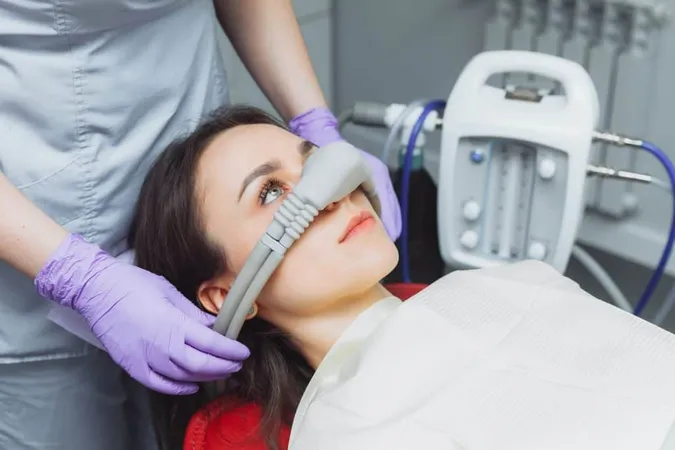
Conscious sedation, also known as moderate sedation, is a medically controlled state where the patient remains awake and able to respond to verbal cues but is relaxed and free from anxiety or pain. This type of sedation is commonly used during minor surgical, diagnostic, or dental procedures.
Key characteristics of conscious sedation include:
Preserved airway reflexes
Ability to respond purposefully to verbal commands
Reduced anxiety and discomfort
Shorter recovery time compared to deeper anesthesia
Unlike general anesthesia, conscious sedation does not require intubation or mechanical ventilation. Medications typically used include midazolam, fentanyl, and nitrous oxide, depending on the procedure and provider scope.
Conscious Sedation Training Programs
Before certification can be granted, professionals must complete a conscious sedation training course. These training programs are designed to meet both state and federal standards and usually combine didactic coursework with hands-on clinical experience.
Core components of a typical training program include:
Pharmacology of sedative agents
Patient selection and pre-procedure assessment
Monitoring vital signs and sedation levels
Emergency response protocols
Airway management and oxygen delivery systems
Most states require healthcare professionals to complete a set number of clinical cases under supervision before certification. Recertification may be required every 2–3 years, often involving refresher courses or continuing education credits.
Many accredited institutions and professional boards offer sedation training that complies with guidelines from the Joint Commission or the American Society of Anesthesiologists.
Oral Conscious Sedation in Dental Practice
One of the most common applications of sedation in dentistry is oral conscious sedation. This involves administering sedative drugs orally before a procedure to help the patient relax.
It is particularly beneficial for:
Pediatric patients with dental anxiety
Adults undergoing lengthy or complex procedures
Patients with special healthcare needs
Medications like diazepam, triazolam, and lorazepam are commonly used. The patient remains conscious, can breathe independently, and often has little memory of the procedure afterward.
Dentists seeking to administer oral sedation must undergo specialized training and be licensed under their state’s dental board. Documentation and monitoring are also critical, and having emergency equipment readily available is required by law.
Conscious Sedation vs. Moderate Sedation: What's the Difference?
The terms conscious sedation and moderate sedation are often used interchangeably. However, it's important to note that terminology may vary slightly based on institutional or regulatory guidelines.
Moderate sedation is defined by the American Society of Anesthesiologists (ASA) as a drug-induced depression of consciousness during which patients respond purposefully to verbal commands or light tactile stimulation. This description mirrors what many providers refer to as conscious sedation.
Here’s how moderate sedation differs from other levels:
Minimal Sedation (Anxiolysis): Patient is relaxed but fully aware
Moderate Sedation (Conscious Sedation): Patient is sleepy but responsive
Deep Sedation: Patient may not respond easily and might require airway assistance
General Anesthesia: Complete unconsciousness with full respiratory support
Understanding this scale is critical for compliance, patient safety, and accurate documentation.
Is Conscious Sedation Considered Anesthesia?
A common question among patients and even some providers is: Is conscious sedation considered anesthesia?
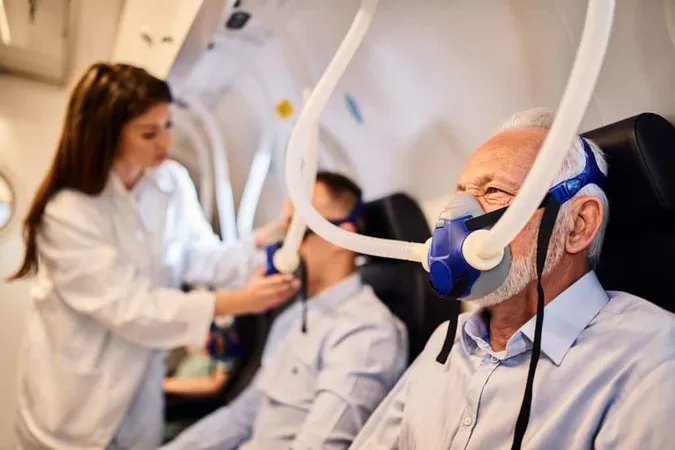
The answer is yes—but it's a type of anesthesia that occupies a middle ground between minimal sedation and deep anesthesia. Conscious sedation allows the patient to retain airway reflexes and awareness while achieving sufficient comfort for the procedure.
Key distinctions include:
Conscious sedation is regulated under anesthesia guidelines but does not require an anesthesiologist in many cases
Informed consent is still necessary, just like other forms of anesthesia
Credentialing and state requirements may differ from those for deep sedation or general anesthesia
Understanding where conscious sedation fits in the anesthesia spectrum helps ensure proper protocols, patient communication, and legal compliance.

Conclusion
Obtaining Conscious Sedation Certification is a vital step for healthcare professionals committed to providing high-quality, patient-centered care. It not only enhances your professional qualifications but also ensures that patients receive the safest and most effective form of sedation during procedures.
By understanding what conscious sedation entails, completing accredited training, and staying informed on sedation practices, you’ll be equipped to perform procedures confidently and compliantly. Whether in a hospital, clinic, or dental practice, CSC is a valuable credential that reflects your dedication to patient safety and clinical excellence.
CSC: Pros and Cons
- +CSC certification validates expertise recognized by employers nationwide
- +Certified professionals typically earn 15-20% higher salaries
- +Opens doors to advanced positions and leadership roles
- +Demonstrates commitment to professional standards and ethics
- +Builds a strong professional network through certification communities
- −Exam preparation typically requires 2-4 months of dedicated study
- −Certification and exam fees can range from $150-$500+
- −Must complete continuing education to maintain active certification
- −Pass rates vary — thorough preparation is essential for success
- −Some certifications require prerequisite experience or education
About the Author

Certified Professional Development Expert & Niche Certification Advisor
University of Pennsylvania Graduate School of EducationDr. Alexandra Kim holds a PhD in Professional Studies from the University of Pennsylvania and is a Certified Professional in Learning and Performance (CPLP) and Certified Professional in Talent Development (CPTD). With 17 years of corporate training and professional certification advisory experience, she helps professionals navigate specialized, emerging, and cross-industry certification programs.
Join the Discussion
Connect with other students preparing for this exam. Share tips, ask questions, and get advice from people who have been there.
View discussion (8 replies)