
Collars and CO: How to Thank a Correctional Officer and Understand the Job 2026
🎯 Want to thank a correctional officer? Learn what COs face, simple ways to show appreciation, pay facts, and wellness tips for officers and families.
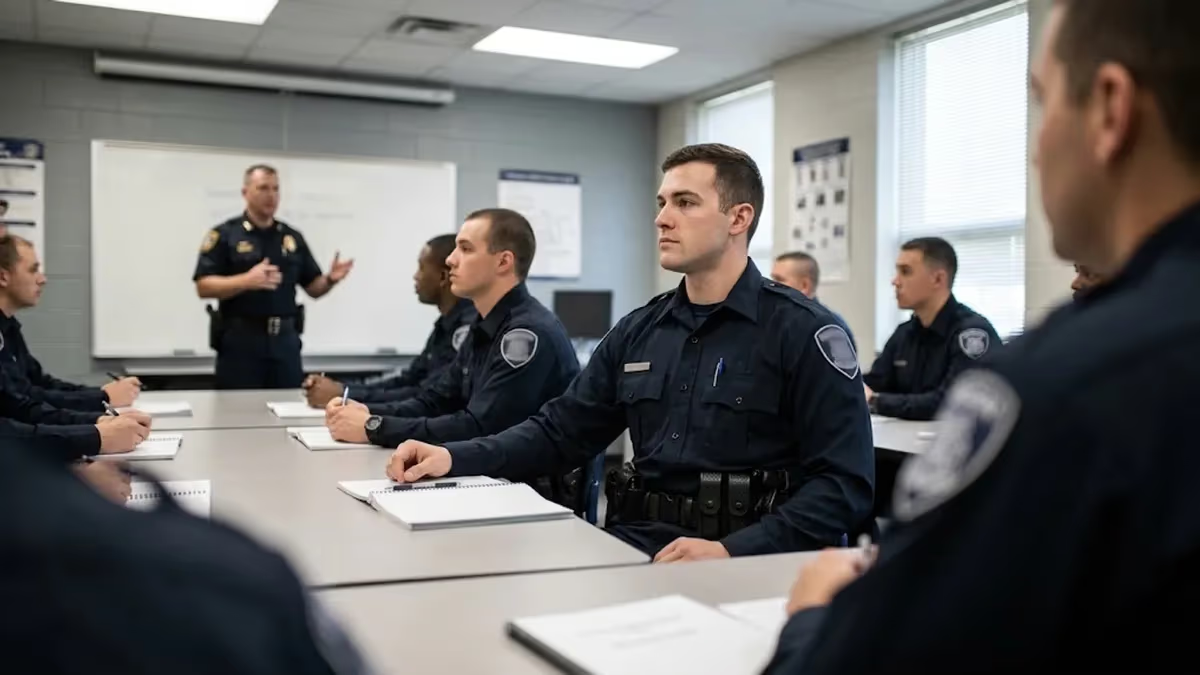
If you want to thank a correctional officer, start by understanding what the job actually asks of them. Roughly 400,000 officers and jailers work in American prisons and jails, covering nights, weekends, and holidays while the rest of us sleep or celebrate. They supervise people in custody, prevent violence, respond to medical emergencies, and keep facilities running. Most of that work happens out of public view, which is exactly why gratitude is rare and so appreciated when it arrives.
Think of the phrase collars and CO as shorthand for the whole workforce: the uniform collar, the blue-collar grit, and the person wearing both. Correctional work is public service in its least glamorous form. Officers rarely get parades or banners the way firefighters and teachers do. They get long shifts, mandatory overtime, and stress levels that research links to higher rates of PTSD, depression, and burnout than most civilian careers carry.
This guide covers general correctional officer topics that matter to anyone who wants to honor these workers: what they do, what they earn, how to express thanks, and how to support the family waiting at home. Whether you are a relative, a former incarcerated person, a neighbor, a lawmaker, or someone thinking about entering the field, you will find practical steps. Nothing here requires money. It mostly requires attention and a willingness to say something real.
Gratitude is not a soft extra in this profession. Agencies across the country report chronic understaffing, and turnover in some state systems has exceeded 20 percent in a single year. When officers feel unseen, they leave, and the ones who remain pick up more mandatory double shifts. A sincere thank-you, a respectful public comment, or a well-run appreciation event will not fix staffing alone, but it measurably improves morale and the sense that the work matters.
Correctional officers live in every kind of community, including small towns where a facility is the largest employer. Take Glenwood Springs, CO, United States, in the Colorado mountains. Nearby Garfield County is home to the Rifle Correctional Center, a minimum-security state facility, and the staff who work there are neighbors, coaches, and parents at the school fundraiser. Time in CO for an officer often means a family routine built around rotating shifts and long mountain commutes.
Thanking an officer is also different from endorsing every policy of a prison system. You can hold strong views about sentencing, solitary confinement, or privatization and still recognize that the person at the cell door is an employee doing a hard job under rules they did not write. Separating the person from the policy lets your thanks land honestly, and it keeps the conversation respectful and productive for both of you.
The sections below walk through the numbers, the daily realities, simple ways to show appreciation, the honest pros and cons of the career, and a checklist you can use today. If you are considering the career yourself, the practice quizzes linked throughout cover career outlook, health and safety, stress management, and inmate rehabilitation. Officers consistently name those topics as the ones that matter most once they are actually working a housing unit.
Correctional Officers by the Numbers
Meaningful Ways to Thank a Correctional Officer
A short, specific thank-you at the grocery store or a community event means more than a generic greeting. Mention that you respect the work, keep it brief, and avoid asking about inmates or incidents. Officers value being treated as a professional first.
A handwritten card sent to the facility during appreciation week often gets posted in the break room for months. Address it to the shift or unit, name what you appreciate, and skip politics. Supervisors also welcome letters that praise individual staff by name.
Coordinating with the facility's public information office, community groups can deliver meals or snacks to staff. Rules on outside food are strict, so ask first. A hot meal on a holiday overnight shift is remembered long after the day passes.
Offer childcare help, school pickup, or a casual invitation to a neighbor whose spouse works nights. Families absorb missed birthdays and unpredictable schedules. Practical help at home is one of the most direct ways to thank an officer.
Attend a county or state budget meeting and speak in favor of safe staffing, training funds, and wellness programs. Policy support protects officers on every shift, and it often matters more than any single gesture of appreciation.
Most people picture a correctional officer standing at a gate with a ring of keys, but the real job is far broader. Officers conduct headcounts several times a day, search cells and common areas for contraband, escort people to medical visits and court, supervise meals, and write detailed reports about every incident. A single missed count can lock down an entire facility, so accuracy and attention to detail matter as much as physical readiness.
Communication is the tool officers use most. A housing unit of 60 to 100 people may be supervised by one or two staff, so de-escalation skills prevent most fights before they start. Officers learn to read tone, body language, and the small changes that signal trouble. They negotiate, redirect, and enforce rules without raising their voices when possible. Force is a last resort, and every use of it triggers review and documentation.
Officers are also first responders. They administer CPR, use naloxone during overdose emergencies, and handle fires, floods, and medical crises inside buildings that cannot simply be evacuated. Training usually includes weeks at an academy covering defensive tactics, first aid, legal standards, and report writing, followed by field training with a veteran. Many agencies require annual refreshers in firearms, restraints, and crisis intervention, so the learning never really ends.
The job also carries a rehabilitative side that surprises many outsiders. Officers see people daily and often notice who is struggling, who is improving, and who is planning something dangerous. They support education, work assignments, and treatment programs by keeping order so those programs can run. Classification, the process that decides custody level and housing, depends on officer observations. Good officers contribute to safer release outcomes, even when nobody sees that effort.
Pay and benefits vary dramatically across states. Entry wages in some regions barely clear $40,000, while officers in high-cost states and federal facilities can earn well above $70,000 with overtime. Many systems offer pensions, health coverage, and early retirement eligibility because of the physical and emotional toll. Our correctional officer pay guide breaks down salary by state, but money rarely tells the whole story of why people stay.
Danger is real but often misunderstood. Assaults on staff occur at meaningful rates, and officers face exposure to infectious disease, chemical agents, and secondhand trauma from witnessing violence and self-harm. Yet most shifts pass without a major incident. The constant need to be alert, rather than constant combat, is what wears people down. Hypervigilance follows officers home, shaping how they sit in restaurants and how they sleep.
Understanding these duties changes how you thank someone. Instead of a vague praise for bravery, you can acknowledge the patience, the judgment, and the emergency skills involved. Officers notice when thanks reflects real knowledge of the work. If you want a fuller definition of the role, read what is a correctional officer, then come back and choose the kind of appreciation that fits the person in front of you.
Time in CO: Three Shifts, Three Realities
Day shift is the busiest stretch for movement and programming. Officers handle morning counts, meals, medical lines, visits, court transports, and classes, so the facility feels like a small city. Noise is constant, and a typical post may involve hundreds of short interactions. Staffing is usually highest, but so is the pace, and one delayed escort can ripple through the whole schedule.
Day officers also deal most with outsiders, including attorneys, chaplains, contractors, and visiting families. That means professionalism and patience under public scrutiny. A good way to thank a day-shift officer is to recognize the sheer logistical juggling: calm, accurate work while dozens of competing demands arrive at once. Specific praise about their composure is always welcome.
Is a Correctional Officer Career Worth It?
- +Stable government employment with benefits and a pension in many states
- +Entry is possible with a high school diploma or GED in most agencies
- +Paid academy training and field mentoring from experienced staff
- +Strong overtime opportunities that can raise annual earnings considerably
- +Clear promotion ladder to sergeant, lieutenant, and captain
- +Meaningful public service with a chance to influence safer communities
- −Mandatory overtime and rotating shifts disrupt family life
- −Exposure to violence, secondhand trauma, and infectious disease
- −High stress and elevated rates of burnout and PTSD
- −Public misunderstanding and limited recognition of the work
- −Pay in some states lags behind the demands of the job
- −Chronic understaffing can make every shift harder and less safe
How to Thank a Correctional Officer: Action Checklist
- ✓Mark the first full week of May as appreciation week.
- ✓Write a specific thank-you note and send it to the facility.
- ✓Thank an officer in person without asking about inmates.
- ✓Ask the facility's public information office about approved gifts.
- ✓Offer practical help to an officer's family, like childcare.
- ✓Respect neighbors who sleep during the day after night shifts.
- ✓Attend a budget hearing and support safe staffing levels.
- ✓Share accurate, respectful information about the job online.
- ✓Encourage officers to use counseling and peer support programs.
- ✓Learn the basics of the role before offering opinions.
Specific Thanks Beat Generic Praise
Officers say they value specific recognition far more than a vague thank you for your service. Mention a calm moment, a fair decision, or a long shift covered for a coworker. Specific words show you noticed real work and tell the officer that the job matters.
Supporting an officer means supporting the household around them. Spouses often become the default planners for school events, medical appointments, and holiday gatherings because the officer's schedule changes with little notice. Children learn early that a parent may miss a recital because a coworker called in sick. Families report that the hardest part is not danger but unpredictability, so any steady, low-pressure kindness from friends and neighbors helps enormously.
Agencies play the biggest role in showing appreciation, and the best ones do it year-round rather than only in May. Effective practices include predictable scheduling, paid time for peer support, fair overtime rules, and visible leadership presence on the floor. Recognition programs that name individual officers for specific acts, such as de-escalating a conflict or saving a life, build pride and signal that professionalism is noticed and valued by the organization.
National Correctional Officers and Employees Week, held during the first full week of May, is the formal moment for gratitude. Facilities host cookouts, award ceremonies, and community open houses. Visitors can send cards, local businesses can donate food, and elected officials can issue proclamations. For ideas and history, read our piece on corrections officer week. Even a short message sent that week can reach every shift at a facility.
Staffing and labor conditions also shape how appreciated officers feel. When shortages force mandatory double shifts for weeks, thanks can ring hollow without real change. Several states have seen walkouts, sickouts, and legal fights over safe staffing and pay. If you want context on those disputes, our overview of the correctional officers strike history explains the causes and legal limits that public-sector corrections workers face.
Former incarcerated people also have a unique voice here. Many remember an officer who treated them with basic dignity, helped them reach a family member during an emergency, or encouraged them to enroll in a class. Sharing those stories publicly, when it is safe and honest, reminds communities that corrections work includes humane moments. It also gives officers evidence that fair treatment can influence long-term outcomes for the people they supervise.
Communities can build lasting support through simple programs. Churches and civic clubs can adopt a facility for holiday meals. Local colleges can offer tuition discounts for officers and their children. Mental health professionals can volunteer for peer support trainings. Employers can recruit retired officers who bring discipline and judgment. These steps cost little and send the message that officers are respected members of the community, not an invisible workforce.
Finally, think about representation in media and conversation. Jokes, stereotypes, and sensational television portrayals often flatten officers into villains or heroes. Choosing nuanced language matters. Describe the work accurately, acknowledge both its difficulty and its flaws, and avoid slurs. Officers hear what people say about them, and fair treatment in everyday conversation is one of the simplest, cheapest, and most underrated forms of thanks you can offer.
Most prisons and jails restrict outside food, cash, and personal gifts to staff for security and ethics reasons. Contact the facility's public information office first, and send cards or approved donations through official channels so your thanks arrives safely.
Stress is the quiet occupational hazard of corrections. Studies of correctional staff have found elevated rates of depression, anxiety, and post-traumatic stress, along with higher suicide risk than the general working population. Officers absorb repeated exposure to fights, self-harm, and death, often without time to process any of it. Because the culture prizes toughness, many hide symptoms for years, which is why open conversations about wellness are a powerful way to show care.
Physical health suffers too. Rotating shifts disrupt circadian rhythms, raising the risk of hypertension, diabetes, and sleep disorders. Long hours standing, restraining individuals, and carrying equipment lead to back, knee, and shoulder injuries. Many agencies now offer fitness incentives, wellness coordinators, and schedule changes to curb the damage. Officers who protect their sleep, eat consistently, and keep up with checkups tend to last longer in the career and feel better doing it.
Peer support teams are among the most effective tools. Trained coworkers who understand the job can check in after critical incidents, listen without judgment, and connect colleagues with professional counselors. Many officers say they would never call a hotline but will talk to the person who was on the same shift. If you supervise officers, funding and protecting peer support time is one of the clearest ways to demonstrate genuine appreciation.
Family members can watch for warning signs, such as irritability, withdrawal, heavy drinking, sleep problems, or loss of interest in hobbies. Approach the conversation gently and avoid blaming. Phrases like I have noticed you seem worn down, and I am here, work better than demands. Employee assistance programs, confidential counseling, and the 988 Suicide and Crisis Lifeline offer support. Encouraging help is an act of loyalty, not weakness.
Learning about health and safety is also a smart investment for anyone training for the role. Courses and practice tests cover topics such as stress inoculation, fatigue management, infection control, and critical incident response. Working through the health, safety, and stress management practice test helps new recruits recognize their own stress patterns early and build habits that protect them for twenty-year careers.
Agencies can reduce stress by fixing the underlying conditions. Adequate staffing means fewer forced double shifts. Clear policies reduce uncertainty about discipline and use of force. Fair promotion processes and respectful supervisors cut daily friction. Training in trauma-informed practices benefits both staff and incarcerated people. When leaders invest in these basics, officers read that as real appreciation, and retention improves, which in turn makes every remaining shift safer.
Recovery also needs balance outside the walls. Officers who keep hobbies, friendships, faith communities, or volunteer roles unrelated to work tend to cope better. Taking vacation, setting boundaries on overtime, and leaving the job at the gate are skills that can be practiced. If you want to thank a correctional officer in a lasting way, encourage them to protect that personal time and cheer for it.
If you are thinking about joining the profession yourself, preparation starts well before the application. Check the minimum requirements in your state, which usually include being 18 to 21, holding a high school diploma or GED, passing a background check, and having no disqualifying felony convictions. Some agencies also require a driver's license and residency. Collect your documents early, because background investigations can take several weeks and a missing record can delay your start date.
Expect a multi-stage hiring process. Most agencies use a written exam, a physical fitness or agility test, a psychological screening, a medical exam, and an interview panel. Written tests often measure reading comprehension, report writing, judgment, and basic math. Practice with realistic questions so the format feels familiar, and review sample scenarios about conflict, safety, and honesty. Consistent short study sessions beat last-minute cramming for nearly every candidate.
Fitness matters because the academy and the job both demand it. Build a routine that includes cardio, bodyweight strength, and flexibility several times a week, starting at least two months before your test. Many agencies require timed runs, push-ups, and obstacle courses. Avoid injury by increasing intensity gradually, and ask your recruiter for the exact standards. Arriving fit also helps you handle long shifts and recover faster after the academy.
Prepare mentally too. Talk with current officers about what a typical week looks like, how overtime works, and what they wish they had known. Visit a facility tour if offered. Practice calm communication, because interviewers look for composure, integrity, and the ability to follow rules without ego. Be honest about past mistakes in your background check, since concealment is a far bigger problem than the original issue.
Plan your finances and family life realistically. Academy pay, uniform costs, and probationary periods can create short-term strain. Ask about shift bids, overtime expectations, and promotion timelines. Review the benefits, including pension, health coverage, and tuition help. Having an honest conversation with your partner or family before you start makes the first year easier. Our guide to correctional officer jobs in one state shows how requirements and pay fit together.
Once hired, focus on learning from veterans and protecting your health. Ask questions, keep notes, and write clear reports from day one. Build sleep and nutrition routines before shift work scrambles them. Find a mentor who models fairness and calm. Take advantage of wellness benefits early, not after a crisis. The officers who thrive are usually those who treat the career as a craft to be learned over years.
Whether you are preparing to join or simply want to thank a correctional officer, the same principle applies: pay attention to the real work. Study the role, listen to those who do it, and let your actions reflect what you learned. A few honest words, a practical favor, or support for better staffing can make a shift lighter. Appreciation costs little, and for people who spend their lives behind walls, it carries real weight.
CO Questions and Answers

Correctional Officer Jobs in CT: Complete Career Guide for Connecticut 2026

Corrections Officer Week: Honoring the Dedication Behind America's Bars

Correctional Officers Strike: Causes, Recent History, & Labor Rights
What Is a Correctional Officer? Duties, Pay, and Path

Correctional Officer Pay: Salary by State and Career Stage
How this page was made: written with AI tools and published by Nathan Beja, founder of Practice Test Geeks, who is responsible for its content. We have not yet matched this exam's facts to an official source, so confirm fees, dates and rules with the exam body. Not reviewed by a subject-matter expert. Editorial policy