
Colorado Attorney Bar Admission Requirements: Complete Guide to Getting Licensed in CO
Meet every colorado attorney bar requirement with confidence. 🎯 Covers education, character review, exam steps, and timelines for CO licensure.

Becoming a licensed colorado attorney bar member is one of the most rewarding milestones in a legal career, but the path to admission involves more than passing a single exam. Colorado's Office of Attorney Admissions enforces a multi-layered process that evaluates your academic credentials, moral character, and professional fitness before granting you the right to practice law in the state. Understanding every step in advance allows you to plan your timeline, avoid costly mistakes, and walk into the exam room with genuine confidence.
The Colorado Bar Admission process is administered by the Colorado Supreme Court through the Board of Law Examiners. Applicants must satisfy educational prerequisites, submit a detailed character and fitness application, pass the Uniform Bar Examination (UBE), and complete a MPRE requirement before they can be sworn in. Each of these stages has its own deadlines, fees, and documentation demands. Missing even one deadline can delay admission by an entire exam cycle, which typically means six months of waiting.
Most applicants begin this journey during their final year of law school, but the ideal time to start gathering documents and completing background checks is much earlier — often in the second year. Background investigations can take months, especially if there are prior criminal records, financial irregularities, or disciplinary matters to disclose and explain. Proactive disclosure is almost always treated more favorably than information discovered later by investigators.
Colorado's adoption of the UBE in 2015 transformed the admission landscape. Because UBE scores are portable, attorneys licensed in other UBE jurisdictions can transfer their scores to Colorado without retaking the full exam, provided the score is within its validity window. This reciprocity has made Colorado an attractive destination for attorneys relocating from other states, and the transfer process has its own set of procedures that differ meaningfully from first-time admission.
Beyond the exam itself, Colorado requires all applicants to complete the Professionalism School — a mandatory orientation program designed to introduce new attorneys to the ethical obligations, court procedures, and professional culture specific to Colorado practice. Skipping or delaying this requirement is one of the most common reasons admission is postponed even after an applicant has passed the bar exam and cleared character review.
This guide walks you through every major requirement for colorado attorney bar admission: educational standards, the application process, the exam format, character and fitness review, the MPRE, Professionalism School, reciprocal admission, and the swearing-in ceremony. For a broader overview of the exam itself, see the official colorado bar admission requirements resource. Whether you are a first-time applicant or an out-of-state attorney seeking admission, this article gives you the information you need to navigate the process successfully.
Preparation is everything in bar admission. Candidates who treat the application as seriously as the exam — documenting every job, every address, every disciplinary incident honestly and thoroughly — consistently report smoother admissions experiences. The sections that follow break down each requirement in practical, actionable detail so you can build a realistic calendar and tackle each milestone one at a time.
Colorado Bar Admission by the Numbers

Colorado Bar Admission: Core Educational Requirements
Applicants must earn a Juris Doctor degree from a law school accredited by the American Bar Association. Foreign-educated attorneys may qualify under specific equivalency review procedures, but a full ABA-accredited JD is the standard path.
While Colorado does not mandate a specific undergraduate major, a bachelor's degree or substantial college coursework is the de facto standard required for law school admission. The state verifies academic credentials through official transcripts submitted with your bar application.
Attorneys who earned degrees outside the United States must undergo an ABA-equivalency evaluation. The Board of Law Examiners reviews the evaluation report before determining eligibility. Additional coursework at an ABA-accredited institution may be required in some cases.
Colorado encourages law students to register with the Colorado Supreme Court's Attorney Registration Office early in their studies. Early registration helps establish your record and streamlines the admission application once you are ready to apply.
The Colorado bar application process begins long before you sit for the exam. The Board of Law Examiners opens application windows approximately six months before each exam administration, and most experienced bar prep advisors recommend submitting your application as early in that window as possible. Late applications are accepted up to a hard deadline, but late fees apply and your character investigation has less time to complete before the exam date.
When you file your application, you must provide a comprehensive personal history disclosure covering every address you have lived at for the past ten years, every employer, every educational institution, every civil or criminal legal matter, and any disciplinary proceedings from undergraduate or law school. The level of detail required surprises many first-time applicants. Colorado's Board is not looking for perfection — it is looking for honesty and self-awareness. Omitting information, even unintentionally, creates far more problems than transparent disclosure of past issues.
The character and fitness investigation is triggered by your application and conducted by a third-party investigator contracted by the Board. Investigators verify the information you provided, reach out to references and former employers, and run background checks. If disclosures reveal criminal history, financial problems such as significant unresolved debt or bankruptcy, or disciplinary records, the investigation will take longer and may require a formal hearing before the Character and Fitness Committee.
Application fees in Colorado are structured in two parts: the examination fee and the character and fitness investigation fee. As of current published schedules, first-time exam applicants pay approximately $450 for the exam and an additional $200 or more for the character review, though these figures are subject to revision. Score transfer applicants pay a separate fee schedule. Always verify current fees on the Colorado Supreme Court's official website before submitting payment.
Documentation requirements include certified official law school transcripts, a Certificate of Dean (or equivalent), LSAT score reports in some cases, and proof of identity. If you are applying via UBE score transfer from another jurisdiction, you must also submit a certified copy of your score from the transferring jurisdiction's bar authority. Each document has specific formatting requirements — photocopies or unofficial versions are routinely rejected.
Applicants who have been licensed in another jurisdiction must disclose that licensure and request a certificate of good standing from each state where they hold or have held a license. If you have faced any disciplinary action in another jurisdiction, even a minor private reprimand, it must be disclosed. Colorado's Board takes undisclosed disciplinary history very seriously and routinely discovers it through the National Lawyer Regulatory Data Bank.
Tracking deadlines is critical. Colorado has two exam administrations per year — the July administration (UBE) and the February administration (UBE). Each has its own application deadline, late application deadline, and character review submission deadline. Building a personal calendar with all relevant dates, cross-referenced against the official schedule published by the Board, is one of the most practical steps you can take to protect your admission timeline.
Colorado Bar Exam, MPRE & Professionalism School Explained
Colorado administers the Uniform Bar Examination, which consists of three components: the Multistate Bar Examination (MBE) with 200 multiple-choice questions tested over two sessions, the Multistate Essay Examination (MEE) with six essay questions, and the Multistate Performance Test (MPT) with two tasks. The MBE tests seven core subjects including Contracts, Torts, Evidence, and Constitutional Law. Colorado requires a scaled score of 266 to pass.
The UBE is administered over two days in late February and late July at designated testing centers. Day one focuses on the MEE and MPT, while day two is dedicated entirely to the MBE. All three components are graded on a national scale, with Colorado applying its own 266 minimum threshold. Scores remain valid for five years for transfer purposes, giving applicants flexibility if they choose to practice in Colorado after initially licensing elsewhere.

Pros and Cons of Colorado's Bar Admission Process
- +UBE score portability allows transfer from 40+ other jurisdictions without retaking the full exam
- +Colorado's 266 passing score is competitive but attainable with structured preparation
- +Two exam administrations per year (February and July) give applicants flexibility
- +Online application portal simplifies document submission and status tracking
- +Professionalism School provides genuine orientation value for new practitioners
- +Attorney Admissions staff are accessible and generally responsive to applicant inquiries
- −Character and fitness investigation adds significant time and cost to the process
- −Application deadlines are strict — late submissions incur fees and risk incomplete investigations
- −MPRE, bar exam, and Professionalism School must all be completed as separate steps
- −Foreign law graduates face a lengthy equivalency review process with uncertain timelines
- −Score transfer applicants must still complete character review, MPRE, and Professionalism School
- −Background disclosure requirements are extremely detailed and can be burdensome to compile
Colorado Bar Admission Checklist: 10 Steps to Licensure
- ✓Earn a JD from an ABA-accredited law school (or complete a foreign equivalency review).
- ✓Register with the Colorado Supreme Court's Attorney Registration Office as a law student.
- ✓Pass the MPRE with a scaled score of at least 85 before or during your application cycle.
- ✓Submit your bar exam application by the published deadline to avoid late fees.
- ✓Complete the full personal history disclosure with all addresses, employers, and legal history.
- ✓Provide all required documentation: transcripts, Dean's Certificate, and proof of identity.
- ✓Cooperate fully with the character and fitness investigation and respond promptly to any requests.
- ✓Obtain and submit a certificate of good standing from every jurisdiction where you hold a license.
- ✓Register for and attend a Professionalism School session after passing the bar exam.
- ✓Complete the oath of admission and attend the swearing-in ceremony to finalize licensure.
Early Disclosure Always Beats Late Discovery
The Colorado Board of Law Examiners consistently treats proactive, thorough disclosure far more favorably than information uncovered during the investigation. If you have criminal history, financial difficulties, or academic discipline in your background, disclosing it fully — with context and evidence of rehabilitation — gives you the best possible chance of a positive character finding. Omissions, even inadvertent ones, are treated as integrity failures and can result in denial of admission.
Reciprocal and score transfer admission represents one of Colorado's most significant attorney admission pathways, particularly given the state's growing legal market in Denver and along the Front Range. Since Colorado adopted the UBE in 2015, applicants who earned a qualifying UBE score in any other UBE jurisdiction can apply to transfer that score to Colorado rather than sitting for the full exam again. The transfer process is available to applicants whose score meets Colorado's 266 threshold and was earned within the past five years.
To initiate a score transfer, applicants submit a transfer application to the Colorado Board, request that their original testing jurisdiction certify and transmit the score, and pay the applicable transfer fee. All other admission requirements — character and fitness review, MPRE certification, and Professionalism School — must still be completed. The score transfer process does not waive any substantive requirement; it simply substitutes the prior exam score for a new Colorado administration.
Experienced attorneys licensed in other jurisdictions who have practiced law for a substantial period may qualify for admission on motion, sometimes called reciprocal admission, without sitting for any bar exam. Colorado's on-motion admission rules require applicants to demonstrate a minimum number of years of active law practice, a passing UBE score from their original licensing jurisdiction (or an equivalent showing under older rules), and good standing in all jurisdictions where licensed. The specific practice duration thresholds and conditions are defined in the Colorado Rules Governing Admission to the Bar.
Out-of-state attorneys considering a move to Colorado should carefully evaluate whether score transfer or on-motion admission is the more efficient pathway. An attorney licensed in a UBE state for only two years who earned a 270 on the UBE will generally find score transfer faster and less expensive. An attorney with fifteen years of practice in a non-UBE state will typically pursue on-motion admission. Each case requires individualized analysis of the applicant's specific history and Colorado's current rules.
Temporary admission provisions also exist for attorneys in specific circumstances, including law professors who teach at Colorado law schools and in-house attorneys employed exclusively by a single Colorado-based corporate client. These limited licenses come with their own conditions and do not constitute full bar admission. Attorneys relying on temporary admission should understand clearly what activities are and are not permitted under those limited licenses and should pursue full admission if their practice in Colorado is expected to be long-term.
Military spouses represent another important category of applicants for whom Colorado has established expedited admission procedures. Under Colorado's military spouse attorney rules, a licensed attorney who relocates to Colorado due to a spouse's military assignment may qualify for a temporary or expedited admission that reduces the waiting time significantly. The Colorado Supreme Court has worked to streamline this process in recognition of the disruptions that frequent relocations impose on military families, and the current rules reflect that commitment to accessibility.
Regardless of which admission pathway applies, every applicant must ultimately register with the Colorado Supreme Court's Attorney Registration Office after admission and pay annual registration fees to remain in good standing. The attorney registration system also tracks continuing legal education compliance, malpractice insurance disclosures, and IOLTA account certifications — all of which are ongoing obligations that begin the moment you are sworn in and continue throughout your Colorado legal career.
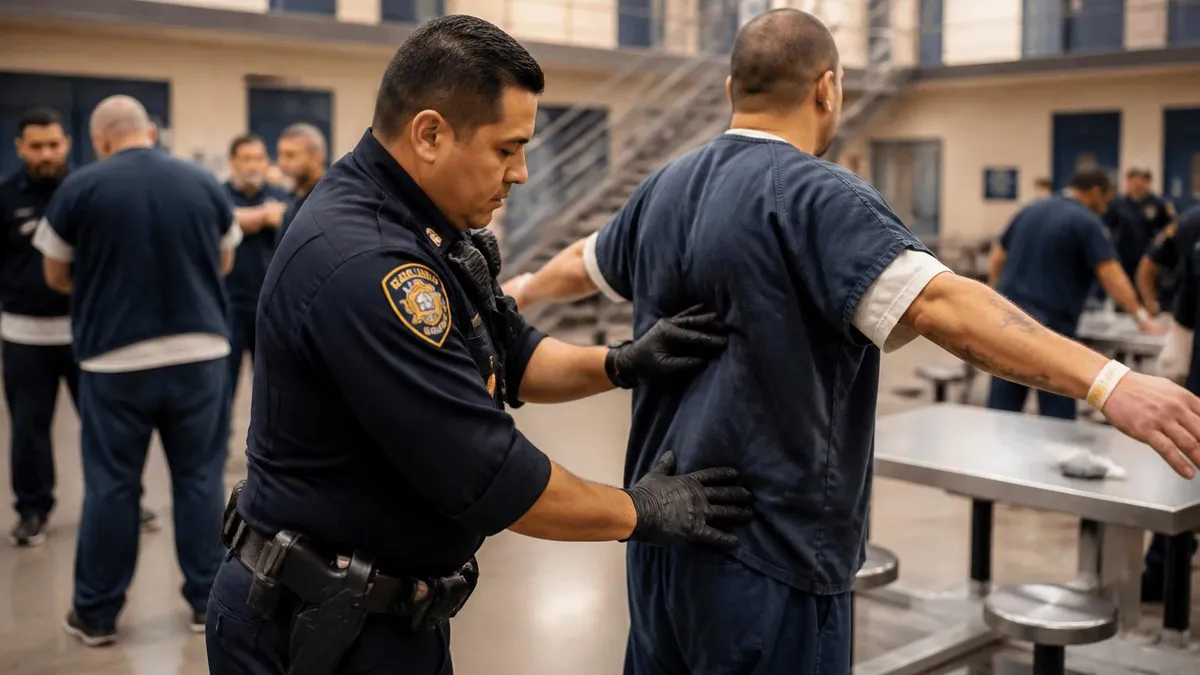
The character and fitness investigation must be substantially complete before the Board will certify you for the bar exam. If your application is submitted late, your investigation may not finish in time, and you will be denied the opportunity to sit for that exam cycle — even if you have already registered and paid. Submit your application as early as possible and respond to investigator requests within 48 hours to protect your timeline.
The swearing-in ceremony marks the official culmination of the Colorado bar admission process and is a moment most new attorneys remember for the rest of their careers. After the Board certifies that all requirements have been met — exam passage, MPRE certification, character and fitness clearance, and Professionalism School completion — the applicant receives an admission recommendation to the Colorado Supreme Court. The Court then schedules a swearing-in ceremony, typically held in the Supreme Court courtroom in Denver, where new admittees take the attorney's oath in the presence of justices, family, and colleagues.
After being sworn in, new Colorado attorneys must complete their registration with the Attorney Registration Office. Registration involves creating or updating an attorney profile in the Court's online system, selecting a primary address for service of process, and paying the initial registration fee. The first registration period is prorated based on the month of admission, and subsequent annual renewals fall on a set calendar schedule for each attorney depending on their last name or bar number.
Continuing legal education is a mandatory post-admission obligation for all Colorado attorneys. The Colorado Supreme Court requires attorneys to complete 45 hours of approved CLE every three years, including at least seven hours of ethics and professionalism content. New attorneys often find that bar associations, law firms, and online providers offer CLE packages tailored to practitioners in their first few years, and starting CLE accumulation early in your reporting period reduces end-of-cycle pressure significantly.
Colorado attorneys are also required to comply with the state's IOLTA rules if they handle client funds. The Colorado Lawyer Trust Account Foundation oversees the IOLTA program, which requires attorneys who hold client funds to deposit those funds in interest-bearing trust accounts with the interest paid to the Foundation for legal aid purposes. Proper trust account management is one of the most common sources of disciplinary complaints against new attorneys, and investing time early in learning the mechanics of trust accounting pays enormous dividends in practice.
Malpractice insurance disclosure is another post-admission requirement. Colorado does not mandate malpractice coverage, but it does require attorneys to certify annually whether they carry coverage and, if so, at what limits. This disclosure is made through the attorney registration system. Many employers provide malpractice insurance as part of compensation, but solo practitioners and small firm attorneys should carefully evaluate their coverage needs before beginning client representation.
The Colorado Bar Association (CBA) is a voluntary membership organization that provides resources, networking, and advocacy for Colorado attorneys. While membership is not required for admission or practice, new attorneys frequently find that CBA membership — particularly participation in practice section groups relevant to their area of law — accelerates the development of professional relationships and practical skills that accelerate their careers. The CBA also administers a lawyer referral service, a fee dispute resolution program, and access to research tools that complement the resources available through court self-help centers.
Once admitted, maintaining your Colorado license in good standing requires consistent attention to registration deadlines, CLE compliance, trust account rules, and ethical obligations under the Colorado Rules of Professional Conduct. The foundation you build during the admission process — thorough documentation, proactive disclosure, punctuality with deadlines — serves as a model for how to maintain a disciplined, compliant practice throughout your entire legal career in Colorado.
Effective preparation for the Colorado bar exam starts with a realistic study calendar built around your personal schedule and learning style. Most successful first-time bar takers study for ten to twelve weeks before the exam, dedicating between eight and twelve hours per week to structured review. The UBE tests a broad swath of subjects, so allocating study time proportionally — heavier emphasis on MBE subjects, which make up roughly half of the total score, and dedicated sessions for MEE essay practice and MPT skills — produces the most balanced preparation.
Commercial bar prep courses from providers like Barbri, Themis, and Kaplan provide structured curricula that cover every UBE subject in a sequential, paced format. These programs typically include lecture videos, practice questions, essay workshops, and full-length simulated exams. Candidates who follow the structured schedule of a commercial course consistently outperform those who study ad hoc without a systematic plan. If cost is a constraint, many law schools provide supplemental materials and alumni discounts on commercial courses.
Practice questions are the single most important component of bar exam preparation. The MBE in particular rewards pattern recognition — understanding not just the rule, but the exact fact pattern configurations that trigger each rule. Completing between 1,500 and 2,000 MBE practice questions over the course of your study period is a reasonable target for most candidates. Reviewing every wrong answer carefully, identifying the concept tested, and returning to that concept in your outline builds the cumulative knowledge base the exam demands.
Essay preparation for the MEE requires a different skillset. MEE essays reward applicants who can identify the precise legal issues raised by a fact pattern, state the applicable rule clearly, apply the rule to the specific facts, and reach a conclusion — the classic IRAC structure. Practicing timed essays under exam conditions, then comparing your answer to model answers published by the National Conference of Bar Examiners, is the most reliable method for improving MEE performance. Aim to complete at least fifteen to twenty full essay responses before exam day.
The MPT is the component that trips up the most candidates who underestimate it. The MPT provides a closed-universe file of law and facts, and your task is to complete a practical legal work product — a memo, a brief, a client letter, a contract provision — using only those materials. The skill tested is lawyer competency, not doctrinal knowledge. Practicing MPT tasks under strict ninety-minute time limits and comparing your product against the grading rubrics published by NCBE sharpens the organizational and drafting skills the MPT rewards.
Mental and physical preparation matters as much as doctrinal study. Bar exam fatigue is real: two full days of intensive testing depletes cognitive resources in ways that many first-time candidates underestimate. Building stamina through full-length simulated exam days — including timed breaks and meal planning that mirrors actual exam day conditions — trains your brain and body to sustain peak performance when it matters most. Sleep, nutrition, and exercise during the study period are not optional luxuries; they are performance variables that experienced bar prep advisors take seriously.
On exam day itself, follow a consistent routine that you have practiced. Know your testing center location, parking, and check-in procedures in advance. Bring only approved materials — most centers prohibit all electronics except approved laptops for essay portions. Arrive early enough to settle in and reduce anxiety before the first session begins. Trust your preparation, manage your time per question carefully, and resist the urge to second-guess answers you felt confident about on first pass. Methodical execution of a well-built preparation plan is the most reliable path to joining the Colorado bar.
CO Bar Questions and Answers
Colorado Bar Exam: Your Guide to CO Bar Test Success

Colorado Bar Exam Results: What to Expect, How to Read Them & What Comes Next

Colorado Bar Exam Dates: Complete Schedule, Deadlines & Prep Guide

Colorado Bar Pass Score: Complete Guide to Scoring Requirements & What It Takes to Pass
CO Bar Practice Test PDF (Free Printable 2026)
About the Author

Educational Psychologist & Academic Test Preparation Expert
Columbia University Teachers CollegeDr. Lisa Patel holds a Doctorate in Education from Columbia University Teachers College and has spent 17 years researching standardized test design and academic assessment. She has developed preparation programs for SAT, ACT, GRE, LSAT, UCAT, and numerous professional licensing exams, helping students of all backgrounds achieve their target scores.