
Complete CNG Solutions: A Comprehensive Guide to Compressed Natural Gas Systems for US Fleets and Drivers
Complete CNG solutions explained for US fleets and drivers. Costs, infrastructure, benefits, and how to transition. ✅ Free practice tests included.

When organizations across the United States evaluate complete cng solutions for their transportation needs, they quickly discover that switching to compressed natural gas is far more than simply changing fuel types. A truly complete CNG solution encompasses vehicle conversion or procurement, fueling infrastructure installation, driver training, maintenance protocols, and regulatory compliance — all working together as an integrated system that delivers measurable cost savings and environmental benefits.
The demand for complete CNG solutions has accelerated dramatically over the past decade, driven by rising diesel prices, tightening emissions regulations, and corporate sustainability mandates. Transit agencies, refuse haulers, long-haul trucking companies, school districts, and port authorities have all embraced CNG as a practical, proven alternative to conventional petroleum fuels. With natural gas prices historically running 30 to 50 percent below diesel on an energy-equivalent basis, the financial case for conversion is compelling and well-documented across thousands of real-world deployments.
What makes a CNG solution truly complete is the coordination of multiple technical and operational domains. On the infrastructure side, organizations must choose between on-site fueling stations — either fast-fill or time-fill configurations — and public corridor fueling access. On the vehicle side, procurement teams must evaluate original equipment manufacturer (OEM) dedicated CNG vehicles versus bi-fuel or dual-fuel conversion systems. Each decision carries cost, performance, and maintenance implications that ripple through the entire lifecycle of the fleet.
Driver and technician training forms the third pillar of any complete CNG deployment. Natural gas behaves differently from liquid fuels in key ways: it is lighter than air and dissipates rapidly when released, storage cylinders operate at pressures between 3,000 and 3,600 pounds per square inch, and the fueling procedure requires specific coupling techniques distinct from diesel or gasoline fill-ups. Without thorough training, even well-designed infrastructure and high-quality vehicles will underperform or create safety risks that undermine the program's success.
Maintenance and inspection requirements round out the picture. CNG cylinders must be visually inspected regularly and formally recertified or replaced at intervals specified by the cylinder manufacturer — typically 15 to 20 years for composite cylinders. Fuel system components including pressure regulators, solenoid valves, and high-pressure lines need periodic inspection by certified technicians. Organizations that invest in complete solutions from the start — encompassing training, parts stocking, and service agreements — consistently report better uptime and lower total cost of ownership than those that treat CNG conversion as purely a fuel-purchasing decision.
The regulatory landscape governing CNG operations in the United States involves multiple agencies and standards bodies. The National Fire Protection Association (NFPA) 52 standard governs vehicular gaseous fuel systems, while NFPA 30A covers fuel dispensing. The Occupational Safety and Health Administration (OSHA) sets workplace safety standards for fueling facilities. At the state level, emissions rules, vehicle registration requirements, and alternative fuel incentives vary considerably, making it essential for fleet managers to engage with regulatory experts who understand the full compliance picture across all relevant jurisdictions.
This guide walks through every major component of a complete CNG solution — from initial fleet assessment and business case development through fueling infrastructure design, vehicle selection, training programs, maintenance frameworks, and ongoing optimization. Whether you are managing a municipal transit fleet in the Midwest, a refuse collection operation on the West Coast, or a school district in the Southeast, the principles and practices covered here will help you build, operate, and continuously improve a CNG program that delivers lasting value.
CNG by the Numbers

Core Components of a Complete CNG Solution
On-site CNG stations (fast-fill or time-fill), compression equipment, storage cascades, dispensers, and utility gas supply connections form the backbone of any fleet CNG program. Proper sizing based on fleet return-to-base patterns is critical to avoiding capacity shortfalls.
OEM dedicated CNG vehicles offer factory warranties and optimized engine calibrations. Bi-fuel conversions retain gasoline backup range. Choosing the right vehicle type for each duty cycle — light, medium, or heavy — maximizes ROI and driver satisfaction.
Drivers must learn CNG fueling procedures, emergency response protocols, and cylinder inspection basics. Technicians require formal CNG service certification. Dispatchers and supervisors need awareness training to effectively manage CNG assets in daily operations.
Scheduled inspections of high-pressure cylinders, regulators, solenoids, and fuel lines keep vehicles compliant and safe. Stocking critical spare parts and establishing relationships with certified CNG service providers prevents costly downtime during the program's early phases.
NFPA 52 vehicle system standards, NFPA 30A fueling facility codes, AHJ permits, EPA emission certifications, and state alternative fuel incentive programs all require ongoing attention. A compliance calendar and designated compliance officer help fleets stay ahead of deadlines.
Fueling infrastructure is frequently the largest single capital investment in any complete CNG deployment, and the decisions made during station design have consequences that play out over decades of operation. Fleet managers must begin by conducting a thorough assessment of their daily fuel consumption patterns, the number of vehicles returning to base each night, peak fueling demand windows, available utility gas pressure and supply capacity, and the physical footprint constraints of the facility where the station will be installed.
Time-fill stations are the most economical option for fleets where vehicles return to base overnight and have six to eight hours available for fueling. In a time-fill configuration, low-flow dispensers connect directly to individual vehicles, slowly filling cylinders over several hours using compression equipment sized to match the total overnight demand rather than instantaneous peak flow. This approach allows the use of smaller, less expensive compressors and eliminates the need for high-pressure storage cascades, significantly reducing both capital and maintenance costs.
Fast-fill stations are required when vehicles need to refuel quickly — in 5 to 10 minutes — and cannot be taken out of service overnight. Transit buses, refuse trucks operating on tight schedules, and vehicles that do not return to a central depot each night typically need fast-fill access. Fast-fill stations require larger compressors capable of delivering high flow rates on demand, plus substantial high-pressure storage cascades that buffer compressed gas between compressor cycles. The capital cost of a fast-fill station typically runs two to four times higher than a comparable time-fill installation.
Hybrid stations combine both approaches, providing time-fill capability for most of the fleet while maintaining a small number of fast-fill dispensers for vehicles that need quick turnarounds. This configuration is increasingly popular among transit agencies and refuse haulers that operate mixed fleets with varying scheduling requirements. Proper load management software can optimize compressor runtime across both dispensing modes, extending equipment life and reducing electricity costs.
Utility gas supply is a frequently underestimated element of station planning. Most on-site CNG stations require a minimum inlet gas pressure of 50 to 100 PSI at the meter to achieve efficient compression, but many commercial gas service connections deliver considerably lower pressures. Coordinating with the local natural gas utility early in the project development process is essential to avoid costly retrofits after construction. In some cases, a booster compressor must be installed upstream of the main compression equipment to raise inlet pressure to an acceptable level.
Station sizing should account for fleet growth projections over a 10 to 15 year horizon. Undersized compressors are one of the most common and costly mistakes in CNG infrastructure projects, because adding compression capacity after initial installation requires significant additional civil work, permitting, and equipment procurement. Many experienced CNG solution providers recommend sizing primary compression for 125 to 150 percent of current peak demand and designing the station pad to accommodate additional compression modules in the future without requiring major structural modifications.
Permitting requirements for CNG fueling stations involve multiple agencies and can add months to a project timeline if not managed proactively. The authority having jurisdiction (AHJ) — typically the local fire marshal — must approve station design against NFPA 30A requirements. Building permits, electrical permits, plumbing permits, and utility interconnection agreements must all be obtained and coordinated. Environmental review requirements vary by state and locality. Experienced CNG solution providers maintain relationships with permitting authorities and can significantly accelerate this process through pre-application meetings and well-documented submittal packages.
CNG Vehicle Types and Fleet Applications
Dedicated CNG vehicles run exclusively on compressed natural gas and are optimized from the factory for CNG combustion characteristics. Engine compression ratios, fuel injection timing, and emissions aftertreatment systems are all calibrated specifically for methane, resulting in better fuel efficiency and lower emissions than bi-fuel conversions. OEM dedicated CNG vehicles are available across a wide range of duty cycles, from light-duty pickup trucks and cargo vans to Class 6 and Class 8 heavy trucks, transit buses, and refuse haulers.
The primary tradeoff with dedicated CNG vehicles is range dependency on CNG fueling availability. Because there is no backup fuel system, drivers must plan routes carefully around known CNG fueling locations. For return-to-base fleets where vehicles refuel at a private on-site station every night, this limitation is rarely a practical concern. However, for vehicles that travel long intercity corridors or operate in regions with sparse public CNG infrastructure, the range limitation can restrict operational flexibility and requires careful route planning and contingency protocols.

CNG Solutions: Advantages and Challenges
- +Fuel cost savings of 30 to 50 percent compared to diesel on an energy-equivalent basis in most US markets
- +Significantly lower tailpipe emissions of particulate matter, nitrogen oxides, and carbon dioxide versus diesel combustion
- +Domestically produced fuel source that reduces dependence on imported petroleum and improves energy security
- +Available federal and state tax credits and incentives that can offset vehicle and infrastructure capital costs substantially
- +Natural gas engine technology is mature, proven, and supported by multiple established OEMs with nationwide service networks
- +Lower noise levels compared to diesel engines, beneficial for urban refuse and transit operations in noise-sensitive areas
- −Higher upfront capital costs for vehicles and fueling infrastructure compared to equivalent diesel configurations
- −Limited public fueling network outside major metropolitan areas restricts route flexibility for long-distance applications
- −CNG cylinders require periodic inspection and eventual replacement, adding lifecycle maintenance costs not present in diesel fleets
- −Lower volumetric energy density means larger or more numerous fuel cylinders are needed to achieve comparable range
- −Fueling stations require significant utility gas supply infrastructure that may require coordination with local utilities over extended timelines
- −Technician training and certification requirements add initial investment and may create service constraints in smaller markets
Complete CNG Solution Transition Checklist
- ✓Conduct a thorough fleet fuel consumption audit to establish baseline gallons-per-year by vehicle class.
- ✓Identify which vehicles in the fleet are best candidates for CNG conversion based on duty cycle and annual mileage.
- ✓Evaluate on-site fueling options (time-fill vs. fast-fill) based on vehicle return-to-base patterns and fueling windows.
- ✓Contact the local natural gas utility to confirm available supply pressure and pipeline capacity at the facility.
- ✓Obtain competitive bids from at least three certified CNG infrastructure design-build contractors.
- ✓Research available federal Alternative Fuel Vehicle (AFV) tax credits and state-level incentive programs for your jurisdiction.
- ✓Identify OEM CNG vehicle options or EPA/CARB-certified conversion systems for your target vehicle classes.
- ✓Develop a driver training plan covering CNG fueling procedures, emergency shutdown protocols, and cylinder inspection basics.
- ✓Establish a technician certification pathway through a recognized program such as the Natural Gas Vehicle Institute (NGVi).
- ✓Create a maintenance schedule and parts inventory plan for CNG-specific components including regulators and solenoid valves.
The Break-Even Timeline Is Typically 3 to 5 Years
Most fleet operators who deploy complete CNG solutions recover their combined vehicle and infrastructure capital investment within three to five years through fuel savings alone — and then enjoy significantly lower operating costs for the remaining 10 to 15 year lifespan of the assets. Adding available federal and state incentives can compress the payback period to as little as two years in favorable markets.
The financial case for complete CNG solutions rests on a multi-layered stack of savings and incentives that, when properly structured, can make the transition highly attractive even before accounting for environmental and regulatory compliance benefits. Understanding all the financial levers available is essential to building a business case that will secure executive and board-level approval for the capital investment required.
Federal tax incentives have historically provided significant support for CNG vehicle and infrastructure investments. The Alternative Fuel Vehicle Refueling Property Credit under Internal Revenue Code Section 30C has provided credits of up to 30 percent of the cost of qualifying fueling equipment installation. The Alternative Motor Vehicle Credit under Section 30B has supported incremental cost recovery for CNG vehicles. While these credits have been subject to periodic legislative renewal, the Inflation Reduction Act of 2022 extended and expanded clean vehicle incentives, and fleets should work with tax advisors to understand current availability and eligibility rules for their specific situation.
State-level incentives add another layer of financial support that varies considerably by jurisdiction. California, Texas, New York, Colorado, and several other states offer grants, rebates, tax exemptions, or low-interest financing programs specifically targeting alternative fuel vehicle and infrastructure adoption. California's Clean Vehicle Rebate Project and the Hybrid and Zero-Emission Truck and Bus Voucher Incentive Project (HVIP) have provided tens of thousands of dollars per vehicle for eligible CNG truck and bus purchases. Texas offers franchise tax deductions for qualifying alternative fuel vehicles. Fleets operating in multiple states must research each state's programs individually, as benefits and eligibility criteria differ substantially.
Utility company incentives represent an additional financial opportunity that many fleet managers overlook. Natural gas utilities in numerous markets offer rebate programs for on-site CNG station equipment, reduced commodity rates for fleet fueling customers, or even co-investment in fueling infrastructure in exchange for long-term natural gas supply agreements. These utility partnerships can meaningfully reduce infrastructure capital costs while locking in favorable fuel pricing over the contract term. Engaging with the local utility early in the project development process often surfaces incentive opportunities that are not widely advertised.
Fuel cost modeling is the cornerstone of the financial business case. Fleet managers should build a 10-year fuel cost projection using historical natural gas and diesel price data, current commodity futures curves, and regional price differential assumptions. Natural gas prices have historically been less volatile than petroleum prices over long periods, providing greater budget predictability. However, fuel price modeling should include scenario analysis covering low, base, and high price environments to demonstrate the CNG solution's financial resilience across a range of market conditions.
Maintenance cost differentials between CNG and diesel vehicles are a frequently underestimated component of the total cost of ownership comparison. CNG engines typically require less frequent oil changes — some applications extend change intervals by 50 percent or more compared to diesel — and experience lower wear on certain engine components due to the cleaner combustion of methane. However, CNG-specific maintenance costs including cylinder inspections, pressure relief device replacements, and high-pressure fuel system servicing must be factored into the model. The net maintenance cost differential is generally favorable to CNG but varies by application and maintenance program quality.
Residual value considerations affect the total cost of ownership calculation over the vehicle's lifecycle. CNG vehicles have historically commanded modest residual value premiums in markets with established CNG infrastructure, reflecting ongoing demand from fleets seeking used CNG assets. However, in markets with limited public fueling access, residual values may be lower than comparable diesel vehicles. Fleet managers should research the used CNG vehicle market in their region and factor realistic residual value assumptions into the business case to avoid overstating long-term financial returns.

CNG storage cylinders have a defined service life — typically 15 to 20 years for composite cylinders — after which they must be removed from service. Fleet managers should track cylinder manufacture dates for every vehicle in the CNG fleet and build cylinder replacement costs into long-range capital planning to avoid unexpected budget surprises as the fleet matures.
Safety is the non-negotiable foundation of any complete CNG solution, and organizations that treat safety as an afterthought — rather than a design principle — invariably encounter preventable incidents that damage programs, reputations, and in the worst cases, cause serious injuries. The good news is that CNG has an excellent long-term safety record in the United States and globally, supported by robust engineering standards, rigorous vehicle certification requirements, and decades of operational experience across millions of vehicles and billions of miles traveled.
Understanding the physical properties of natural gas is the starting point for effective CNG safety management. Methane — the primary component of natural gas — is lighter than air, meaning that in the event of a leak, it rises and dissipates rapidly in open environments rather than pooling at ground level like gasoline vapors. This characteristic fundamentally shapes how CNG vehicles and fueling stations are designed, with attention to preventing gas accumulation in enclosed spaces such as maintenance garages, tunnels, and enclosed parking structures.
Maintenance facilities that service CNG vehicles require specific engineering controls to manage the lighter-than-air leak hazard safely. NFPA 30A and NFPA 52 specify ventilation requirements for enclosed spaces where CNG vehicles are serviced, including continuous mechanical ventilation systems with adequate air changes per hour, gas detection systems with automatic alarms and ventilation response, explosion-proof electrical fixtures in the lower zones where heavier-than-air vapors could accumulate from other sources, and overhead gas detection sensors positioned near the roof ridge where methane would accumulate in the event of a vehicle leak.
Cylinder inspection programs are a critical safety maintenance activity that CNG fleet operators must take seriously. Visual inspections should occur at every fuel system maintenance interval, checking for physical damage, cuts, abrasions, heat exposure, chemical contamination, and signs of pressure relief device activation. Cylinder manufacturers provide detailed inspection criteria, and technicians performing these inspections should be trained to recognize damage indicators that require cylinder removal from service. The cost of replacing a cylinder that fails inspection is small compared to the potential consequences of a cylinder failure in service.
Emergency response planning is an essential element of complete CNG safety management that is often not given sufficient attention until an incident occurs. Fleet operators should develop written emergency response procedures covering vehicle fires, fueling station gas releases, vehicle accidents involving CNG vehicles, and maintenance shop incidents. These procedures should be shared with local fire departments, who benefit from advance awareness of CNG vehicle locations and fueling station layouts. Many CNG solution providers offer emergency responder training programs designed to familiarize local fire and EMS crews with CNG vehicle and station safety features.
Driver safety training must cover both routine fueling procedures and emergency response actions. Drivers should understand how to properly connect and disconnect CNG fueling nozzles, recognize and respond to fueling station alarms, respond to in-vehicle fuel system warning lights, safely evacuate a vehicle in the event of a suspected fuel system leak, and contact emergency services using appropriate information about the nature of the vehicle's fuel system. Training records should be maintained and refreshed annually, and new drivers should complete CNG safety orientation before operating CNG vehicles for the first time.
High-pressure system integrity monitoring is an advanced safety practice adopted by best-in-class CNG fleet operators. Modern CNG fueling stations increasingly incorporate automated monitoring systems that track compressor operating parameters, storage cascade pressures, dispenser performance, and gas detection sensor status in real time. Remote monitoring platforms allow fleet and station managers to receive alerts about anomalous conditions 24 hours a day, seven days a week, enabling rapid response before minor issues escalate into safety events. Investing in monitoring technology delivers both safety and uptime benefits that justify the modest incremental cost over the life of the station.
Optimizing a complete CNG solution over time requires ongoing attention to performance data, technology developments, and evolving operational requirements. The most successful CNG fleet programs treat the initial deployment not as a finished product but as the starting point of a continuous improvement process that progressively enhances efficiency, reliability, and value over the program's lifecycle.
Fleet telematics integration is a powerful tool for CNG program optimization. Modern telematics platforms can track vehicle fuel consumption in gasoline gallon equivalents (GGE), identify vehicles performing below expected fuel efficiency benchmarks, correlate driver behavior with fuel consumption outcomes, and generate the reporting data needed to calculate actual versus projected fuel cost savings. This visibility enables fleet managers to identify and address performance gaps — whether caused by maintenance issues, driver behavior, route inefficiencies, or vehicle application mismatches — before they significantly erode the program's financial returns.
Fueling station performance monitoring should be equally rigorous. Compressor runtime hours, compression efficiency metrics, dispenser throughput data, and preventive maintenance completion records should all be tracked systematically. Analyzing this data over time reveals patterns of equipment aging, consumable wear, and capacity utilization that enable proactive maintenance scheduling and capital planning. Many CNG station operators find that third-party remote monitoring services — which combine automated data collection with expert analysis and 24/7 alarm response — deliver superior uptime and lower total maintenance costs compared to fully in-house approaches.
Technology evolution in the CNG space continues to create opportunities for fleet operators to enhance their programs. Renewable natural gas (RNG) — also called biomethane — is increasingly available as a drop-in substitute for conventional fossil natural gas in CNG fueling applications.
Produced from landfill gas, wastewater treatment plant digester gas, agricultural waste, and other organic sources, RNG can be certified as carbon-negative on a lifecycle basis, meaning that using it as a vehicle fuel actually reduces atmospheric carbon compared to doing nothing. Fleets that switch to RNG-sourced CNG can dramatically improve their carbon footprint and in some jurisdictions qualify for additional regulatory credits under programs like California's Low Carbon Fuel Standard (LCFS).
Workforce development is a long-term investment in CNG program sustainability. As experienced CNG technicians retire, organizations that have not built internal training pipelines face increasing difficulty finding qualified service personnel. Partnering with community colleges that offer alternative fuel vehicle technician programs, supporting employee participation in NGVi certification courses, and maintaining relationships with CNG equipment OEMs that offer factory training are all strategies that help ensure a sustained supply of skilled technicians capable of keeping the fleet running at peak performance.
Vendor relationship management is another dimension of long-term CNG program success that deserves deliberate attention. Fuel supply agreements, station maintenance contracts, and vehicle service agreements all require periodic review and renegotiation to ensure they remain competitive and aligned with current operational requirements. Fleet managers who maintain active relationships with multiple CNG equipment suppliers, fuel suppliers, and service providers are better positioned to respond to market changes, technology upgrades, and vendor performance issues than those who rely on a single source for all program support.
Community and regulatory engagement rounds out the long-term program management picture. CNG fleet operators frequently have opportunities to participate in industry associations — such as NGVAmerica and regional clean transportation coalitions — that advocate for policies supporting CNG adoption. Maintaining visibility with state and local air quality regulators, transportation agencies, and utility commissions helps ensure that fleets are aware of emerging incentive programs, regulatory changes, and infrastructure development initiatives that could affect their CNG program strategy. Organizations that engage proactively with the broader CNG ecosystem consistently derive greater value from their programs than those that operate in isolation.
The journey toward a complete, optimized CNG solution is measured in years and decades, not months. Organizations that commit to continuous improvement, invest in their people and systems, stay current with technology and regulatory developments, and actively manage all dimensions of the program — fuel supply, infrastructure, vehicles, training, safety, and financial performance — consistently achieve results that validate and exceed their original business case projections. The foundation built during the initial deployment is the platform from which all future value is created.
CNG Questions and Answers

What Is CNG Gas? A Complete Guide to Compressed Natural Gas for US Drivers and Fleets

CNG Jobs: Careers in the Compressed Natural Gas Industry
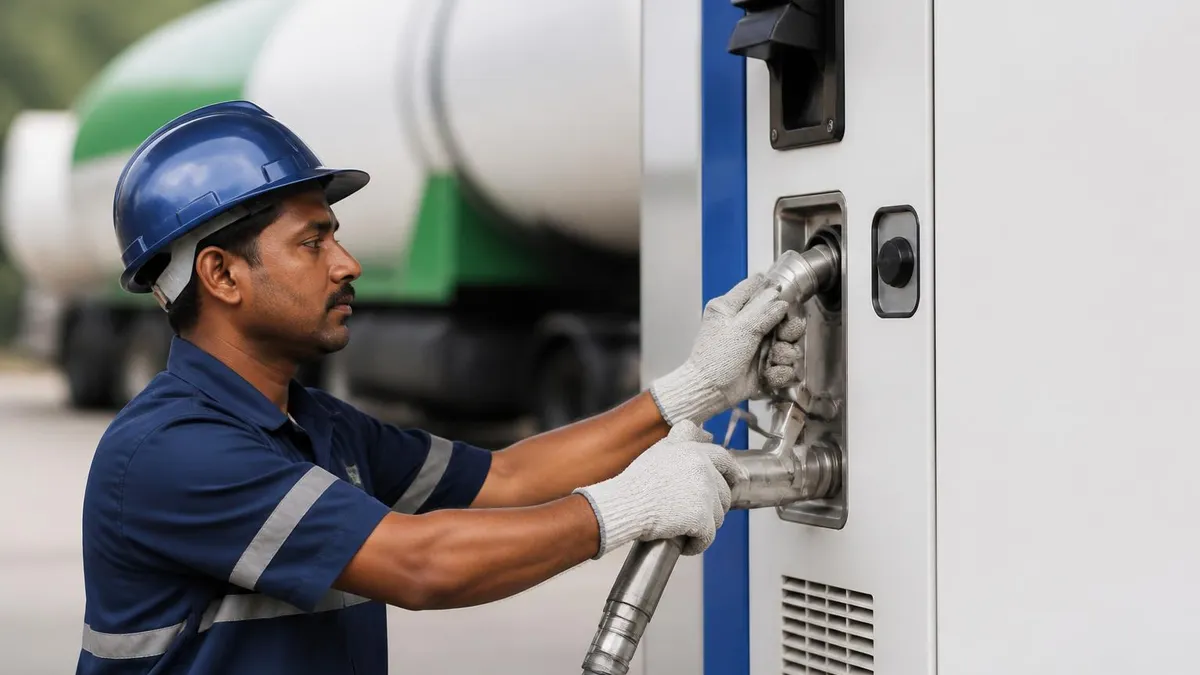
CNG Trucks for Sale: Complete Buyer's Guide to New and Used Compressed Natural Gas Vehicles

CNG Fuel Injectors: How They Work, Types, Maintenance, and What Every Fleet Owner Needs to Know
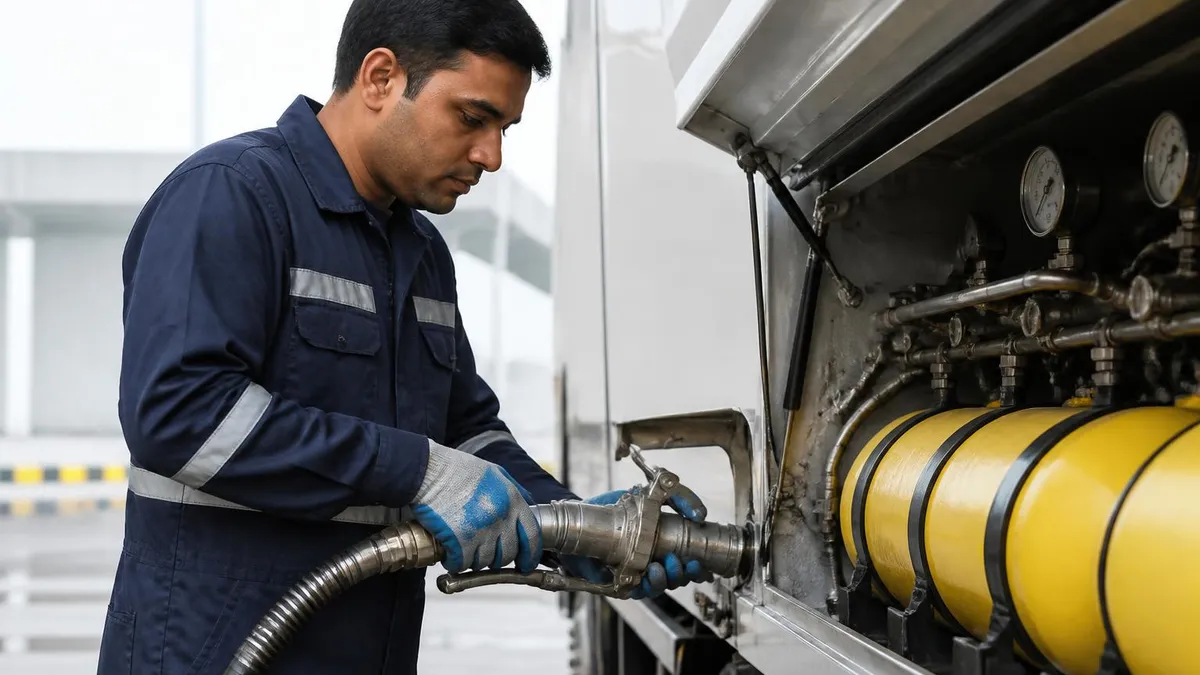
CNG Car: How Compressed Natural Gas Vehicles Work, Benefits, Costs, Available Models, and Safety
About the Author

Educational Psychologist & Academic Test Preparation Expert
Columbia University Teachers CollegeDr. Lisa Patel holds a Doctorate in Education from Columbia University Teachers College and has spent 17 years researching standardized test design and academic assessment. She has developed preparation programs for SAT, ACT, GRE, LSAT, UCAT, and numerous professional licensing exams, helping students of all backgrounds achieve their target scores.
Join the Discussion
Connect with other students preparing for this exam. Share tips, ask questions, and get advice from people who have been there.
View discussion (8 replies)