
CMRP Udemy Courses: The Complete Training Guide for CMRP Certification in 2026 October
Find the best CMRP Udemy courses, practice exams, and study strategies. 🎯 Complete guide to earning your CMRP certification in 2026 October.

If you are searching for CMRP Udemy courses to help you pass the Certified Maintenance and Reliability Professional exam, you are already thinking strategically about your career. The cmrp credential, awarded by the Society for Maintenance and Reliability Professionals (SMRP), is one of the most respected certifications in industrial maintenance. Udemy has become a popular starting point for candidates because its self-paced, affordable video courses allow busy maintenance professionals to study around demanding shift schedules without committing to expensive in-person boot camps.
Before diving into what Udemy offers, it helps to understand exactly what the CMRP exam tests. The exam covers five body of knowledge domains: Business and Management Strategy, Manufacturing Process Reliability, Equipment Reliability, Organization and Leadership, and Work Management. Each domain carries a specific percentage weight on the 110-question exam. When evaluating any Udemy course for CMRP preparation, your first step should be checking whether the instructor explicitly maps lessons to these five domains, because a course that skips even one domain leaves a measurable gap in your readiness.
The appeal of Udemy for CMRP study is undeniable from a cost perspective. While SMRP-authorized training programs and live workshops can run $1,500 to $3,500, a comprehensive Udemy course often costs between $15 and $200 when purchased during a sale event. That price differential matters to maintenance technicians and reliability engineers who may be self-funding their professional development rather than receiving employer reimbursement. However, price alone should never drive your course selection decision, because a cheap course that misrepresents exam content will cost you far more in retake fees and additional study time.
One critical consideration that many candidates overlook is the difference between Udemy courses authored by independent instructors and materials endorsed or developed in partnership with SMRP itself. SMRP publishes an official Body of Knowledge document that defines every testable concept on the CMRP exam. Any Udemy course worth your time should cite this document explicitly and demonstrate alignment with the most recent version. The body of knowledge is updated periodically, so courses published before a revision cycle may contain outdated content that no longer matches current exam blueprints.
The CMRP exam is administered by SMRP at Pearson VUE testing centers, and eligibility requires either a high school diploma with five years of maintenance and reliability work experience or a two-year or four-year degree with three years of relevant experience. This means candidates arriving at Udemy already carry substantial hands-on knowledge. The best Udemy courses for CMRP preparation are therefore not introductory reliability textbooks in video form — they are structured, exam-focused review programs that help experienced professionals translate what they know on the job into the precise terminology and frameworks that appear on the actual test.
In the CMRP air force and defense maintenance communities, reliability professionals frequently use Udemy as a supplemental resource alongside technical manuals, because the platform allows learners to pause, rewind, and revisit specific concepts as many times as needed. This flexibility is especially valuable when studying equipment reliability topics like Failure Mode and Effects Analysis (FMEA), Root Cause Analysis (RCA), and Overall Equipment Effectiveness (OEE), which require both conceptual understanding and the ability to apply quantitative formulas under time pressure.
Throughout this guide, we will walk you through how to evaluate CMRP Udemy courses, how to structure a realistic study schedule using online resources, what to look for in practice questions, and how to combine Udemy video content with hands-on practice tests to maximize your probability of passing on your first attempt. Whether you have six weeks or six months before your exam date, the strategies here will help you invest your study time where it matters most.
CMRP Certification by the Numbers
Key Facts at a Glance
| Item | Value | Details |
|---|---|---|
| Exam Questions | 110 | Multiple choice format |
| Exam Duration | 3 hrs | Pearson VUE test center |
| Knowledge Domains | 5 | SMRP Body of Knowledge |

CMRP Exam Format & Domain Breakdown
| Section | Questions | Time | Weight | Notes |
|---|---|---|---|---|
| Business and Management Strategy | 15 | ~27 min | 14% | KPIs, budgeting, strategic planning |
| Manufacturing Process Reliability | 20 | ~33 min | 18% | OEE, process control, production reliability |
| Equipment Reliability | 30 | ~49 min | 27% | FMEA, RCA, predictive maintenance |
| Organization and Leadership | 20 | ~33 min | 18% | Change management, team development |
| Work Management | 25 | ~38 min | 23% | CMMS, planning, scheduling, MRO |
| Total | 110 | 3 hours | 100% |
Choosing the right CMRP Udemy course requires a structured evaluation process rather than simply picking the highest-rated option. Start by checking the course publication date and most recent update. Udemy instructors can update their courses without notice, but if a course was last revised more than two years ago and the SMRP Body of Knowledge has been updated since then, the material may not reflect current exam weighting. Look in the course description for explicit references to the SMRP BOK version number — instructors who track this detail are generally more diligent about content accuracy overall.
The instructor's credentials matter enormously when evaluating cmrp certification prep materials. Look for instructors who hold the CMRP credential themselves, have verifiable industry experience in maintenance and reliability roles, and ideally have a track record of students reporting exam success in the course reviews section. Be cautious of courses taught by instructors who have generic project management backgrounds but limited maintenance engineering experience — the nuanced terminology around predictive maintenance technologies, lubrication management, and vibration analysis requires practitioner-level familiarity that cannot be learned from textbooks alone.
Pay close attention to the practice question quality within any Udemy CMRP course. The best courses include scenario-based questions that mirror the application-level thinking required on the actual exam, not just recall-level definitions. For example, a strong practice question might present a multi-machine production scenario and ask you to calculate OEE or identify which failure mode analysis approach is most appropriate given specific constraints. Questions that simply ask you to define FMEA or list the steps of RCA are too shallow to prepare you for real exam difficulty.
Course length is another useful signal, but interpret it carefully. A 15-hour Udemy course covering all five CMRP domains is not necessarily better than a focused 8-hour course if the longer course pads runtime with tangential material or overly slow pacing. When previewing course content, look at the granularity of section titles. A well-structured course will have individual lessons titled with specific concepts like "Calculating Mean Time Between Failures" or "Applying P-F Interval Analysis" rather than broad headings like "Equipment Reliability Overview." That specificity indicates the instructor has mapped content to testable knowledge points rather than providing a general survey.
Student reviews on Udemy should be read with a critical eye. Filter for reviews that mention the CMRP exam specifically and note whether reviewers describe passing the exam, feeling well-prepared, or encountering significant gaps between course content and actual test questions. Reviews that simply say "great instructor" or "good explanations" provide limited signal about exam alignment. Also look at negative reviews carefully — a pattern of reviewers mentioning that the course does not align with the current exam blueprint is a significant red flag that should influence your decision.
Many serious CMRP candidates use Udemy courses as one layer of a multi-resource study system rather than as their sole preparation tool. A common and effective approach is to use a Udemy video course for initial concept introduction and domain mapping, supplement it with the SMRP official study guide for authoritative definitions and terminology, and then use dedicated practice test platforms like PracticeTestGeeks for high-volume question drilling in the final four to six weeks before the exam. This layered approach ensures you build conceptual understanding, terminology accuracy, and test-taking stamina simultaneously rather than over-relying on any single resource type.
Budget-conscious candidates should time their Udemy purchases strategically. Udemy runs promotional sales that discount courses by up to 90% multiple times per year, and courses typically return to their discounted price within days even if the sale appears to have ended. Paying full list price for a Udemy course is almost never necessary. Set a price alert or bookmark the course and check back after a few days — the savings can fund several months of additional practice test subscriptions, which may ultimately do more for your score than another video course would.
CMRP Study Strategies: Video, Practice Tests, and Hands-On Review
Udemy video courses work best in the first four to eight weeks of CMRP exam preparation, when your goal is building a mental map of all five knowledge domains. Watch each section at 1.25x to 1.5x speed to maintain engagement, and pause after each lesson to write a three-sentence summary in your own words. This retrieval practice forces your brain to consolidate new information rather than passively absorbing it, which research consistently shows improves long-term retention and exam performance significantly.
Organize your video notes by SMRP domain rather than by course chapter, because many instructors structure their content differently from the official exam blueprint. Create a running document with tabs for each of the five domains — Business and Management Strategy, Manufacturing Process Reliability, Equipment Reliability, Organization and Leadership, and Work Management — and file your lesson notes under the appropriate domain as you complete each video module. This organization pays dividends when you begin targeted review sessions and need to quickly locate material on specific topics like predictive maintenance intervals or CMMS configuration best practices.
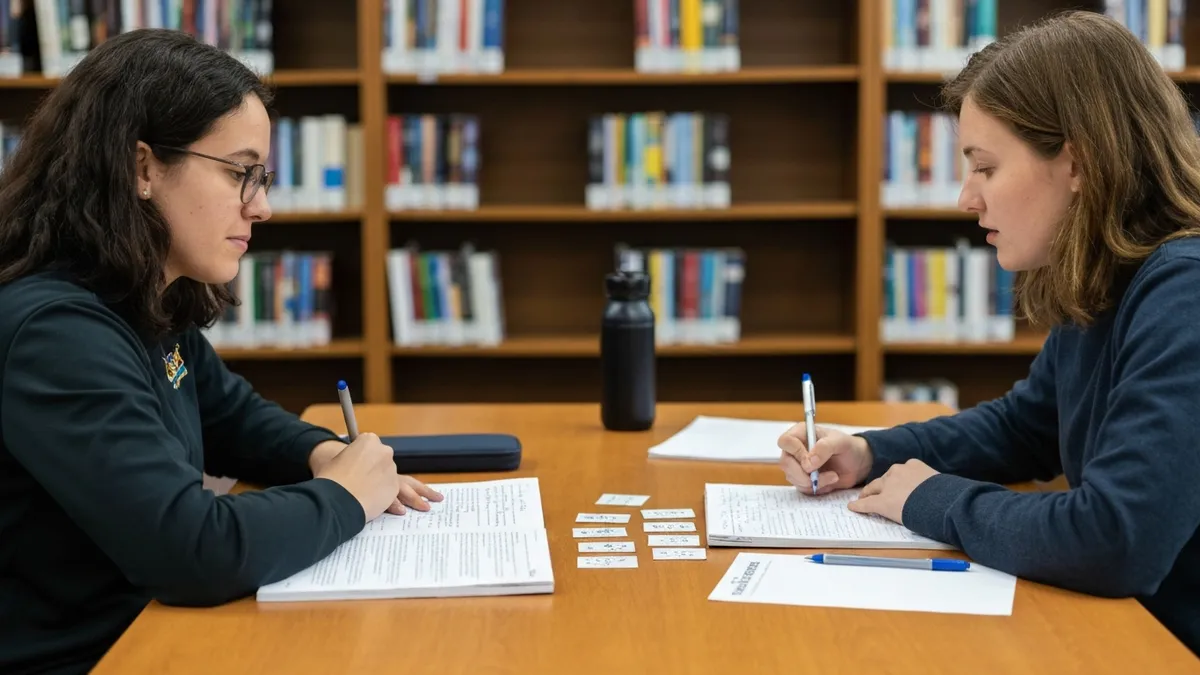
CMRP Udemy Courses: Pros and Cons vs. Other Prep Methods
- +Extremely affordable compared to live workshops, often $15-$50 during frequent sale events
- +Self-paced format accommodates shift workers and candidates with unpredictable schedules
- +Lifetime access allows unlimited replays of difficult concepts throughout your preparation period
- +Wide variety of instructors and course styles lets you find a teaching approach that matches your learning preference
- +Mobile app access means you can study during commutes, lunch breaks, or downtime between maintenance tasks
- +Some courses include downloadable study guides and reference sheets that complement video content
- −No official SMRP endorsement means quality varies dramatically between courses and instructors
- −Courses may become outdated after SMRP Body of Knowledge revision cycles without clear notification
- −Video-only format without structured accountability can lead to procrastination and incomplete study
- −Practice questions bundled in Udemy courses are often lower volume and less rigorous than dedicated exam prep platforms
- −Instructor credentials and actual CMRP exam experience are not verified by Udemy's platform
- −Cannot replace hands-on lab experience, in-person networking with SMRP peers, or official SMRP review workshops
CMRP Exam Prep Checklist: From Udemy Enrollment to Exam Day
- ✓Verify your CMRP eligibility with SMRP before purchasing any courses or scheduling your exam date
- ✓Download the current SMRP Body of Knowledge document and use it as your master content outline
- ✓Select a Udemy course taught by a credentialed CMRP holder with verifiable maintenance industry experience
- ✓Complete all five domain modules in the Udemy course and take notes organized by SMRP domain
- ✓Schedule your Pearson VUE exam appointment at least 6-8 weeks out to create a firm study deadline
- ✓Begin timed practice tests after completing domain video review, targeting 50+ questions per session
- ✓Track wrong answers by domain and schedule targeted Udemy re-review sessions for weak areas
- ✓Complete at least 500 unique CMRP practice questions before your scheduled exam date
- ✓Review CMRP Air Force and defense maintenance applications if your work experience includes military contracts
- ✓Simulate full 3-hour timed practice exams in the final two weeks to build stamina and time management skills

Practice Questions Beat Video Hours for Exam Score Improvement
Research on professional certification preparation consistently shows that candidates who spend at least 40% of their total study time on active practice testing — rather than passive video watching — score significantly higher on their first attempt. For the CMRP exam, completing 500+ unique practice questions before exam day is the single most reliable predictor of passing. Use Udemy courses to build your foundational knowledge map, then shift aggressively to practice testing in your final four to six weeks.
When comparing CMRP Udemy courses against other training options available to maintenance and reliability professionals, the decision should be driven by your specific learning style, available budget, time horizon before your exam, and the depth of gaps in your current domain knowledge. Udemy occupies a valuable middle ground between completely self-directed study using only the SMRP BOK and books, and expensive instructor-led live training programs that provide structured accountability and peer interaction at a significantly higher price point.
SMRP itself offers authorized training workshops, typically two to three days in duration and priced between $1,200 and $2,500 depending on location and format. These workshops are taught by experienced CMRP credential holders and are explicitly aligned to the current exam blueprint. The structured format, live Q&A with instructors, and networking with other candidates provide value that no Udemy course can fully replicate. However, for candidates who cannot take time off work for a multi-day workshop or who live far from training locations, Udemy provides a viable and substantially more flexible alternative that covers similar conceptual ground.
Community college and university professional development programs occasionally offer SMRP-aligned reliability engineering courses that carry continuing education credits. These programs typically span several weeks, meet weekly, and cost between $300 and $800. They offer more structure and instructor accountability than Udemy but less scheduling flexibility. Some maintenance professionals use this type of program as a bridge between Udemy self-study and the actual exam, particularly if they prefer human interaction and real-time feedback on their understanding of complex topics like predictive maintenance technology selection or shutdown planning optimization.
For the cmrp exam, the most cost-effective preparation strategy for the majority of candidates combines a quality Udemy course (for structured domain review), the official SMRP study materials (for authoritative terminology and exam-aligned content), and a dedicated practice test platform (for question volume and gap identification). This three-resource combination typically totals between $100 and $400, representing excellent value relative to the career salary impact of earning the CMRP designation, which SMRP reports correlates with 10% to 20% higher compensation for certified professionals compared to uncertified peers with similar experience levels.
Online study groups and SMRP local chapter events also deserve mention as complementary resources that work well alongside Udemy preparation. SMRP chapters in many cities host monthly meetings where CMRP candidates and certified professionals share study tips, discuss exam experiences, and sometimes organize informal group study sessions. These peer networks provide two valuable benefits: accountability that reduces procrastination risk during long self-study campaigns, and access to insider perspective on which exam topics require deeper preparation than the official BOK weighting might suggest.
LinkedIn Learning and other professional development platforms have also entered the CMRP preparation space with courses taught by subject matter experts. Like Udemy, these platforms vary significantly in course quality and exam alignment. LinkedIn Learning courses tend to skew toward managerial and strategic reliability topics, making them particularly useful for Business and Management Strategy domain preparation but less comprehensive for the heavily technical Equipment Reliability and Manufacturing Process Reliability sections that together account for 45% of the exam. A candidate who works primarily in strategic or leadership roles might find LinkedIn Learning a useful Udemy complement for their specific gaps.
Ultimately, the choice of training resources for CMRP preparation should be made based on an honest self-assessment of where your knowledge currently stands relative to each of the five exam domains. Maintenance professionals with deep technical backgrounds often find that Equipment Reliability content in Udemy courses is review material they can cover quickly, while Business and Management Strategy content requires more time.
Conversely, reliability managers and engineers in planning roles frequently need to spend extra time on the technical predictive maintenance technology content that technicians and specialists know from daily practice. Identify your domain strengths and gaps first, then choose resources that address your specific profile rather than following a one-size-fits-all approach.
Before purchasing any CMRP Udemy course or scheduling your exam, confirm that you meet SMRP's eligibility requirements: a high school diploma plus five years of maintenance and reliability work experience, OR a two-year or four-year degree plus three years of relevant experience. SMRP verifies these requirements during the application review process, and applications that do not meet the criteria are rejected with non-refundable application fees. Review your work history documentation before submitting — gaps or ambiguities in experience records are a common cause of application delays.
The final six weeks before your CMRP exam date should look significantly different from your earlier study months, and candidates who fail to shift their approach in this period frequently report feeling underprepared despite having completed multiple Udemy courses. In the final six weeks, your primary activity should be high-volume practice testing with deep review of incorrect answers, not consuming new video content. The goal is no longer to learn new information — it is to consolidate, apply, and retrieve everything you have already studied with speed and accuracy under realistic exam conditions.
Create a structured final preparation calendar that allocates specific days to each of the five CMRP domains based on your identified weakness profile. If your practice test analytics show that you are consistently scoring below 65% on Equipment Reliability questions, allocate three to four of your six remaining weeks heavily to that domain while maintaining review sessions for your stronger areas. Many candidates make the mistake of studying what they already know well because it feels productive — resist this tendency and relentlessly focus on your weakest domains where marginal improvement yields the highest score gains.
Time management during the actual 3-hour, 110-question exam is a skill that must be practiced explicitly, not assumed. At 110 questions in 180 minutes, you have approximately 1 minute and 38 seconds per question. In practice, you will answer some questions in 30 seconds and others will require 3 minutes of careful analysis.
The discipline to skip and flag genuinely difficult questions rather than spending 5 minutes stuck on one item — potentially sacrificing time for easier questions later in the exam — must be rehearsed repeatedly before exam day. Always complete full-length timed practice exams in your final two weeks to build this automatic pacing awareness.
For cmrp air force candidates and military maintenance professionals, the Equipment Reliability and Work Management domains often contain the highest concentration of familiar content given the rigorous preventive and predictive maintenance programs standard in defense maintenance environments. However, the Business and Management Strategy domain — which covers KPI development, capital budget justification, and strategic planning frameworks — may feel abstract relative to military maintenance culture where budget decisions are made through chain-of-command processes rather than business case analysis. Allocate extra preparation time to these strategic content areas if your background is primarily military technical maintenance.
Sleep, nutrition, and physical preparation in the 48 hours before your exam date have a measurable impact on cognitive performance that most candidates underestimate. Avoid the temptation to cram new material on the night before your exam — this strategy increases anxiety without meaningfully improving your knowledge base.
Instead, spend that evening doing a light 30-minute review of your summary notes for your two strongest domains to build confidence, then prioritize a full night of sleep. Arrive at your Pearson VUE test center at least 15 minutes early to complete check-in procedures without stress, and bring a valid government-issued photo ID as required for testing center admission.
If you have been using Udemy courses as part of a multi-resource CMRP study system, take time in the final week to revisit the course reviews and any downloadable reference materials the instructor provided. Some Udemy CMRP instructors include formula sheets, acronym glossaries, or domain summary PDFs that are highly efficient last-week review tools. These condensed references can surface forgotten details about topics like mean time to repair calculations, P-F curve interpretation, or cost-benefit frameworks for maintenance strategy selection that might appear on exam questions you would otherwise struggle to answer confidently.
After completing the exam, SMRP notifies candidates of their pass or fail result immediately at the testing center. If you pass, your CMRP credential is active and requires renewal every three years through continuing education units. If you do not pass on your first attempt, you can retest after 90 days, and your score report will indicate performance by domain to guide your remediation study.
Many candidates who do not pass on their first attempt find that their Udemy courses and practice test records provide an efficient foundation for targeted remediation — they do not need to start over from scratch, only to address the specific domain gaps the score report reveals.
Building sustainable study habits is perhaps the most underrated element of successful CMRP preparation, particularly for maintenance professionals who work rotating shifts, respond to equipment emergencies, and carry significant on-call responsibilities that make consistent study schedules difficult to maintain. The candidates who pass the CMRP exam on their first attempt are rarely those who studied the most total hours — they are the ones who studied consistently over the longest preparation window without burning out or losing momentum months before their exam date.
A realistic CMRP study schedule for working maintenance professionals allocates 8 to 12 hours per week over 12 to 16 weeks of preparation. Front-load your schedule with video content consumption and domain mapping in weeks one through eight, then shift progressively toward practice testing in weeks nine through sixteen. This structure mirrors how the brain consolidates complex professional knowledge: initial exposure builds the schema, and repeated retrieval practice through testing strengthens the neural pathways that allow you to access that knowledge quickly and accurately under pressure.
Mobile learning using the Udemy app on your smartphone is one of the most practical strategies for maintenance professionals who have limited blocks of uninterrupted study time. A 20-minute lesson during a lunch break, 15 minutes of practice questions while waiting for a parts delivery, and 30 minutes of note review after your shift can accumulate to 6+ hours of study per week without requiring any large dedicated time blocks. The key is transforming otherwise idle minutes throughout your workday into intentional micro-study sessions that consistently advance your preparation progress over the weeks and months leading to your exam.
Accountability partnerships with colleagues who are also pursuing the CMRP credential can dramatically improve study consistency and motivation. If your workplace has multiple maintenance professionals interested in CMRP certification, consider forming a small study group that meets weekly — even informally over lunch or before a shift — to discuss Udemy course content, share practice test experiences, and quiz each other on domain terminology. The social accountability of knowing that peers are tracking your progress reduces the procrastination risk that derails many solo self-study attempts.
Track your preparation progress quantitatively rather than just qualitatively. Keep a simple spreadsheet logging the date, number of practice questions completed, your score percentage by domain, and time spent on each study session. Reviewing this log weekly reveals trends that are invisible without data: are your Equipment Reliability scores improving consistently, or have they plateaued despite continued study? Is your study time actually translating to score improvement, or are you spending hours on domains where you are already proficient? Data-driven preparation allows you to make real-time adjustments to your study plan rather than discovering critical gaps only on exam day.
Finally, remember that the CMRP certification is designed to recognize experienced maintenance and reliability professionals who already have deep practical expertise — the exam tests whether you can articulate and apply that expertise using the SMRP Body of Knowledge framework. The best Udemy courses for CMRP preparation do not teach you maintenance from scratch; they help you map what you already know onto the specific terminology, analytical frameworks, and decision-making models that the SMRP exam measures.
Approach your Udemy studies as a translation exercise — translating your hard-won workplace knowledge into the professional language of SMRP reliability best practices — and you will find the certification process far more manageable than it may initially appear.
The investment of time, money, and mental energy that you put into CMRP preparation through Udemy courses, practice tests, and structured study creates value that compounds throughout your career. The CMRP designation signals to employers, customers, and peers that you have achieved a nationally recognized standard of professional competence in maintenance and reliability management.
Maintenance professionals who earn the CMRP report higher job satisfaction, stronger negotiating use in salary discussions, and broader career opportunities across industries — from manufacturing and energy to defense contractors and facilities management. The path through Udemy is simply one of several effective routes to that destination.
CMRP Questions and Answers

How to Get CMRP Certified: Complete Step-by-Step Guide for 2026

CMRP Certification Cost: Complete 2026 Breakdown of Fees, Training, and Hidden Expenses

FREE Ultimate CMRP Certification Question and Answers

CMRP Exam 2026: Complete Guide to the Certified Maintenance & Reliability Professional Certification
CMRP Practice Test PDF (Free Printable 2026)
About the Author

Educational Psychologist & Academic Test Preparation Expert
Columbia University Teachers CollegeDr. Lisa Patel holds a Doctorate in Education from Columbia University Teachers College and has spent 17 years researching standardized test design and academic assessment. She has developed preparation programs for SAT, ACT, GRE, LSAT, UCAT, and numerous professional licensing exams, helping students of all backgrounds achieve their target scores.