

CWI Practice Test
Updated for September 2026Climbing has grown in popularity as both a recreational and competitive sport, making the role of the Climbing Wall Instructor (CWI) essential for ensuring safety, skill development, and an enjoyable experience for climbers. The CWI certification is a respected credential that validates an instructor’s ability to teach climbing techniques, manage climbing facilities, and oversee safety protocols.
Passing the CWI test demonstrates your competence in instructing climbers of all levels, operating climbing equipment, and responding to emergencies. It also opens doors to rewarding careers in climbing gyms, outdoor education programs, and recreational centers.
CWI Practice Test Questions
Prepare for the CWI - Climbing Wall Instructor exam with our free practice test modules. Each quiz covers key topics to help you pass on your first try.
CWI Client Assessment & Goal Setting
CWI Exam Questions covering Client Assessment & Goal Setting. Master CWI Test concepts for certification prep.
CWI Client Communication & Supervision
Free CWI Practice Test featuring Client Communication & Supervision. Improve your CWI Exam score with mock test prep.
CWI Climbing Wall Safety & Equipment
CWI Mock Exam on Climbing Wall Safety & Equipment. CWI Study Guide questions to pass on your first try.
CWI Climbing Techniques & Movement Skills
CWI Test Prep for CWI Climbing Techniques & Movement Skills. Practice CWI Quiz questions and boost your score.
CWI Facility Management & Operations
CWI Questions and Answers on CWI Facility Management & Operations. Free CWI practice for exam readiness.
CWI Exercise Science & Physiology
CWI Mock Test covering Exercise Science & Physiology. Online CWI Test practice with instant feedback.
CWI Instructional Techniques & Skills Deve...
Free CWI Quiz on Instructional Techniques & Skills Development. CWI Exam prep questions with detailed explanations.
CWI Program Design & Periodization
CWI Practice Questions for Program Design & Periodization. Build confidence for your CWI certification exam.
CWI Risk Assessment & Emergency Procedures
CWI Test Online for Risk Assessment & Emergency Procedures. Free practice with instant results and feedback.
Key Takeaways
Free CWI Practice Test Online
The CWI test evaluates knowledge and skills in climbing instruction, safety, and equipment handling.
Candidates must understand climbing techniques, belaying, rope management, and emergency procedures.
Preparation involves hands-on training, studying safety standards, and practicing instructional methods.
Certification enhances employment opportunities in climbing facilities and outdoor education.
CWIs play a vital role in promoting safe climbing environments and developing climber confidence.
Understanding the CWI Certification and Test
The Climbing Wall Instructor certification is provided by organizations such as the Climbing Wall Association (CWA) and the American Mountain Guides Association (AMGA). The certification is designed for individuals responsible for instructing and supervising climbers in indoor or outdoor climbing environments.
The test assesses the candidate’s ability to:
Teach climbing techniques effectively
Use climbing equipment safely and competently
Conduct belaying and rope management
Recognize and respond to climbing hazards
Implement emergency and rescue procedures
Communicate clearly and motivate climbers
This certification is widely recognized by climbing facilities as a mark of professionalism and safety.
Eligibility and Requirements for the CWI Test
Eligibility requirements for the CWI certification typically include:
Minimum Age
Candidates must usually be at least 18 years old.Physical Fitness
Good physical condition and climbing ability are necessary.Prior Climbing Experience
Experience in climbing and belaying is recommended.Completion of Training Courses
Candidates should attend approved CWI training programs that combine theory and practice.Passing the CWI Test
The test includes practical demonstrations and written or oral exams.
Meeting these requirements ensures that candidates are prepared to instruct climbers safely and effectively.
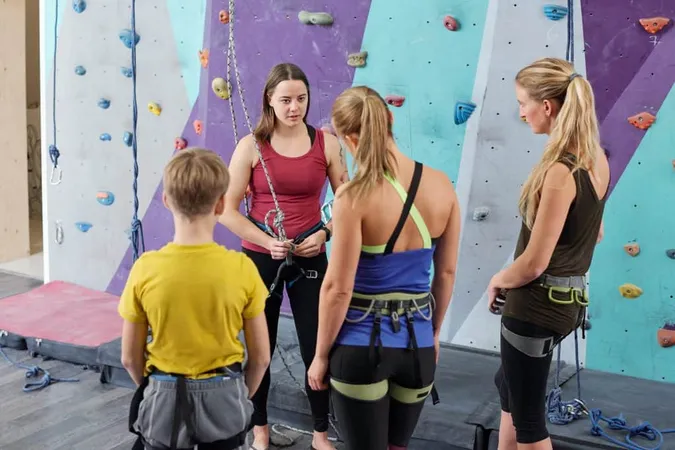
Preparing for the CWI Test
Effective preparation for the CWI exam involves:
Enroll in a CWI Training Course
Attend courses accredited by recognized organizations to receive comprehensive instruction.Practice Climbing and Belaying Techniques
Develop proficiency in various climbing styles, knot tying, and rope handling.Study Safety and Emergency Protocols
Understand inspection procedures, hazard identification, and rescue techniques.Review Instructional Methods
Learn how to communicate clearly, teach skills progressively, and manage groups.Gain Practical Experience
Spend time in climbing gyms or outdoor settings to apply your skills under supervision.Use Practice Exams and Scenario Simulations
Familiarize yourself with test formats and problem-solving scenarios.
Career Benefits of CWI Certification
Obtaining the CWI certification offers numerous advantages:
Access to Job Opportunities
Certified instructors are preferred for positions at climbing gyms, outdoor adventure centers, and educational programs.Enhanced Professional Credibility
Certification signals your expertise and commitment to safety.Competitive Salary Potential
Certified instructors often command higher wages and better job benefits.Opportunities for Career Advancement
Certification can lead to roles in program management, coaching, and specialized instruction.Contribution to Community Safety
CWIs help create safe climbing environments, reducing accidents and injuries.
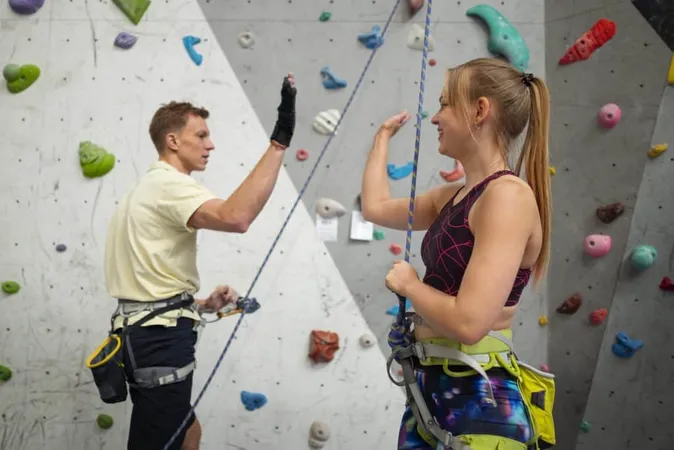
Responsibilities of a Certified Climbing Wall Instructor
Certified climbing wall instructors typically:
Teach climbing and belaying skills to beginners and advanced climbers
Monitor climbing activities to ensure adherence to safety protocols
Maintain and inspect climbing equipment regularly
Provide guidance and encouragement to climbers
Conduct emergency response and rescue operations when necessary
Educate clients on climbing ethics and facility rules
Strong communication and leadership skills are essential to succeed in this role.

Conclusion
Becoming a Certified Climbing Wall Instructor is a rewarding path for those passionate about climbing and teaching. With thorough preparation, practical experience, and a commitment to safety, you can pass the CWI test and embark on a fulfilling career helping others discover the joys and challenges of climbing. Certification not only enhances your professional standing but also contributes to safer, more enjoyable climbing environments for all.
CWI: Pros and Cons
- +cwi — cWI exam preparation strengthens your knowledge across all domains
- +Passing the exam proves competency to employers and clients
- +Study materials and practice tests are widely available
- +Exam-based credentials are portable across states and employers
- +Clear exam objectives help focus your study plan effectively
- −Exam anxiety can affect performance — practice tests help reduce it
- −Registration fees are non-refundable if you miss your test date
- −Limited retake opportunities may apply with waiting periods
- −Exam content updates periodically — use current study materials
- −Testing center availability may require advance scheduling
(CWI) Climbing Wall Instructor Questions and Answers
About the Author

Certified Professional Development Expert & Niche Certification Advisor
University of Pennsylvania Graduate School of EducationDr. Alexandra Kim holds a PhD in Professional Studies from the University of Pennsylvania and is a Certified Professional in Learning and Performance (CPLP) and Certified Professional in Talent Development (CPTD). With 17 years of corporate training and professional certification advisory experience, she helps professionals navigate specialized, emerging, and cross-industry certification programs.
Join the Discussion
Connect with other students preparing for this exam. Share tips, ask questions, and get advice from people who have been there.
View discussion (8 replies)