

Climate Change Practice Test
Updated for September 2026Climate change is one of the most pressing issues of our time, impacting ecosystems, economies, and human health globally. With the growing need for climate literacy, many educational institutions are incorporating climate change exams into their curricula. This guide provides essential insights and strategies to help you master the climate change exam, ensuring a solid understanding of the topic.
Climate Change Practice Test Questions
Prepare for the Climate Change exam with our free practice test modules. Each quiz covers key topics to help you pass on your first try.
Climate Change Adaptation & Resilience
Climate Change Exam Questions covering Adaptation & Resilience. Master Climate Change Test concepts for certification prep.
Climate Change Biodiversity & Ecosystem Pr...
Free Climate Change Practice Test featuring Biodiversity & Ecosystem Protection. Improve your Climate Change Exam score with mock test prep.
Climate Change Causes & Effects
Climate Change Mock Exam on Causes & Effects. Climate Change Study Guide questions to pass on your first try.
Climate Change Agriculture & Food Systems
Climate Change Test Prep for Climate Change Agriculture & Food Systems. Practice Climate Change Quiz questions and boost your score.
Climate Change Carbon Markets & Finance
Climate Change Questions and Answers on Climate Change Carbon Markets & Finance. Free Climate Change practice for exam readiness.
Climate Change Climate Science & Atmospher...
Climate Change Mock Test covering Climate Science & Atmospheric Systems. Online Climate Change Test practice with instant feedback.
Climate Change Environmental Law & Regulat...
Free Climate Change Quiz on Environmental Law & Regulations. Climate Change Exam prep questions with detailed explanations.
Climate Change Environmental Science Funda...
Climate Change Practice Questions for Environmental Science Fundamentals. Build confidence for your Climate Change certification exam.
Climate Change Mitigation Plans
Climate Change Test Online for Mitigation Plans. Free practice with instant results and feedback.
Climate Change Ocean & Marine Systems
Climate Change Study Material on Ocean & Marine Systems. Prepare effectively with real exam-style questions.
Climate Change Policy & Advocacy
Free Climate Change Test covering Policy & Advocacy. Practice and track your Climate Change exam readiness.
Climate Change Renewable Energy Technologies
Climate Change Exam Questions covering Renewable Energy Technologies. Master Climate Change Test concepts for certification prep.
Climate Change Sustainability Metrics & Re...
Free Climate Change Practice Test featuring Sustainability Metrics & Reporting. Improve your Climate Change Exam score with mock test prep.
Key Takeaways
Free Climate Change Practice Test Online
Climate change is driven by human activities that increase greenhouse gases, leading to global warming and weather disruptions.
Mitigation and adaptation strategies are crucial to combating climate change.
Scientific evidence overwhelmingly confirms the reality of climate change.
Climate change impacts every facet of life, emphasizing the need for urgent global action.
What is Climate Change?
Climate change refers to long-term shifts in temperatures and weather patterns. These changes can be natural, such as through volcanic eruptions and solar cycles, but recent trends are primarily driven by human activities, including burning fossil fuels, deforestation, and industrial pollution. As a result, greenhouse gases like carbon dioxide and methane accumulate in the atmosphere, trapping heat and causing global warming.
Key points to remember:
-
Climate change encompasses global warming, but also includes changes in precipitation, sea level rise, and extreme weather events.
-
It affects natural ecosystems, agriculture, water resources, and human health.
-
The Intergovernmental Panel on Climate Change (IPCC) provides scientific assessments on climate change's impact and potential solutions.
- ✓Review the official Climate Change exam content outline
- ✓Take a diagnostic practice test to identify weak areas
- ✓Create a study schedule (4-8 weeks recommended)
- ✓Focus on your weakest domains first
- ✓Complete at least 3 full-length practice exams
- ✓Review all incorrect answers with detailed explanations
- ✓Take a final practice test 1 week before exam day
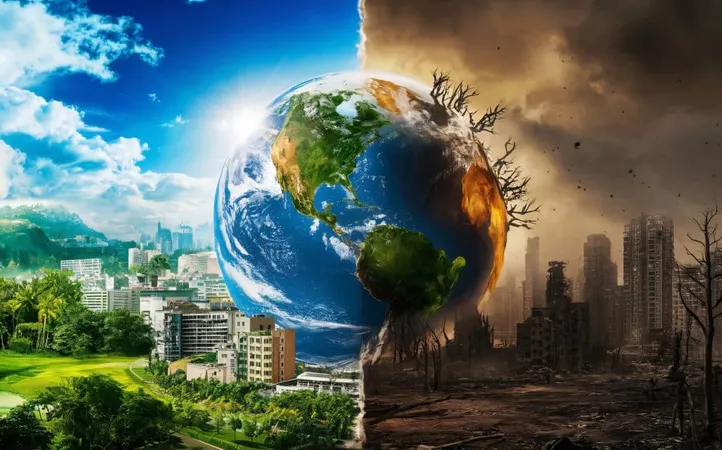
What Causes Climate Change?
The primary causes of climate change are human activities that release greenhouse gases into the atmosphere. These activities increase the concentration of heat-trapping gases, leading to global warming and climate disruptions.
Major contributors to climate change include:
Burning Fossil Fuels: Coal, oil, and natural gas combustion for energy and transportation emit carbon dioxide.
Deforestation: Trees absorb carbon dioxide; cutting them down releases stored carbon into the atmosphere.
Agriculture and Livestock: Methane emissions from livestock digestion and rice paddies, and nitrous oxide from fertilizers.
Industrial Processes: Chemical reactions during manufacturing release potent greenhouse gases.
Waste Management: Landfills produce methane as organic waste decomposes anaerobically.
How to Stop Climate Change
To combat climate change, coordinated global action is essential. This involves reducing greenhouse gas emissions, enhancing carbon sinks, and adapting to climate impacts.
Effective strategies include:
Transition to Renewable Energy: Solar, wind, and hydropower reduce reliance on fossil fuels.
Energy Efficiency: Improving energy use in industries, buildings, and transportation.
Afforestation and Reforestation: Planting trees to absorb atmospheric carbon dioxide.
Sustainable Agriculture: Reducing methane and nitrous oxide emissions through better farming practices.
International Agreements: Participating in global frameworks like the Paris Agreement to limit global temperature rise.
Is Climate Change Real?
Climate change is scientifically proven and widely recognized by the global scientific community. Multiple lines of evidence support its occurrence, including rising global temperatures, melting glaciers, sea level rise, and increased frequency of extreme weather events.
Evidence confirming climate change includes:
Temperature Records: The Earth's average surface temperature has increased by approximately 1.2°C since the late 19th century.
Ice Melt and Sea Level Rise: Arctic ice and glaciers are shrinking, contributing to rising sea levels.
Extreme Weather Events: Increased frequency and intensity of heatwaves, hurricanes, and floods.
Ocean Acidification: Higher carbon dioxide levels cause oceans to become more acidic, affecting marine life.
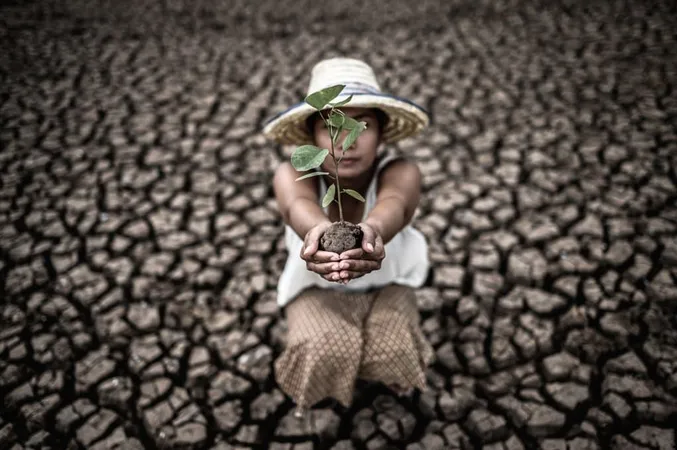
Why is Climate Change Important?
Climate change is crucial because it impacts all aspects of life, from ecosystems to human health and economies. Understanding and addressing it is essential for sustainable development and environmental conservation.
Importance of tackling climate change:
Human Health: Reduces heat-related illnesses and respiratory diseases caused by air pollution.
Economic Stability: Mitigates damage to infrastructure, agriculture, and water resources.
Biodiversity Conservation: Protects ecosystems and prevents species extinction.
Social Equity: Addresses the disproportionate impact on vulnerable communities and developing nations.

Conclusion
Climate change is an urgent global challenge that requires informed, collective action. By understanding its causes, consequences, and solutions, individuals and societies can contribute to a sustainable future. Acing the climate change exam involves mastering key concepts, staying updated with scientific findings, and critically analyzing climate policies.
Climate Change: Pros and Cons
- +Climate Change exam preparation strengthens your knowledge across all domains
- +Passing the exam proves competency to employers and clients
- +Study materials and practice tests are widely available
- +Exam-based credentials are portable across states and employers
- +Clear exam objectives help focus your study plan effectively
- −Exam anxiety can affect performance — practice tests help reduce it
- −Registration fees are non-refundable if you miss your test date
- −Limited retake opportunities may apply with waiting periods
- −Exam content updates periodically — use current study materials
- −Testing center availability may require advance scheduling
About the Author

Certified Professional Development Expert & Niche Certification Advisor
University of Pennsylvania Graduate School of EducationDr. Alexandra Kim holds a PhD in Professional Studies from the University of Pennsylvania and is a Certified Professional in Learning and Performance (CPLP) and Certified Professional in Talent Development (CPTD). With 17 years of corporate training and professional certification advisory experience, she helps professionals navigate specialized, emerging, and cross-industry certification programs.