

CIRO Practice Test
Updated for September 2026Industrial refrigeration plays a crucial role in a variety of sectors, from food processing and cold storage to pharmaceuticals and manufacturing. The need for skilled professionals who can safely and efficiently operate complex refrigeration systems is growing rapidly. This is where the Certified Industrial Refrigeration Operator (CIRO) designation becomes vital. The CIRO certification validates the technical knowledge and safety competencies of individuals responsible for operating and maintaining industrial refrigeration systems. It ensures operators understand critical procedures, equipment functionality, and safety protocols in alignment with industry standards and environmental regulations. This article offers an in-depth guide on becoming a CIRO, including what the certification entails, job descriptions, salaries, and associated exam costs.
CIRO Practice Test Questions
Prepare for the CIRO - Certified Industrial Refrigeration Operator exam with our free practice test modules. Each quiz covers key topics to help you pass on your first try.
CIRO Ammonia Safety & Emergency Response
CIRO Exam Questions covering Ammonia Safety & Emergency Response. Master CIRO Test concepts for certification prep.
CIRO Building Codes & Standards
Free CIRO Practice Test featuring Building Codes & Standards. Improve your CIRO Exam score with mock test prep.
CIRO Client Communication & Service
CIRO Mock Exam on Client Communication & Service. CIRO Study Guide questions to pass on your first try.
CIRO Energy Efficiency & System Optimization
CIRO Test Prep for Energy Efficiency & System Optimization. Practice CIRO Quiz questions and boost your score.
CIRO Installation Techniques & Methods
CIRO Questions and Answers on Installation Techniques & Methods. Free CIRO practice for exam readiness.
CIRO Maintenance & Repair Procedures
CIRO Mock Test covering Maintenance & Repair Procedures. Online CIRO Test practice with instant feedback.
CIRO Materials & Resource Management
Free CIRO Quiz on Materials & Resource Management. CIRO Exam prep questions with detailed explanations.
CIRO Process Control & Instrumentation
CIRO Practice Questions for Process Control & Instrumentation. Build confidence for your CIRO certification exam.
CIRO Project Estimation & Planning
CIRO Test Online for Project Estimation & Planning. Free practice with instant results and feedback.
CIRO Quality Control & Inspection
CIRO Study Material on Quality Control & Inspection. Prepare effectively with real exam-style questions.
CIRO Refrigeration System Fundamentals
Free CIRO Test covering Refrigeration System Fundamentals. Practice and track your CIRO exam readiness.
CIRO System Operations & Maintenance
CIRO Exam Questions covering System Operations & Maintenance. Master CIRO Test concepts for certification prep.
CIRO Tools & Equipment Operation
Free CIRO Practice Test featuring Tools & Equipment Operation. Improve your CIRO Exam score with mock test prep.
CIRO Energy Efficiency & Environmental Impact
CIRO Mock Exam on Energy Efficiency & Environmental Impact. CIRO Study Guide questions to pass on your first try.
CIRO Maintenance & Troubleshooting Techniques
CIRO Test Prep for Maintenance & Troubleshooting Techniques. Practice CIRO Quiz questions and boost your score.
Key Takeaways
Free CIRO Practice Test Online
The Certified Industrial Refrigeration Operator (CIRO) credential ensures operators possess the knowledge to safely manage industrial refrigeration systems.
Certification involves training, hands-on experience, and passing a proctored exam based on industrial safety, mechanical systems, and ammonia refrigeration standards.
CIROs work in food production, cold storage, HVAC companies, and manufacturing environments.
Certified professionals typically earn between $55,000 and $90,000 annually, depending on experience and location.
Certification and exam fees range from $300 to $600, with additional training costs depending on the course provider.
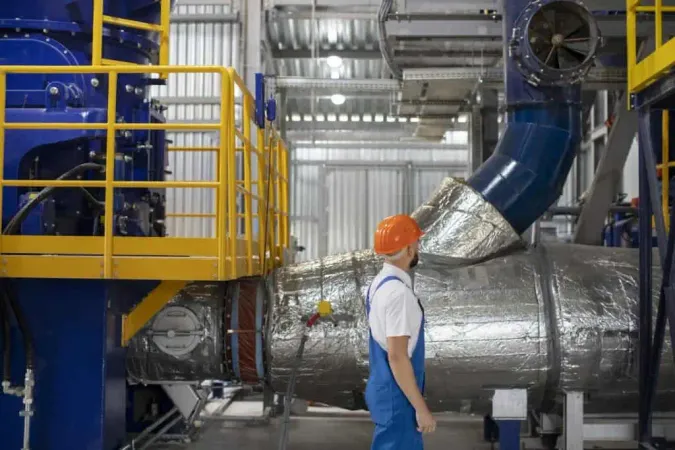
What is a Certified Industrial Refrigeration Operator?
A Certified Industrial Refrigeration Operator (CIRO) is a professional trained to monitor, maintain, and safely operate complex industrial refrigeration systems. These systems often use ammonia or CO₂ as refrigerants, which require stringent adherence to environmental and safety regulations.
The certification, offered by organizations like the Refrigerating Engineers and Technicians Association (RETA), verifies a candidate’s understanding of:
Refrigeration cycle principles and thermodynamics
Compressor, evaporator, and condenser operation
Control systems and electrical components
Safety practices, including emergency procedures and hazard mitigation
Regulatory compliance, including OSHA and EPA standards
A CIRO demonstrates professional competence in both theoretical knowledge and practical application, helping reduce risk and maintain operational efficiency across facilities.
CIRO Key Concepts
What is the passing score for the CIRO exam?
Most CIRO exams require 70-75% to pass. Check the official exam guide for exact requirements.
How long is the CIRO exam?
The CIRO exam typically allows 2-3 hours. Time management is critical for success.
How should I prepare for the CIRO exam?
Start with a diagnostic test, create a 4-8 week study plan, and take at least 3 full practice exams.
What topics does the CIRO exam cover?
The CIRO exam covers multiple domains. Review the official content outline for the complete list.
How to Become a Certified Industrial Refrigeration Operator
Becoming a CIRO involves both education and experience. The path typically includes the following steps:
Meet Eligibility Requirements
Candidates should have a high school diploma or equivalent and at least 1–2 years of hands-on experience working with industrial refrigeration systems. Some training programs may accept less experience if formal education is completed.Enroll in a CIRO Training Program
Training programs are offered through RETA or technical colleges and cover topics such as refrigeration theory, ammonia systems, safety practices, and troubleshooting techniques.
Study the CIRO Manual and Safety Standards
The official RETA CIRO study guide, as well as resources on PSM (Process Safety Management) and RMP (Risk Management Plan), are critical for preparation.
Register and Pass the CIRO Exam
The exam consists of multiple-choice questions that test knowledge in system operations, thermodynamics, controls, safety, and emergency response. It is proctored and may be administered online or at approved testing sites.
Maintain Certification
CIROs must renew their certification periodically, usually every three years, and meet continuing education or work experience requirements.
Job Description for Certified Industrial Refrigeration Operators
CIROs are responsible for the daily operation and maintenance of large-scale refrigeration systems. Their duties include:
-
Monitoring Equipment Performance
Ensure systems operate within temperature and pressure specifications by observing control panels, gauges, and digital monitoring systems. -
Routine Maintenance and Repairs
Perform preventive maintenance tasks such as oil changes, leak detection, lubrication, and replacement of worn parts.
Troubleshooting and Diagnostics
Identify and resolve mechanical, electrical, or operational issues to prevent system failures or downtime.
Ensuring Safety Compliance
Adhere to safety standards for ammonia refrigeration and manage emergency shutdown procedures in case of leaks or equipment failures.
Documentation and Reporting
Maintain accurate records of inspections, maintenance, and incidents for internal tracking and regulatory reporting.
Collaboration with Facility Teams
Coordinate with facility managers, safety officers, and engineers to ensure seamless operations and compliance.
CIROs typically work in environments like food processing plants, cold storage warehouses, and manufacturing facilities that rely on refrigeration for operations.
Salary Expectations for Certified Industrial Refrigeration Operators
Salaries for CIROs depend on experience, certification level, region, and industry. Nationally, average earnings are strong due to high demand and the specialized nature of the role.
Entry-Level Operators
With 1–3 years of experience, certified operators can expect to earn between $50,000 and $60,000 annually.Mid-Level CIROs
Those with 4–7 years of experience may earn between $65,000 and $80,000, especially if working in regulated industries like food processing or pharmaceuticals.Senior-Level Operators and Supervisors
Experienced professionals managing teams or large facilities can earn $85,000 to $100,000+ per year.Shift Differentials and Overtime
Many CIROs receive extra pay for night shifts, emergency call-ins, or working holidays.
Benefits may include union representation, health insurance, retirement plans, and paid training.
Exam Cost for Certified Industrial Refrigeration Operator
The cost of becoming a CIRO includes exam registration, training materials, and optional preparatory courses:
Exam Fee
The RETA CIRO exam typically costs around $300 to $400, depending on the testing location and membership status.Training Course Fees
Instructor-led or online training courses may range from $500 to $1,200, depending on provider and course duration.Study Materials
Official RETA manuals and additional books cost approximately $100 to $200.Recertification Fees
CIROs are required to recertify every few years, with fees ranging from $100 to $250.
Employers in regulated industries often reimburse these costs or offer in-house training for operators.
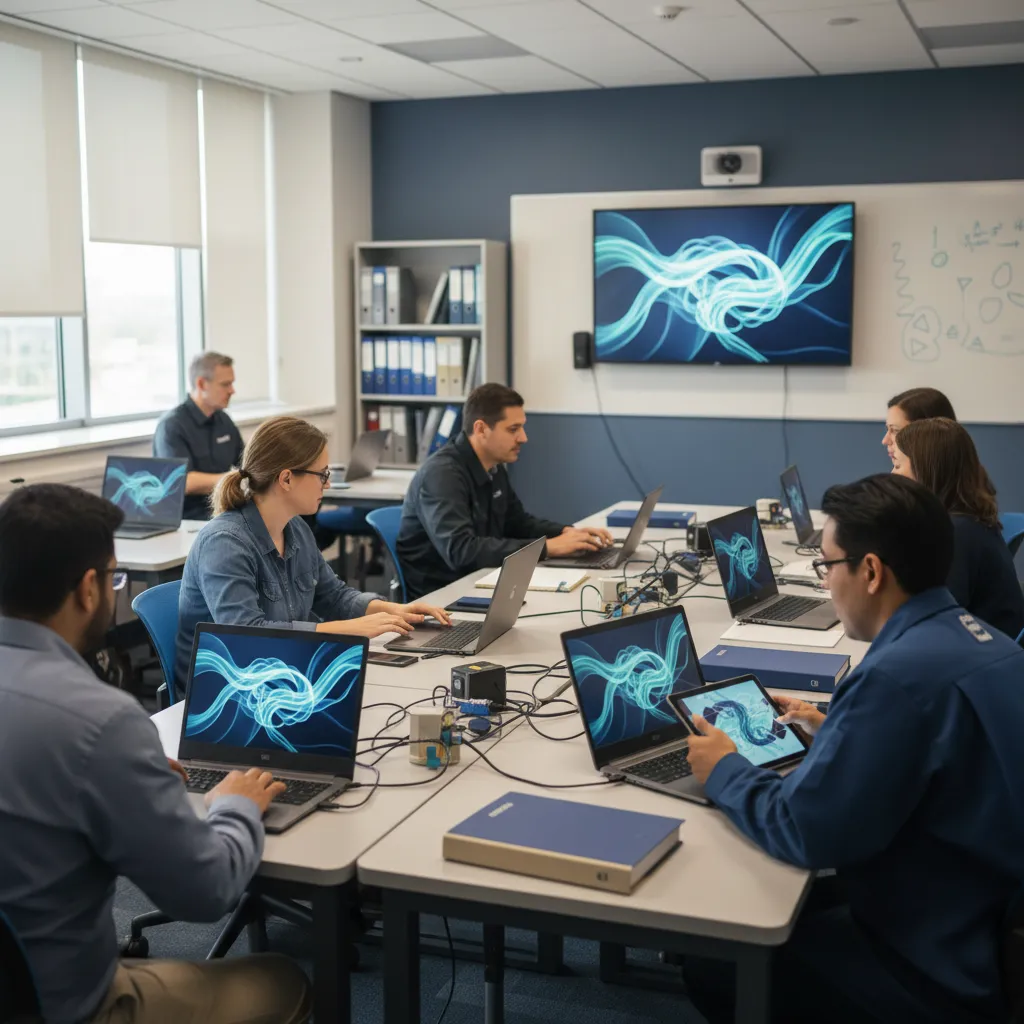
Conclusion
The Certified Industrial Refrigeration Operator (CIRO) certification is an essential credential for professionals operating complex refrigeration systems in critical industries. It validates expertise in system maintenance, operational efficiency, and safety—qualities that employers value highly in today’s risk-sensitive, regulation-heavy environments.
With structured training, hands-on experience, and successful exam completion, CIRO-certified professionals enjoy strong job security, competitive salaries, and a fulfilling career. For those interested in technical roles with a focus on safety and operational excellence, becoming a CIRO is a smart and rewarding step forward.
- +Industry-recognized credential boosts your resume
- +Higher earning potential (10-20% salary increase on average)
- +Demonstrates commitment to professional development
- +Opens doors to advanced career opportunities
- −Exam preparation requires significant time investment (4-8 weeks)
- −Certification fees can be $100-$400+
- −May require continuing education to maintain
- −Some employers may not require certification
(CIRO) Certified Industrial Refrigeration Operator Questions and Answers
About the Author

NATE Certified HVAC Technician & Licensing Exam Trainer
Universal Technical InstituteMike Johnson is a NATE-certified HVAC technician and EPA 608 universal-certified refrigerant handler with a Bachelor of Science in HVAC/R Technology. He has 19 years of commercial and residential HVAC installation and service experience and specializes in preparing technicians for NATE certification, EPA 608, A2L refrigerant safety, and state HVAC contractor licensing examinations.
Join the Discussion
Connect with other students preparing for this exam. Share tips, ask questions, and get advice from people who have been there.
View discussion (8 replies)