

CSC Practice Test
Updated for October 2026Becoming a CSC (Certified Specimen Collector) opens doors in various fields, particularly in healthcare, law enforcement, and workplaces requiring drug and alcohol testing. This certification validates the skills needed for the safe and compliant handling, testing, and transportation of biological samples. It also ensures that collectors understand industry standards, legal requirements, and best practices, making it a critical credential for those entering this field.
CSC Practice Test Questions
Prepare for the CSC - Certified Specimen Collector exam with our free practice test modules. Each quiz covers key topics to help you pass on your first try.
CSC Anatomy & Physiology Fundamentals
CSC Exam Questions covering Anatomy & Physiology Fundamentals. Master CSC Test concepts for certification prep.
CSC Chain of Custody & Documentation
Free CSC Practice Test featuring Chain of Custody & Documentation. Improve your CSC Exam score with mock test prep.
CSC Collection Procedures & Techniques
CSC Mock Exam on Collection Procedures & Techniques. CSC Study Guide questions to pass on your first try.
CSC Specimen Handling & Transportation
CSC Test Prep for CSC Specimen Handling & Transportation. Practice CSC Quiz questions and boost your score.
CSC Workplace Drug Testing Programs
CSC Questions and Answers on CSC Workplace Drug Testing Programs. Free CSC practice for exam readiness.
CSC Documentation & Record Keeping
CSC Mock Test covering Documentation & Record Keeping. Online CSC Test practice with instant feedback.
CSC Drug & Alcohol Testing Protocols
Free CSC Quiz on Drug & Alcohol Testing Protocols. CSC Exam prep questions with detailed explanations.
CSC Equipment Operation & Maintenance
CSC Practice Questions for Equipment Operation & Maintenance. Build confidence for your CSC certification exam.
CSC Legal & Ethical Standards in Specimen ...
CSC Test Online for Legal & Ethical Standards in Specimen Collection. Free practice with instant results and feedback.
CSC Medical Ethics & Patient Rights
CSC Study Material on Medical Ethics & Patient Rights. Prepare effectively with real exam-style questions.
CSC Patient Assessment & Clinical Evaluation
Free CSC Test covering Patient Assessment & Clinical Evaluation. Practice and track your CSC exam readiness.
CSC Regulatory Compliance & Standards
CSC Exam Questions covering Regulatory Compliance & Standards. Master CSC Test concepts for certification prep.
CSC Safety & Infection Control
Free CSC Practice Test featuring Safety & Infection Control. Improve your CSC Exam score with mock test prep.
Key Takeaways
Free CSC Practice Test Online
- Certification Enhances Credibility: Earning a CSC credential demonstrates expertise and compliance with industry standards, which is essential for career advancement.
- Diverse Employment Opportunities: Certified Specimen Collectors can find jobs in various settings, including healthcare, law enforcement, and research laboratories.
- Continuous Learning: Keeping up with certification renewals and regulatory updates is necessary to remain compliant and knowledgeable in the field.
- Competitive Salary Potential: While entry-level salaries may start lower, there is room for growth based on experience, industry, and geographical location.
How to Become a Certified Specimen Collector
To become a CSC (Certified Specimen Collector), one must meet certain requirements and complete an accredited training program. Here are the steps involved in achieving CSC certification:
- Education Requirements: While formal education may not be required, a high school diploma or GED is often preferred. Additional education in healthcare or laboratory sciences can provide an advantage.
- Accredited Training: Enroll in a training program that covers all necessary topics, including specimen handling, donor interaction, and Department of Transportation (DOT) standards.
- Certification Exam: Upon completing the training, you must pass a certification exam, typically administered by the DOT or an accredited organization, to demonstrate your understanding and competency.
- Continuing Education: Most CSC certifications require regular renewal and may involve continuing education to stay updated with regulatory changes.
Obtaining certification not only demonstrates expertise but also enhances credibility and job prospects.
- ✓Review the official CSC exam content outline
- ✓Take a diagnostic practice test to identify weak areas
- ✓Create a study schedule (4-8 weeks recommended)
- ✓Focus on your weakest domains first
- ✓Complete at least 3 full-length practice exams
- ✓Review all incorrect answers with detailed explanations
- ✓Take a final practice test 1 week before exam day
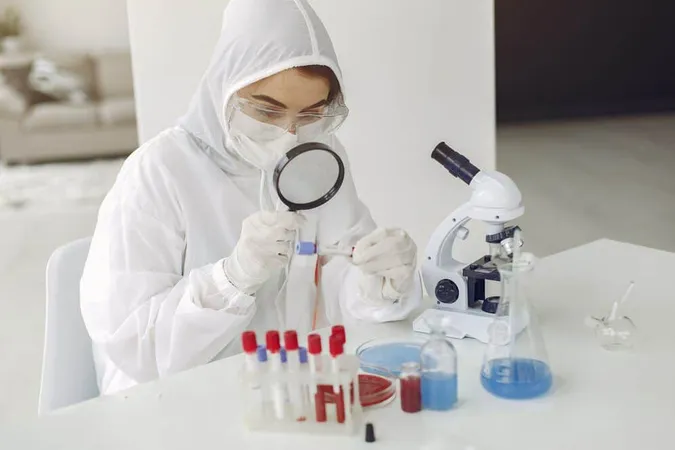
Certified Specimen Collector Training Requirements
The training for a CSC (Certified Specimen Collector) focuses on compliance with regulatory standards, handling procedures, and safety protocols:
- DOT Compliance Training: The Department of Transportation mandates strict guidelines for specimen collection, especially for drug and alcohol testing. Certified training ensures that collectors adhere to these standards.
- Specimen Handling Techniques: Training covers correct techniques for handling urine, saliva, and sometimes blood samples, ensuring that collectors avoid contamination and follow proper storage protocols.
- Chain of Custody Procedures: Proper documentation is essential for maintaining a sample’s integrity. Training includes instruction on accurately documenting and securing samples.
- Customer Interaction Skills: Specimen collectors often work directly with individuals, requiring professionalism, confidentiality, and clear communication skills.
Selecting a reputable training program accredited by industry bodies is essential for ensuring comprehensive coverage of these skills.
Job Opportunities for Specimen Collectors
CSC (Certified Specimen Collector) find employment in various sectors, each with unique requirements and environments. Common workplaces include:
- Healthcare Facilities: Hospitals, clinics, and laboratories frequently require specimen collectors for testing and diagnostic purposes.
- Workplace Testing Centers: Many companies conduct routine drug screenings and hire specimen collectors to handle the process.
- Law Enforcement: Police departments and correctional facilities require certified collectors for testing samples in compliance with legal standards.
- Research Laboratories: In research settings, specimen collectors gather and handle biological samples used in scientific studies.
Responsibilities of a Specimen Collector
- Collecting samples following safety and compliance protocols.
- Ensuring accurate labeling, documentation, and storage of samples.
- Maintaining the confidentiality of all collected data.
- Following proper chain of custody procedures to avoid sample tampering.
- Operating in a professional and empathetic manner, as collectors often interact directly with donors.
Specimen Collector Salary Expectations
Salaries for CSC (Certified Specimen Collector) vary depending on factors such as location, industry, and level of experience. Here are some general insights:
- Entry-Level Salary: New specimen collectors can expect to earn an average annual salary of approximately $30,000 to $40,000. Entry-level positions may offer less, depending on geographical location and employer.
- Experienced Collectors: With experience, certified collectors may see salaries ranging between $40,000 and $50,000 annually, especially in high-demand industries or urban areas.
- Specialized Roles: Collectors with advanced skills or who work in highly regulated sectors, such as law enforcement or forensic testing, can expect higher salaries.
Compensation can also vary based on whether the collector is employed full-time, part-time, or on a contract basis.
Conclusion
The CSC (Certified Specimen Collector) credential is valuable for individuals seeking careers in specimen collection, particularly in industries that demand strict compliance and professionalism. With rigorous training and a certification exam, CSC holders can work confidently in a variety of settings, knowing they have the skills and knowledge required to handle specimens safely and securely. This certification not only enhances job prospects but also assures employers and clients of the collector’s competence and commitment to regulatory standards.
- +Industry-recognized credential boosts your resume
- +Higher earning potential (10-20% salary increase on average)
- +Demonstrates commitment to professional development
- +Opens doors to advanced career opportunities
- −Exam preparation requires significant time investment (4-8 weeks)
- −Certification fees can be $100-$400+
- −May require continuing education to maintain
- −Some employers may not require certification
Sample Certified Specimen Collector Practice Questions
Try these questions from our free Certified Specimen Collector practice tests. The correct answer and an explanation follow each question.
What documentation is required when equipment is replaced or upgraded?
- A. Asset tracking records, disposal documentation, and updated operating procedures
- B. Only a purchase receipt
- C. No documentation if the old equipment is discarded
- D. A verbal notification to staff
Answer: A. Asset tracking records, disposal documentation, and updated operating procedures
Proper documentation of replacements includes asset tracking, disposal records, and updated procedures to maintain compliance and ensure staff are trained on new equipment.
When a collector seals a urine specimen, the tamper-evident tape must be placed so that it:
- A. Covers only the bottle cap
- B. Covers the bottle cap and extends onto the bottle label
- C. Wraps around the entire bottle three times
- D. Is initialed only by the collector, not the donor
Answer: B. Covers the bottle cap and extends onto the bottle label
The tamper-evident seal must cover the bottle cap and extend onto the bottle itself so that any attempt to open the bottle will break the seal and be visible.
When hands are visibly soiled with blood, which hand hygiene method is required?
- A. Alcohol-based hand rub (ABHR)
- B. Soap and water
- C. Antiseptic towelette wipe
- D. Chlorhexidine-based foam dispenser
Answer: B. Soap and water
Visibly soiled hands must be washed with soap and water because ABHR does not physically remove organic material like blood.
During patient assessment, you notice the patient has edematous (swollen) arms bilaterally. What is the best course of action?
- A. Select a vein in the edematous arm and proceed
- B. Perform a fingerstick capillary collection as an alternative
- C. Avoid the edematous area; attempt a site below or above the edema
- D. Cancel the collection and reschedule
Answer: C. Avoid the edematous area; attempt a site below or above the edema
Edema dilutes the interstitial fluid and can cause inaccurate results; collecting from a non-edematous site or avoiding the edematous area is preferred.
(CSC) Certified Specimen Collector Questions and Answers
About the Author

Certified Professional Development Expert & Niche Certification Advisor
University of Pennsylvania Graduate School of EducationDr. Alexandra Kim holds a PhD in Professional Studies from the University of Pennsylvania and is a Certified Professional in Learning and Performance (CPLP) and Certified Professional in Talent Development (CPTD). With 17 years of corporate training and professional certification advisory experience, she helps professionals navigate specialized, emerging, and cross-industry certification programs.