

CPT Practice Test
Updated for September 2026The Certified Performance Technician (CPT) certification is a pivotal credential for professionals aiming to excel in mechanical systems and diagnostics. As industries evolve, the demand for skilled technicians who can ensure optimal performance and safety of mechanical systems has surged. The CPT exam evaluates a candidate's proficiency in various domains, including mechanical diagnostics, electrical troubleshooting, performance testing, and safety compliance. Achieving this certification not only validates your technical expertise but also enhances your credibility in the field.
CPT Practice Test Questions
Prepare for the CPT - Certified Performance Technician exam with our free practice test modules. Each quiz covers key topics to help you pass on your first try.
CPT Assessment & Evaluation
CPT Exam Questions covering Assessment & Evaluation. Master CPT Test concepts for certification prep.
CPT Communication & Collaboration
Free CPT Practice Test featuring Communication & Collaboration. Improve your CPT Exam score with mock test prep.
CPT Core Principles & Fundamentals
CPT Mock Exam on Core Principles & Fundamentals. CPT Study Guide questions to pass on your first try.
CPT Data Analysis & Interpretation
CPT Test Prep for CPT Data Analysis & Interpretation. Practice CPT Quiz questions and boost your score.
CPT Emissions & Environmental Standards
CPT Questions and Answers on CPT Emissions & Environmental Standards. Free CPT practice for exam readiness.
CPT Fuel Systems & Engine Performance
CPT Mock Test covering CPT Fuel Systems & Engine Performance. Online CPT Test practice with instant feedback.
CPT Documentation & Reporting
Free CPT Quiz on Documentation & Reporting. CPT Exam prep questions with detailed explanations.
CPT Ignition Systems & Timing
CPT Practice Questions for Ignition Systems & Timing. Build confidence for your CPT certification exam.
CPT Leadership & Management
CPT Test Online for Leadership & Management. Free practice with instant results and feedback.
CPT Technology & Tools
CPT Study Material on Technology & Tools. Prepare effectively with real exam-style questions.
CPT Electrical Components & Troubleshooting
Free CPT Test covering Electrical Components & Troubleshooting. Practice and track your CPT exam readiness.
CPT Mechanical Systems & Diagnostics
CPT Exam Questions covering Mechanical Systems & Diagnostics. Master CPT Test concepts for certification prep.
Key Takeaways
Free Performace Technician Practice Test Online
The CPT certification is essential for professionals in mechanical diagnostics.
It encompasses domains like electrical troubleshooting and safety compliance.
Preparation requires a deep understanding of mechanical systems.
Practical experience complements theoretical knowledge for the exam.
Staying updated with industry standards is crucial.
Time management and practice tests aid in effective preparation.
Continuous learning post-certification ensures sustained competence.
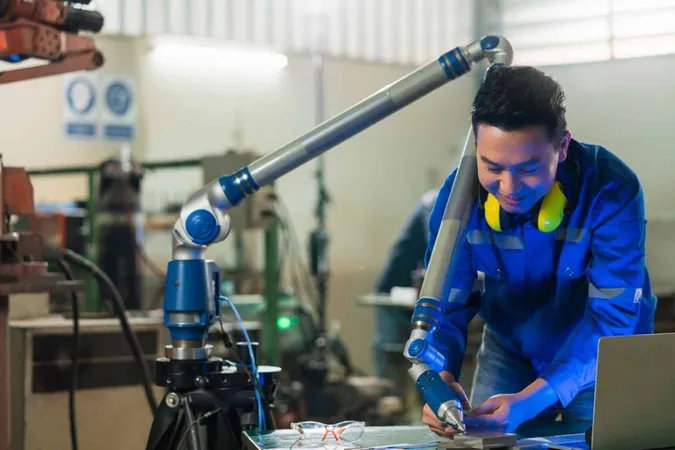
Understanding the CPT Certification
The Certified Performance Technician (CPT) certification is designed for professionals who specialize in the performance assessment and maintenance of mechanical systems. It validates a technician's ability to diagnose, troubleshoot, and optimize mechanical and electrical components, ensuring systems operate at peak efficiency. The certification is recognized across various industries, including manufacturing, automotive, and aerospace, underscoring its versatility and importance.
Core Domains of the CPT Exam
The CPT exam is structured around several core domains, each focusing on critical aspects of mechanical systems and diagnostics:
Mechanical Systems & Diagnostics: This domain assesses the ability to identify and rectify issues within mechanical components, ensuring optimal functionality.
Electrical Components & Troubleshooting: Focuses on diagnosing electrical faults, understanding circuitry, and implementing effective solutions.
Performance Testing & Calibration: Evaluates skills in measuring system performance and calibrating equipment to meet specified standards.
Safety Procedures & Compliance: Emphasizes adherence to safety protocols and regulatory compliance to prevent hazards.
Core Domains of the CPT Exam
The CPT exam is structured around several core domains, each focusing on critical aspects of mechanical systems and diagnostics:
Mechanical Systems & Diagnostics: This domain assesses the ability to identify and rectify issues within mechanical components, ensuring optimal functionality.
Electrical Components & Troubleshooting: Focuses on diagnosing electrical faults, understanding circuitry, and implementing effective solutions.
Performance Testing & Calibration: Evaluates skills in measuring system performance and calibrating equipment to meet specified standards.
Safety Procedures & Compliance: Emphasizes adherence to safety protocols and regulatory compliance to prevent hazards.
Importance of Practical Experience
While theoretical knowledge forms the foundation, practical experience is indispensable:
Real-World Application: Engaging with actual mechanical systems bridges the gap between theory and practice.
Problem-Solving Skills: Hands-on experience hones the ability to troubleshoot and resolve issues efficiently.
Confidence Building: Familiarity with equipment and procedures boosts confidence during the exam and in professional settings.

Staying Updated with Industry Standards
The field of mechanical diagnostics is dynamic, with continuous advancements:
Continuous Learning: Regularly update your knowledge to stay abreast of new technologies and methodologies.
Professional Development: Attend workshops, seminars, and courses to enhance skills and knowledge.
Networking: Engage with professional communities to exchange insights and experiences.
Conclusion
Achieving the Certified Performance Technician certification is a testament to a professional's expertise and commitment to excellence in mechanical diagnostics. The rigorous preparation process not only equips candidates with in-depth knowledge but also instills confidence to tackle real-world challenges. As industries continue to evolve, the role of CPTs becomes increasingly vital in ensuring the efficiency and safety of mechanical systems.
Embarking on the journey to become a CPT requires dedication, strategic preparation, and a passion for continuous learning. The certification opens doors to advanced career opportunities, higher earning potential, and recognition in the field. Embrace the process, leverage available resources, and commit to excellence.
In conclusion, the CPT certification is more than a credential; it's a career milestone that signifies a professional's capability and readiness to make significant contributions to the field of mechanical diagnostics. Pursue it with determination, and it will undoubtedly serve as a catalyst for professional growth and success.
CPT: Pros and Cons
- +CPT certification validates expertise recognized by employers nationwide
- +Certified professionals typically earn 15-20% higher salaries
- +Opens doors to advanced positions and leadership roles
- +Demonstrates commitment to professional standards and ethics
- +Builds a strong professional network through certification communities
- −Exam preparation typically requires 2-4 months of dedicated study
- −Certification and exam fees can range from $150-$500+
- −Must complete continuing education to maintain active certification
- −Pass rates vary — thorough preparation is essential for success
- −Some certifications require prerequisite experience or education
(CPT) Certified Performance Technician Questions and Answers
About the Author

Certified Professional Development Expert & Niche Certification Advisor
University of Pennsylvania Graduate School of EducationDr. Alexandra Kim holds a PhD in Professional Studies from the University of Pennsylvania and is a Certified Professional in Learning and Performance (CPLP) and Certified Professional in Talent Development (CPTD). With 17 years of corporate training and professional certification advisory experience, she helps professionals navigate specialized, emerging, and cross-industry certification programs.
Join the Discussion
Connect with other students preparing for this exam. Share tips, ask questions, and get advice from people who have been there.
View discussion (7 replies)