

CPC Practice Test
Updated for September 2026Certification as a pastry professional is a significant achievement for anyone passionate about culinary baking and pastry arts. The Certified Pastry Culinarian (CPC) credential is a prestigious designation recognized by the American Culinary Federation (ACF), signifying a level of skill, experience, and professionalism that can open doors to new career opportunities. This guide covers the CPC certification process, highlights top culinary programs for pastry arts, and outlines the advantages of certification.
Free CPC Practice Test Online
Key Takeaways
- Certification Benefits: The CPC credential offers a recognized mark of professionalism, opening doors in diverse pastry and culinary settings.
- Educational Pathways: Top culinary schools provide foundational and advanced training necessary for success in pastry arts.
- Career Opportunities: Certified Pastry Culinarians work in a variety of roles, from executive pastry chefs to educators and consultants.
CPC Practice Test Questions
Prepare for the CPC - Certified Pastry Culinarian exam with our free practice test modules. Each quiz covers key topics to help you pass on your first try.
CPC Bread & Yeast Products
CPC Exam Questions covering Bread & Yeast Products. Master CPC Test concepts for certification prep.
CPC Chocolate & Confectionery
Free CPC Practice Test featuring Chocolate & Confectionery. Improve your CPC Exam score with mock test prep.
CPC Frozen Desserts & Ice Cream
CPC Mock Exam on Frozen Desserts & Ice Cream. CPC Study Guide questions to pass on your first try.
CPC Laminated Doughs & Viennoiserie
CPC Test Prep for Laminated Doughs & Viennoiserie. Practice CPC Quiz questions and boost your score.
CPC Pastry Kitchen Management & Costing
CPC Questions and Answers on Pastry Kitchen Management & Costing. Free CPC practice for exam readiness.
CPC Sugar Work & Confectionery Arts
CPC Mock Test covering Sugar Work & Confectionery Arts. Online CPC Test practice with instant feedback.
CPC Baking Principles & Science
Free CPC Quiz on Baking Principles & Science. CPC Exam prep questions with detailed explanations.
CPC Dessert Presentation & Decoration
CPC Practice Questions for Dessert Presentation & Decoration. Build confidence for your CPC certification exam.
Understanding Culinary Baking and Pastry
Culinary baking and pastry arts combine the science of precise ingredients with the art of creating beautifully presented desserts, breads, and pastries. The culinary pastry field includes a variety of specialized skills in baking, chocolate work, cake decoration, and plated desserts, all requiring precision, creativity, and technical expertise.
The CPC certification is awarded to individuals who have proven competency in these areas through hands-on experience, testing, and continued professional development. Becoming certified in pastry arts signals a high level of commitment and professionalism, appealing to employers and clients alike.

Best Culinary Schools for Baking and Pastry
A solid educational foundation is essential for those interested in pursuing certification in pastry arts. Attending a reputable culinary school provides hands-on training, access to advanced equipment, and mentorship from experienced chefs. Some of the best culinary schools known for their baking and pastry programs include:
- The Culinary Institute of America (CIA): Known for its intensive pastry arts program, the CIA offers students in-depth training in pastry techniques, food safety, and modern dessert trends.
- Johnson & Wales University (JWU): JWU’s pastry program combines traditional techniques with a focus on innovation, preparing graduates for a range of culinary careers.
- Le Cordon Bleu: With campuses worldwide, Le Cordon Bleu emphasizes classic French techniques and offers a comprehensive pastry curriculum for aspiring professionals.
- Institute of Culinary Education (ICE): Located in New York City, ICE offers a specialized Pastry & Baking Arts program, focusing on both fundamental skills and contemporary dessert design.
Attending one of these respected culinary institutions helps students build the skills they need to pursue CPC certification and succeed in the industry.
- ✓Review the official CPC exam content outline
- ✓Take a diagnostic practice test to identify weak areas
- ✓Create a study schedule (4-8 weeks recommended)
- ✓Focus on your weakest domains first
- ✓Complete at least 3 full-length practice exams
- ✓Review all incorrect answers with detailed explanations
- ✓Take a final practice test 1 week before exam day
Certified Pastry Culinarian (CPC): Certification Overview
The Certified Pastry Culinarian (CPC) credential is awarded by the American Culinary Federation (ACF) and represents a high level of professional achievement in the field of pastry. To become certified, candidates must meet specific education and experience requirements, demonstrate technical proficiency, and pass both written and practical exams.
Benefits of CPC certification include:
- Professional Recognition: Certification sets pastry chefs apart by demonstrating validated expertise.
- Career Advancement: Certified professionals often have better job prospects, higher earning potential, and opportunities in specialized roles.
- Personal Achievement: Becoming a CPC is an accomplishment that acknowledges dedication and skill in the field.
Culinary Pastry Colleges: Pathways to Certification
Pursuing education at a culinary pastry college provides a structured pathway toward earning the CPC credential. Pastry programs at these institutions often cover essential skills such as:
- Bread and Dough Fundamentals: Mastering different types of dough and bread-making techniques is foundational for any pastry professional.
- Chocolate and Confectionery Arts: Culinary pastry programs typically include training in chocolate tempering, sugar work, and candy-making.
- Cake Design and Decoration: Advanced decoration skills, including fondant and piping techniques, are essential for pastry chefs in fine dining or special-event catering.
- Plated Dessert Preparation: Many programs emphasize presentation skills, ensuring that students can create aesthetically pleasing and innovative desserts.
Pastry Culinary Definition: What It Means to Be a Pastry Professional
Pastry culinary arts encompass a wide range of techniques and disciplines focused on creating baked goods and desserts. From traditional French pastries to modern plated desserts, a pastry culinarian must be skilled in precise measurements, understand ingredient interactions, and possess artistic talent.
A certified pastry culinarian is not only a baker but a craftsman who transforms simple ingredients into works of art. This culinary field includes several areas of specialization, such as:
- Baking: Involves breads, muffins, and other baked goods that require precision in ingredients, measurements, and timing.
- Pastry Arts: Encompasses a range of desserts, including cakes, pies, tarts, and petit fours.
- Confectionery: Focuses on candies, chocolates, and other sweet treats, requiring skills in sugar work and chocolate tempering.
- Dessert Presentation: Presentation is key in pastry arts, as the visual appeal of desserts can be just as important as taste.
How to Become a Certified Pastry Culinarian
Earning the CPC credential involves meeting a series of requirements related to education, experience, and examination. Here’s a step-by-step guide to becoming a Certified Pastry Culinarian:
Step 1: Complete a Pastry Education Program
Many CPC candidates begin by attending a culinary school that offers a dedicated program in pastry arts. These programs provide foundational skills and a deep understanding of baking science.Step 2: Gain Work Experience
Real-world experience in a professional pastry kitchen is essential. Most candidates need at least one year of practical experience to be eligible for certification, ensuring they’ve developed the skills required for a CPC.Step 3: Pass the CPC Examination
The CPC exam includes both a written and practical component. Candidates must demonstrate proficiency in various pastry techniques and food safety practices, as well as their ability to create consistent, high-quality products.Step 4: Maintain Certification
CPC certification requires ongoing professional development, such as attending workshops, taking additional courses, or working in innovative culinary environments. This ensures that certified professionals stay current with industry trends and techniques.

Conclusion
Earning the Certified Pastry Culinarian (CPC) credential is a mark of distinction in the pastry field, signifying a dedication to mastering the art and science of desserts. Whether through education, hands-on experience, or rigorous examination, becoming a CPC offers professionals the opportunity to elevate their careers, gain industry respect, and achieve personal fulfillment.
Certified Pastry Culinarians often work in fine dining, bakeries, hotels, and specialized pastry kitchens, where their skills and creativity are highly valued. With a blend of technical expertise and artistic vision, CPC-certified chefs contribute to the culinary world by creating exceptional desserts that delight and inspire.

CPC: Pros and Cons
- +CPC certification validates expertise recognized by employers nationwide
- +Certified professionals typically earn 15-20% higher salaries
- +Opens doors to advanced positions and leadership roles
- +Demonstrates commitment to professional standards and ethics
- +Builds a strong professional network through certification communities
- −Exam preparation typically requires 2-4 months of dedicated study
- −Certification and exam fees can range from $150-$500+
- −Must complete continuing education to maintain active certification
- −Pass rates vary — thorough preparation is essential for success
- −Some certifications require prerequisite experience or education
(CPC) Certified Pastry Culinarian Questions and Answers
About the Author
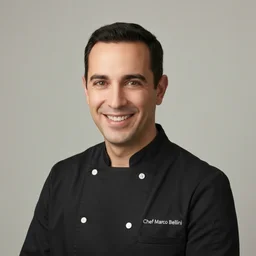
Executive Chef & Culinary Arts Certification Educator
Culinary Institute of AmericaChef Marco Bellini is a Certified Executive Chef and graduate of the Culinary Institute of America with over 20 years of professional kitchen experience in Michelin-recognized restaurants. He teaches culinary arts certification, food safety, and hospitality exam preparation, having guided thousands of culinary students through their ServSafe, ProStart, and professional chef certifications.
Join the Discussion
Connect with other students preparing for this exam. Share tips, ask questions, and get advice from people who have been there.
View discussion (8 replies)