

CMD Practice Test
Updated for October 2026The role of a Certified Medical Dosimetrist (CMD) is crucial in modern cancer treatment. These professionals work alongside radiation oncologists and medical physicists to develop accurate radiation dose plans that target cancerous tissues while minimizing damage to healthy ones. As cancer treatment becomes more complex, the need for trained, certified dosimetrists grows rapidly.
For aspiring professionals, becoming a CMD not only opens up a rewarding career path but also significantly contributes to patient outcomes. Whether you're a recent graduate in a related field or a seasoned medical professional looking to pivot into a more specialized role, understanding the certification process and training involved is your first step.
CMD Practice Test Questions
Prepare for the CMD - Certified Medical Dosimetrist exam with our free practice test modules. Each quiz covers key topics to help you pass on your first try.
CMD Clinical Oncology & Treatment Techniques
CMD Exam Questions covering Clinical Oncology & Treatment Techniques. Master CMD Test concepts for certification prep.
CMD Clinical Oncology & Disease Sites
Free CMD Practice Test featuring CMD Clinical Oncology & Disease Sites. Improve your CMD Exam score with mock test prep.
CMD Radiation Physics & Radiobiology
CMD Mock Exam on CMD Radiation Physics & Radiobiology. CMD Study Guide questions to pass on your first try.
CMD Communication & Interprofessional Coll...
CMD Test Prep for Communication & Interprofessional Collaboration. Practice CMD Quiz questions and boost your score.
CMD Evidence-Based Practice & Research Met...
CMD Questions and Answers on Evidence-Based Practice & Research Methods. Free CMD practice for exam readiness.
CMD Patient Care & Communication
CMD Mock Test covering Patient Care & Communication. Online CMD Test practice with instant feedback.
CMD Professional Ethics & Legal Compliance
Free CMD Quiz on Professional Ethics & Legal Compliance. CMD Exam prep questions with detailed explanations.
CMD Quality Assurance & Control
CMD Practice Questions for Quality Assurance & Control. Build confidence for your CMD certification exam.
CMD Quality Assurance & Performance Improv...
CMD Test Online for Quality Assurance & Performance Improvement. Free practice with instant results and feedback.
CMD Radiation Physics & Radiobiology
CMD Study Material on Radiation Physics & Radiobiology. Prepare effectively with real exam-style questions.
CMD Radiation Safety & Protection
Free CMD Test covering Radiation Safety & Protection. Practice and track your CMD exam readiness.
Key Takeaways
Free CMD Practice Test Online
CMDs are vital members of radiation oncology teams, ensuring precise and safe cancer treatments.
Certification through the MDCB is required to practice and involves passing a rigorous exam.
Education and training can be obtained through JRCERT-accredited programs or structured clinical experiences.
Career opportunities for CMDs are abundant, particularly in oncology hospitals, academic centers, and cancer treatment clinics.
Continued education is essential to stay certified and remain up-to-date with evolving treatment technologies.
Understanding the Role: What Is a Certified Medical Dosimetrist (CMD)?
A Certified Medical Dosimetrist (CMD) is a healthcare professional who is certified through the Medical Dosimetrist Certification Board (MDCB). Their primary responsibility is to design treatment plans for patients undergoing radiation therapy.
CMDs use advanced computer software and imaging technology to calculate the exact dosage of radiation needed, ensuring precision and safety. They also play a key role in quality assurance, treatment verification, and communication between the oncology team and patients.
Key duties include:
Collaborating with radiation oncologists and medical physicists
Designing customized treatment plans
Performing dose calculations and simulations
Monitoring treatment progress and making adjustments
CMDs ensure that radiation therapy is both effective and safe, making them indispensable in oncology teams.
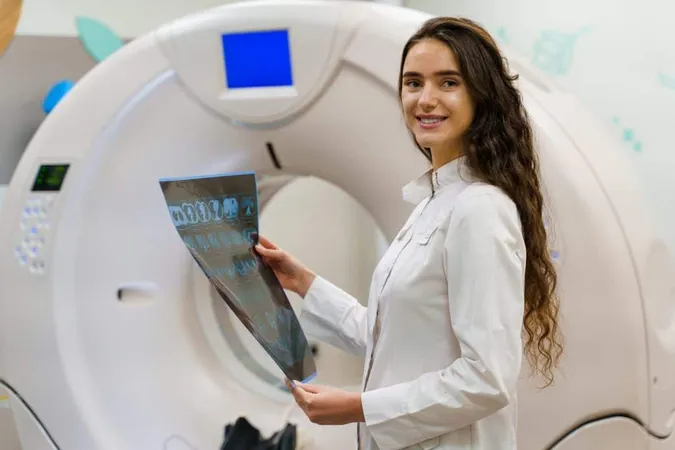
Path to Certification: Overview of Certified Medical Dosimetrist Certification
The Medical Dosimetrist Certification Board (MDCB) is the primary credentialing body for CMDs. To become certified, candidates must pass the CMD Exam, a comprehensive assessment of knowledge in radiation oncology, treatment planning, and dosimetry principles.
Eligibility Requirements:
Education: A Bachelor’s degree in a related science or a graduation from a JRCERT-accredited medical dosimetry program
Experience: Completion of a structured clinical internship or on-the-job training
Exam Application: Candidates must submit transcripts, proof of training, and a fee
The CMD exam is administered annually and includes questions across four domains:
Treatment Planning
Dose Calculations
Radiation Physics
Safety and Quality Assurance
Preparing for the Career: Medical Dosimetrist Training Pathways
Medical dosimetry training can follow several paths depending on your current level of education and experience.
Formal Education Programs
These are typically one-year post-baccalaureate certificate programs accredited by the Joint Review Committee on Education in Radiologic Technology (JRCERT). Some universities offer full bachelor’s programs or master’s programs in dosimetry.
Coursework includes:
Human Anatomy and Physiology
Radiation Physics
Oncology Pathology
Treatment Planning Systems
Clinical practicums are often integrated into these programs, providing hands-on training with real patients and equipment.
On-the-Job Training
For individuals already working in radiation oncology, some may opt for structured on-the-job training programs. This route still requires eventual enrollment in an MDCB-recognized academic or clinical training program for eligibility.
Finding Opportunities: Certified Medical Dosimetrist Near Me
If you're looking for Certified Medical Dosimetrist services near you, major hospitals and cancer centers across the U.S. typically employ CMDs. You can locate certified professionals through:
American Association of Medical Dosimetrists (AAMD) member directories
Hospital websites under their oncology or radiation therapy departments
State medical boards and registries
The Bureau of Labor Statistics estimates continued growth in this field, especially in urban medical centers and dedicated cancer hospitals.
Becoming a CMD: How to Become a Medical Dosimetrist
To become a medical dosimetrist, the following roadmap is widely recommended:

Step-by-Step Process:
Earn a Bachelor's Degree in physics, radiation therapy, or a related science
Enroll in an accredited dosimetry program (or qualify through clinical experience)
Complete required clinical training in a radiation oncology department
Apply for and pass the CMD exam administered by the MDCB
Maintain certification through Continuing Education Credits (CECs) every 5 years
Personal qualities that help in this career include strong analytical skills, careful attention to detail, empathy, and technical proficiency with dosimetry software.
Conclusion
A career as a Certified Medical Dosimetrist offers the perfect blend of science, patient care, and advanced technology. It’s an ideal path for those passionate about oncology and dedicated to improving patient outcomes through precision treatment. With the right education, training, and certification, you can become a trusted expert in one of the most important fields in modern medicine.
Whether you're just beginning your journey or already in the healthcare sector looking to specialize, the CMD path provides a stable, rewarding, and impactful profession.
CMD: Pros and Cons
- +CMD certification validates expertise recognized by employers nationwide
- +Certified professionals typically earn 15-20% higher salaries
- +Opens doors to advanced positions and leadership roles
- +Demonstrates commitment to professional standards and ethics
- +Builds a strong professional network through certification communities
- −Exam preparation typically requires 2-4 months of dedicated study
- −Certification and exam fees can range from $150-$500+
- −Must complete continuing education to maintain active certification
- −Pass rates vary — thorough preparation is essential for success
- −Some certifications require prerequisite experience or education
(CMD) Certified Medical Dosimetrist Questions and Answers
About the Author

Certified Professional Development Expert & Niche Certification Advisor
University of Pennsylvania Graduate School of EducationDr. Alexandra Kim holds a PhD in Professional Studies from the University of Pennsylvania and is a Certified Professional in Learning and Performance (CPLP) and Certified Professional in Talent Development (CPTD). With 17 years of corporate training and professional certification advisory experience, she helps professionals navigate specialized, emerging, and cross-industry certification programs.
Join the Discussion
Connect with other students preparing for this exam. Share tips, ask questions, and get advice from people who have been there.
View discussion (7 replies)