

CLS Practice Test
Updated for October 2026Lubrication is a critical aspect of maintaining the longevity and performance of machinery in various industries, from manufacturing to transportation. To ensure optimal functioning, professionals known as Certified Lubrication Specialists (CLS) are trained to handle lubrication needs effectively. This article explores the importance of CLS certification, how to become certified, the job responsibilities, salary expectations, and the costs associated with obtaining this certification.
CLS Practice Test Questions
Prepare for the CLS - Certified Lubrication Specialist exam with our free practice test modules. Each quiz covers key topics to help you pass on your first try.
CLS Case Analysis & Practical Application
CLS Exam Questions covering Case Analysis & Practical Application. Master CLS Test concepts for certification prep.
CLS Lubricant Storage, Handling & Contamin...
Free CLS Practice Test featuring CLS Lubricant Storage, Handling & Contamination Control. Improve your CLS Exam score with mock test prep.
CLS Oil Analysis & Condition Monitoring
CLS Mock Exam on CLS Oil Analysis & Condition Monitoring. CLS Study Guide questions to pass on your first try.
CLS Communication & Client Relations
CLS Test Prep for Communication & Client Relations. Practice CLS Quiz questions and boost your score.
CLS Grease Technology & Application
CLS Questions and Answers on Grease Technology & Application. Free CLS practice for exam readiness.
CLS Lubricant Selection & Management
CLS Mock Test covering Lubricant Selection & Management. Online CLS Test practice with instant feedback.
CLS Lubrication Fundamentals & Applications
Free CLS Quiz on Lubrication Fundamentals & Applications. CLS Exam prep questions with detailed explanations.
CLS Lubrication Systems & Maintenance
CLS Practice Questions for Lubrication Systems & Maintenance. Build confidence for your CLS certification exam.
CLS Professional Standards & Competencies
CLS Test Online for Professional Standards & Competencies. Free practice with instant results and feedback.
CLS Quality Control & Process Improvement
CLS Study Material on Quality Control & Process Improvement. Prepare effectively with real exam-style questions.
CLS Regulatory Compliance & Legal Framework
Free CLS Test covering Regulatory Compliance & Legal Framework. Practice and track your CLS exam readiness.
CLS Research Methods & Evidence-Based Prac...
CLS Exam Questions covering Research Methods & Evidence-Based Practice. Master CLS Test concepts for certification prep.
CLS Risk Assessment & Mitigation
Free CLS Practice Test featuring Risk Assessment & Mitigation. Improve your CLS Exam score with mock test prep.
Key Takeaways
Free Lubrication Specialist Practice Test Online
Becoming a Certified Lubrication Specialist (CLS) requires a combination of education, experience, and training, followed by passing the certification exam.
CLS professionals are responsible for maintaining proper lubrication schedules, selecting appropriate lubricants, troubleshooting lubrication issues, and ensuring compliance with safety regulations.
Salaries for CLS professionals range from $45,000 to $75,000 annually, with potential for higher earnings based on experience, location, and industry.
The cost of obtaining the CLS certification exam is typically between $250 and $450, with additional costs for study materials and recertification.
What is a Certified Lubrication Specialist (CLS)?
A Certified Lubrication Specialist (CLS) is an individual who has been trained and certified to perform lubrication tasks in industrial and commercial settings. The primary responsibility of a CLS is to ensure that machinery and equipment are properly lubricated to reduce friction, minimize wear and tear, and extend the lifespan of mechanical components.
Lubrication is essential for the proper functioning of equipment, whether it’s in a factory, an automotive repair shop, or any other industry involving machinery. The CLS certification is awarded to professionals who have demonstrated proficiency in lubrication practices, including selecting the appropriate lubricants, maintaining proper lubrication schedules, and understanding lubrication systems.
The certification is issued by organizations such as the Society of Tribologists and Lubrication Engineers (STLE), ensuring that certified professionals meet industry standards and adhere to best practices in lubrication management.
- ✓Confirm your exam appointment and location
- ✓Bring required identification documents
- ✓Arrive 30 minutes early to check in
- ✓Read each question carefully before answering
- ✓Flag difficult questions and return to them later
- ✓Manage your time — don't spend too long on one question
- ✓Review flagged questions before submitting
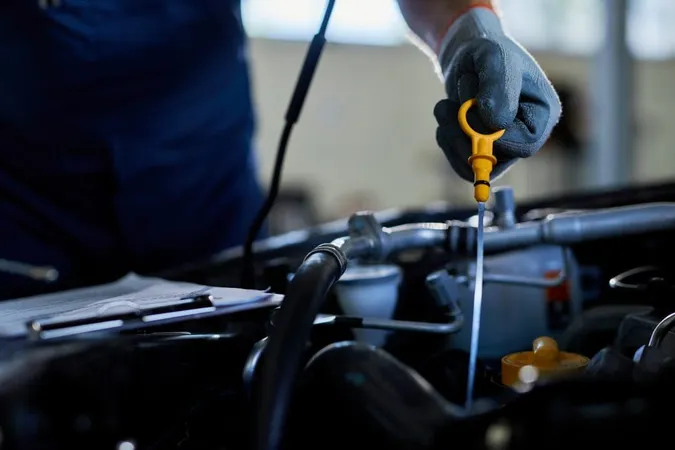
How to Become a Certified Lubrication Specialist
Becoming a Certified Lubrication Specialist involves several steps that encompass education, training, and examination. Here’s a breakdown of how to earn this certification:
Educational Requirements: While there is no strict educational requirement to become a CLS, having a background in mechanical engineering, industrial maintenance, or a related field can be advantageous. Many individuals in this profession have an understanding of machinery, systems, and engineering principles, which supports the practical knowledge needed for effective lubrication management.
Professional Experience: Experience in lubrication, maintenance, or a related field is often required. Most candidates for the CLS certification have hands-on experience working with machinery and lubrication systems in various industrial settings.
Training and Courses: There are specialized courses and training programs designed for those seeking the CLS certification. These programs cover topics such as lubrication fundamentals, lubrication management systems, troubleshooting lubrication issues, and proper maintenance procedures. The STLE offers various workshops and resources that provide the necessary skills and knowledge.
Pass the CLS Exam: The final step to becoming certified is passing the CLS exam. The exam assesses the candidate’s knowledge and practical understanding of lubrication concepts, including lubrication selection, application techniques, and monitoring systems. It typically consists of multiple-choice questions and requires a thorough understanding of the subject matter.
Maintain Certification: After receiving certification, it’s essential to maintain the CLS status by meeting continuing education requirements and renewing certification periodically. This ensures that CLS professionals stay updated with the latest trends, technologies, and best practices in lubrication management.
Job Description of a Certified Lubrication Specialist
The job of a Certified Lubrication Specialist revolves around ensuring the effective lubrication of equipment and machinery. Here’s a breakdown of the typical responsibilities:
Lubrication Planning: A CLS professional is responsible for developing and implementing lubrication schedules for machinery. This includes determining the type and amount of lubricant needed for specific equipment and ensuring that it is applied correctly.
Monitoring and Analysis: Regular monitoring of lubricants is crucial to ensuring the equipment is well-maintained. CLS professionals conduct oil analysis, checking for contaminants, viscosity levels, and other key indicators to prevent mechanical failures.
Lubricant Selection: One of the key tasks of a CLS is to choose the appropriate lubricants for various machinery based on the equipment’s requirements, environmental conditions, and operational needs. This may involve selecting from oils, greases, or specialty lubricants.
Training and Compliance: A CLS often provides training to other maintenance staff on proper lubrication techniques. Additionally, they ensure that the company complies with industry regulations and safety standards related to lubrication.
Troubleshooting and Maintenance: When lubrication issues arise, such as oil contamination or lubrication system failures, a CLS must troubleshoot and resolve the problem to prevent equipment damage and downtime.
Salary of a Certified Lubrication Specialist
The salary of a Certified Lubrication Specialist can vary depending on factors such as experience, location, and the industry in which they work. On average, CLS professionals earn between $45,000 and $75,000 per year. However, more experienced specialists working in advanced technical fields or in large-scale industrial operations can earn upwards of $90,000 annually.
Key factors influencing salary include:
Experience: As with most professions, experience plays a significant role in salary expectations. More experienced professionals are able to command higher wages due to their expertise in the field.
Location: Salaries can vary significantly based on location. CLS professionals in areas with a higher demand for skilled workers or in regions with high manufacturing activity may earn more.
Industry: Industries such as oil and gas, automotive manufacturing, and heavy equipment often offer higher salaries to CLS professionals due to the specialized nature of the work and the critical importance of lubrication.
Job Role: CLS professionals working in management or supervisory roles may earn higher salaries compared to those in entry-level positions.
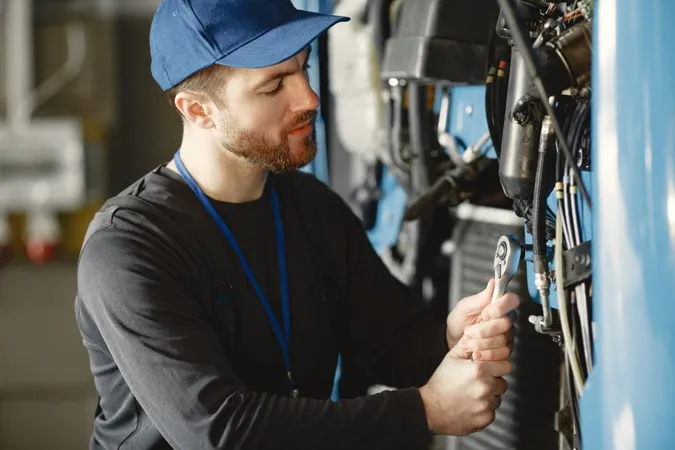
Exam Cost for Becoming a Certified Lubrication Specialist
The cost of obtaining the CLS certification exam is typically between $250 and $450, depending on the certification body and membership status. The Society of Tribologists and Lubrication Engineers (STLE) offers certification for both members and non-members, with members receiving discounted rates for exam fees.
Additional costs to consider may include:
Study Materials: Candidates may need to purchase study guides, training courses, or practice exams to prepare for the certification exam. These materials can add to the overall cost of certification but are often necessary to ensure success.
Recertification Fees: CLS certification is typically valid for three years. To maintain the certification, professionals must complete recertification, which may involve continuing education courses and additional fees.
Conclusion
The Certified Lubrication Specialist (CLS) certification is a valuable credential for individuals working in industries that rely on machinery and equipment. By becoming certified, professionals demonstrate their expertise in lubrication practices and contribute to the smooth operation and longevity of equipment. With the right training and dedication, becoming a CLS can lead to rewarding career opportunities, professional growth, and an enhanced understanding of lubrication management.
- +Validates your knowledge and skills objectively
- +Increases job market competitiveness
- +Provides structured learning goals
- +Networking opportunities with other certified professionals
- −Study materials can be expensive
- −Exam anxiety can affect performance
- −Requires dedicated preparation time
- −Retake fees apply if you don't pass
Pros and Cons at a Glance
| Pros | Cons |
|---|---|
| Validates your knowledge and skills objectively | Study materials can be expensive |
| Increases job market competitiveness | Exam anxiety can affect performance |
| Provides structured learning goals | Requires dedicated preparation time |
| Networking opportunities with other certified professionals | Retake fees apply if you don't pass |
Sample Certified Lubrication Specialist Practice Questions
Try these questions from our free Certified Lubrication Specialist practice tests. The correct answer and an explanation follow each question.
Which organization publishes the most widely cited standardized test methods for evaluating lubricant performance properties?
- A. API
- B. ASTM International
- C. STLE
- D. ISO only
Answer: B. ASTM International
ASTM International publishes the most widely used standardized test procedures for lubricant properties used globally.
Which synthetic base oil type offers the best performance for very wide operating temperature ranges, from -60°F to +400°F?
- A. Polyalphaolefin (PAO)
- B. Polyalkylene glycol (PAG)
- C. Alkylated naphthalene (AN)
- D. Silicone fluid
Answer: D. Silicone fluid
Silicone fluids maintain usable viscosity across extremely wide temperature ranges, from very low to very high temperatures, surpassing PAOs.
Which failure mode analysis technique maps out all possible failure modes and their effects on system performance?
- A. Root Cause Analysis (RCA)
- B. Failure Mode and Effects Analysis (FMEA)
- C. Fault Tree Analysis (FTA)
- D. Hazard and Operability Study (HAZOP)
Answer: B. Failure Mode and Effects Analysis (FMEA)
FMEA systematically identifies potential failure modes and evaluates their effects on system performance to prioritize risk mitigation.
How can improper lubricant selection affect machine performance?
- A. It reduces the machine's energy efficiency
- B. It increases the risk of overheating and damage
- C. It improves the lubricant's shelf life
- D. It reduces the operating speed of the machine
Answer: B. It increases the risk of overheating and damage
If a lubricant is not correctly matched to the machine's requirements (e.g., wrong viscosity, inadequate additives), it may fail to form a sufficient protective film or dissipate heat effectively. This leads to increased friction, higher operating temperatures, accelerated wear, and potential damage to critical components, ultimately resulting in premature equipment failure and costly repairs.
Take the full Certified Lubrication Specialist practice test
(CLS) Certified Lubrication Specialist Questions and Answers
About the Author

Certified Professional Development Expert & Niche Certification Advisor
University of Pennsylvania Graduate School of EducationDr. Alexandra Kim holds a PhD in Professional Studies from the University of Pennsylvania and is a Certified Professional in Learning and Performance (CPLP) and Certified Professional in Talent Development (CPTD). With 17 years of corporate training and professional certification advisory experience, she helps professionals navigate specialized, emerging, and cross-industry certification programs.
Join the Discussion
Connect with other students preparing for this exam. Share tips, ask questions, and get advice from people who have been there.
View discussion (8 replies)