

CLS Practice Test
Updated for September 2026The Certified Laser Specialist (CLS) exam is a pivotal certification for professionals aiming to excel in the field of laser technology. This credential validates an individual's expertise in laser safety, physics, and clinical applications, ensuring they are well-equipped to operate laser devices safely and effectively. As laser technology becomes increasingly prevalent in medical, aesthetic, and industrial settings, the demand for certified specialists continues to grow. Achieving CLS certification not only enhances your professional credibility but also opens doors to advanced career opportunities in various sectors.
CLS Practice Test Questions
Prepare for the CLS - Certified Laser Specialist exam with our free practice test modules. Each quiz covers key topics to help you pass on your first try.
CLS Business Operations & Practice Management
CLS Exam Questions covering CLS Business Operations & Practice Management. Master CLS Test concepts for certification prep.
CLS Contraindications & Adverse Events Man...
Free CLS Practice Test featuring CLS Contraindications & Adverse Events Management. Improve your CLS Exam score with mock test prep.
CLS Data Analysis & Statistical Methods
CLS Mock Exam on Data Analysis & Statistical Methods. CLS Study Guide questions to pass on your first try.
CLS Environmental Monitoring & Assessment
CLS Test Prep for Environmental Monitoring & Assessment. Practice CLS Quiz questions and boost your score.
CLS Instrumentation & Calibration
CLS Questions and Answers on Instrumentation & Calibration. Free CLS practice for exam readiness.
CLS Laboratory Techniques & Safety
CLS Mock Test covering Laboratory Techniques & Safety. Online CLS Test practice with instant feedback.
CLS Laser Equipment Operation and Maintenance
Free CLS Quiz on Laser Equipment Operation and Maintenance. CLS Exam prep questions with detailed explanations.
CLS Laser Hair Removal Techniques
CLS Practice Questions for Laser Hair Removal Techniques. Build confidence for your CLS certification exam.
CLS Laser Safety and ANSI Standards
CLS Test Online for Laser Safety and ANSI Standards. Free practice with instant results and feedback.
CLS Photofacial and Skin Rejuvenation
CLS Study Material on Photofacial and Skin Rejuvenation. Prepare effectively with real exam-style questions.
CLS Quality Assurance & Control
Free CLS Test covering Quality Assurance & Control. Practice and track your CLS exam readiness.
CLS Regulatory Standards & Compliance
CLS Exam Questions covering Regulatory Standards & Compliance. Master CLS Test concepts for certification prep.
CLS Research Methodology & Design
Free CLS Practice Test featuring Research Methodology & Design. Improve your CLS Exam score with mock test prep.
CLS Skin Anatomy and Fitzpatrick Scale
CLS Mock Exam on Skin Anatomy and Fitzpatrick Scale. CLS Study Guide questions to pass on your first try.
CLS Specimen Collection & Handling
CLS Test Prep for Specimen Collection & Handling. Practice CLS Quiz questions and boost your score.
CLS Tattoo Removal and Pigmentation Treatment
CLS Questions and Answers on Tattoo Removal and Pigmentation Treatment. Free CLS practice for exam readiness.
CLS Vascular Lesion Treatment
CLS Mock Test covering Vascular Lesion Treatment. Online CLS Test practice with instant feedback.
CLS Client Assessment & Post-Treatment Care
Free CLS Quiz on Client Assessment & Post-Treatment Care. CLS Exam prep questions with detailed explanations.
CLS Clinical Applications & Treatment Prot...
CLS Practice Questions for Clinical Applications & Treatment Protocols. Build confidence for your CLS certification exam.
Key Takeaways
Free Laser Specialist Practice Test Online
Laser Physics & Safety: Fundamental understanding of laser operation and safety measures.
Tissue Interaction: Knowledge of how lasers interact with different tissue types.
Equipment Proficiency: Ability to operate and maintain various laser devices.
Regulatory Compliance: Familiarity with laws and guidelines governing laser use.
Clinical Applications: Insight into medical and aesthetic procedures involving lasers.
Risk Management: Skills to identify and mitigate potential hazards.
Certification Benefits: Enhanced professional credibility and career advancement opportunities.
Understanding Laser Physics
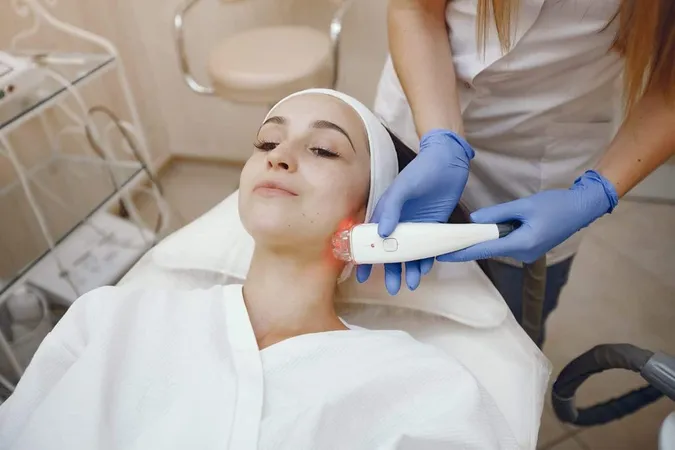
A solid grasp of laser physics is crucial for any Certified Laser Specialist. This includes understanding the principles of light amplification, the behavior of laser beams, and the interaction of laser energy with matter. Key concepts such as wavelength, frequency, and coherence determine how lasers are used in various applications. For instance, different wavelengths are absorbed by specific tissues, making certain lasers more suitable for particular procedures. Comprehending these principles ensures that specialists can select and operate lasers effectively, tailoring treatments to achieve optimal results while minimizing risks.
Ensuring Laser Safety
Safety is paramount in laser operations. Certified Laser Specialists must be well-versed in safety protocols to protect both operators and patients. This includes knowledge of protective equipment, understanding of laser classifications, and adherence to safety standards set by organizations such as the Occupational Safety and Health Administration (OSHA). Implementing proper safety measures reduces the risk of accidents, such as burns or eye injuries, and ensures compliance with regulatory requirements. Regular training and staying updated on safety guidelines are essential components of a specialist's responsibilities.
Clinical Applications of Lasers
Lasers have a wide range of clinical applications, from surgical procedures to aesthetic treatments. In medicine, lasers are used for precise cutting, cauterization, and tissue ablation. In aesthetics, they are employed for hair removal, skin resurfacing, and tattoo removal. Certified Laser Specialists must understand the appropriate use of different laser types, such as CO2, Nd:YAG, and diode lasers, each suited for specific treatments. Knowledge of patient selection, treatment planning, and post-procedure care is essential to ensure safety and efficacy in clinical settings
Equipment Operation and Maintenance
Proficiency in operating and maintaining laser equipment is a critical skill for Certified Laser Specialists. This involves understanding the technical specifications of various devices, performing routine maintenance, and troubleshooting common issues. Regular calibration and adherence to manufacturer guidelines ensure that lasers function correctly and safely. Specialists must also document maintenance activities and stay informed about technological advancements to keep their skills current.
Regulatory and Legal Considerations
Navigating the regulatory landscape is an integral part of a Certified Laser Specialist's role. This includes compliance with federal and state regulations, understanding licensing requirements, and maintaining proper documentation. Regulatory bodies may have specific guidelines regarding training, certification, and permissible procedures. Staying informed about legal obligations helps specialists avoid violations and ensures that they operate within the scope of their practice. Engaging in continuous education and consultation with legal experts can aid in maintaining compliance.
Advancing Your Career with CLS Certification
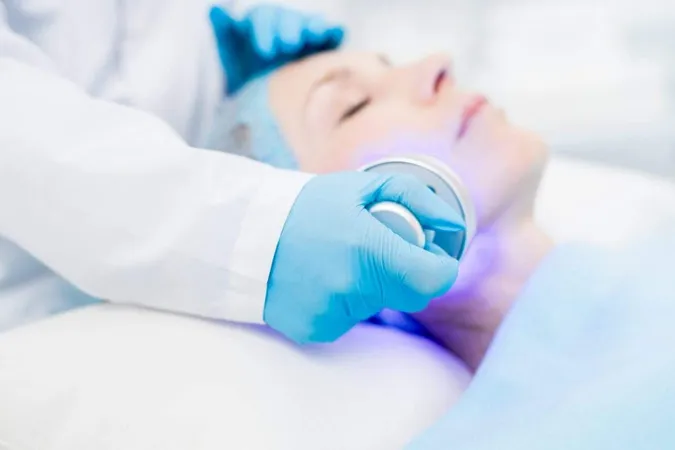
Obtaining Certified Laser Specialist certification can significantly enhance your professional trajectory. It demonstrates a commitment to excellence and a high level of expertise, making you a valuable asset to employers in medical, aesthetic, and industrial fields. Certification can lead to increased job opportunities, higher earning potential, and the ability to take on more advanced responsibilities. Furthermore, it provides a competitive edge in a growing industry where specialized skills are in demand. Investing in certification is a strategic move for long-term career growth.

Conclusion
The Certified Laser Specialist exam is a comprehensive assessment that validates a professional's knowledge and skills in laser technology. Achieving this certification requires a deep understanding of laser physics, safety protocols, clinical applications, equipment maintenance, and regulatory compliance. Preparation involves rigorous study and practical experience, ensuring that candidates are well-equipped to handle the responsibilities of a Certified Laser Specialist.
Certification not only enhances individual credibility but also contributes to the overall safety and effectiveness of laser procedures across various industries. As technology evolves, the role of Certified Laser Specialists becomes increasingly vital in implementing innovative solutions and maintaining high standards of care. Continuous education and adherence to best practices are essential for sustaining excellence in this dynamic field.
In conclusion, pursuing Certified Laser Specialist certification is a worthwhile endeavor for professionals dedicated to advancing their careers in laser technology. It signifies a commitment to safety, proficiency, and ongoing professional development, positioning specialists at the forefront of their industry. With the right preparation and mindset, candidates can successfully navigate the certification process and reap the benefits of this esteemed credential.
CLS: Pros and Cons
- +CLS certification validates expertise recognized by employers nationwide
- +Certified professionals typically earn 15-20% higher salaries
- +Opens doors to advanced positions and leadership roles
- +Demonstrates commitment to professional standards and ethics
- +Builds a strong professional network through certification communities
- −Exam preparation typically requires 2-4 months of dedicated study
- −Certification and exam fees can range from $150-$500+
- −Must complete continuing education to maintain active certification
- −Pass rates vary — thorough preparation is essential for success
- −Some certifications require prerequisite experience or education
(CLS) Certified Laser Specialist Questions and Answers
About the Author

Certified Professional Development Expert & Niche Certification Advisor
University of Pennsylvania Graduate School of EducationDr. Alexandra Kim holds a PhD in Professional Studies from the University of Pennsylvania and is a Certified Professional in Learning and Performance (CPLP) and Certified Professional in Talent Development (CPTD). With 17 years of corporate training and professional certification advisory experience, she helps professionals navigate specialized, emerging, and cross-industry certification programs.
Join the Discussion
Connect with other students preparing for this exam. Share tips, ask questions, and get advice from people who have been there.
View discussion (8 replies)