

CJO Practice Test
Updated for September 2026Correctional facilities rely on well-trained jail officers to maintain safety, security, and order. Becoming a Certified Jail Officer (CJO) demonstrates a commitment to professionalism and competence in managing inmate populations and operating within the legal framework of corrections. This certification not only improves your job prospects but also positions you for advancement and higher earnings in the corrections field.
This comprehensive guide will provide insights into the CJO certification process, highlight key duties and skills, review salary ranges, and outline the costs involved, helping you take the next step in your corrections career.
CJO Practice Test Questions
Prepare for the CJO - Certified Jail Officer exam with our free practice test modules. Each quiz covers key topics to help you pass on your first try.
CJO Administrative Law & Regulations
CJO Exam Questions covering Administrative Law & Regulations. Master CJO Test concepts for certification prep.
CJO Alternative Dispute Resolution
Free CJO Practice Test featuring Alternative Dispute Resolution. Improve your CJO Exam score with mock test prep.
CJO Business Organizations & Corporate Law
CJO Mock Exam on Business Organizations & Corporate Law. CJO Study Guide questions to pass on your first try.
CJO Civil Procedure & Litigation
CJO Test Prep for Civil Procedure & Litigation. Practice CJO Quiz questions and boost your score.
CJO Constitutional Law & Civil Rights
CJO Questions and Answers on Constitutional Law & Civil Rights. Free CJO practice for exam readiness.
CJO Contract Law & Commercial Transactions
CJO Mock Test covering Contract Law & Commercial Transactions. Online CJO Test practice with instant feedback.
CJO Criminal Law & Procedure
Free CJO Quiz on Criminal Law & Procedure. CJO Exam prep questions with detailed explanations.
CJO Evidence & Trial Practice
CJO Practice Questions for Evidence & Trial Practice. Build confidence for your CJO certification exam.
CJO Family Law & Domestic Relations
CJO Test Online for Family Law & Domestic Relations. Free practice with instant results and feedback.
CJO Immigration Law & Policy
CJO Study Material on Immigration Law & Policy. Prepare effectively with real exam-style questions.
CJO Labor & Employment Law
Free CJO Test covering Labor & Employment Law. Practice and track your CJO exam readiness.
CJO Mental Health & Suicide Prevention in ...
CJO Exam Questions covering Mental Health & Suicide Prevention in Corrections. Master CJO Test concepts for certification prep.
CJO Property Law & Real Estate
Free CJO Practice Test featuring Property Law & Real Estate. Improve your CJO Exam score with mock test prep.
CJO Torts & Personal Injury
CJO Mock Exam on Torts & Personal Injury. CJO Study Guide questions to pass on your first try.
CJO Wills, Trusts & Estates
CJO Test Prep for Wills, Trusts & Estates. Practice CJO Quiz questions and boost your score.
CJO Communication & Report Writing
CJO Questions and Answers on Communication & Report Writing. Free CJO practice for exam readiness.
CJO Emergency Response & Crisis Management
CJO Mock Test covering Emergency Response & Crisis Management. Online CJO Test practice with instant feedback.
Key Takeaways
Free CJO Practice Test Online
CJO certification demonstrates professional competence in jail officer duties and security protocols.
The certification process involves training, experience, passing an exam, and ongoing education.
Certified Jail Officers perform critical roles in inmate supervision, security, emergency response, and communication.
Salaries are competitive, with certification enhancing advancement and earning potential.
Financial planning for training and exam fees is essential for successful certification.
Unlocking the Certified Jail Officer Credential
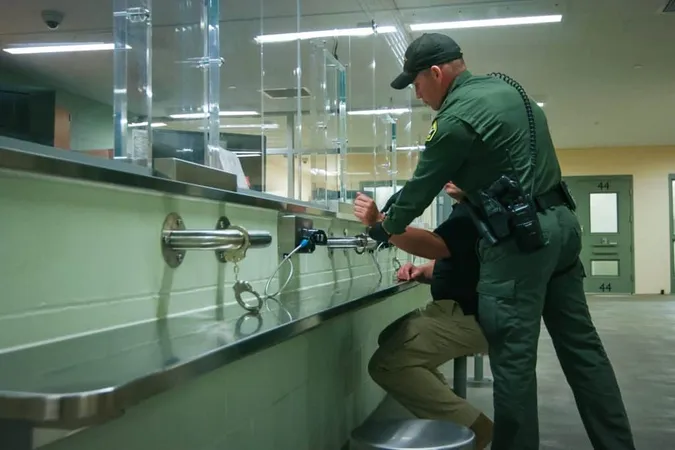
The Certified Jail Officer credential is awarded to individuals who have completed specialized training and passed certification exams demonstrating proficiency in jail operations, inmate supervision, and emergency response. It assures employers that certified officers are knowledgeable in security procedures, legal responsibilities, and ethical conduct within correctional environments.
The certification is widely recognized by law enforcement agencies and correctional institutions as a standard for professional jail officers, promoting higher standards of public safety and inmate management.
CJO Key Concepts
What is the passing score for the CJO exam?
Most CJO exams require 70-75% to pass. Check the official exam guide for exact requirements.
How long is the CJO exam?
The CJO exam typically allows 2-3 hours. Time management is critical for success.
How should I prepare for the CJO exam?
Start with a diagnostic test, create a 4-8 week study plan, and take at least 3 full practice exams.
What topics does the CJO exam cover?
The CJO exam covers multiple domains. Review the official content outline for the complete list.

How to Become a Certified Jail Officer
The path to CJO certification typically involves:
Meeting Basic Requirements: Candidates often must be at least 18 years old, have a high school diploma or equivalent, and meet physical and background standards.
Completing Training: Enroll in a state-certified jail officer training academy that covers laws, regulations, inmate rights, defensive tactics, and emergency procedures.
Gaining Practical Experience: Many certification programs require or recommend hands-on experience through internships or probationary periods.
Passing the Certification Exam: The exam evaluates knowledge in jail policies, security techniques, legal issues, and communication skills.
Maintaining Certification: Continuing education and periodic recertification ensure officers remain current with evolving standards.
This process prepares candidates to handle the complexities of jail security and inmate supervision.
Essential Skills and Duties of a Certified Jail Officer
Certified Jail Officers perform a wide range of tasks to ensure the safe operation of correctional facilities:
Inmate Supervision: Monitoring inmate behavior, enforcing rules, and preventing disturbances or escapes.
Security Checks: Conducting regular inspections of facilities, equipment, and security systems.
Emergency Response: Reacting swiftly to incidents such as fights, medical emergencies, or fires.
Record Keeping: Documenting inmate activities, incidents, and facility operations accurately.
Communication: Coordinating with other law enforcement officers, medical personnel, and administrative staff.
Strong interpersonal skills, physical fitness, and knowledge of legal protocols are crucial for success.
Salary and Career Prospects for Certified Jail Officers
Certification enhances job security and earning potential in corrections:
Salary Range: According to the U.S. Bureau of Labor Statistics, correctional officers earn a median annual wage of approximately $48,000, with certified officers often earning higher.
Advancement Opportunities: Certified Jail Officers can progress to supervisory roles, specialized units, or positions in related law enforcement fields.
Demand: Ongoing needs for qualified jail officers in local, state, and federal facilities ensure steady employment opportunities.
Benefits: Many correctional positions offer health insurance, retirement plans, and paid leave.
Certification boosts both initial salary offers and long-term career growth.
Exam Fees and Certification Costs
Candidates should budget for the following:
Training Academy Fees: Costs vary by state and program, typically ranging from $1,000 to $3,000.
Certification Exam Fee: Exam fees generally range from $100 to $300.
Recertification Costs: Renewal fees and continuing education expenses apply every few years.
Additional Expenses: Uniforms, equipment, and preparatory materials may add to total costs.
Proper financial planning helps avoid interruptions during the certification process.

Conclusion
Becoming a Certified Jail Officer is a strategic career move for those committed to serving in correctional facilities. The certification validates essential skills, fosters professional development, and improves job prospects in a demanding but rewarding field. As corrections agencies emphasize safety and ethical management, CJOs play a pivotal role in upholding these standards. Pursuing this certification positions you for a stable career with meaningful impact and growth opportunities.
- +Industry-recognized credential boosts your resume
- +Higher earning potential (10-20% salary increase on average)
- +Demonstrates commitment to professional development
- +Opens doors to advanced career opportunities
- −Exam preparation requires significant time investment (4-8 weeks)
- −Certification fees can be $100-$400+
- −May require continuing education to maintain
- −Some employers may not require certification
(CJO) Certified Jail Officer Questions and Answers
About the Author

Certified Professional Development Expert & Niche Certification Advisor
University of Pennsylvania Graduate School of EducationDr. Alexandra Kim holds a PhD in Professional Studies from the University of Pennsylvania and is a Certified Professional in Learning and Performance (CPLP) and Certified Professional in Talent Development (CPTD). With 17 years of corporate training and professional certification advisory experience, she helps professionals navigate specialized, emerging, and cross-industry certification programs.
Join the Discussion
Connect with other students preparing for this exam. Share tips, ask questions, and get advice from people who have been there.
View discussion (9 replies)