

CFP Practice Test
Updated for September 2026Forensic photography, also known as crime scene photography, plays a pivotal role in criminal investigations. A Certified Forensic Photographer (CFP) is a professional trained to carefully document crime scenes, evidence, and related subjects through photography, ensuring accuracy and integrity in the visual records used for legal proceedings.
CFP Practice Test Questions
Prepare for the CFP - Certified Forensic Photographer exam with our free practice test modules. Each quiz covers key topics to help you pass on your first try.
CFP Advanced Techniques & Methods
CFP Exam Questions covering Advanced Techniques & Methods. Master CFP Test concepts for certification prep.
CFP Courtroom Testimony & Expert Witness
Free CFP Practice Test featuring CFP Courtroom Testimony & Expert Witness. Improve your CFP Exam score with mock test prep.
CFP Scene Reconstruction & Photogrammetry
CFP Mock Exam on CFP Scene Reconstruction & Photogrammetry. CFP Study Guide questions to pass on your first try.
CFP Communication & Documentation
CFP Test Prep for Communication & Documentation. Practice CFP Quiz questions and boost your score.
CFP Forensic Image Metadata & Authentication
CFP Questions and Answers on Forensic Image Metadata & Authentication. Free CFP practice for exam readiness.
CFP Forensic Photographer Camera Settings ...
CFP Mock Test covering Forensic Photographer Camera Settings & Exposure Control. Online CFP Test practice with instant feedback.
CFP Forensic Photographer Courtroom Testim...
Free CFP Quiz on Forensic Photographer Courtroom Testimony & Evidence Presentation. CFP Exam prep questions with detailed explanations.
CFP Forensic Photographer Crime Scene Imag...
CFP Practice Questions for Forensic Photographer Crime Scene Imaging & Documentation. Build confidence for your CFP certification exam.
CFP Forensic Photographer Evidence Preserv...
CFP Test Online for Forensic Photographer Evidence Preservation & Analysis. Free practice with instant results and feedback.
CFP Forensic Photographer Legal Compliance...
CFP Study Material on Forensic Photographer Legal Compliance & Ethical Standards. Prepare effectively with real exam-style questions.
CFP Forensic Photographer Lighting Techniq...
Free CFP Test covering Forensic Photographer Lighting Techniques & Digital Processing. Practice and track your CFP exam readiness.
CFP Foundational Concepts & Principles
CFP Exam Questions covering Foundational Concepts & Principles. Master CFP Test concepts for certification prep.
CFP Industry Regulations & Compliance
Free CFP Practice Test featuring Industry Regulations & Compliance. Improve your CFP Exam score with mock test prep.
CFP Professional Standards & Ethics
CFP Mock Exam on Professional Standards & Ethics. CFP Study Guide questions to pass on your first try.
CFP Quality Assurance & Improvement
CFP Test Prep for Quality Assurance & Improvement. Practice CFP Quiz questions and boost your score.
Key Takeaways
Free Forensic Photographer Practice Test Online
- Forensic photographers play a critical role in documenting crime scenes and evidence, providing visual records that support investigations and legal proceedings.
- Specialized training and adherence to legal standards are essential to ensure photographs are admissible in court.
- Pursuing certification and continuous education enhances credibility and proficiency in the field.
Understanding the Role of a Forensic Photographer
A forensic photographer is responsible for capturing detailed images of crime scenes, victims, suspects, and evidence. These photographs serve as crucial documentation that aids law enforcement agencies, investigators, and the judicial system in understanding the specifics of a crime. The primary objectives include:
- Providing a true and accurate representation of the crime scene.
- Documenting the location and position of evidence.
- Assisting in reconstructing events leading to and following the crime.
- Supporting testimonies and clarifying details during court proceedings.
- ✓Confirm your exam appointment and location
- ✓Bring required identification documents
- ✓Arrive 30 minutes early to check in
- ✓Read each question carefully before answering
- ✓Flag difficult questions and return to them later
- ✓Manage your time — don't spend too long on one question
- ✓Review flagged questions before submitting
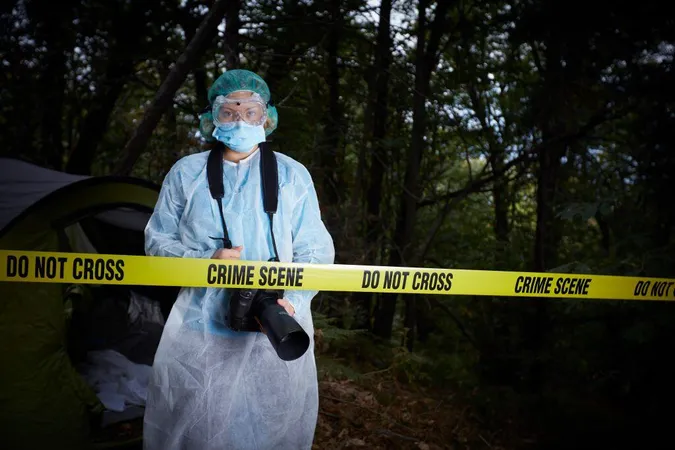
What is a Forensic Photographer?
A forensic photographer specializes in producing images that accurately depict crime scenes and evidence. Unlike general photography, forensic photography requires adherence to specific protocols to ensure that images are admissible in court. Key responsibilities include:
- Capturing comprehensive overviews of crime scenes.
- Taking mid-range and close-up shots of evidence with proper scales for reference.
- Using specialized techniques, such as alternate light sources, to reveal details not visible to the naked eye.
- Maintaining a careful photographic log to document each image's context and details.
The Importance of Crime Scene Photography
Crime scene photography is essential for preserving the original state of a scene and its evidence. Photographs provide investigators and jurors with visual context, making abstract details more comprehensible. Effective crime scene photography should:
- Accurately depict the scene without alterations or biases.
- Include scales and reference objects to establish the size and position of evidence.
- Be clear, well-lit, and in focus to ensure all details are discernible.
Forensic Photography Training
Becoming proficient in forensic photography requires specialized training that covers both technical photography skills and an understanding of legal standards. Training programs often encompass:
- Fundamentals of photography, including exposure, composition, and lighting.
- Specific techniques for documenting various types of evidence, such as fingerprints, bloodstains, and tool marks.
- Legal considerations, ensuring photographs meet admissibility criteria in court.
- Hands-on practice in simulated crime scenes to develop practical skills.
How to Become a Forensic Photographer
Pursuing a career as a forensic photographer involves several steps:
- Educational Background: Obtain a degree in photography, forensic science, criminal justice, or a related field.
- Specialized Training: Enroll in forensic photography courses offered by accredited institutions or law enforcement agencies.
- Certification: Seek certification from recognized bodies, such as the International Association for Identification (IAI), which offers a Certified Forensic Photographer designation.
- Experience: Gain practical experience through internships or entry-level positions in law enforcement agencies or forensic laboratories.
- Continuous Education: Stay updated with advancements in photography techniques and forensic science through workshops and seminars.
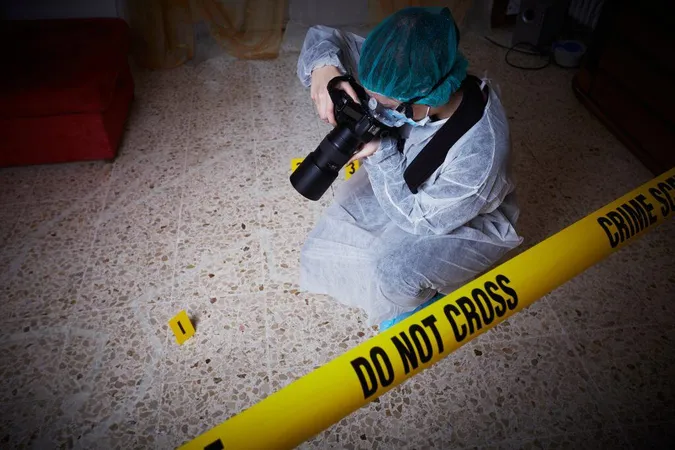
CFP: Pros and Cons
- +CFP certification validates expertise recognized by employers nationwide
- +Certified professionals typically earn 15-20% higher salaries
- +Opens doors to advanced positions and leadership roles
- +Demonstrates commitment to professional standards and ethics
- +Builds a strong professional network through certification communities
- −Exam preparation typically requires 2-4 months of dedicated study
- −Certification and exam fees can range from $150-$500+
- −Must complete continuing education to maintain active certification
- −Pass rates vary — thorough preparation is essential for success
- −Some certifications require prerequisite experience or education
Pros and Cons at a Glance
| Pros | Cons |
|---|---|
| CFP certification validates expertise recognized by employers nationwide | Must complete continuing education to maintain active certification |
| Opens doors to advanced positions and leadership roles | Pass rates vary — thorough preparation is essential for success |
| Demonstrates commitment to professional standards and ethics | Some certifications require prerequisite experience or education |
About the Author

Business Consultant & Professional Certification Advisor
Wharton School, University of PennsylvaniaKatherine Lee earned her MBA from the Wharton School at the University of Pennsylvania and holds CPA, PHR, and PMP certifications. With a background spanning corporate finance, human resources, and project management, she has coached professionals preparing for CPA, CMA, PHR/SPHR, PMP, and financial services licensing exams.
Join the Discussion
Connect with other students preparing for this exam. Share tips, ask questions, and get advice from people who have been there.
View discussion (8 replies)