

CFE Practice Test
Updated for October 2026Becoming a Certified Forensic Examiner (CFE) is an important step for individuals looking to pursue a career in forensic science or criminal investigation. A CFE is a highly skilled professional who applies scientific techniques and methodologies to investigate crimes, gather evidence, and assist in legal proceedings. The role demands not only technical expertise in areas such as digital forensics, fingerprint analysis, and toxicology but also an ability to think critically and present findings in court. This article will walk you through the process of becoming a Certified Forensic Examiner, including the key skills, qualifications, and career opportunities available.
Free CFE Practice Test Online
Key Takeaways
Certified Forensic Examiners (CFE) play a vital role in criminal investigations and legal proceedings.
To become a CFE, one must meet specific educational and professional requirements, including obtaining certifications from recognized forensic bodies.
Continuing education and specialized training are crucial for career advancement in this field.
The role of a CFE can lead to career opportunities in law enforcement, private consulting, and government agencies.
Educational and Professional Requirements
To become a Certified Forensic Examiner, candidates generally need to have a background in forensic science, criminology, or a related field. A bachelor’s degree in criminal justice or forensic science is typically the minimum requirement. However, many employers may prefer candidates with a master's degree or specialized certifications.
CFE Practice Test Questions
Prepare for the CFE - Certified Forensic Examiner exam with our free practice test modules. Each quiz covers key topics to help you pass on your first try.
CFE Case Documentation & Evidence Management
CFE Exam Questions covering Case Documentation & Evidence Management. Master CFE Test concepts for certification prep.
CFE Collaborative Decision Making
Free CFE Practice Test featuring Collaborative Decision Making. Improve your CFE Exam score with mock test prep.
CFE Conflict Management & Resolution
CFE Mock Exam on Conflict Management & Resolution. CFE Study Guide questions to pass on your first try.
CFE Crime Scene Investigation & Physical E...
CFE Test Prep for Crime Scene Investigation & Physical Evidence Processing. Practice CFE Quiz questions and boost your score.
CFE Digital Evidence Collection and Preser...
CFE Questions and Answers on Digital Evidence Collection and Preservation. Free CFE practice for exam readiness.
CFE Ethical Obligations & Professional Con...
CFE Mock Test covering Ethical Obligations & Professional Conduct. Online CFE Test practice with instant feedback.
CFE Expert Witness Testimony & Courtroom P...
Free CFE Quiz on Expert Witness Testimony & Courtroom Procedures. CFE Exam prep questions with detailed explanations.
CFE Forensic Accounting & Financial Fraud ...
CFE Practice Questions for Forensic Accounting & Financial Fraud Investigation. Build confidence for your CFE certification exam.
CFE Forensic Analysis and Investigation Te...
CFE Test Online for Forensic Analysis and Investigation Techniques. Free practice with instant results and feedback.
CFE Forensic Report Writing for Legal Proc...
CFE Study Material on Forensic Report Writing for Legal Proceedings. Prepare effectively with real exam-style questions.
CFE Group Process & Dynamics
Free CFE Test covering Group Process & Dynamics. Practice and track your CFE exam readiness.
CFE Incident Response and Reporting
CFE Exam Questions covering Incident Response and Reporting. Master CFE Test concepts for certification prep.
CFE Interview Techniques & Communication
Free CFE Practice Test featuring Interview Techniques & Communication. Improve your CFE Exam score with mock test prep.
CFE Large Group Intervention Methods
CFE Mock Exam on Large Group Intervention Methods. CFE Study Guide questions to pass on your first try.
CFE Legal and Ethical Considerations in Fo...
CFE Test Prep for Legal and Ethical Considerations in Forensics. Practice CFE Quiz questions and boost your score.
CFE Legal Frameworks & Regulatory Standards
CFE Questions and Answers on Legal Frameworks & Regulatory Standards. Free CFE practice for exam readiness.
CFE Meeting Design & Planning
CFE Mock Test covering Meeting Design & Planning. Online CFE Test practice with instant feedback.
CFE Strategic Planning Facilitation
Free CFE Quiz on Strategic Planning Facilitation. CFE Exam prep questions with detailed explanations.
Pro Tip: Focus your CFE study time on areas where you score lowest. Most exam questions test application of knowledge, not memorization.
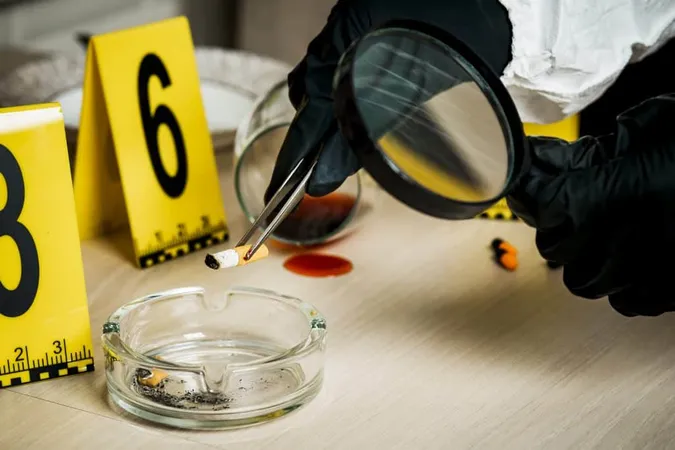
Alongside academic qualifications, practical experience is key to becoming a successful CFE. Most professionals gain hands-on experience through internships, volunteer work, or employment with law enforcement agencies, forensic laboratories, or private consulting firms.
Certifications and Training
Certification is a critical component in becoming a CFE. The American Board of Forensic Examiners (ABFE) offers certification for forensic examiners in multiple specialties, including digital forensics and toxicology. Similarly, the International Association of Computer Science and Information Technology (IACSIT) offers certifications for digital forensics professionals. These certifications ensure that forensic examiners possess the necessary expertise and follow industry standards.
Training programs in forensic science can be found at various universities and institutions, both online and in person. It is important to choose accredited programs that provide comprehensive knowledge and practical training in forensic methodologies.
Key Skills and Expertise
Certified Forensic Examiners need a variety of technical and analytical skills. These include:
Attention to Detail: Forensic examiners must carefully analyze evidence to identify relevant clues in criminal investigations.
Analytical Skills: The ability to assess and interpret data accurately is crucial, especially when working with complex scientific evidence like DNA samples or digital data.
Technical Proficiency: Forensic examiners must be well-versed in the use of forensic tools and technologies, such as fingerprint analyzers, digital data retrieval systems, and toxicology testing equipment.
Communication: Clear communication skills are essential for presenting findings in court and writing detailed reports for law enforcement and legal teams.
Career Opportunities
Certified Forensic Examiners have the opportunity to work in various sectors. Many CFEs work directly with law enforcement agencies to support criminal investigations. Others may choose to work in private consulting firms, helping individuals or companies with forensic analysis related to civil or corporate matters.
Government agencies, including the FBI, DEA, and local forensic labs, also hire CFEs. Additionally, the rise of cybercrime has led to an increased demand for forensic examiners specializing in digital forensics.
Medicolegal death investigators can prepare for ABMDI certification with our free ABMDI death investigator certification practice test — covering scene investigation, evidence collection, identification, and cause of death determination.

CFE: Pros and Cons
- +CFE certification validates expertise recognized by employers nationwide
- +Certified professionals typically earn 15-20% higher salaries
- +Opens doors to advanced positions and leadership roles
- +Demonstrates commitment to professional standards and ethics
- +Builds a strong professional network through certification communities
- −Exam preparation typically requires 2-4 months of dedicated study
- −Certification and exam fees can range from $150-$500+
- −Must complete continuing education to maintain active certification
- −Pass rates vary — thorough preparation is essential for success
- −Some certifications require prerequisite experience or education
About the Author

Business Consultant & Professional Certification Advisor
Wharton School, University of PennsylvaniaKatherine Lee earned her MBA from the Wharton School at the University of Pennsylvania and holds CPA, PHR, and PMP certifications. With a background spanning corporate finance, human resources, and project management, she has coached professionals preparing for CPA, CMA, PHR/SPHR, PMP, and financial services licensing exams.
Join the Discussion
Connect with other students preparing for this exam. Share tips, ask questions, and get advice from people who have been there.
View discussion (9 replies)