

CDG Practice Test
Updated for September 2026Diamonds are one of the most precious and sought-after gemstones worldwide, prized for their beauty, rarity, and value. The Certified Diamond Grader (CDG) credential is a prestigious certification for professionals in the gemology and jewelry industry who specialize in evaluating and grading diamonds. Becoming a CDG signifies that you have the technical knowledge and practical skills to assess diamond quality accurately based on internationally recognized standards.
The diamond grading process is complex and requires a deep understanding of the Four Cs—cut, color, clarity, and carat weight—as well as expertise in using specialized equipment. The CDG certification equips professionals with the knowledge necessary to perform these evaluations with precision and confidence. This article provides a comprehensive overview of the CDG certification, including the exam structure, key competencies, and strategies for success.
CDG Practice Test Questions
Prepare for the CDG - Certified Diamond Grader exam with our free practice test modules. Each quiz covers key topics to help you pass on your first try.
CDG Case Analysis & Practical Application
CDG Exam Questions covering Case Analysis & Practical Application. Master CDG Test concepts for certification prep.
CDG Diamond Treatments & Enhancements
Free CDG Practice Test featuring CDG Diamond Treatments & Enhancements. Improve your CDG Exam score with mock test prep.
CDG Laboratory Grading Reports & Documenta...
CDG Mock Exam on CDG Laboratory Grading Reports & Documentation. CDG Study Guide questions to pass on your first try.
CDG Communication & Client Relations
CDG Test Prep for Communication & Client Relations. Practice CDG Quiz questions and boost your score.
CDG Diamond Cutting & Polishing Standards
CDG Questions and Answers on Diamond Cutting & Polishing Standards. Free CDG practice for exam readiness.
CDG Diamond Grading & Evaluation Techniques
CDG Mock Test covering Diamond Grading & Evaluation Techniques. Online CDG Test practice with instant feedback.
CDG Diamond Pricing & Valuation
Free CDG Quiz on Diamond Pricing & Valuation. CDG Exam prep questions with detailed explanations.
CDG Gemology & Mineralogy Fundamentals
CDG Practice Questions for Gemology & Mineralogy Fundamentals. Build confidence for your CDG certification exam.
CDG Industry Ethics & Market Knowledge
CDG Test Online for Industry Ethics & Market Knowledge. Free practice with instant results and feedback.
CDG Professional Standards & Competencies
CDG Study Material on Professional Standards & Competencies. Prepare effectively with real exam-style questions.
CDG Quality Control & Process Improvement
Free CDG Test covering Quality Control & Process Improvement. Practice and track your CDG exam readiness.
CDG Regulatory Compliance & Legal Framework
CDG Exam Questions covering Regulatory Compliance & Legal Framework. Master CDG Test concepts for certification prep.
CDG Research Methods & Evidence-Based Prac...
Free CDG Practice Test featuring Research Methods & Evidence-Based Practice. Improve your CDG Exam score with mock test prep.
Key Takeaways
Free CDG Practice Test Online
Comprehensive Diamond Knowledge: The CDG certification covers detailed knowledge of diamond properties, including the Four Cs and other grading criteria.
Technical Skill Development: Hands-on training with diamond grading tools such as microscopes, loupes, and color grading machines is essential.
Industry Standards: Understanding global diamond grading standards and ethical practices is a crucial part of the certification.
Career Advancement: Achieving CDG certification opens opportunities in gemological laboratories, jewelry retail, and diamond trade sectors.
Diamond grading is the core focus of the CDG exam and certification. Candidates must master the technical aspects of evaluating diamonds according to the Four Cs:
Cut: The cut of a diamond affects its brilliance and sparkle. Candidates learn to assess cut quality, including proportions, symmetry, and polish, which influence the overall appearance.
Color: Diamond color grading ranges from colorless to various shades of yellow or brown. Precision in comparing and grading color under standardized lighting conditions is critical.
Clarity: Clarity grading involves identifying and evaluating internal inclusions and external blemishes. Understanding how to classify these imperfections according to severity impacts valuation.
Carat Weight: Accurately measuring carat weight using precise scales is fundamental, as it directly affects a diamond’s market value.
Candidates must be proficient in evaluating each of these attributes, often simultaneously, to provide a comprehensive assessment of diamond quality.

The CDG program emphasizes practical skills essential for accurate diamond grading:
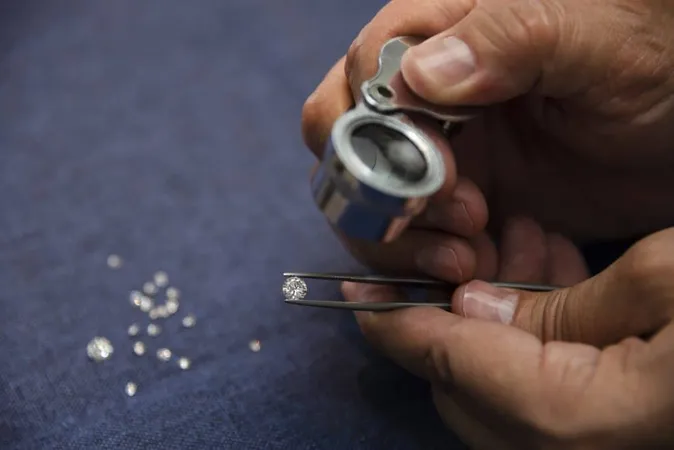
Use of Equipment: Graders must be adept at using tools such as 10x loupes, gemological microscopes, and color grading machines. Training includes proper handling, calibration, and maintenance of this equipment.
Identification Techniques: Recognizing natural versus synthetic diamonds, treatments, and enhancements is a key skill. This knowledge helps maintain grading integrity and market trust.
Documentation & Reporting: Accurate record-keeping and the ability to prepare detailed grading reports are vital professional skills. Reports must reflect precise grading results and adhere to industry formats.
Hands-on practice and repeated exposure to a variety of diamonds enhance graders’ proficiency and confidence.
CDG Key Concepts
What is the passing score for the CDG exam?
Most CDG exams require 70-75% to pass. Check the official exam guide for exact requirements.
How long is the CDG exam?
The CDG exam typically allows 2-3 hours. Time management is critical for success.
How should I prepare for the CDG exam?
Start with a diagnostic test, create a 4-8 week study plan, and take at least 3 full practice exams.
What topics does the CDG exam cover?
The CDG exam covers multiple domains. Review the official content outline for the complete list.
- ✓Review the official CDG exam content outline
- ✓Take a diagnostic practice test to identify weak areas
- ✓Create a study schedule (4-8 weeks recommended)
- ✓Focus on your weakest domains first
- ✓Complete at least 3 full-length practice exams
- ✓Review all incorrect answers with detailed explanations
- ✓Take a final practice test 1 week before exam day
Advanced Grading Techniques & Technology Integration
As the diamond industry evolves, so do the methods and technologies used for diamond grading. The CDG certification process now includes training on advanced grading techniques and the integration of cutting-edge technology to ensure precise and reliable evaluations.
Laser Inscription and Imaging: Modern graders use laser technology to inscribe unique identification marks on diamonds, aiding in tracking and certification. High-resolution imaging helps document diamond features in detail, supporting accurate grading and appraisal.
Spectroscopic Analysis: Techniques such as infrared and ultraviolet-visible spectroscopy allow graders to analyze the chemical composition and detect treatments or enhancements in diamonds, providing a deeper understanding beyond visual inspection.
Automated Grading Systems: Some laboratories employ automated grading instruments that assist in evaluating color and clarity with high consistency. CDGs must understand how to interpret data from these systems and complement them with expert human analysis.
Digital Reporting & Certification: The use of digital platforms for creating and sharing grading reports enhances transparency and accessibility. CDGs are trained to utilize these systems efficiently while maintaining the confidentiality and integrity of grading information.
Embracing these advanced techniques and technologies allows Certified Diamond Graders to stay at the forefront of the industry, offering clients the highest standards of precision and reliability in diamond grading.
Certification as a CDG requires knowledge of international grading standards and ethical considerations in the diamond trade:
Standards Organizations: Familiarity with guidelines from the Gemological Institute of America (GIA), International Gemological Institute (IGI), and other authoritative bodies is essential.
Code of Ethics: Certified graders must adhere to strict ethical standards, ensuring honesty, transparency, and confidentiality in their evaluations.
Conflict-Free Sourcing: Awareness of issues such as conflict diamonds and adherence to the Kimberley Process certification scheme are crucial for maintaining industry integrity.
Consumer Protection: CDGs play a role in protecting consumers by providing unbiased, accurate grading that supports informed purchasing decisions.
Ethical conduct enhances professional reputation and fosters trust within the industry and among clients.
Achieving the CDG certification opens diverse career pathways:
Gemological Laboratories: Many certified graders find employment in labs where they assess and certify diamonds for dealers, manufacturers, and consumers.
Jewelry Retail: CDGs enhance sales and marketing teams by providing expert advice and credible certifications that build customer confidence.
Diamond Trade & Auctions: Certified graders participate in diamond valuation and verification, supporting transparent and fair trading practices.
Continued Education: CDGs often engage in ongoing learning to stay current with technological advances and evolving grading standards, ensuring career longevity.
The CDG credential provides a competitive edge and establishes professional credibility in the global diamond market.
Propane certification candidates often also prepare with our MSHA practice test for the hazardous materials handling and workplace safety regulations both energy industry certifications require.
CHST construction health and safety candidates often also prepare with our COSS practice test for the OSHA regulations and hazard control principles both construction safety certifications assess.
CSFA candidates often also prepare with our TAGME practice test for the surgical technology and operating room clinical competencies both surgical certification programs assess.
EKG technicians preparing for their certification exam also strengthen their clinical knowledge base with the CNA Practice Test 2026 for patient monitoring and healthcare fundamentals.
Conclusion
The Certified Diamond Grader (CDG) certification is a valuable and respected credential that equips professionals with the skills and knowledge needed to evaluate diamonds accurately and ethically. The certification process demands mastery of technical grading skills, a strong understanding of gemological science, and a commitment to industry standards and ethics.
By pursuing CDG certification, individuals position themselves as experts in diamond grading, opening doors to a variety of roles within the gem and jewelry industry. Proper preparation, including study and hands-on experience, is essential for success. The CDG credential not only elevates one’s professional profile but also contributes to the transparency and trustworthiness of the diamond market.

- +Industry-recognized credential boosts your resume
- +Higher earning potential (10-20% salary increase on average)
- +Demonstrates commitment to professional development
- +Opens doors to advanced career opportunities
- −Exam preparation requires significant time investment (4-8 weeks)
- −Certification fees can be $100-$400+
- −May require continuing education to maintain
- −Some employers may not require certification
(CDG) Certified Diamond Grader Questions and Answers
About the Author

Certified Professional Development Expert & Niche Certification Advisor
University of Pennsylvania Graduate School of EducationDr. Alexandra Kim holds a PhD in Professional Studies from the University of Pennsylvania and is a Certified Professional in Learning and Performance (CPLP) and Certified Professional in Talent Development (CPTD). With 17 years of corporate training and professional certification advisory experience, she helps professionals navigate specialized, emerging, and cross-industry certification programs.